

![[For Seniors] Hiroshima Prefecture Local Quiz: A collection of questions packed with regional charm, from tourist attractions to famous local foods.](https://media.ragnet.co.jp/img/1200__png__https://www.ragnet.co.jp/files/2025/09/7b9d00c9878773ee3f1a99895a7abb2b.webp)
[For Seniors] Hiroshima Prefecture Local Quiz: A collection of questions packed with regional charm, from tourist attractions to famous local foods.

Hiroshima Prefecture is home to numerous captivating sightseeing spots, local specialties, and little-known historical tales.
This time, we’re introducing a local Hiroshima quiz that seniors can enjoy together.
From Miyajima’s rice paddles and the World Heritage Site Itsukushima Shrine, to locations that served as sacred settings for a famous Studio Ghibli film…
Let’s rediscover the charms of Hiroshima along with nostalgic memories! Through the quiz, why not savor Hiroshima’s appeal—its long-cherished food culture, traditional crafts, and buildings imbued with prayers for peace—that continue to be passed down across generations?
[For Seniors] Hiroshima Prefecture Local Quiz: A collection of questions packed with the region’s charms, from sightseeing spots to local gourmet specialties (1–10)
How does the torii gate of Itsukushima Shrine stand?
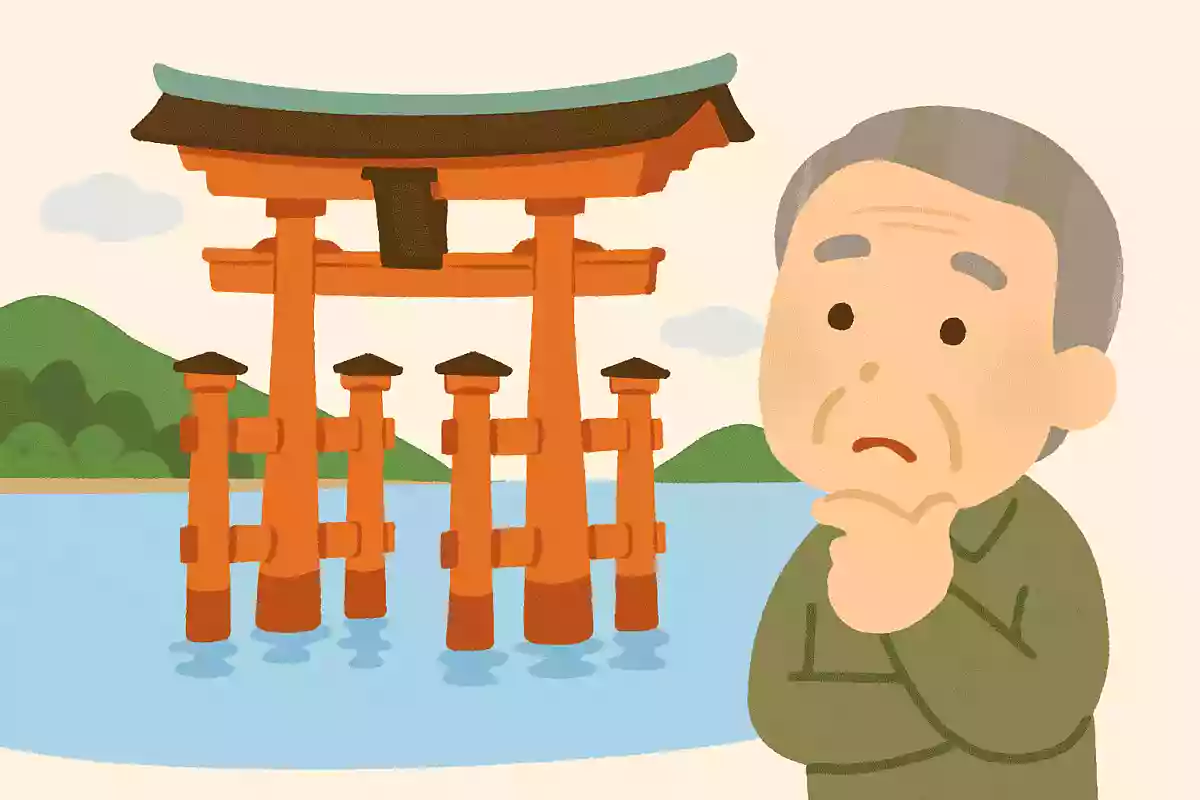
- Fixed with a concrete foundation
- It is driven deep into the seabed with special piles.
- It stands on its own by its own weight.
See the answer
It stands on its own by its own weight.
The Great Torii of Itsukushima Shrine is not firmly fixed with piles or concrete; it stands on its own under its own weight. By carefully selecting the timber and designing the structure, it is able to withstand tidal changes and the force of waves. Weighing roughly 60 tons, it also rests on an ingeniously designed wooden base to prevent it from sinking into the seabed. It is this kind of traditional Japanese architectural technique that has supported the Great Torii of Itsukushima Shrine for so many years.

How tall is the torii gate of Itsukushima Shrine?

- about 12 meters
- about 16 meters
- about 20 meters
See the answer
about 16 meters
The Great Torii of Itsukushima Shrine stands about 16.6 meters tall, roughly the height of a five-story building. As a wooden torii, it is among the largest in Japan, and its design and construction techniques are highly regarded. Its appearance standing in the sea is very famous, and many visitors are moved by its powerful presence. The torii is made of camphor wood, making it a true fusion of nature’s power and human craftsmanship.
From which era have Hiroshima’s famous “momiji manju” been made?
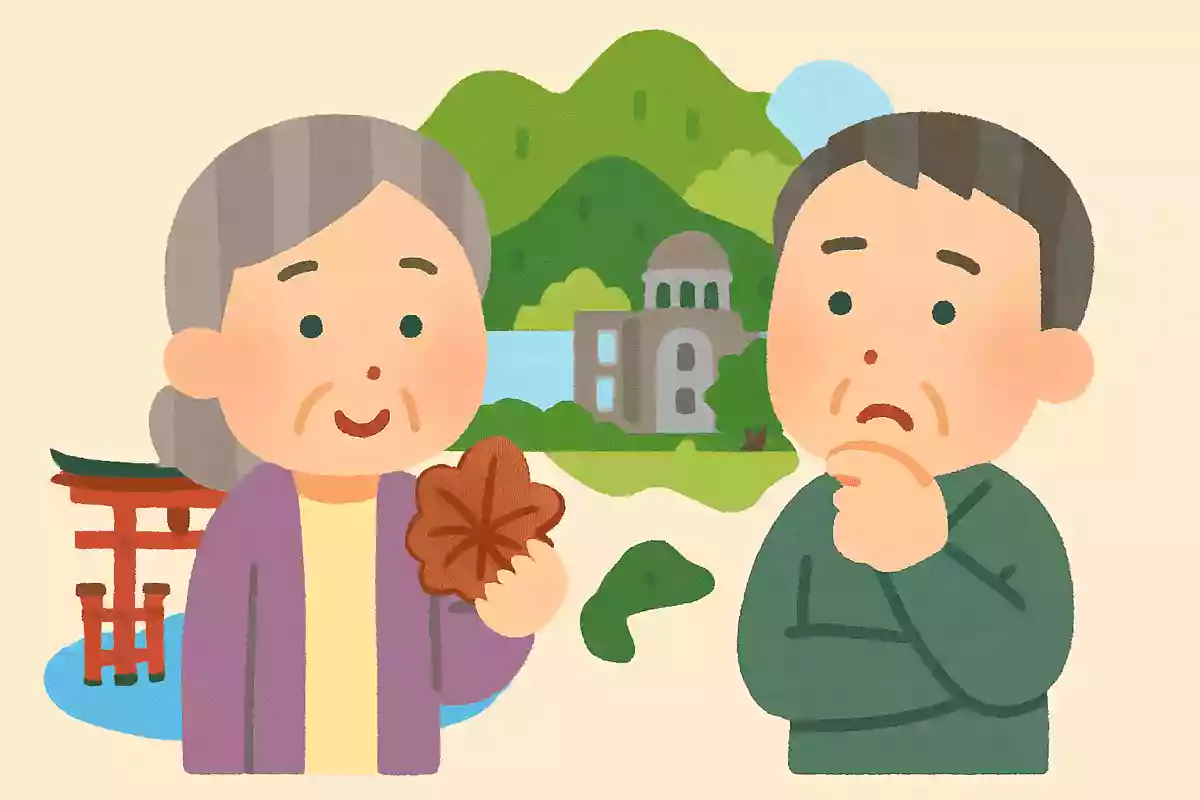
- Edo period
- Meiji era
- Showa era
See the answer
Meiji era
Momiji manju is said to have been devised toward the end of the Meiji era (Meiji 39, 1906) by Tsunesuke Takatsu, the founder of the Japanese confectionery shop Takatsudo on Miyajima in Hiroshima Prefecture. While various traditional sweets already existed, the idea to create a manju incorporating the shape of a maple leaf was influenced by the fact that Miyajima is famous for its autumn foliage. Today, it enjoys nationwide recognition as a Hiroshima souvenir.
What is the name of the hot spring resort that has long been beloved as the “inner sanctuary of Hiroshima”?
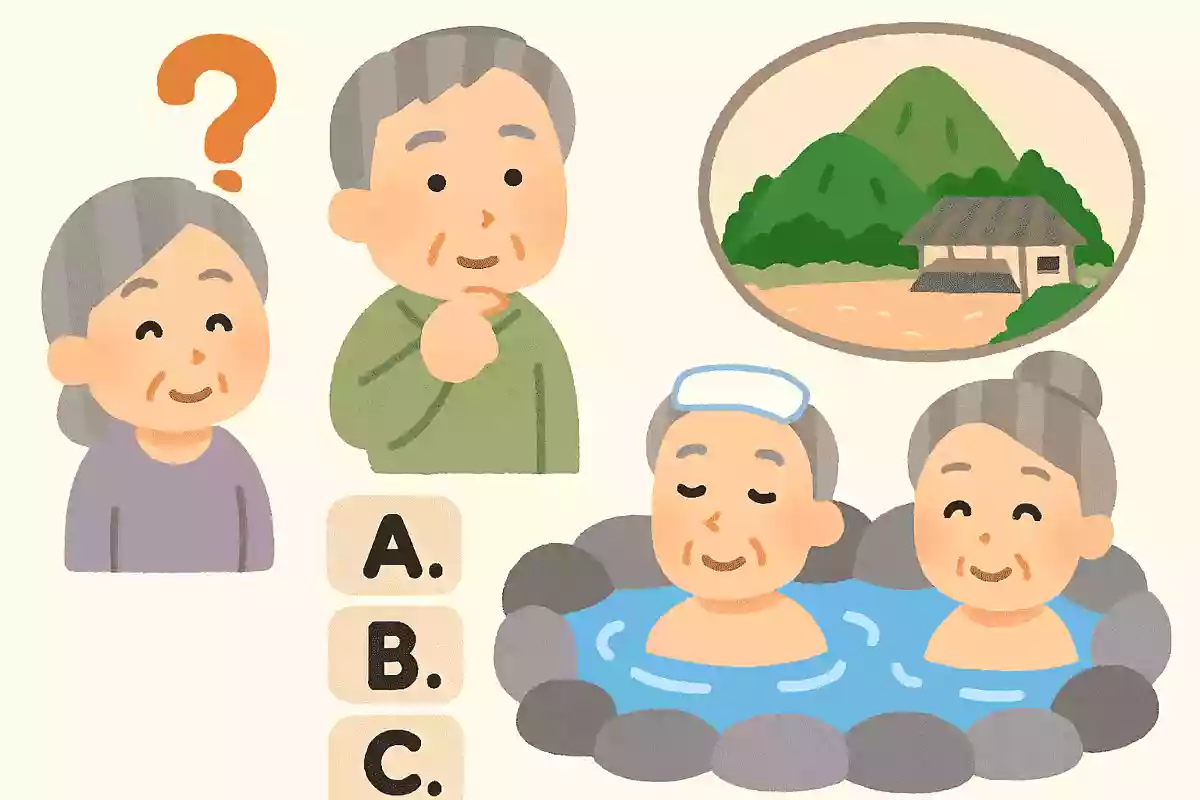
- Yuki Onsen (Yuki Hot Spring)
- Onomichi Onsen
- Miyahama Onsen (Miyahama Hot Spring)
See the answer
Yuki Onsen (Yuki Hot Spring)
“Hiroshima’s hidden retreat” refers to Yuki Onsen, located in Saeki Ward of Hiroshima City. Cherished since ancient times as a therapeutic hot spring, it lies about an hour by car from central Hiroshima. The area features nature-rich gorges and numerous hot spring inns, making it popular with tourists and locals alike as a place to soothe body and mind. In this atmospheric hot spring town, wrapped in steam, time flows quietly in the traditional way.
What fruit does Hiroshima Prefecture boast the highest production of in Japan?
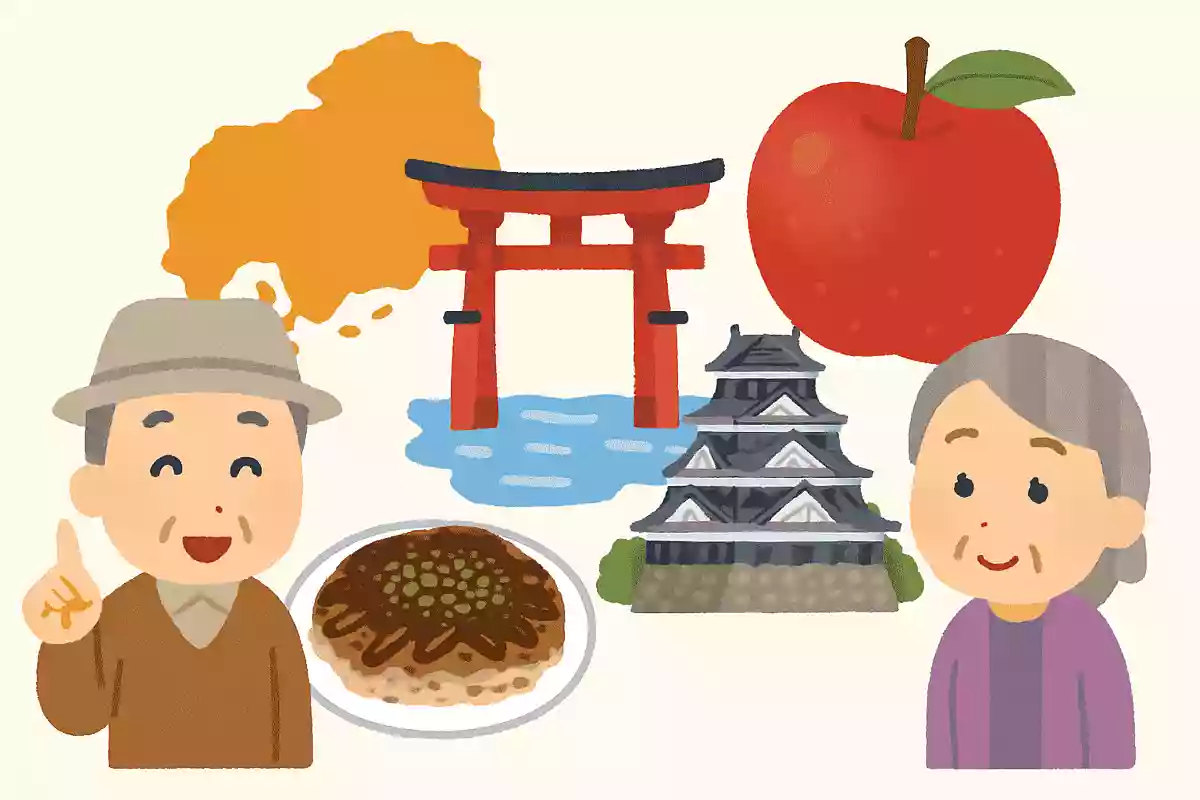
- mandarin (mikan/tangerine)
- Peach
- lemon
See the answer
lemon
Hiroshima Prefecture produces about 60% of domestically grown lemons and is known as Japan’s leading lemon-producing region. The mild Seto Inland Sea climate is ideal for lemon cultivation, so many farmers grow lemons there. Lemons are also rich in vitamin C, making them great for maintaining good health. In particular, places like Setoda (Ikuchijima) are famous lemon-producing areas, and lemons are utilized as local specialties and tourism resources.
What is the name of the facility next to the Atomic Bomb Dome in Hiroshima Prefecture where you can enjoy cafes and souvenir shops?

- Orizuru Tower
- Hiroshima Green Arena
- Hiroshima Museum of Art
See the answer
Orizuru Tower
Orizuru Tower is located right next to the Hiroshima Atomic Bomb Dome and is a popular spot featuring a café where visitors can take a break and a shop selling Hiroshima-themed souvenirs. There is also an observation deck on the top floor, offering panoramic views of Peace Memorial Park and the Hiroshima cityscape, making it beloved by many travelers and locals alike. The facility also includes the Orizuru Square, where you can fold a paper crane and post it with a wish for peace, and Hiroshima no Oka, a lookout area with sweeping views of city landmarks—making it a place where you can enjoy both sightseeing and peace education.
On Okunoshima Island in the Seto Inland Sea of Hiroshima Prefecture, which animal is known to have a population of over 500?

- rabbit
- cat
- deer
See the answer
rabbit
Ōkunoshima is home to so many wild rabbits that it’s also known as “Rabbit Island.” There are over 500 of them, and they’re beloved by visitors. The rabbits are friendly and often receive food from people. Some say they were originally brought to the island as laboratory animals, but today they’re famous as the island’s signature creatures. Car traffic is also restricted, creating an environment where the rabbits can live safely.