

[For Seniors] Introducing March Trivia!

March gradually ushers in spring, and while the sunshine grows warmer, mornings and evenings can still be quite chilly.
It’s a season to look after your health while eagerly awaiting the full arrival of spring.
You might still feel like staying indoors.
However, if you stay inside all the time, some of you may feel like you’ve got nothing to talk about with others.
This time, we’ll introduce some trivia about March.
It’s full of seasonal topics and practical knowledge for daily life—perfect conversation starters.
By all means, feel free to make use of them at day-service centers and long-term care facilities as well.
- [For Seniors] Introducing March Trivia!
- How much do you know? Trivia quiz for seniors that’s full of surprisingly unknown facts
- [For Seniors] Haiku for March: Enjoying a Spring Moment with Famous Verses
- Spring Event Quiz for Seniors to Enjoy in March
- [For Seniors] Never Run Out of Conversation Starters! A Collection of Fun Facts About April and Spring
- [For Seniors] Making a March Calendar: Introducing Spring-Themed Motifs and Arrangements
- [For Seniors] Hina Matsuri (Girls’ Day) Trivia Quiz & Fun Facts. Recommended for Dementia Prevention Activities
- [For Seniors] Fun Food Trivia Quizzes You'll Want to Share
- [March Health Topic] Introducing Recreational Activities for Seniors!
- [For Seniors] Trivia Multiple-Choice Quiz
- [For Seniors] Spring-themed quizzes: Fun trivia questions that help prevent dementia while you solve them
- [For Seniors] Activities to Enjoy March: Games, Crafts, Music, and Snack Recreation
- [For Seniors] Quizzes related to April. Perfect for brain training.
[For Seniors] Introducing March Trivia! (11–20)
Hina-arare is made from rice.
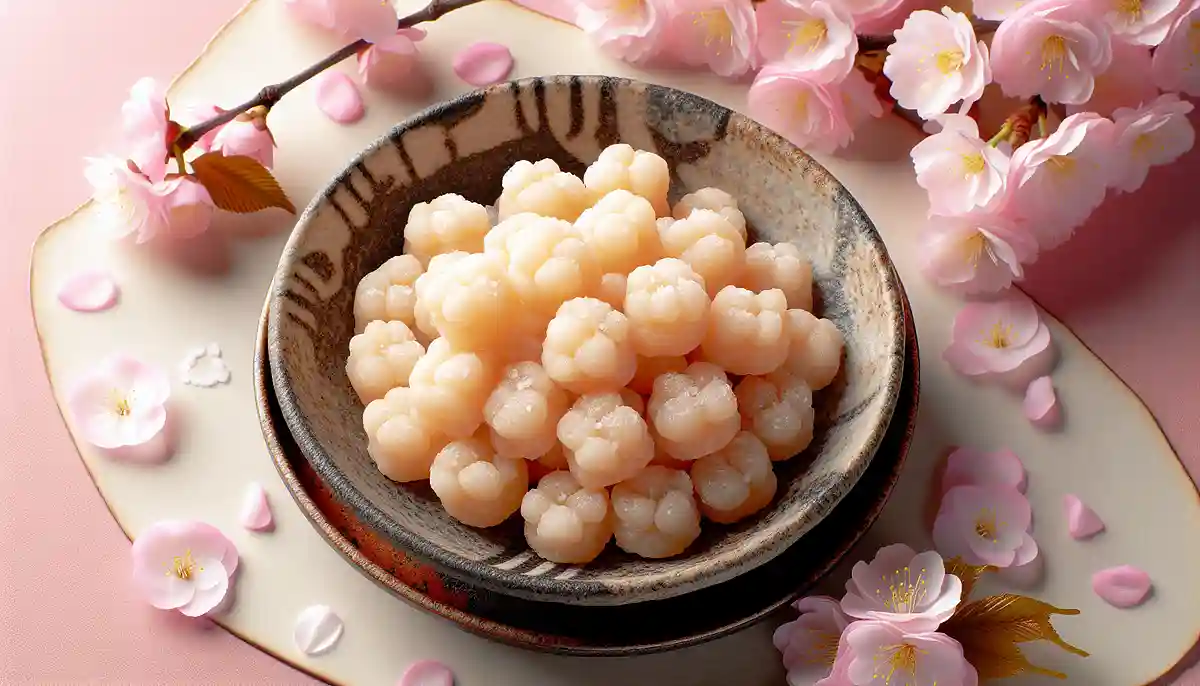
Hina-arare are made from rice, aren’t they? They’re made by deep-frying glutinous rice until it puffs and then seasoning it with sugar or soy-based coatings.
If you use food coloring, you can finish them in a variety of colors.
They look so cute, too.
You can even make them with leftover New Year’s mochi.
Apparently you can just bake cut mochi in the oven and that’s enough.
It’s said to be a traditional confection that dates back to the Edo period.
It’s one of the important sweets through which you can feel Japanese culture and customs.
It seems like it could be one of the delights of the Doll’s Festival (Hinamatsuri).
Hinamatsuri was originally an event to ward off evil spirits.
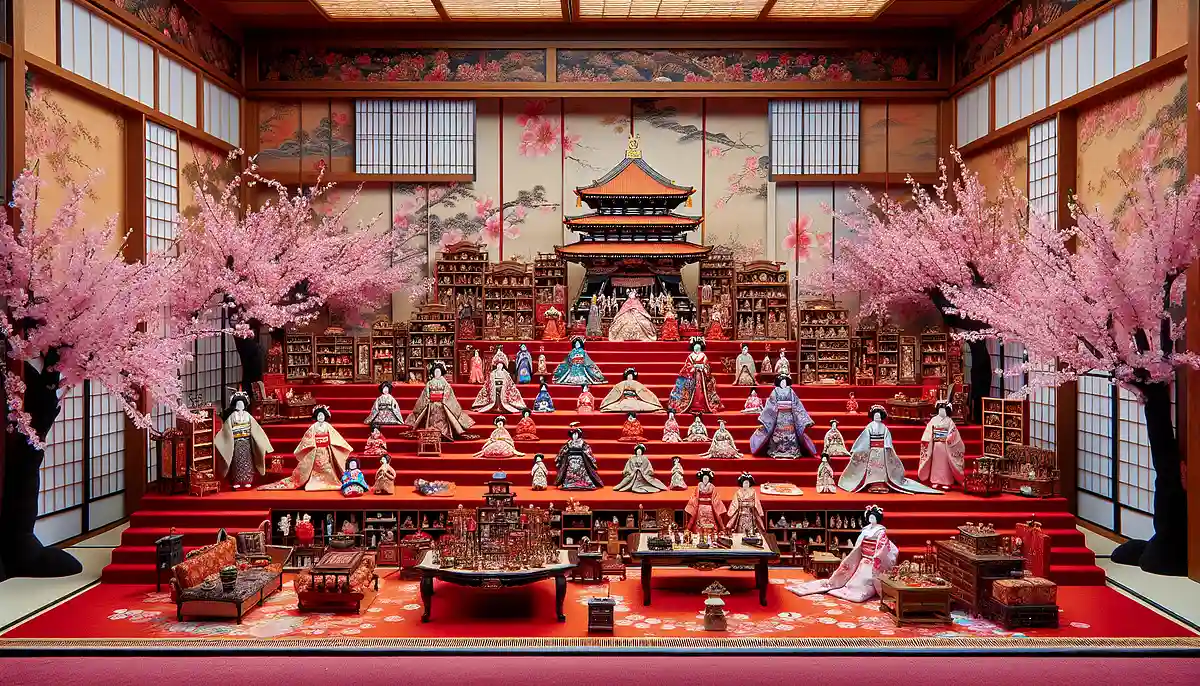
The Hinamatsuri we know today is a festival to pray for the health and growth of girls, right? Because it’s a long-standing part of Japanese culture, it’s probably familiar to many older people as well.
However, it originally had a different meaning.
The Peach Festival is said to have originated from the Shangsi Festival that began in ancient China.
The Shangsi Festival celebrated the arrival of spring and involved prayers for good health and safety; it was not specifically a celebration for girls.
People also purified themselves by entering rivers.
This practice stems from the belief that seasonal transitions allow harmful influences to enter the body and make one more prone to illness.
In Japan, the custom evolved into sending dolls down the river as substitutes, and eventually into displaying hina dolls.

Easter quiz

Also known as Easter, the holiday that celebrates the resurrection of Jesus Christ may not be so widespread in Japan, where many people are Buddhist.
Here is a spring-themed quiz that can deepen your knowledge of Easter.
You can learn things like how the Easter season can last as long as 90 days, and how the rabbit used as an Easter symbol represents fertility.
Let’s use this quiz to become more familiar with Easter.
Gaining new knowledge is a lot of fun, isn’t it?

If you give marshmallows in return on White Day, it means “I don’t like you.”
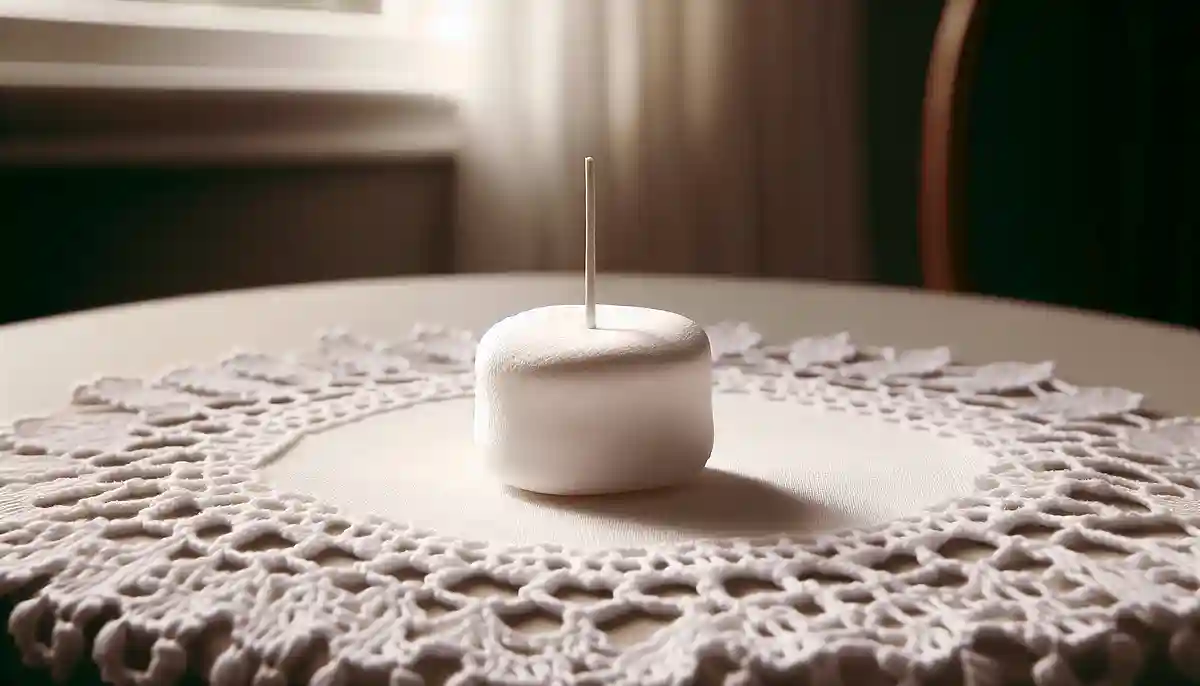
Did you know that giving marshmallows in return on White Day can mean “I don’t like you”? Because marshmallows melt in your mouth, they’re said to imply that the relationship won’t last long.
For older adults, this might be a nostalgic topic.
It could also be a chance to reminisce about White Day memories from their youth.
How about bringing up this kind of trivia at day service centers or in long-term care facilities? It might spark a lively exchange of fond memories.
May circles of cheerful conversation spread with the arrival of spring.
White Day originated in Japan.
Do you know White Day? It’s the day when men give gifts to women in return for Valentine’s Day, right? In fact, it originated in Japan.
Some say it was established in 1978 by the National Confectionery Industry Association, while others say it began when Ishimura Manseido started selling marshmallows—there are various theories.
Like Valentine’s Day, it spread as a commercial event.
Since it’s a rare custom globally, you could call it a uniquely Japanese culture.
How about enjoying a conversation about White Day while feeling the arrival of spring?
Saitama Prefecture has the largest hina display in Japan.
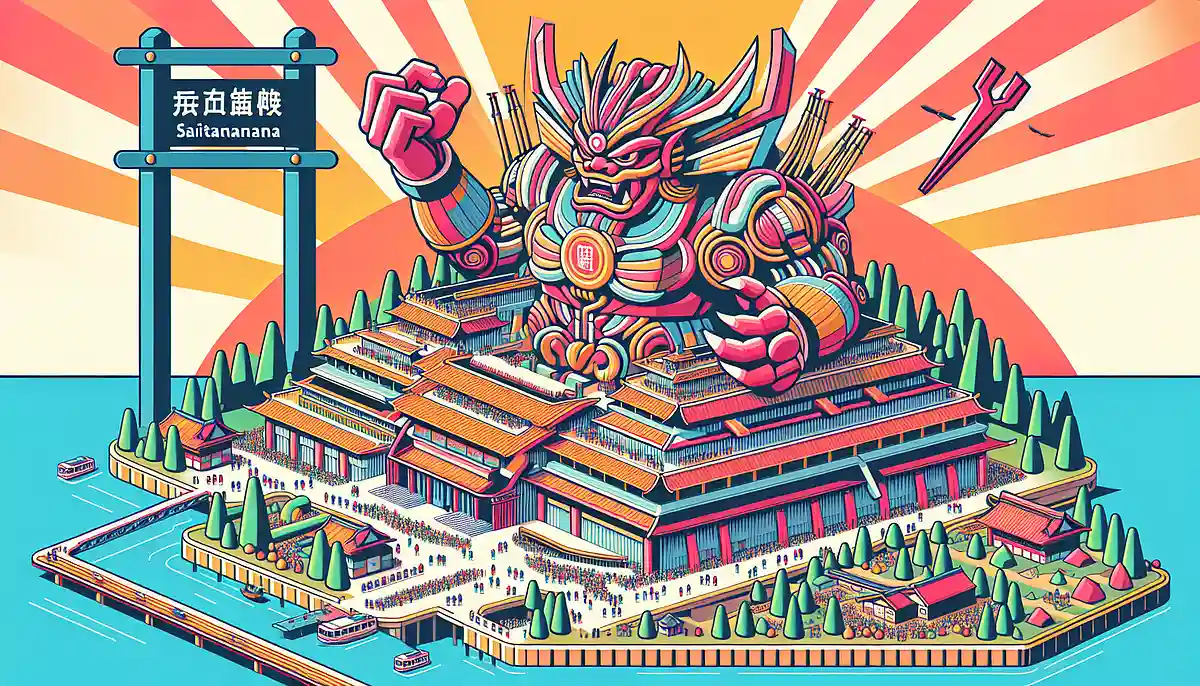
Have you heard of the “Bikkuri Hina Matsuri” in Kōnosu City, Saitama Prefecture? Believe it or not, it features the tallest hina-doll tiered display in Japan.
It stands 7 meters high with 31 tiers—amazing, right? Kōnosu is a production center for hina dolls with a 400-year history.
The sight of countless hina dolls showcasing the artisans’ skills is truly breathtaking.
There are also events throughout the city where hina dolls are displayed, and many people enjoy them.
The Hina Festival in Kōnosu, where tradition and craftsmanship live on, is a wonderful celebration that lets you feel the arrival of spring.
[For Seniors] Introducing March Trivia! (21–30)
Hinamatsuri in Japan began in the Heian period.
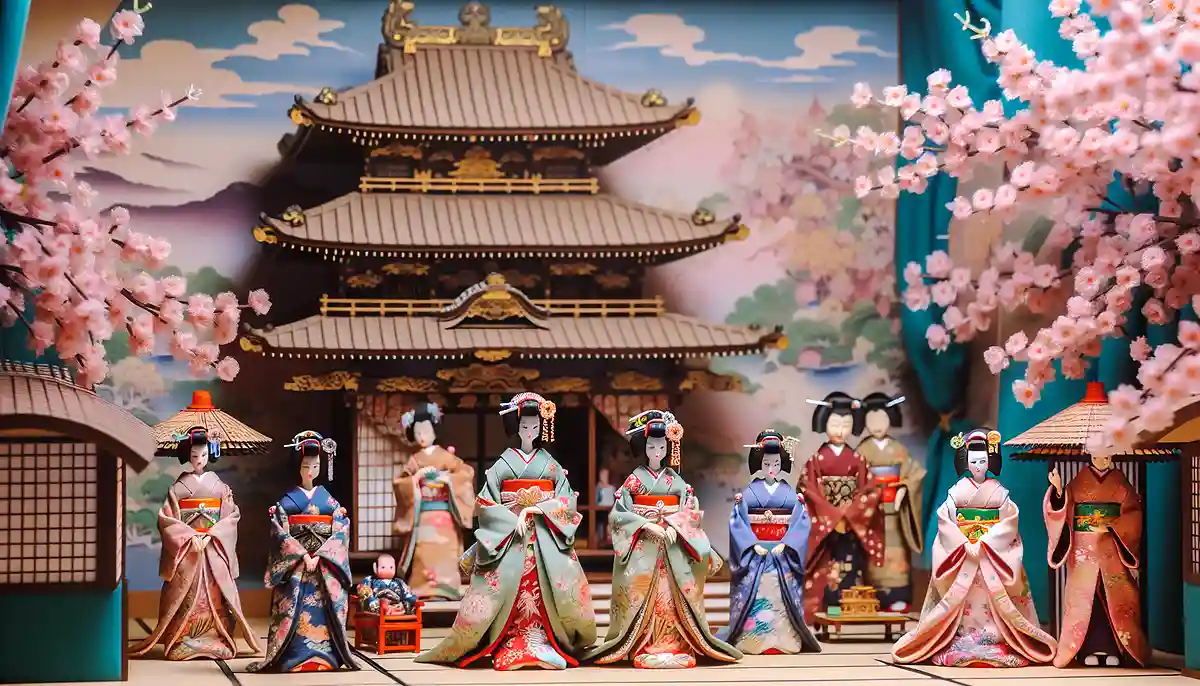
Some elderly people may feel their hearts lift at the facility’s decorations, such as the soft pinks of the Peach Festival, don’t you think? The Hinamatsuri, a traditional Japanese event—do you know when it began? It is said to have started in the Heian period, around 1,000 years ago.
Originally, it was a purification ritual held on the Day of the Snake in March to pray for health and safety.
From there, it merged with “hiina-asobi,” a paper-doll play popular among court ladies and children, and became what we now call Hinamatsuri.
Later, during the Edo period, it came to be celebrated as a “festival for girls.” Sharing these tidbits about Hinamatsuri may help elderly people feel the arrival of spring.