

[For Seniors] Introducing March Trivia!

March gradually ushers in spring, and while the sunshine grows warmer, mornings and evenings can still be quite chilly.
It’s a season to look after your health while eagerly awaiting the full arrival of spring.
You might still feel like staying indoors.
However, if you stay inside all the time, some of you may feel like you’ve got nothing to talk about with others.
This time, we’ll introduce some trivia about March.
It’s full of seasonal topics and practical knowledge for daily life—perfect conversation starters.
By all means, feel free to make use of them at day-service centers and long-term care facilities as well.
- [For Seniors] Introducing March Trivia!
- How much do you know? Trivia quiz for seniors that’s full of surprisingly unknown facts
- [For Seniors] Haiku for March: Enjoying a Spring Moment with Famous Verses
- Spring Event Quiz for Seniors to Enjoy in March
- [For Seniors] Never Run Out of Conversation Starters! A Collection of Fun Facts About April and Spring
- [For Seniors] Making a March Calendar: Introducing Spring-Themed Motifs and Arrangements
- [For Seniors] Hina Matsuri (Girls’ Day) Trivia Quiz & Fun Facts. Recommended for Dementia Prevention Activities
- [For Seniors] Fun Food Trivia Quizzes You'll Want to Share
- [March Health Topic] Introducing Recreational Activities for Seniors!
- [For Seniors] Trivia Multiple-Choice Quiz
- [For Seniors] Spring-themed quizzes: Fun trivia questions that help prevent dementia while you solve them
- [For Seniors] Activities to Enjoy March: Games, Crafts, Music, and Snack Recreation
- [For Seniors] Quizzes related to April. Perfect for brain training.
[For Seniors] Introducing March Trivia! (1–10)
The Japanese bush warbler has the alternate name ‘hanami-bird’ (flower-viewing bird).
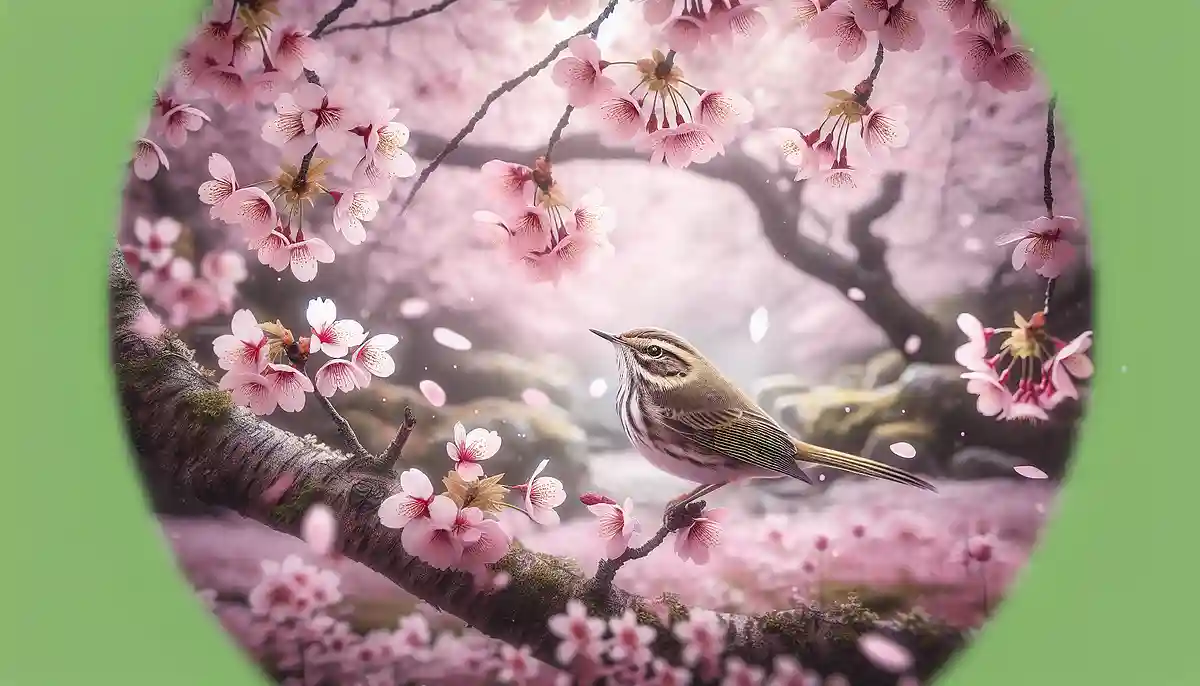
Have you ever heard the beautiful song of the Japanese bush warbler? That soothing voice you hear around the time the plums bloom—did you know it’s also nicknamed the “hanamitori,” the flower-viewing bird? The bush warbler’s call, which heralds the arrival of spring, starts off a bit clumsy but gradually becomes more skillful.
It’s lovely to enjoy that growth, too.
Hearing its song makes you feel the beginning of a new season.
It’s also said to be called the “utayoidori,” the poetry-singing bird.
As spring arrives, why not lend an ear to the bush warbler’s song?
Quiz in a spring field

Because plants grow differently depending on the season, there are of course vegetables that thrive in spring.
This is a quiz where we show photos of such springtime vegetables and have participants guess the name of each vegetable.
As more and more types of produce are available in supermarkets year-round, this can also prompt the realization that certain vegetables are actually in season in spring.
If the answer becomes too obvious just by seeing the vegetable itself, another recommended approach is to use photos of the flowers before the vegetables have formed and have participants guess from those.

Strawberries are actually vegetables.
When I was a kid, every summer there was that rumor going around like “watermelon isn’t a fruit, it’s a vegetable.” Looking back, it’s kind of cute and charming how it came up year after year.
Come to think of it, strawberries are also classified as vegetables by Japan’s Ministry of Agriculture, Forestry and Fisheries.
It feels odd to call something that sweet and delicious a vegetable, doesn’t it? Surprisingly, bananas and pineapples are also categorized as vegetables.
That said, these are nowadays sometimes referred to as “fruit-type vegetables,” and are treated a bit differently from ordinary vegetables.
If it’s a sweet, tasty fruit, I just want to call them all fruit already.
[For Seniors] Introducing March Trivia! (11–20)
Not only the first spring storm exists, but there are also the second and third.

Personally, I have the impression that strong gusts often blow in spring—how about you? The so-called “haru-ichiban” is something I vaguely think of as “a strong wind that blows in spring,” but borrowing the Japan Meteorological Agency’s wording, it’s defined as “a warm, somewhat strong southerly wind observed over a wide area between the beginning of spring (Risshun) and the spring equinox.” In fact, this haru-ichiban is sometimes followed by what people call haru-niban, haru-sanban, and so on.
However, these aren’t official JMA terms; they’re more at the level of expressions used on news programs.
I mean, if someone said “haru-gojuuban (spring number 50),” you’d be like… really?
A single strawberry has 200 seeds.
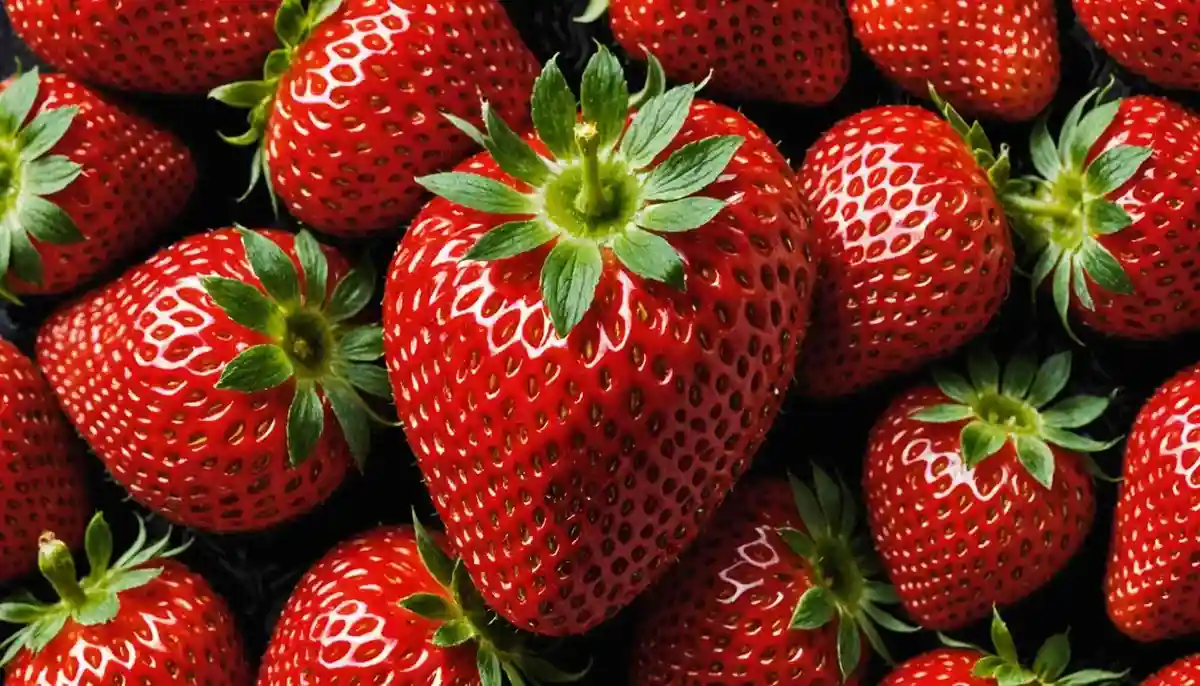
When we think of fruits that symbolize spring, strawberries are one of them.
Take a bite of a strawberry and you’ll notice its juicy flesh and sweet-tart flavor.
Do you also feel the little bumps in your mouth? Many people might think, “Are those seeds?” but it turns out they’re not.
In fact, those bumps are the actual fruits, and the seeds are inside them.
It’s said that a single strawberry has about 200 to 300 of these bumps.
That means the sweet-and-tart part we usually eat is what’s called an aggregate fruit, made up of 200 to 300 tiny fruits.
Strawberries may also be used for spring snack-time activities with seniors.
Sharing these fun strawberry facts could make those snack sessions even more enjoyable.

It takes five months to make katsuobushi from skipjack tuna that are in season in March.
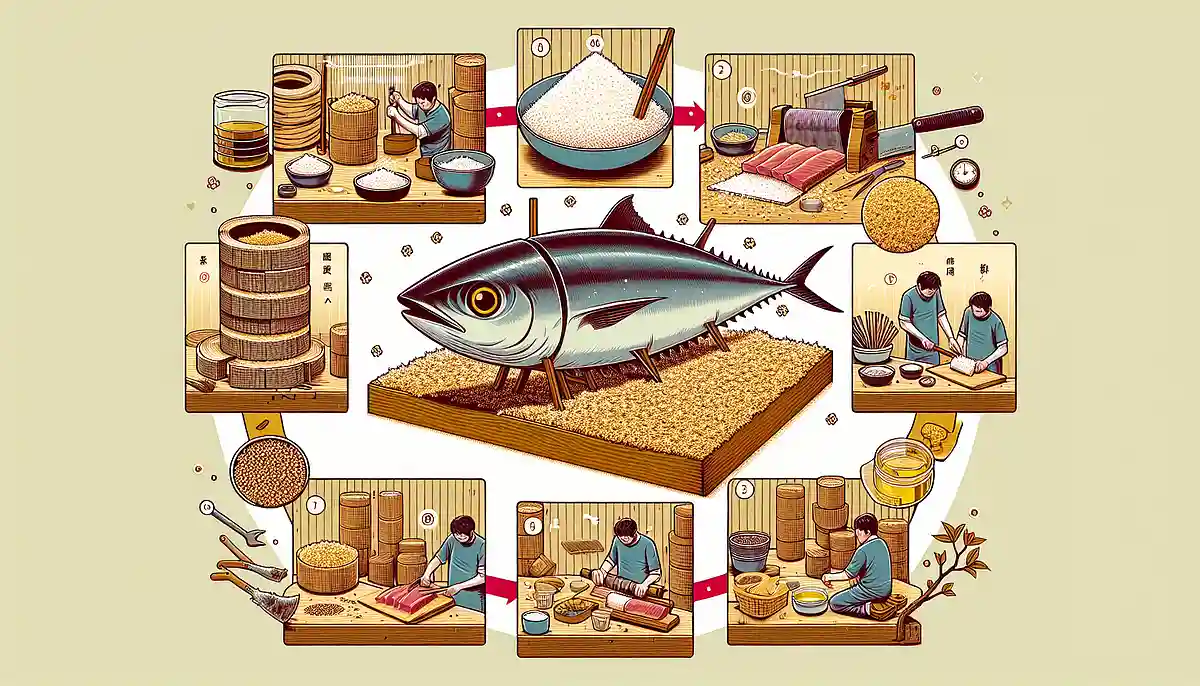
The story of katsuobushi made from skipjack tuna is truly fascinating.
It’s enjoyable to talk about Japan’s traditional food culture while feeling the season’s bounty.
Katsuobushi is crafted with care over as long as five months.
Its deep flavor and aroma are like treasures born from the artisans’ skills.
We use katsuobushi casually in everyday life, but knowing how much time and effort goes into making it makes us even more attached to it.
Next time you use katsuobushi in your cooking, why not take a moment to fully appreciate its flavor?
Hina-arare carries the meaning of a prayer for good health.

In spring, many facilities probably put up decorations for Hinamatsuri, the Doll’s Festival.
Some older adults may also display Hina dolls at home for their grandchildren.
The offering that accompanies the Hina dolls, called hina-arare (sweet rice puffs), carries wishes and meanings.
The four basic colors—pink, green, yellow, and white—are said to represent the four seasons.
Pink stands for spring when flowers are in full bloom; green for summer with fresh greenery; yellow for autumn with its foliage; and white for winter with snow.
These four colors embody the hope that girls will grow up healthy throughout the entire year.
Incidentally, three-colored hina-arare are said to express the wish to receive the energy of nature.