

[For Seniors] Introducing Local Quizzes from Mie Prefecture!

As we get older, we may begin to feel our brains slowing down.
Among seniors, about one in five people aged 65 and over has dementia, meaning many older adults are affected.
In such times, recalling things related to the area where you lived can provide very good stimulation.
This time, we present a trivia quiz themed around Mie Prefecture.
There are many questions about traditional crafts and local dialects.
Older adults who lived in Mie Prefecture will likely be able to approach the questions with a childlike sense of fun.
Please use this article as a reference and try Mie-related quizzes as a recreational activity!
- [For Seniors] Brain Training with Ehime Prefecture Local Quizzes! Enjoy Rediscovering the Region’s Charms
- [For Seniors] Fun Multiple-Choice Geography Quiz for Everyone (3 Options)
- [For Elementary School Students] Fun and Effective Prefecture Quiz
- [For Seniors] Recommended Trivia Quizzes & Fun Facts for November
- [Kyoto Prefecture Local Quiz] Introducing recommended questions for seniors!
- [For Seniors] Enjoyable Brain Training! Liven Up with a Local Three-Choice Quiz
- [Nara Prefecture Local Quiz] Introducing a multiple-choice quiz for seniors (three options)!
- For Seniors: Shiga Prefecture Local Quiz – Learn About Famous Tourist Spots and Regional Cuisine
- [For Seniors] How many can you answer? Introducing a local quiz about Shizuoka Prefecture
- [Gifu Prefecture] Local Quiz! For Seniors
- [For Seniors] Miyagi Prefecture Local Quiz: Brain training with questions on local cuisine, sightseeing spots, and notable figures
- [For Seniors] Wakayama Prefecture Local Quiz! A Collection of Easy, Exciting Questions
- [Guess the Country] For Seniors! Introducing a 3-Option Quiz
[For Seniors] Introducing Local Quizzes from Mie Prefecture! (1–10)
What is the name of the alley created in 1993 by Akafuku, a long-established confectionery in Mie Prefecture?
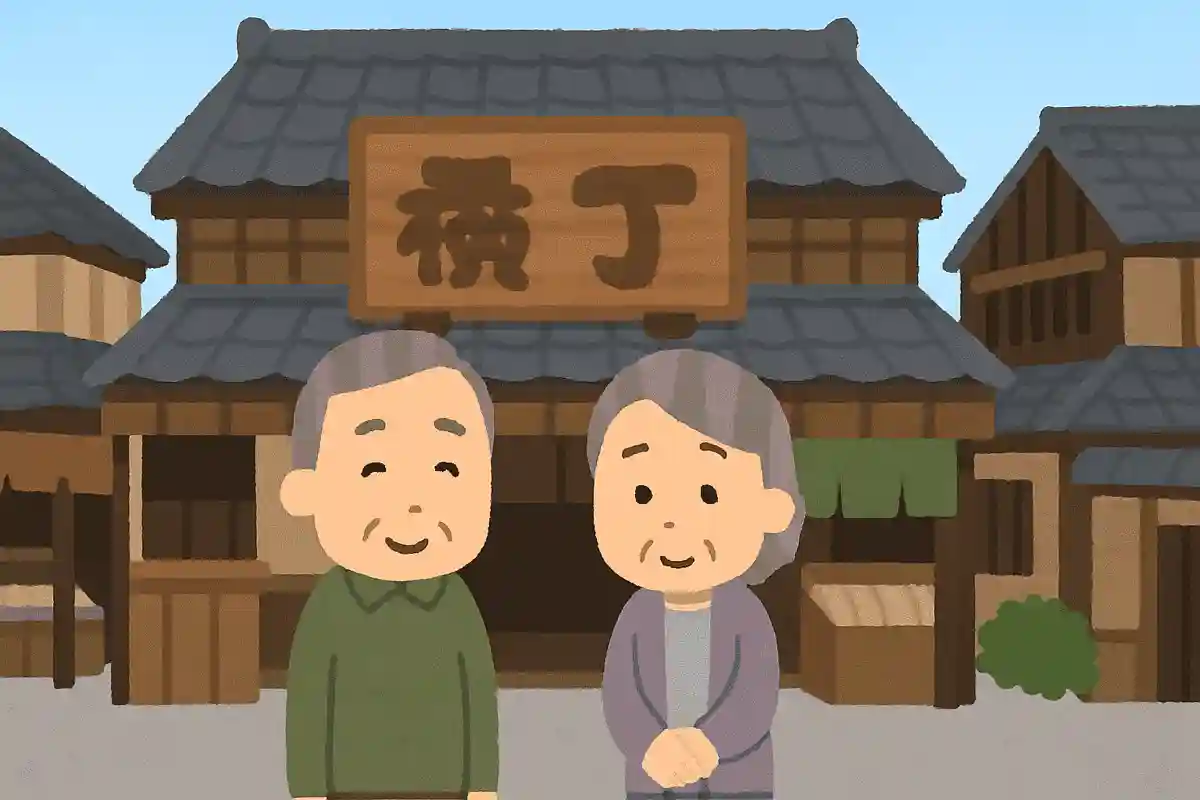
- Okage Yokocho
- Kitamae Yokocho
- Harmonica Alley
See the answer
Okage Yokocho
In Okage Yokocho, around 50 shops line the street, offering Ise specialties for snacking on the go—such as Ise udon, Matsusaka beef, and Akafuku mochi—as well as stores selling souvenirs and goods from Ise Grand Shrine.
Which of the following foods originated in Mie Prefecture?
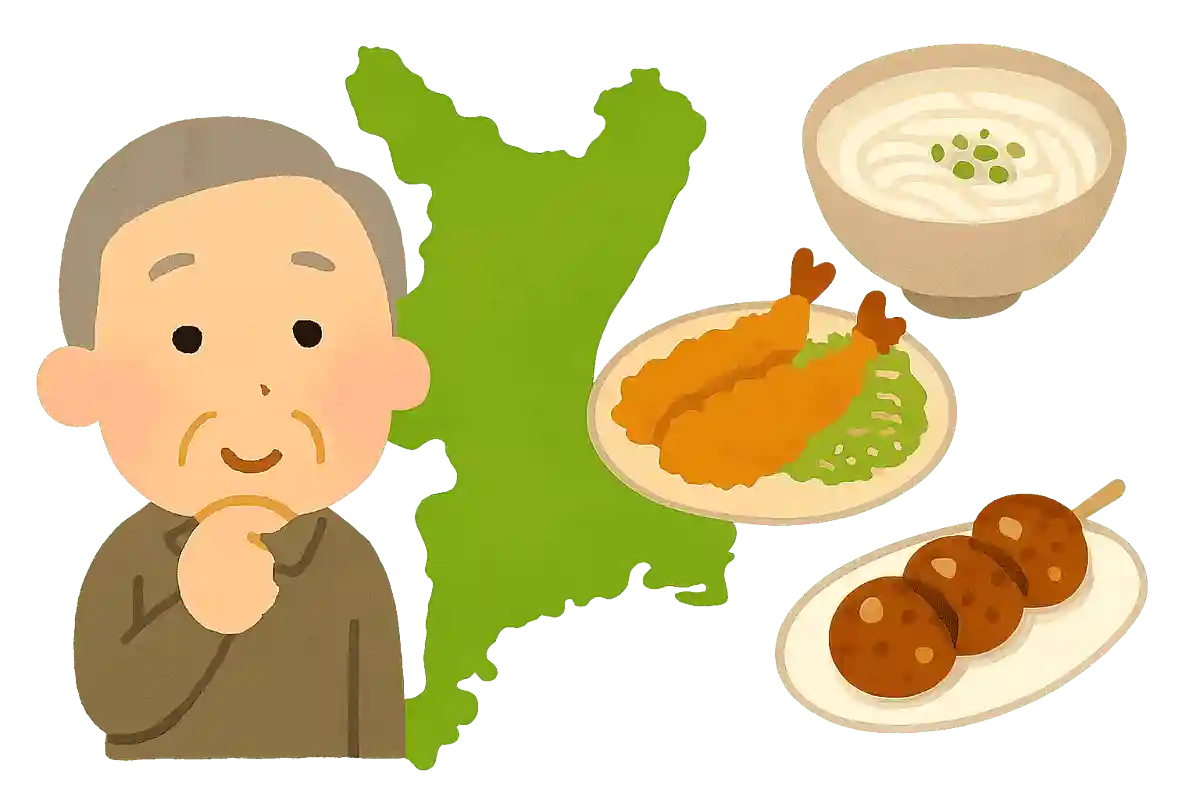
- takoyaki
- Isobeyaki (grilled rice cakes with nori and soy sauce)
- taiyaki (a fish-shaped cake filled with sweet red bean paste or other fillings)
See the answer
taiyaki (a fish-shaped cake filled with sweet red bean paste or other fillings)
Taiyaki is said to have originated in the Meiji era, based on imagawayaki. It is believed to have originated at Hinode Shokudo in Tsu City, Mie Prefecture.
Mie Prefecture ranks first in Japan for a certain population. What is it?
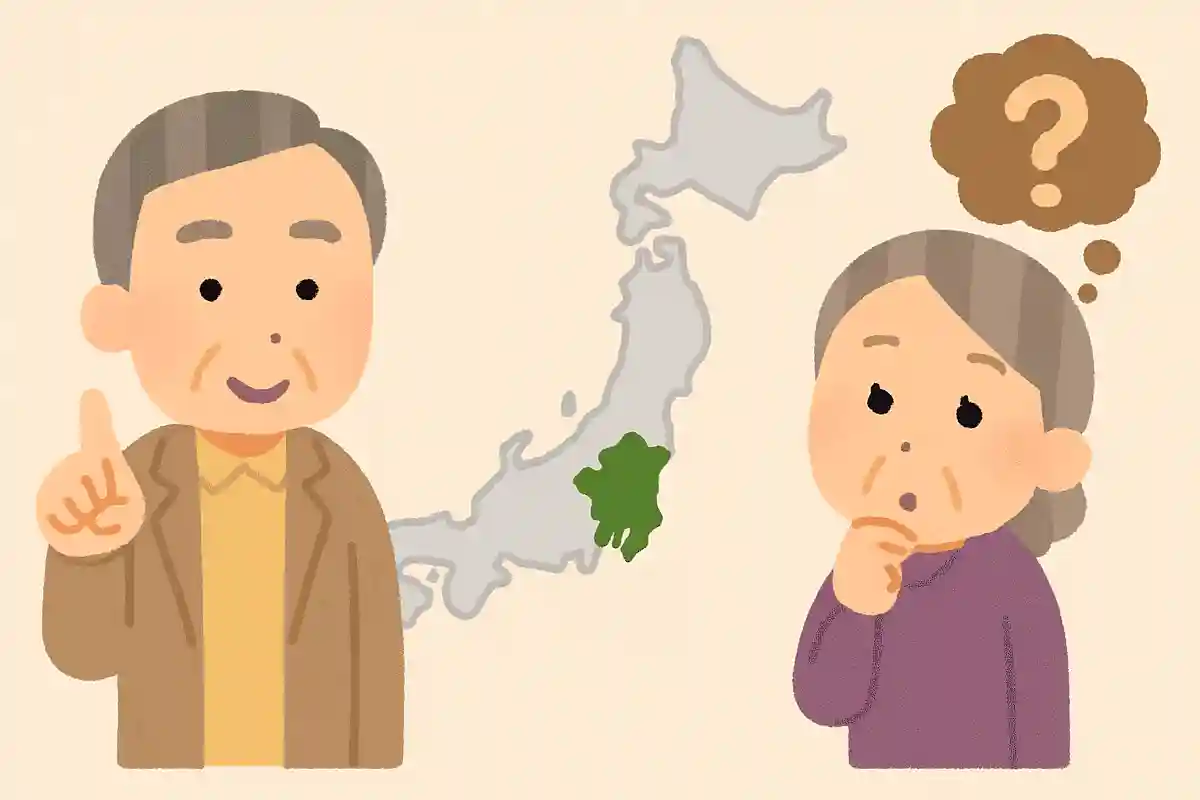
- shrine maiden
- scholar
- female diver; traditional Japanese woman free-diver (ama)
See the answer
female diver; traditional Japanese woman free-diver (ama)
As of 2020, the number of ama divers in Japan is estimated at about 2,000, roughly 1,000 of whom live in Toba and Shima in Mie Prefecture.
[For Seniors] Introducing Mie Prefecture’s Local Quiz! (11–20)
Mie Prefecture is number one in Japan for the aquaculture of a certain product. What is it?
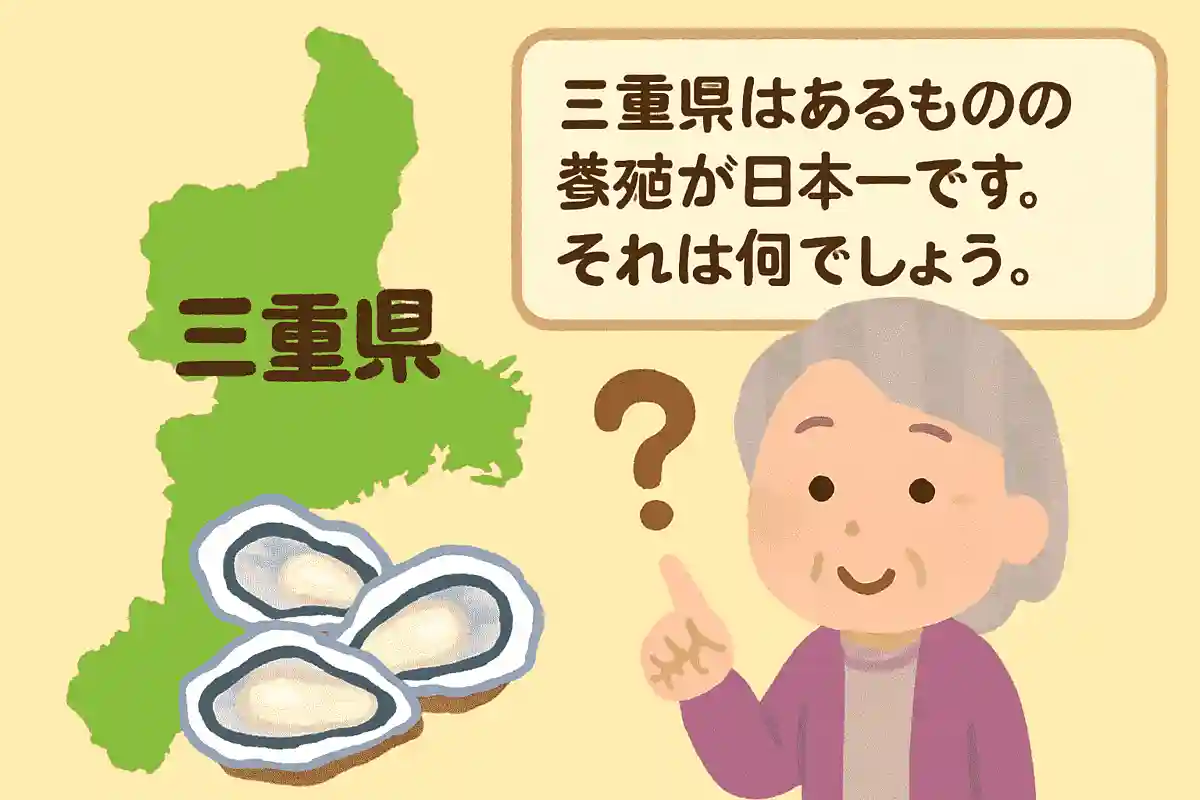
- clam (hamaguri)
- pearl
- tuna
See the answer
pearl
Mie Prefecture is said to be suitable for pearl cultivation because the sea temperature is appropriate and plankton is abundant. As for aquaculture, clams (hamaguri) are the top in Japan in Ibaraki Prefecture, and tuna in Nagasaki Prefecture.
What are the raw materials of Iga kumihimo, a traditional craft of Mie Prefecture?

- silk
- cotton
- hemp
See the answer
silk
Iga kumihimo is a traditional braided cord produced in Iga City, Mie Prefecture. Using silk threads and gold and silver threads, artisans braid them into delicate cords on traditional looms such as the square stand, round stand, tall stand, and ayatake stand.
Which of the following is the name of a famous amusement park in Mie Prefecture?
- Universal Studios Japan
- Nagashima Spa Land
- Hirakata Park
See the answer
Nagashima Spa Land
Nagashima Spa Land is an amusement park located in Kuwana City, Mie Prefecture. It opened in 1966 and is now one of the largest amusement parks in Japan, attracting great popularity. Nagashima Spa Land features around 80 attractions, including thrill rides, family-friendly attractions, and water slides.
Which of the following is the closed season for the Mie Prefecture specialty, the “Ise-ebi” (spiny lobster)?
- January
- March
- May
See the answer
May
The closed season for spiny lobster varies by region, but it is generally from May to September. This period coincides with the spawning season and is implemented to protect the resource.