

Introducing old-fashioned words that are useful for conversations with elderly people!

When working in care-related facilities, you may sometimes find it hard to understand what older adults are saying.
Words that have fallen out of use over time are sometimes called “elderly language.”
Some of you may want to learn the meanings of these old terms to communicate more smoothly with seniors.
Here, we’ll introduce several examples of elderly language that you can use in care settings.
These are all things still familiar today, so you can use them right away in everyday conversation.
Please make good use of them in your conversations to help older adults feel a sense of closeness!
- Words useful for conversations with elderly people. Words that were used in the past.
- Introducing words that will delight elderly people
- Conversations Made Easy! A Collection of Topics That Elderly People Enjoy
- [For Seniors] How many can you read? A comprehensive showcase of difficult food kanji
- [For Seniors] Uplifting Words That Comfort the Heart
- [For Seniors] 3-Choice Dialect Quiz! A Collection of Fun Dialect Quizzes from Around Japan
- [For Seniors] Lively Wordplay Game: Fun Recreation for Elderly Care
- Things that have changed between the past and now. Is it really this different?
- Fun, engaging topics for conversations with older adults!
- [For Seniors] Fun and Informative! Trivia and Quizzes Introduced
- [For Seniors] A Brain-Training, Crowd-Pleasing Word Search Game
- [For seniors] Dice talk: engaging prompts
- [For Seniors] Perfect Brain Training! Fun Trivia
Introducing old-fashioned words that are useful for conversations with the elderly! (11–20)
couple
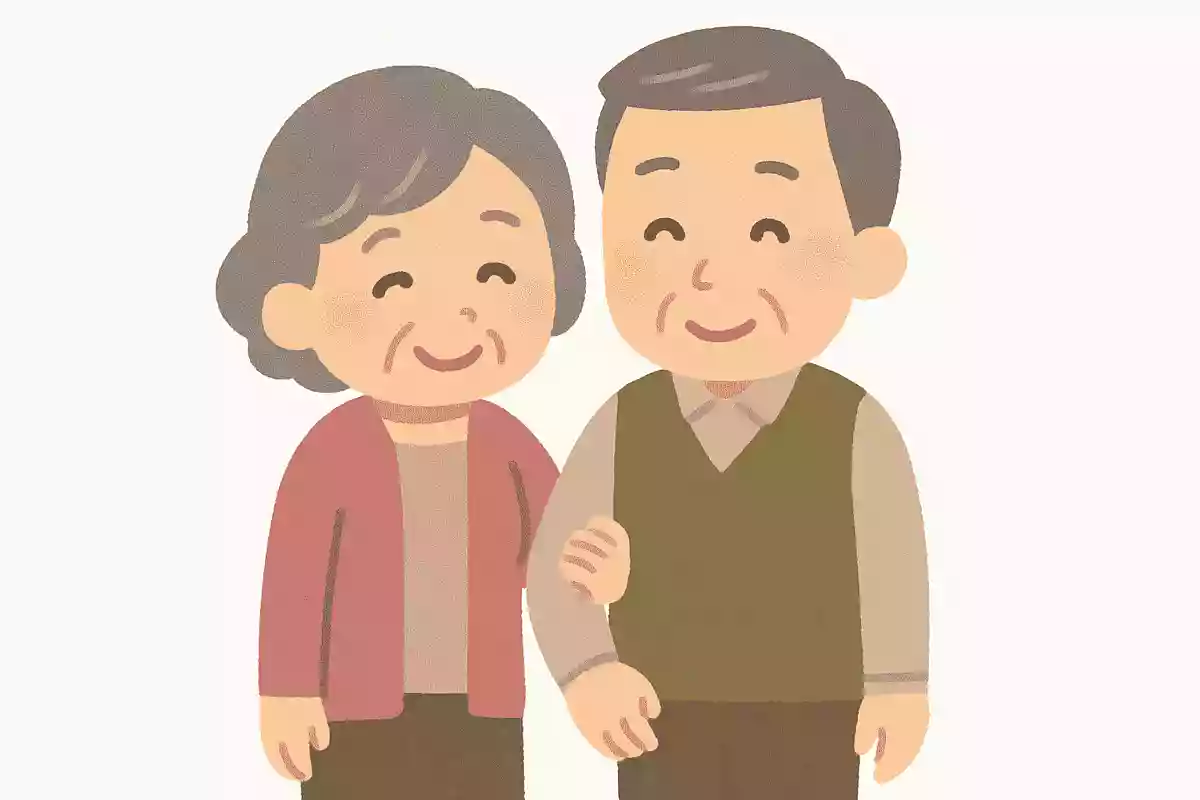
Wasn’t the word “avec” commonly used in TV and newspapers during the Showa era? Up until around the time the bubble economy burst, it was used to refer to a man and woman together, like “a couple” or “sweethearts.” It’s similar to the modern word “couple,” but “avec” is said to describe a present situation.
“Couple,” on the other hand, can be used for the past, present, or future.
It’s said to come from French and to have entered Japanese in the Taisho period.
When older people use the word “avec,” it feels rather endearing, doesn’t it?

What kind of work were you doing?

This is a conversation theme that brings on a wave of nostalgia as you share the work experiences you’ve built up over many years.
Because work takes up such a large part of our lives, the memories attached to it run deep.
People will likely talk about moments when they felt a sense of fulfillment, times they overcame difficulties, and memories with coworkers.
If someone has worked in the same field, you’ll find common ground; if they’ve done something different, you’ll think, “I didn’t know there was a job like that,” and become curious.
It’s also a great idea to talk about how your appreciation for work changes after retirement.
By sharing your own experiences, you get to know each other’s values, and it can turn into a lively, enjoyable conversation.

In conclusion
Old-fashioned words used by the elderly have gradually fallen out of use as times change. However, many of them reflect aspects of Japanese culture and lifestyles that are now fading away. To communicate smoothly with older people, be sure to learn what these old expressions mean!