

Words useful for conversations with elderly people. Words that were used in the past.

Nostalgic old expressions are filled with the scenery and warmth of their time.
When you weave them into conversation, the atmosphere naturally softens and you may feel closer to the other person.
For example, words like “oaiso” or “ikishina.”
Using words we don’t usually use can feel fresh to younger generations and let us share a sense of nostalgia with older people.
This time, we’ll introduce words that were used in the past and can help when talking with seniors.
Some terms may feel unfamiliar, but why not give them a try to brighten the mood and foster communication?
Useful phrases for conversations with the elderly: Words that were used in the past (1–10)
beauty; beautiful woman; very pretty
“Beppin” is written as 別嬪.
There’s a theory that it originally comes from the Kyoto dialect, derived from 別品 (beppin), meaning “an especially fine item.” Today it refers to a beautiful woman or a good-looking person, but it originally referred only to goods.
Later, it came to be used to mean an excellent person.
Interestingly, it wasn’t limited to women at the time—it was also used for men, which is surprising.
Even now, some older people casually say things like, “You’re a beppin-san.”

merchant; trader; shopkeeper
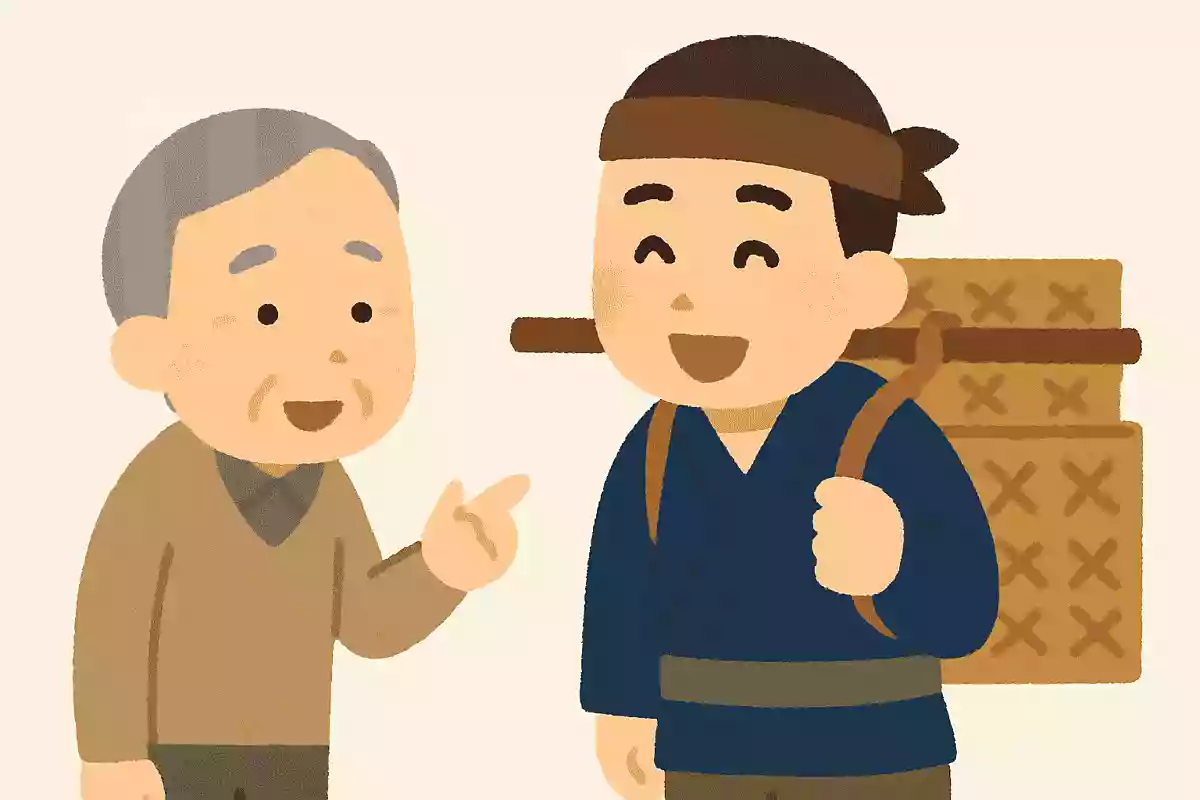
The origin of the word “akindo” is said to come from “selling grain harvested in autumn.” Autumn has long been known as the season of plenty, when grains and crops abound.
Because people did business with the crops harvested in this bountiful autumn, they came to be called “akibito,” which then evolved into “akindo.” So you might hear the word “akindo” from elderly people who used to be in business when they were young.
If you ask them what kind of work they did back in the day, it could blossom into a lively trip down memory lane.
robber; thief (specifically a robber who steals goods)
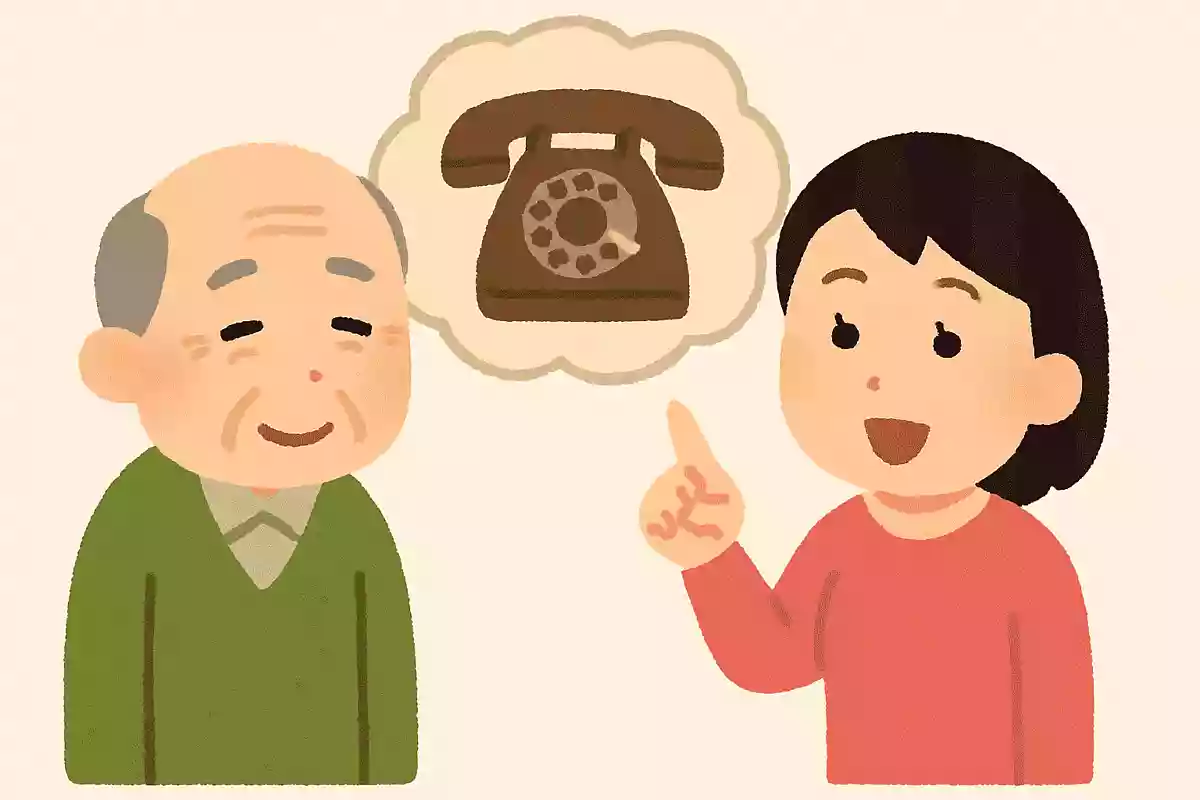
As the name suggests, “mono-tori” refers to stealing items or a thief.
The phrase “mono-tori ni hairareta” means “a thief broke in.” One common delusion seen in older adults with dementia is the “belief that things have been stolen.” If an older person becomes panicked, convinced that their wallet or bankbook has been stolen and says they were “targeted by a thief,” it’s important not to deny their claim outright.
First, listen carefully to what they’re saying and show empathy.
This approach often helps them feel that their story has been heard, which can bring reassurance and calm.
Please keep this response method in mind as a reference.
long johns

“Zubon-shita” refers to men’s underwear worn under trousers.
They are typically form-fitting and extend from the calves down to around the ankles.
Nowadays, there are garments with high heat-retention, such as those lined with fluffy boa fleece on the inside.
When older people feel cold while wearing trousers, they may choose items with insulating linings, or, in the case of women, wear tights.
Men, on the other hand, wear zubon-shita to improve warmth.
In hot weather, they can also provide sweat absorption and breathability.

clothes hanger
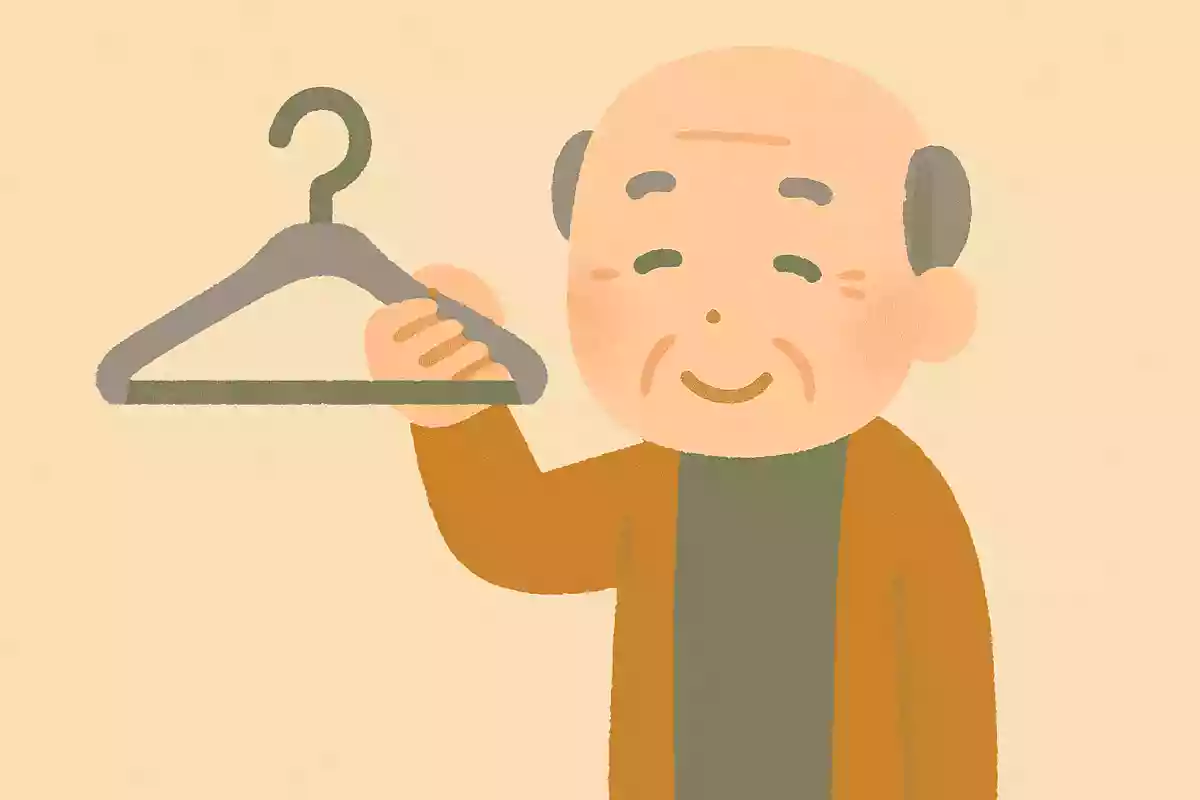
“Emonkake” is a broad term that refers to hangers used for hanging garments.
In the past, when kimono were commonly worn, they looked different from today’s hangers.
Back then, an emonkake involved threading a thin, short rod through the sleeves of the garment and then suspending it by a cord attached to that rod.
Even if you’re unfamiliar with the term, you may have seen one in kimono shops.
Some older people might use the word emonkake with a meaning that differs from the original device used for hanging kimono, but it’s reasonable to interpret it as a hanger for Western-style clothing.
couple

“Avec” entered Japanese in the late Taisho era as a Japanese-made French term, originally meaning “together” in French.
It was used to refer to young men and women in a romantic relationship.
In today’s terms it corresponds to “couple,” but “avec” was a word applied to young people, so expressions like “young avec” were rarely used.
Although it is now almost out of use, in the sports world phrases like “avec home run” (two teammates hitting home runs) and “avec championship” are still used, which can be seen as a return to the original meaning of “together.”

sake bottle
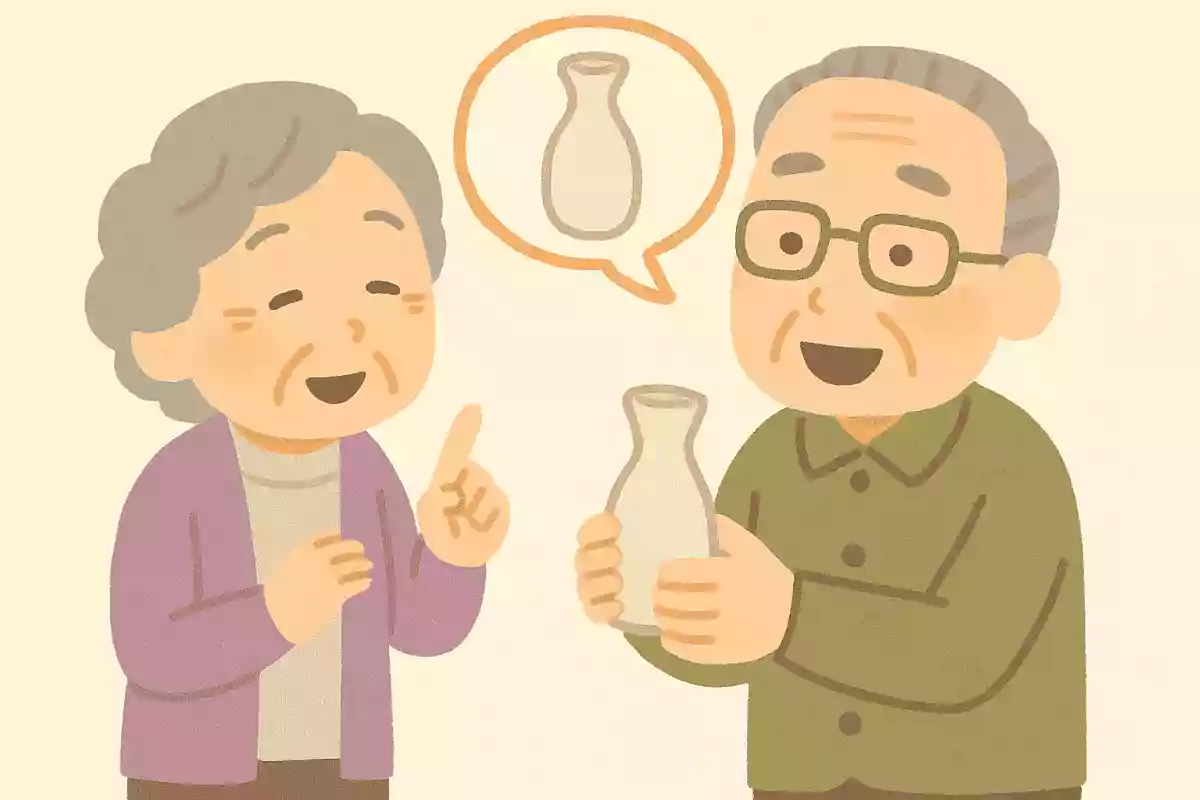
“Tokkuri” refers to clothing with a high neck, i.e., a turtleneck.
The term is said to come from the resemblance between the folded-over collar that covers the neck and the mouth of a sake flask called a “tokkuri.” Before the word “turtleneck” came into common use, “tokkuri” was the mainstream term in Japan.
By the way, “turtleneck” is a word imported from overseas: it uses “turtle,” likening the way a turtle extends its neck from its shell.
Although you may not hear it often nowadays, if an older person says “tokkuri no fuku” or “tokkuri sweater,” remember that they mean a turtleneck.