

Words useful for conversations with elderly people. Words that were used in the past.

Nostalgic old expressions are filled with the scenery and warmth of their time.
When you weave them into conversation, the atmosphere naturally softens and you may feel closer to the other person.
For example, words like “oaiso” or “ikishina.”
Using words we don’t usually use can feel fresh to younger generations and let us share a sense of nostalgia with older people.
This time, we’ll introduce words that were used in the past and can help when talking with seniors.
Some terms may feel unfamiliar, but why not give them a try to brighten the mood and foster communication?
- Things that have changed between the past and now. Is it really this different?
- Introducing words that will delight elderly people
- Introducing old-fashioned words that are useful for conversations with elderly people!
- [For Seniors] Uplifting Words That Comfort the Heart
- For seniors: Fun shiritori—enjoyable and easy to play
- [For Seniors] Lively Wordplay Game: Fun Recreation for Elderly Care
- Fun, engaging topics for conversations with older adults!
- [For Seniors] Nostalgic! Showa-Era Quizzes Recommended for Reminiscence Therapy
- Conversations Made Easy! A Collection of Topics That Elderly People Enjoy
- [For Seniors] Enjoyable Brain Training! Proverb Quiz Collection
- [For Older Adults] Games to Enhance Oral Function: Enjoyable and Easy to Do
- [For Seniors] Fun and Exciting! Difficult Kanji Quiz
- [For Seniors] That phrase too! A fun 3-choice abbreviation quiz
Useful phrases for conversations with the elderly: Words that were used in the past (1–10)
to crash into bed; to conk out; to drop dead tired (onomatopoeic slang for collapsing from exhaustion)
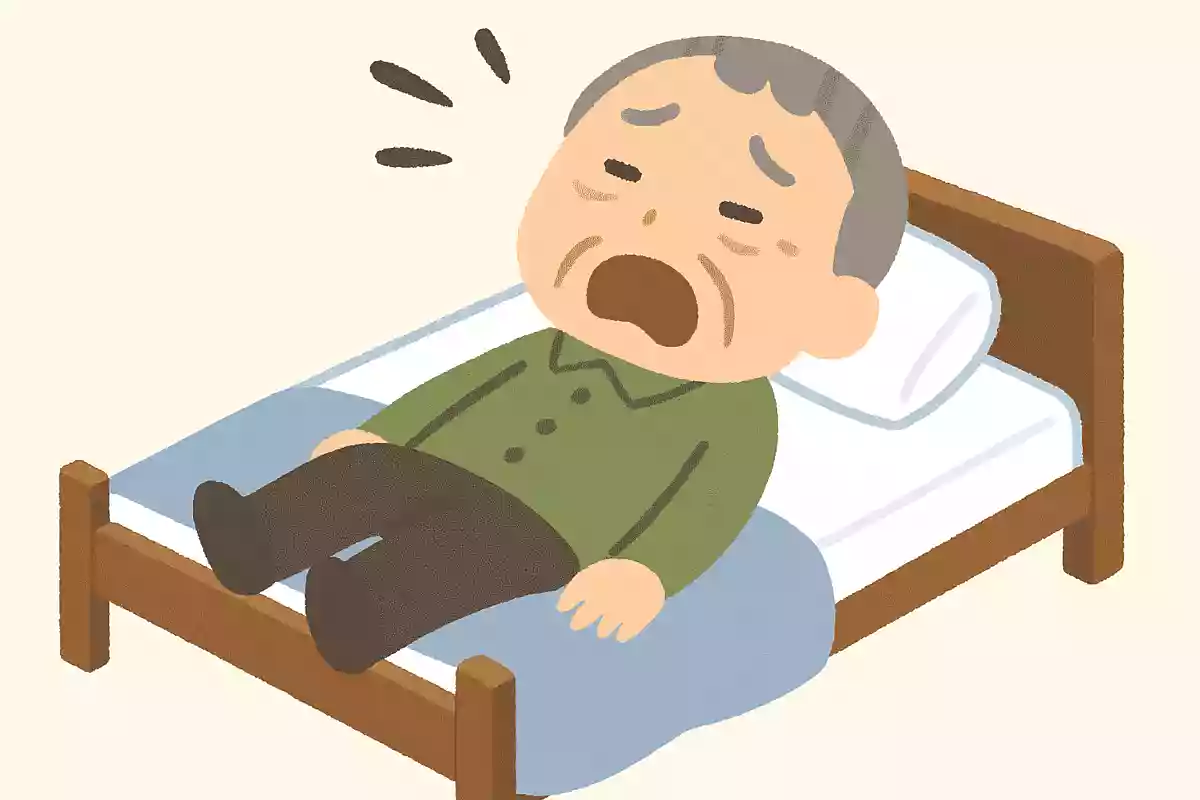
How do you all describe collapsing from exhaustion? Some older people might say “batan-kyū.” You’d use it like: after crawling into bed tired, it’s batan-kyū.
It’s easy to imagine “batan” representing the thud when you fall over.
As for the curious origin of “kyū,” some say it’s the sound you make as you collapse.
There’s also a famous video game where, when the protagonist loses, the words “batan-kyū” appear on the screen.
Little tidbits like this can really liven up conversations with older folks.

this life
"Konjō (今生)" means "in this life," referring to the period we are alive in this world.
反意語は「後生(ごしょう)」で、死後の来世や再生を指します。
Common phrases include “konjō no wakare” (a parting in this life) and “konjō no omoide” (memories of this life).
“Konjō no wakare” signifies a farewell so final that you will never meet again in this world, often implying a parting by death.
Because konjō carries a weighty meaning of ‘during one’s time in this world,’ it isn’t suited to casual or frequent use.
It’s a term to remember for important occasions when you want to convey gravity.

privy (outhouse, toilet)
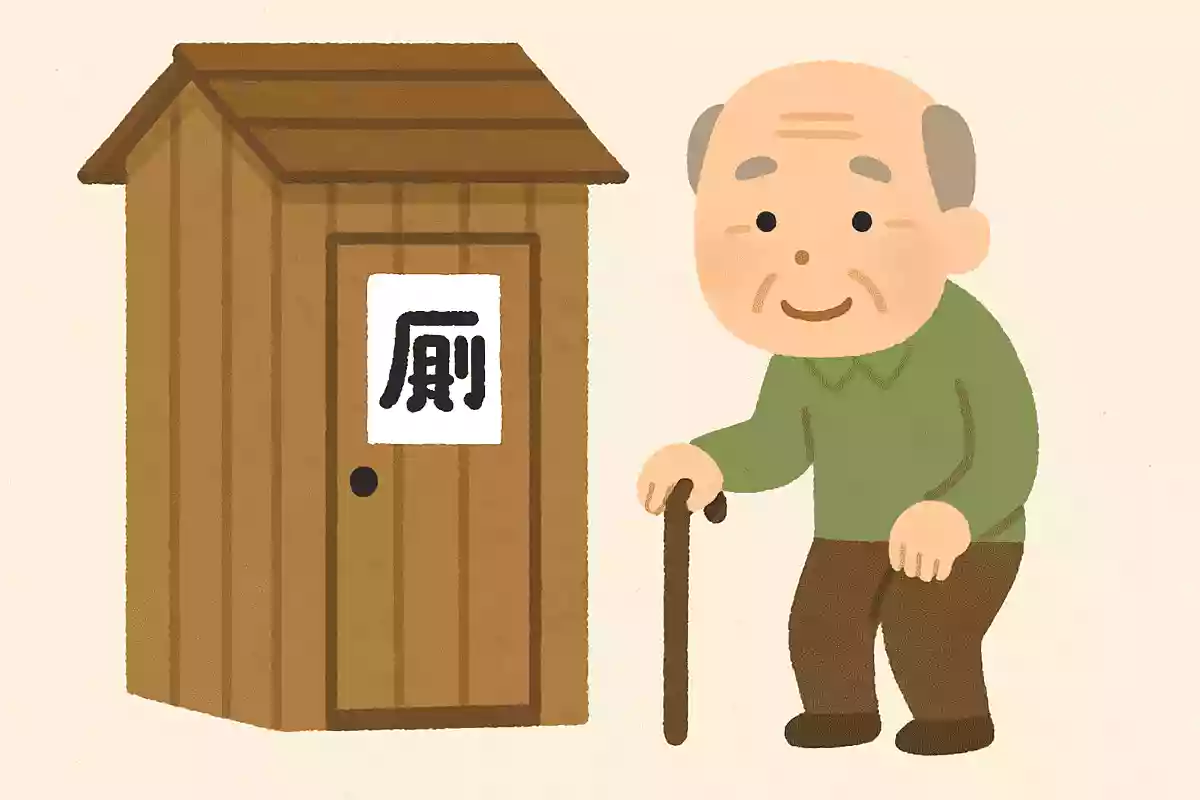
The term “kawaya” is often heard in period dramas, so even younger people may be familiar with it.
Kawaya refers to what we now call a toilet, and according to a Heian-period dictionary, it was described as “a defiled place,” indicating it has long been regarded as dirty.
Common practices included building a structure over a river and letting waste flow directly into it, or using wooden chamber pots and disposing of the contents each time.
In either case, these facilities were not located at the center of the home but were set apart or placed outdoors.
Since there are still houses in some regions today with outdoor toilets, this topic could be a good conversation starter when speaking with older people.

Useful phrases for conversations with elderly people. Words that were used in the past (11–20)
notebook
Because the term “chōmen” is still heard today, many in the younger generation are likely familiar with it.
A chōmen is a booklet made by binding together sheets of paper for writing with pens or other implements—in other words, what we now call a notebook.
Today, “notebook” generally refers to a booklet used for studying or keeping a diary, but the term chōmen that’s still used nowadays often refers specifically to account books that record transactions and monetary matters in business.
If an older person tells you, “Chōmen totte” (literally, “Get the chōmen”), it’s reasonable to interpret it as “Get the notebook.”
to pass away; to die; (Buddhist) to attain rebirth in the Pure Land; (colloquial) to be at a loss / be in a bind
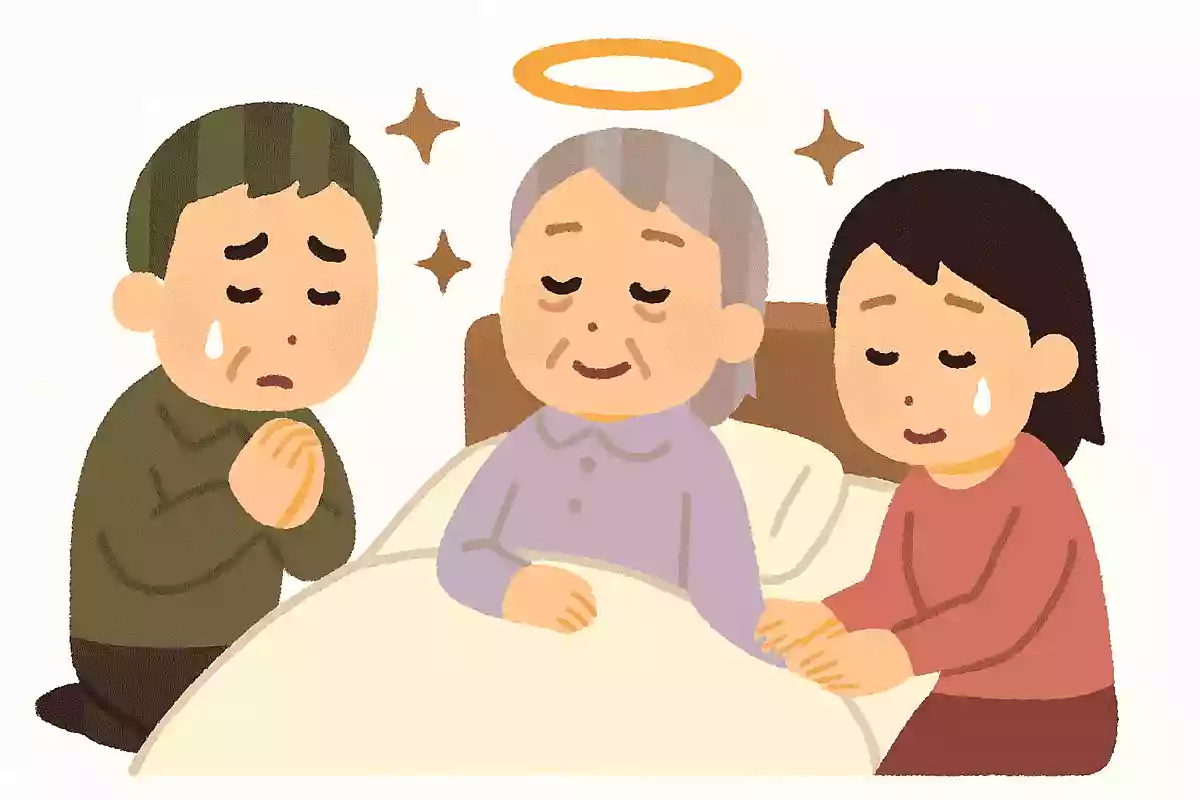
The word “ōjō suru” may not be very familiar to younger generations, but you might have heard the phrase “ōjōgiwa ga warui” (“not knowing when to quit”).
Ōjō suru means “to be at one’s wits’ end” or “to be in a bind.” Originally, it was a Buddhist term meaning to die or to be reborn in the Pure Land.
When an older person says something like “nakanaka ōjō suru wa” in conversation, it’s often used to mean “things just aren’t going as I want and it’s causing me trouble.”
recklessly; desperately; headlong (doing something with abandon)
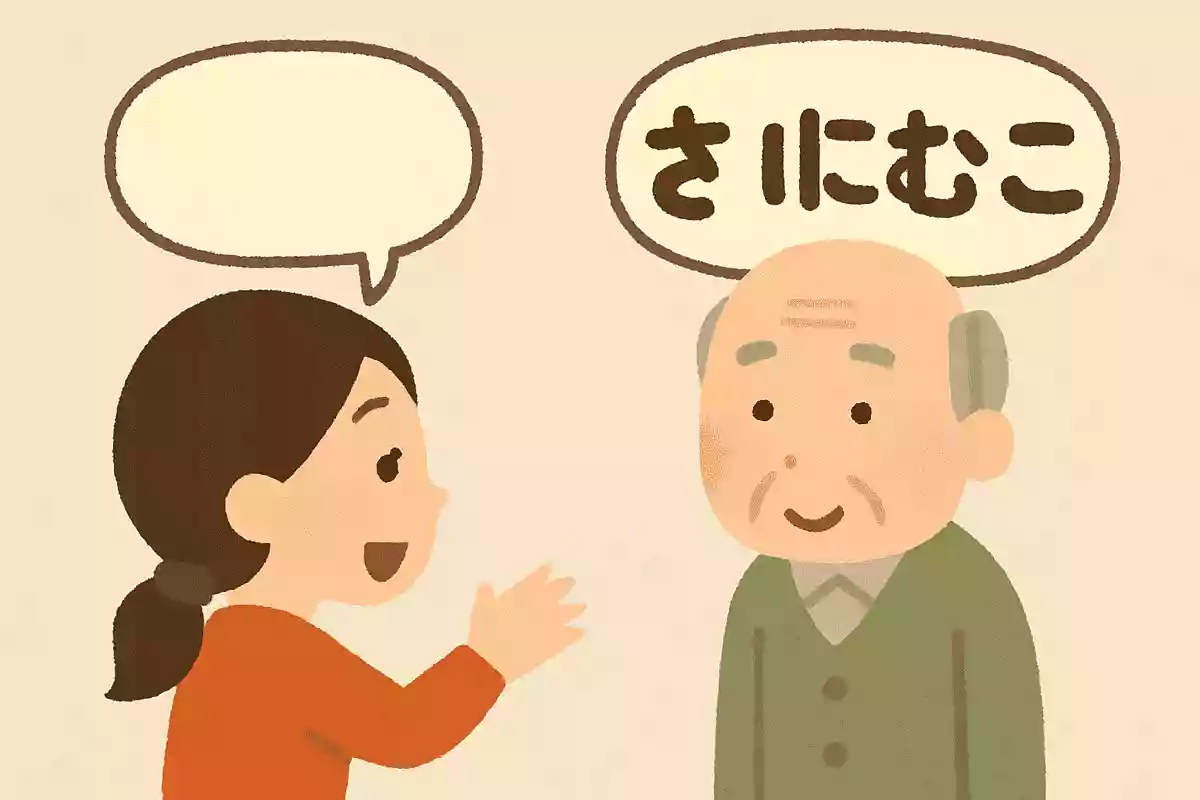
"遮二無二" is read as "shanimuni" and means "recklessly," "frantically," or "blindly."
It depicts pushing forward single-mindedly without worrying about those around you.
The character “二” can mean “next,” and “遮二” implies cutting off what comes next.
“無二” means “there is no second (one)” or “there is nothing comparable.”
From this, the term is thought to have arisen with the sense of tackling something recklessly with the resolve that there is no next time, no way back.
It’s often used when striving toward a goal.
envelope
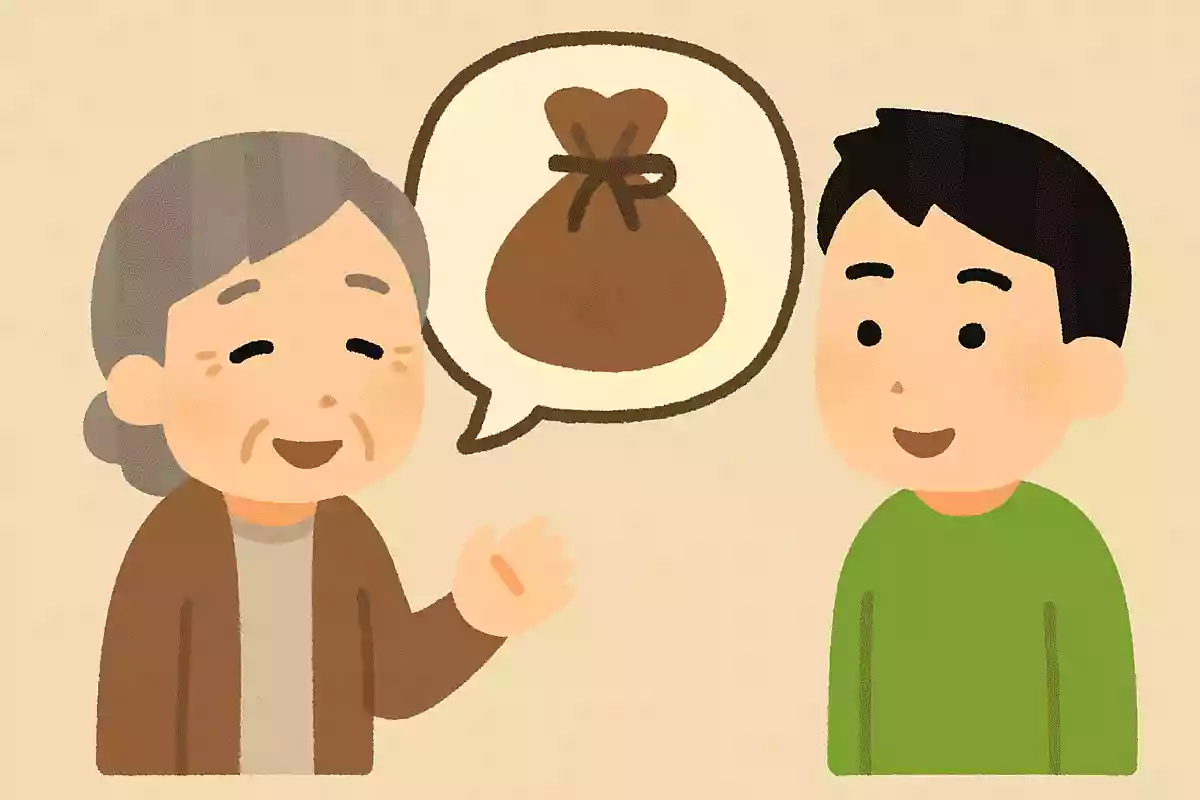
"Jōbukuro" is written as 状袋 and refers to an envelope used for containing letters and documents.
When we send mail, we always put it in an envelope, and it seems these envelopes have quite a history.
The first envelopes appeared in Japan during the Heian period.
When nobles wrote letters at that time, they would wrap them in paper and then wrap them again with something called kakigami.
That kakigami is the origin of the envelope.
Envelopes in the form we use today began to appear around the Edo period.
The fact that items used by people long ago are still in use today makes me feel a sense of romance, as it shows how the culture of letter writing has been cherished and continued.”