

Introducing old-fashioned words that are useful for conversations with elderly people!

When working in care-related facilities, you may sometimes find it hard to understand what older adults are saying.
Words that have fallen out of use over time are sometimes called “elderly language.”
Some of you may want to learn the meanings of these old terms to communicate more smoothly with seniors.
Here, we’ll introduce several examples of elderly language that you can use in care settings.
These are all things still familiar today, so you can use them right away in everyday conversation.
Please make good use of them in your conversations to help older adults feel a sense of closeness!
- Words useful for conversations with elderly people. Words that were used in the past.
- Introducing words that will delight elderly people
- Conversations Made Easy! A Collection of Topics That Elderly People Enjoy
- [For Seniors] How many can you read? A comprehensive showcase of difficult food kanji
- [For Seniors] Uplifting Words That Comfort the Heart
- [For Seniors] 3-Choice Dialect Quiz! A Collection of Fun Dialect Quizzes from Around Japan
- [For Seniors] Lively Wordplay Game: Fun Recreation for Elderly Care
- Things that have changed between the past and now. Is it really this different?
- Fun, engaging topics for conversations with older adults!
- [For Seniors] Fun and Informative! Trivia and Quizzes Introduced
- [For Seniors] A Brain-Training, Crowd-Pleasing Word Search Game
- [For seniors] Dice talk: engaging prompts
- [For Seniors] Perfect Brain Training! Fun Trivia
Introducing old-time expressions useful for conversations with seniors! (1–10)
vest
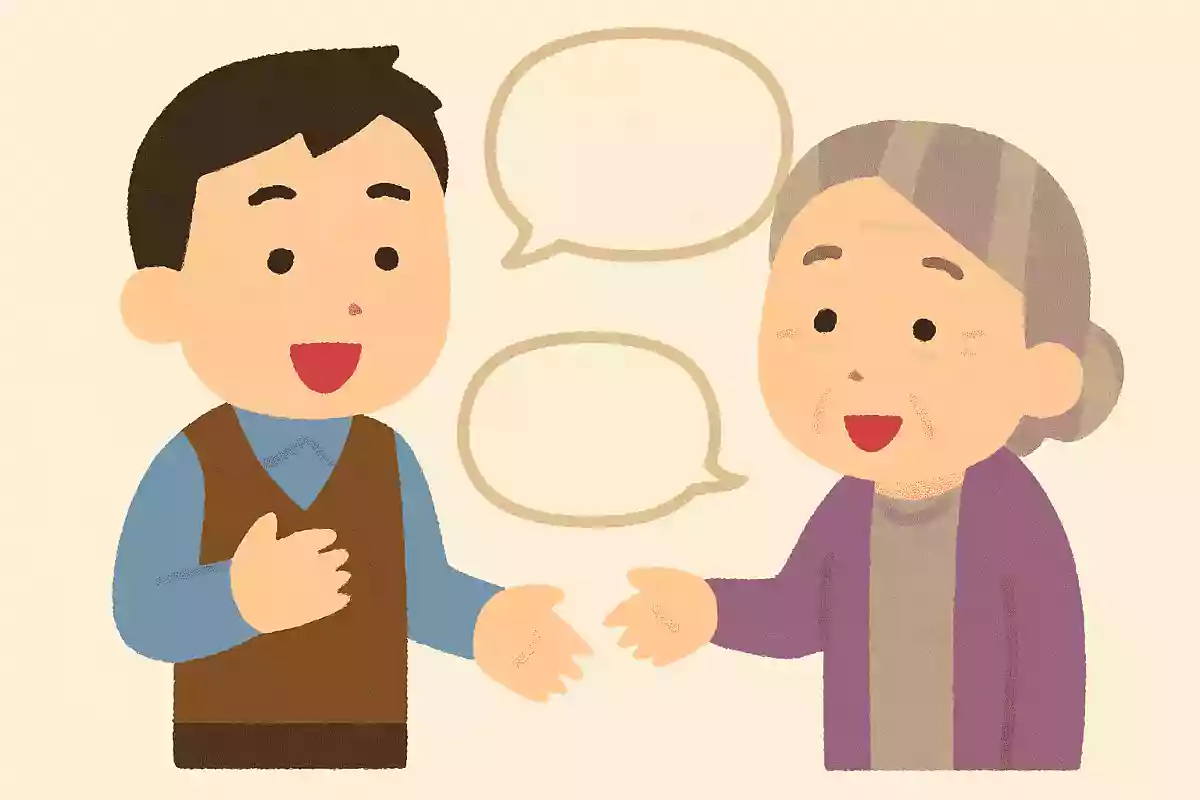
Sleeveless-style garments worn over shirts and cut-and-sewn tops are called “vests” or “gilets,” right? Among older people, many might also use the term “chokki.” Although “chokki” sounds like a foreign word, it’s actually Japanese.
It’s said to come from the idea of wearing it “directly over” the shirt under a jacket: from “direct wear” (chokuchaku), which became “chokki.” Fashion-conscious seniors sometimes coordinate outfits with a chokki, don’t they? Knowing the meaning of “chokki” might help liven up conversations with older folks.

vest
“Chokki” is also used as the title of a picture book for children, so some of the staff might be familiar with it, don’t you think? “Chokki” is another word for “vest.” Both chokki and vests are sleeveless tops worn over items like dress shirts or cut-and-sew tops.
The word chokki has existed since the Meiji era, and there are various theories about its origin—for example, that it evolved from a phrase meaning “worn directly on the skin.” These days, fashion magazines tend to use the word “vest” more often.
In terms of nuance, chokki feels more casual, while vest refers to something with a more formal vibe.
inner lining
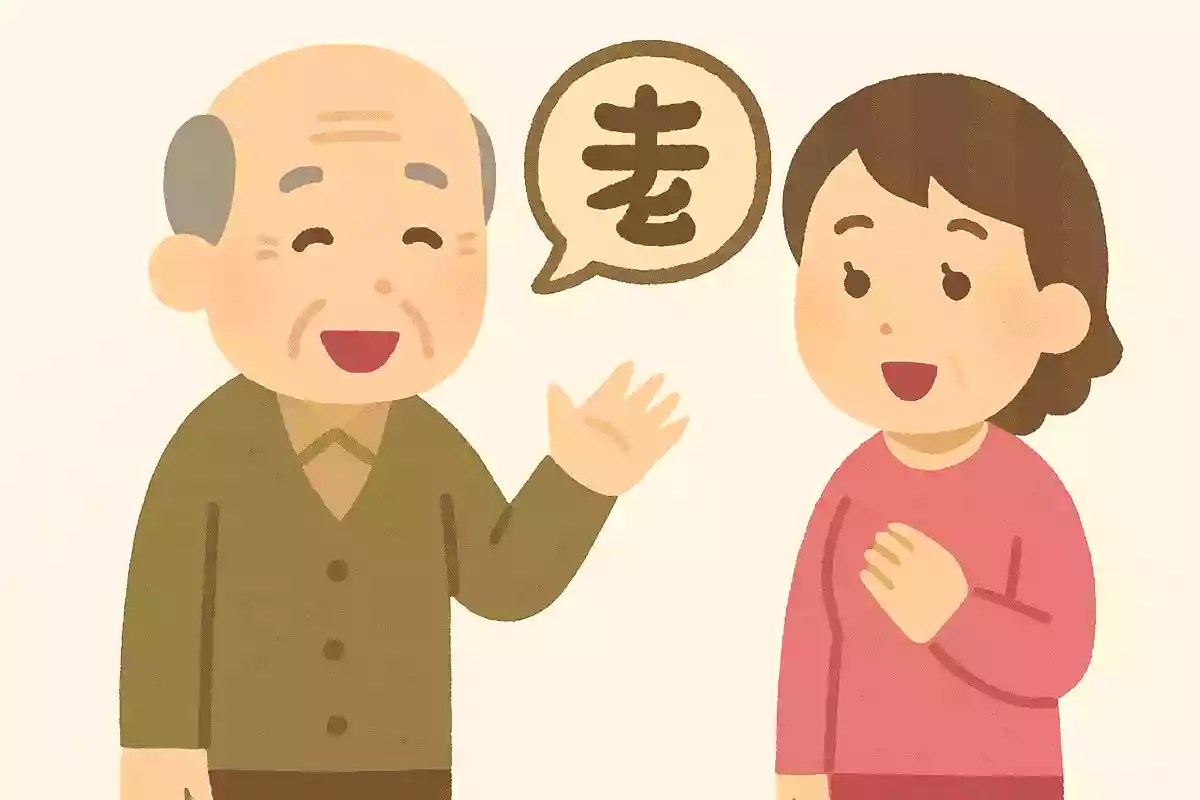
Some clothes have inside pockets, right? It’s easy to picture the pocket on the inside of a jacket.
Among older people, there may be some who call that pocket “uchigakushi” (an inner hidden pocket).
Of all the pockets on a jacket, it’s a very practical one where you can put light items like a pen or a small notebook.
If an older person wears a jacket, they might be using the uchigakushi.
It could be nice to ask a stylish older person in a jacket what they keep in their “uchigakushi.” It might lead to a lively conversation.
Introducing old-fashioned words that are useful for conversations with the elderly! (11–20)
toilet
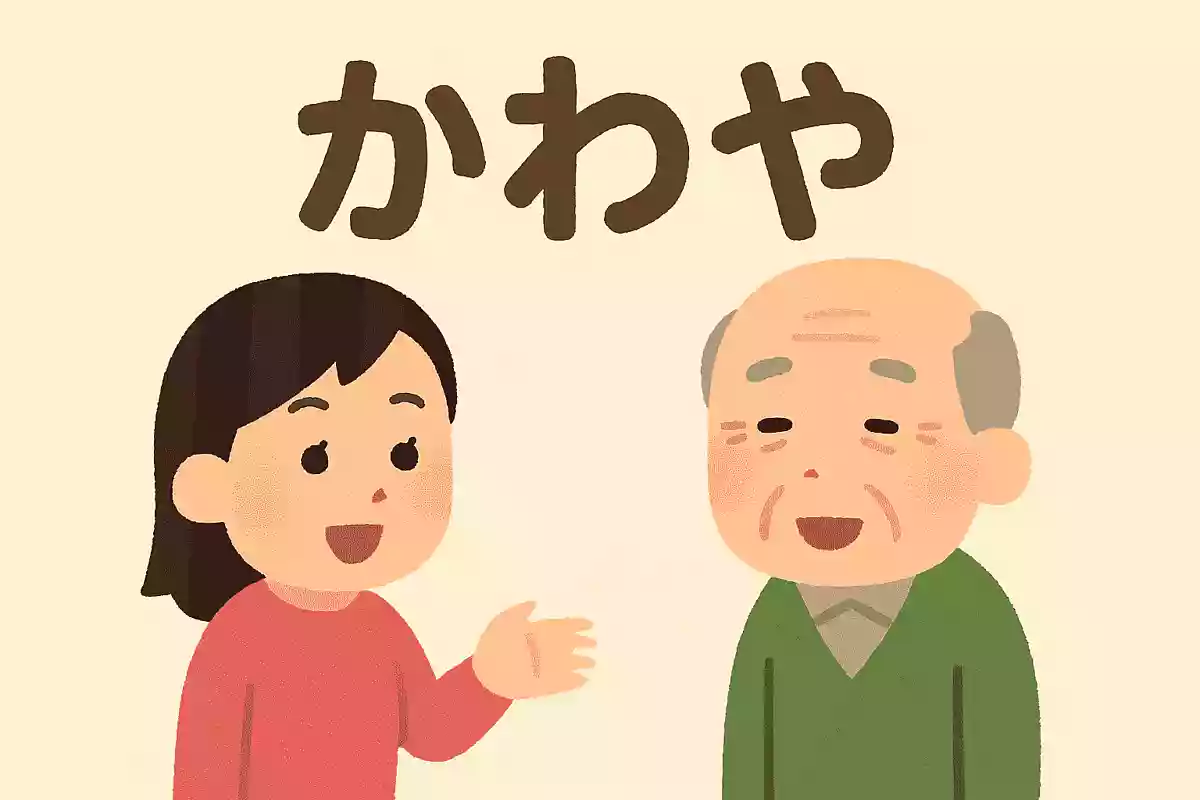
Do you know the old word “kawaya”? It means “toilet.” If you use it in conversations with older people, it might evoke a sense of nostalgia.
I’ve heard that “kawaya” originally meant a hut built over a river, which gives it a historical feel.
Using it in caregiving settings might help you feel closer to older adults.
Using old words can also foster a sense of cultural affection.
However, it’s important to be polite and watch the other person’s reaction when you use them.
Knowing old words like “kawaya” might help you communicate more richly.
Turtleneck sweater
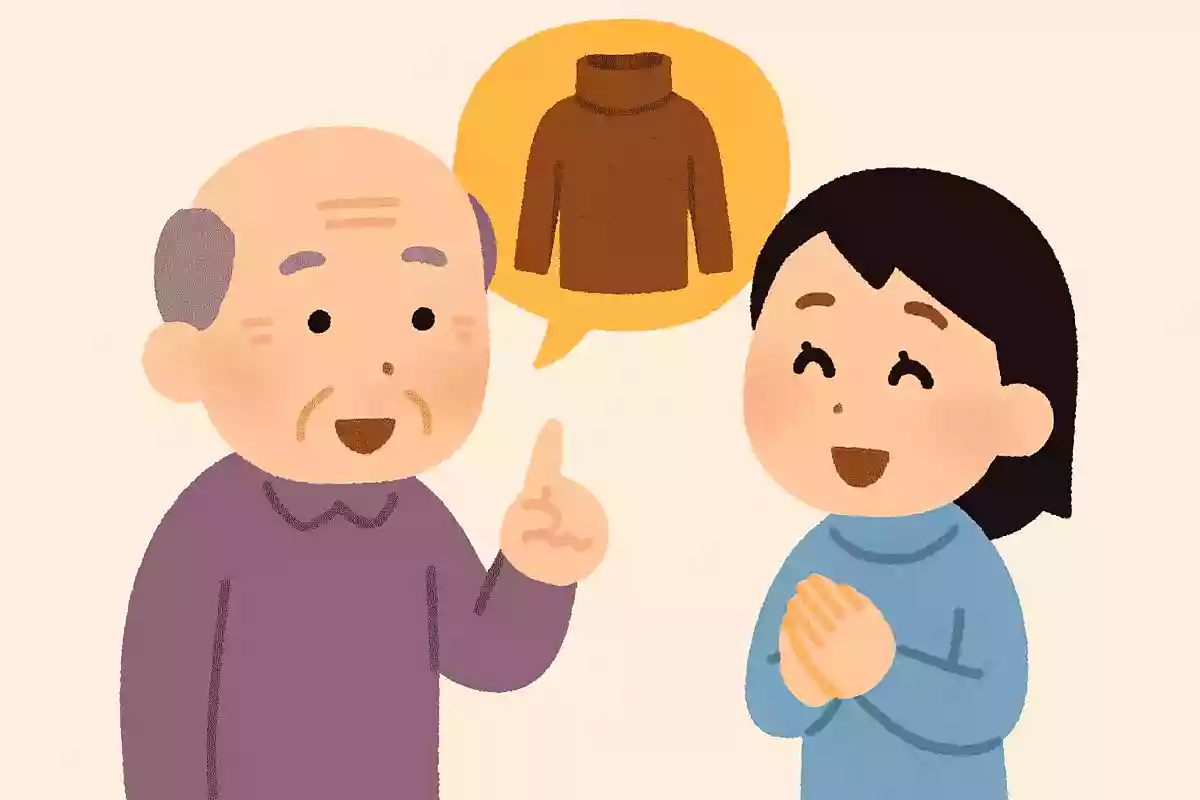
Have you ever heard the term “tokkuri sweater”? It actually means a turtleneck sweater.
It’s called that because the neck area looks like a tokkuri, a traditional sake flask.
If you try using this term when talking with older people, it might spark a sense of nostalgia.
Knowing older expressions can help your conversations blossom into shared memories.
With more common topics, your chats will become even more enjoyable.
It can also be a chance to deepen your bond with older folks, so be sure to remember it.
all-purpose flour
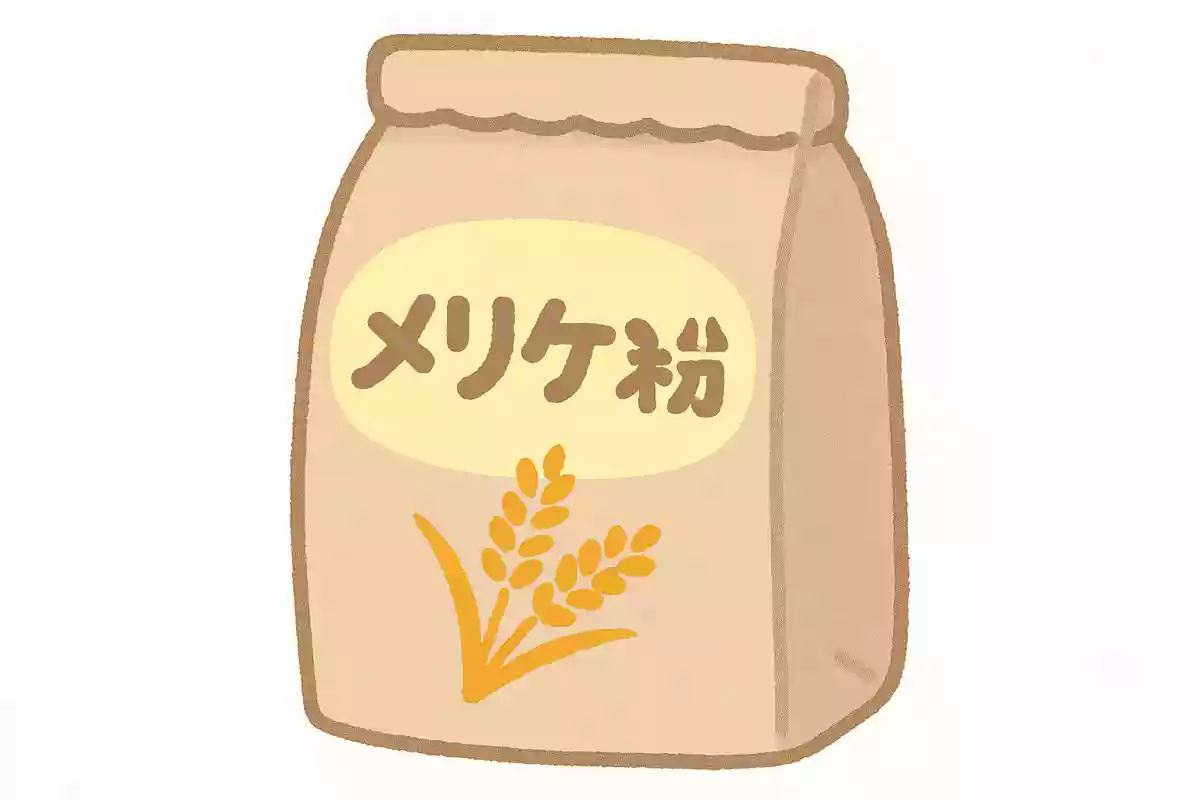
Even today, it’s often called “meriken-ko” in the Kansai region, but do you know what kind of flour it is? It refers to American wheat flour.
In the Meiji era, Americans were called “meriken-jin” in Japan, and American wheat flour came to be called “meriken-ko.” At that time, Japan’s flour-refining technology was not yet advanced.
People in Japan were astonished by how white the highly refined American flour was.
As a result, they began distinguishing between the high-quality American flour and domestically produced flour.
Incidentally, Japanese flour was called “udon-ko.” This “meriken-ko” trivia might make for a lively topic during snack-time recreation with seniors.
iced coffee
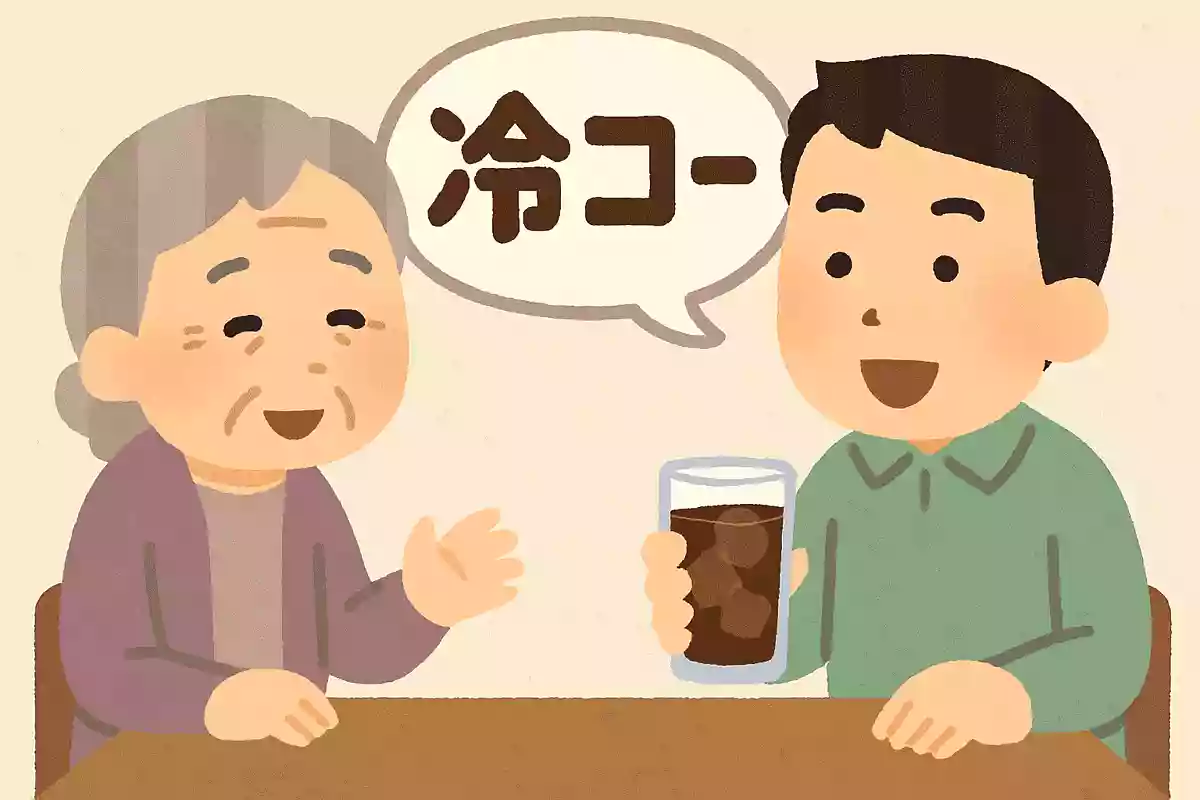
What comes to mind when you hear “reikō”? From the look of the kanji, you might imagine something cold, right? In fact, in the Showa era it was a term used mainly in Osaka as an abbreviation for “cold coffee.” These days we say “iced coffee.” I imagine there are many seniors who enjoy coffee as well.
Incidentally, July 1 has been designated Reikō Day.
It’s said to be because the real summer heat starts in July and demand for coffee rises.