


When working in care-related facilities, you may sometimes find it hard to understand what older adults are saying.
Words that have fallen out of use over time are sometimes called “elderly language.”
Some of you may want to learn the meanings of these old terms to communicate more smoothly with seniors.
Here, we’ll introduce several examples of elderly language that you can use in care settings.
These are all things still familiar today, so you can use them right away in everyday conversation.
Please make good use of them in your conversations to help older adults feel a sense of closeness!
- Words useful for conversations with elderly people. Words that were used in the past.
- Introducing words that will delight elderly people
- Conversations Made Easy! A Collection of Topics That Elderly People Enjoy
- [For Seniors] How many can you read? A comprehensive showcase of difficult food kanji
- [For Seniors] Uplifting Words That Comfort the Heart
- [For Seniors] 3-Choice Dialect Quiz! A Collection of Fun Dialect Quizzes from Around Japan
- [For Seniors] Lively Wordplay Game: Fun Recreation for Elderly Care
- Things that have changed between the past and now. Is it really this different?
- Fun, engaging topics for conversations with older adults!
- [For Seniors] Fun and Informative! Trivia and Quizzes Introduced
- [For Seniors] A Brain-Training, Crowd-Pleasing Word Search Game
- [For seniors] Dice talk: engaging prompts
- [For Seniors] Perfect Brain Training! Fun Trivia
Introducing old-time expressions useful for conversations with seniors! (1–10)
clothes hanger
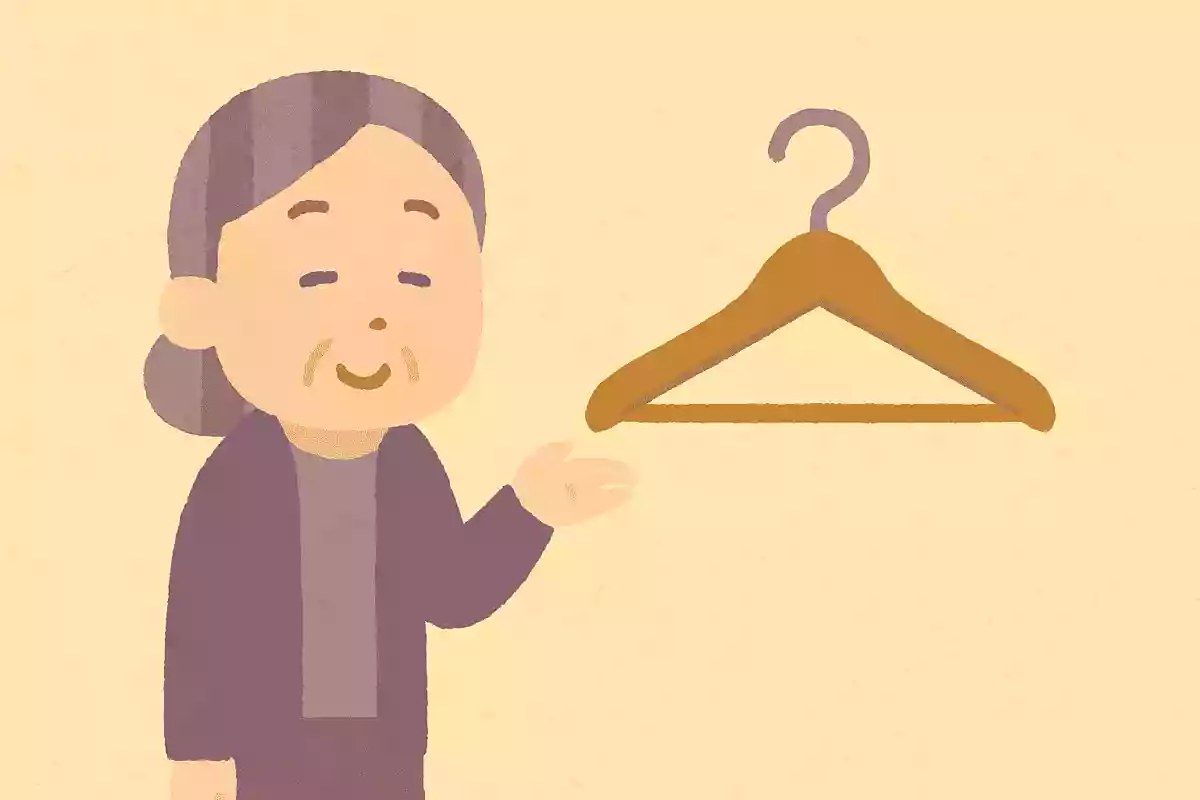
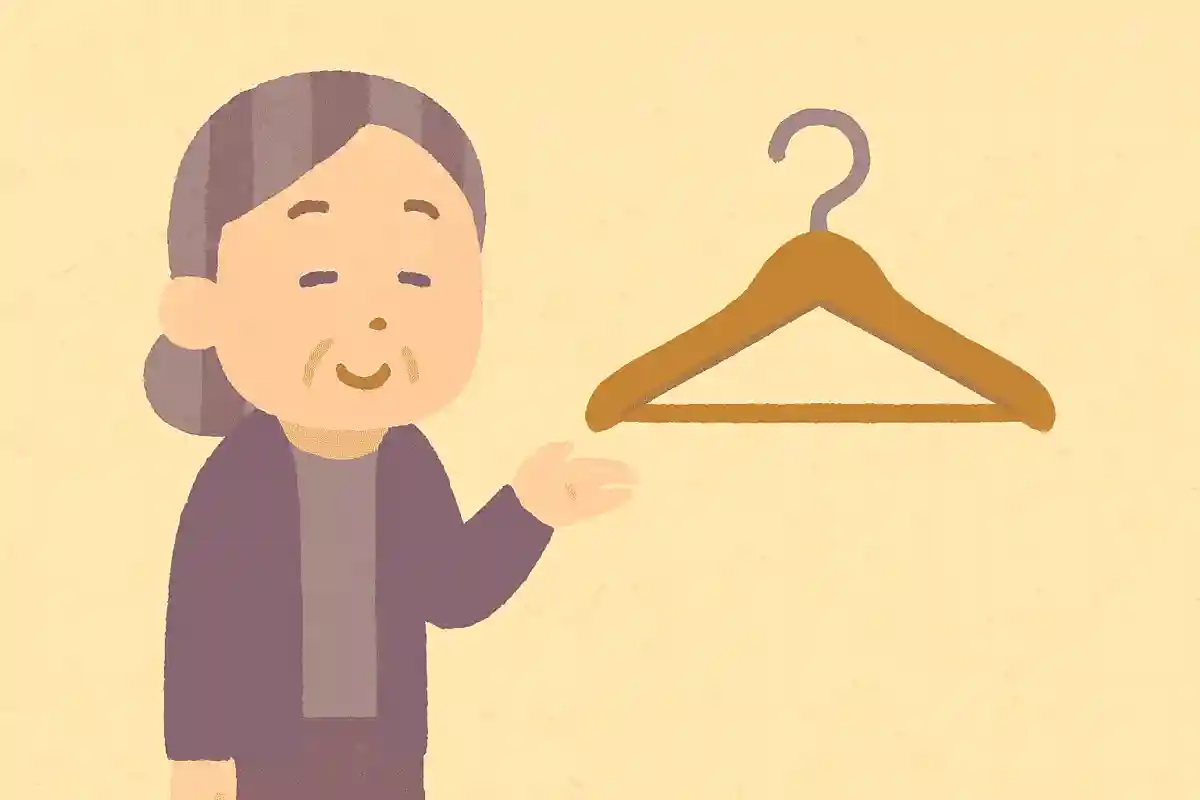
Have you ever heard the word “emon-kake”? It’s what people in the Kansai region call a clothes hanger.
You might hear it when talking with older folks.
If someone says, “Bring me the emon-kake,” now you’ll know they mean a hanger.
Knowing older expressions can make conversations with seniors more enjoyable.
How about trying it out and saying, “I hung today’s laundry on the emon-kake”? It’ll likely make you feel more familiar and friendly to them.
highbrow; stylish; fashionable; trendy
Are you familiar with the word “haikara”? It’s an old-fashioned term that refers to something novel and stylish.
If you use it in conversations with older adults, it can evoke a sense of nostalgia and foster connection.
For those who love fashion, talking about clothing and using “haikara” might bring back memories of how they felt in the past.
By using traditional expressions, conversations can become richer and more enjoyable.
It can also help deepen bonds with older adults.
Try using it in caregiving settings as well!
a good-looking person with charm and good character
“Kiryo-yoshi” mainly refers to a woman having a beautiful face.
Older people might use it when commenting on women they see in newspapers or on TV.
By the way, the “ki” in “kiryo” means ‘vessel,’ and the “ryo” comes from instruments used to measure length, volume, or weight.
Beyond facial appearance, it can also mean that someone has ability or virtue, or it can refer to the evaluation society gives a person’s abilities.
It’s used in expressions like “kiryo ga ookii” (having great capacity) and “kiryo ga agaru” (one’s standing or capacity rises).

steteco (Japanese lightweight underpants/loungewear shorts)
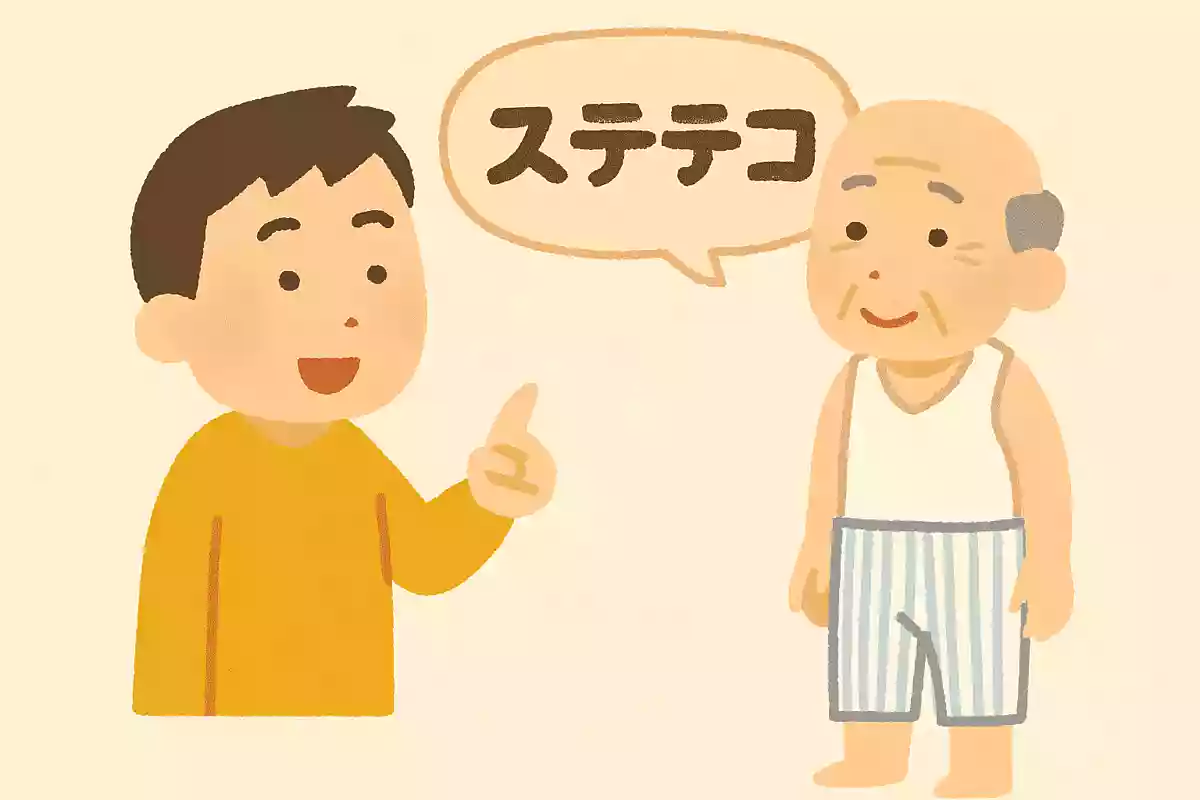
The word “steteko” brings back memories, doesn’t it? If you use it when talking with older people, it might even bring a smile to their faces.
It could be a nice way to spark conversations about the old days.
Just make sure to gauge the other person’s reaction as you use it.
If the word doesn’t land, it can unintentionally create distance.
Used as a tool to enjoy communication, though, it can make conversations richer.
How about getting lively together with older folks by using some old-fashioned words?
beauty; beautiful woman; very pretty
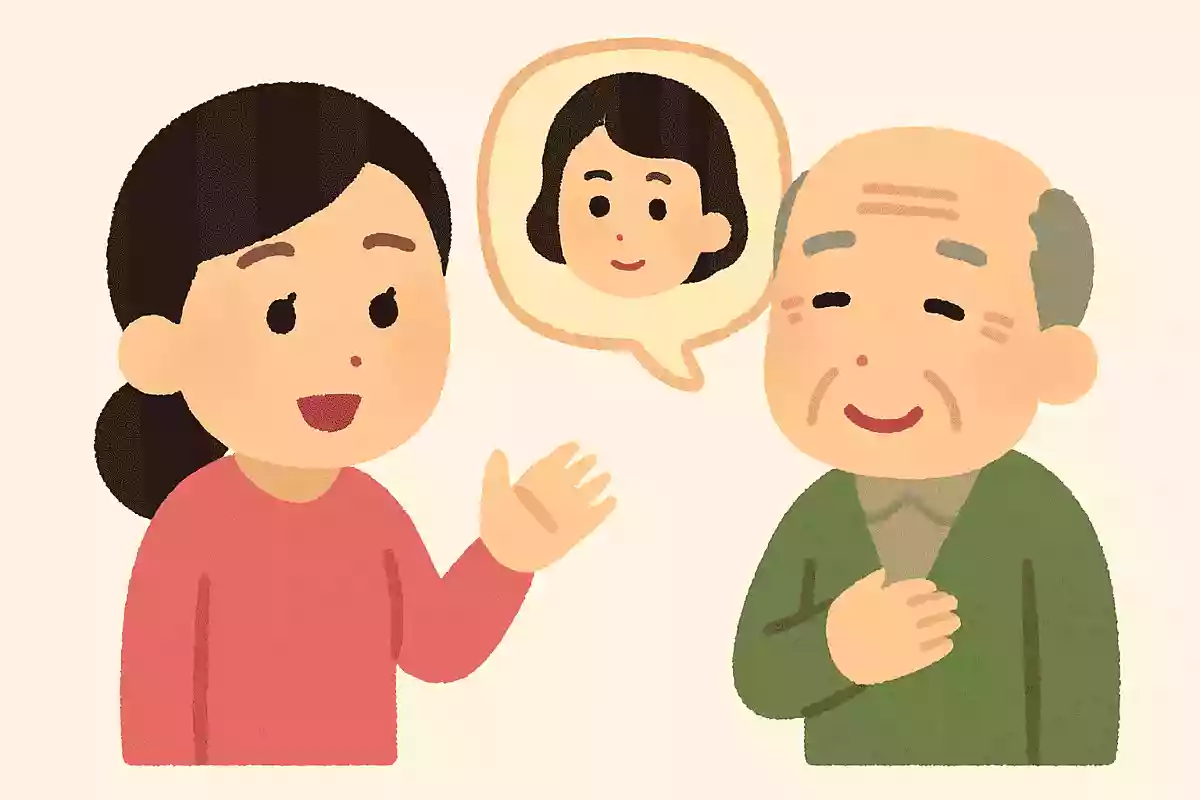
Some older people might use the terms “beppin” or “beppin-san” to describe a beautiful woman or someone looking cute, don’t you think? “Beppin-san” was even used as the title of a morning drama series, so it may be a fairly well-known word.
“Beppin” is said to have originated in Kyoto from the word “別品” (literally “separate/special item”), meaning an especially fine product.
Today, “beppin” is often used for women, but it was apparently once used for outstanding men as well.
There are also other theories about its origin, such as that it started at an eel restaurant in Aichi Prefecture.
It seems like a fun word to bring up as trivia in conversations with seniors.
mistake/blunder (colloquial); foul or rule violation (in games/gambling)
Using the word “chonbo” in conversations with older adults could help create a pleasant atmosphere.
For those who used to enjoy mahjong, it might even evoke a sense of nostalgia.
By learning older expressions, we can feel closer to seniors and build friendlier relationships.
It would be wonderful to spend warm, relaxed time together by using words like “chonbo.” Through language, we can share memories and experiences with each other, fostering a compassionate, heartfelt exchange.
bespoke; custom-made
You may sometimes hear the expression “atsurae-mono” when chatting with older adults.
For example, someone might say with delight, “I had a bag made from kimono fabric.” The term “atsurae-mono” means something made to order—custom-made.
So in the case of “I had a bag made from kimono fabric,” it’s a bag that was specially commissioned.
If an older person is talking about an atsurae-mono, why not share in that sense of specialness? By empathizing with that “extra special” feeling, you can make them even happier—and it might help the conversation blossom, too.