

[For Seniors] Brain Training with Olympic Quizzes: A Collection of Questions to Recall Memorable Classic Moments


Which event was the first in which a Japanese athlete won an Olympic gold medal?Can you answer this question right away?The Olympics are full of hidden histories and stories that will make you say, “Wow, I didn’t know that!”In this article, we present an Olympic quiz designed for seniors to enjoy.It’s packed with questions you may think you know but actually don’t—like the meaning behind the Olympic colors and what the five rings represent.Take a trip down memory lane to past Games and try the quiz together with those around you.
- [For Seniors] Lively and Exciting! Sports Quiz for Recreational Activities
- [For Seniors] Brain Training! Recall Quiz Collection!
- [For Seniors] Recommended for Brain Training! Nostalgic Showa-Era Quiz
- [For Seniors] Sports Trivia Quiz & Fun Facts. Easy and Entertaining
- Personality Test: Fun! Psychology Test Collection
- [For Seniors] Fun Brain Training! Lively Whiteboard Activities
- [For Seniors] Nostalgic quizzes that bring back memories! Showa-era entertainment and sports questions
- [For Seniors] Lively True-or-False Quiz: Fun Questions You Think You Know but Don’t
- [For Seniors] Fun and Lively! Recommended Quiz Questions
- Recommended for seniors! Liven up your event with a Respect-for-the-Aged Day quiz!
- For Seniors: Useful Trivia Questions! Introducing Fun Facts Quizzes You'll Want to Share
- [For Seniors] Fun and Informative! Health Trivia Quiz
- [For Seniors] Fun and Informative Trivia Quiz Collection
[For Seniors] Brain Training with Olympic Quizzes: A Collection of Questions to Recall Memorable Scenes (21–30)
At the 1964 Tokyo Olympics, which country won the most gold medals?
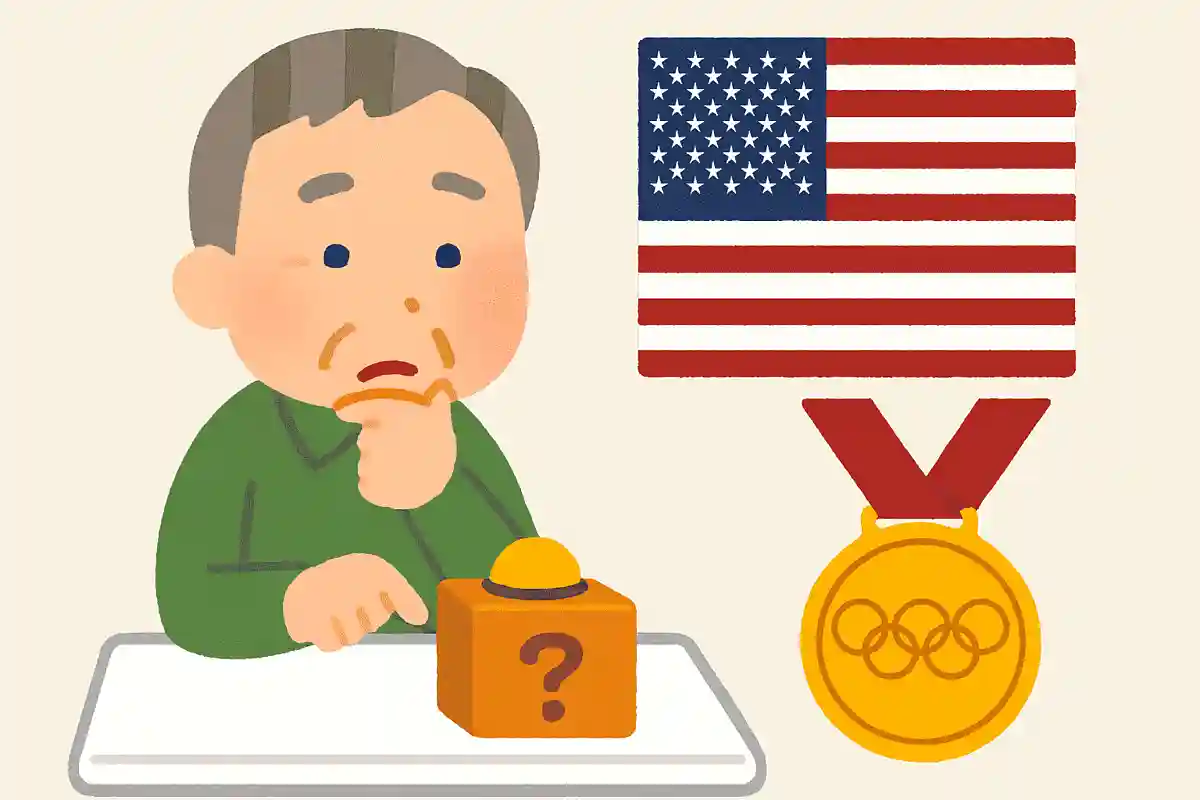
One of the most significant events in Japanese history is the 1964 Tokyo Olympics.
This is because it was the first time the Olympics were held in Japan, and it was also the first Olympics to be held in Asia.
For that reason, many people may find it particularly memorable.
Here’s a quiz: “Which country won the most gold medals at the Tokyo Olympics?” While we might like to say Japan, the correct answer is the United States.
They won 36 gold medals.

What kind of heat was used for the Olympic flame?
Speaking of the Olympics, the torch relay also comes strongly to mind.
It drew huge attention during the Tokyo Olympics as well.
However, I imagine not many people know the details about the Olympic flame.
Here’s a quiz: What heat source is used to light the Olympic flame? The correct answer is sunlight.
By the way, the modern-style torch relay began at the 1936 Berlin Olympics.
If you’re interested, try looking up the legends associated with the Olympic flame, too.
Which event is often the final event at the Summer Olympics?
You can enjoy a wide variety of events at the Olympics.
Here’s a question that invites you to think back carefully: “Which event is most often the final event at the Summer Olympics?” Reflect on past Olympics and consider which it might be.
The correct answer is the men’s marathon.
It’s said that at the first modern Olympics, held in Athens in 1896, the men’s marathon also took place on the final day.
The exact reason isn’t clear, but perhaps that tradition has carried on to the present.
Which country, also depicted in a film, participated in the Winter Olympics despite being a tropical nation without snowfall?
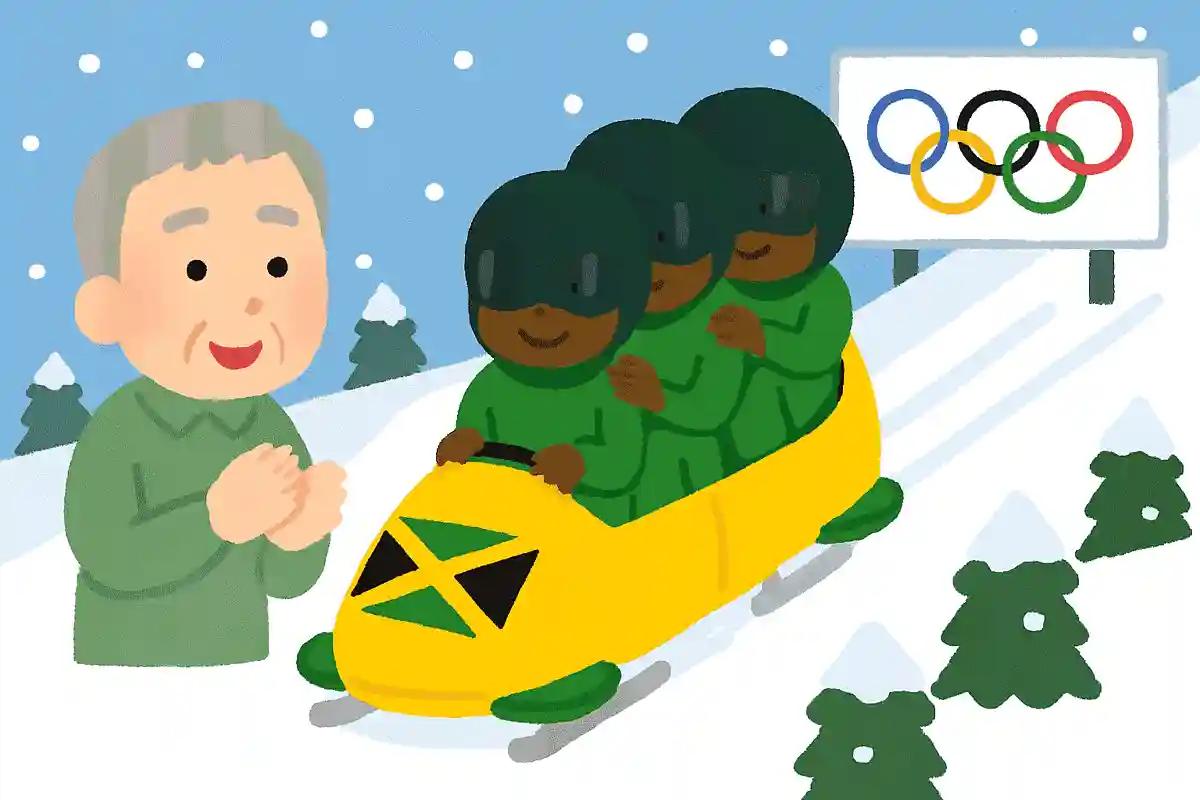
The Olympics have given birth to many dramatic stories, some of which have been adapted into films.
Here’s a quiz question: “Which country from a snowless, tropical region participated in the Winter Olympics and even inspired a movie?” The answer is Jamaica.
At the 1988 Calgary Olympics, Jamaican athletes competed in bobsleigh.
Their story was made into a film titled Cool Runnings.
It’s a lighthearted, funny movie, so give it a watch! Since then, Jamaican athletes have made several appearances in bobsleigh.
The first Winter Olympics held in Asia took place in 1972. Which city in Hokkaido hosted it?
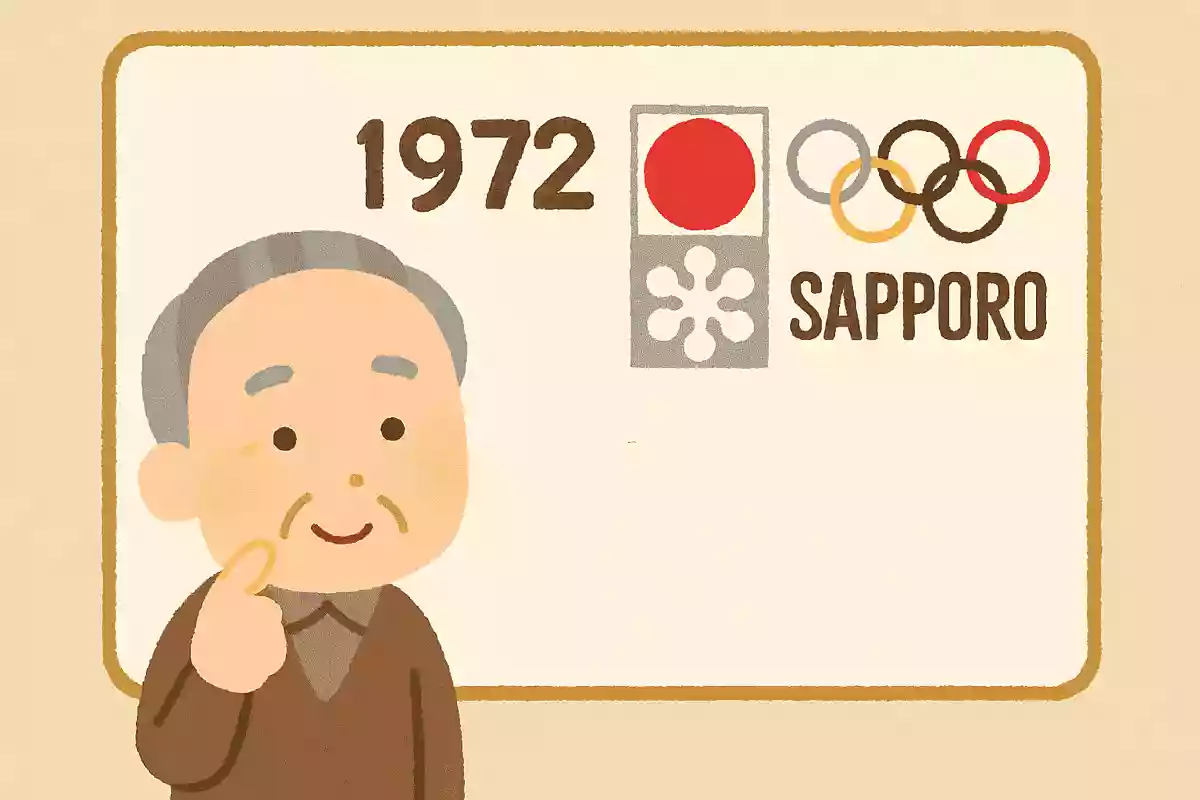
Speaking of Sapporo, there are many famous things like the Clock Tower, the Snow Festival, and ramen.
Among destinations in Hokkaido, it likely attracts a relatively large number of tourists.
Moreover, Sapporo hosted Asia’s first Winter Olympics in 1972.
It’s said that this was made possible because, from the Meiji through the Showa eras, skiing and skating had taken root among citizens as winter sports.
In fact, the Winter Olympics were supposed to be held even earlier than 1972.
Sapporo had been selected to host the 5th Winter Olympics in 1940, but the government returned the hosting rights due to the intensification of the Second Sino-Japanese War.

What was the other event, besides men’s judo, that became an official sport at the Tokyo Olympics held in 1964?
The Tokyo Olympics held in 1964 were a significant event in Japan’s history, and many developments—including transportation improvements—got underway from that point.
At those Tokyo Olympics, what sport became an official event alongside men’s judo? Many people might recognize the answer when they hear the phrase that spread from that sport: “Witches of the Orient.” The answer is volleyball.
While judo was only for men, volleyball was added as an official event for both men and women, and the women’s volleyball team was nicknamed the “Witches of the Orient.”

At the Tokyo Olympics held in 1964, a certain rakugo storyteller served as a torchbearer. Who was that rakugo performer?
One highlight of the Olympic torch relay is that a wide variety of people run, including athletes and celebrities.
At the Tokyo Olympics held in 1964 (Showa 39), a certain rakugo storyteller ran as a torchbearer.
Who was it? Here’s a hint: a long-beloved rakugo performer you often see on TV—someone who might not fit the strict image of representing the nation.
The answer is “Sanyutei Koyuza.” At the time, he didn’t run as a rakugo performer; he was selected as a torchbearer as a high school table tennis player.