



As we get older, our memory tends to decline, and many people become concerned about diminishing cognitive function.
At such times, recalling memories from the past can provide excellent stimulation for the brain.
In this article, we present a trivia quiz related to Osaka Prefecture.
People from the Kansai region, of course, as well as those who have visited on a trip or seen it on TV, can enjoy it.
There are plenty of questions about long-standing symbols and local dialects.
Older adults who lived in the Kansai area will likely feel like kids again as they tackle the questions.
We hope you’ll use this article as a guide and enjoy a quiz all about Osaka!
- Let's Discover the Charm of Kansai Dialect! A Kansai Dialect Quiz for Seniors
- [For Seniors] Nostalgic quizzes that bring back memories! Showa-era entertainment and sports questions
- [For Seniors] Fun and Informative! Health Trivia Quiz
- [For Seniors] Lively two-choice trivia quiz. Handy to know and tidbits you'll want to share with others
- [For Seniors] Brain Training! Recall Quiz Collection!
- [Nara Prefecture Local Quiz] Introducing a multiple-choice quiz for seniors (three options)!
- [For Seniors] Fun Brain Training! Prefecture Quiz
- [For Seniors] Recommended Trivia Quizzes & Fun Facts for November
- [For Seniors] Trivia Quiz & Fun Facts for Everyday Life
- [Recreation for Seniors] Introducing Quizzes to Enjoy at Day Service Centers!
- [For Seniors] Nostalgic! Showa-Era Quizzes Recommended for Reminiscence Therapy
- [For Seniors] Trivia Quiz & Fun Facts about Stars. Brain Training
- [Kyoto Prefecture Local Quiz] Introducing recommended questions for seniors!
[For Seniors] Osaka Prefecture Local Quiz: From Famous Tourist Spots to Food (1–10)
What is Osaka Prefecture’s population rank in Japan?

- 1st place
- 2nd place
- 3rd place
See the answer
3rd place
Osaka Prefecture has the third largest population in Japan: Tokyo is first, Kanagawa is second, and Osaka is third. By the way, within Osaka Prefecture, the cities with larger populations include Higashiosaka, Toyonaka, and Hirakata.

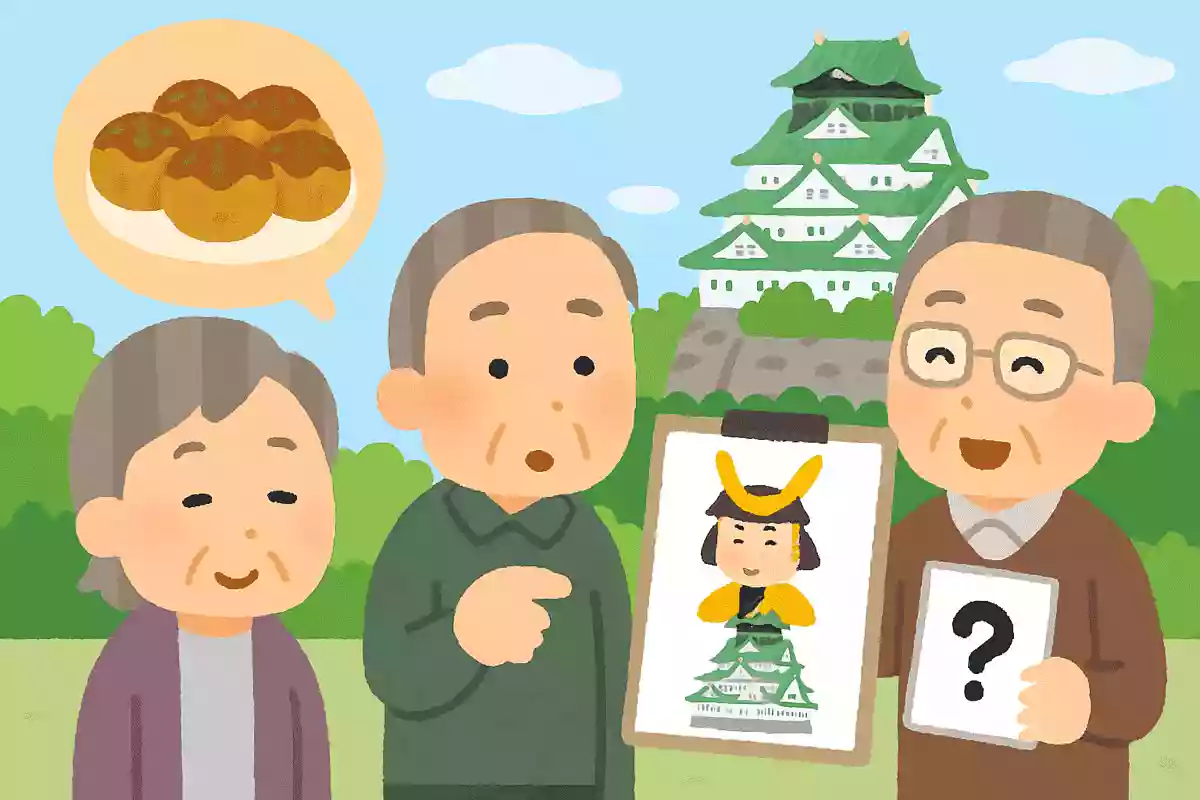
Who was the samurai warlord who built Osaka Castle?
- Oda Nobunaga
- Toyotomi Hideyoshi
- Tokugawa Ieyasu
See the answer
Toyotomi Hideyoshi
Osaka Castle was built by Toyotomi Hideyoshi during the Sengoku period as a base for his quest to unify the country. Toyotomi Hideyoshi was a samurai who first served under Oda Nobunaga and later became the ruler of Japan. The current main keep of Osaka Castle was reconstructed in 1931.
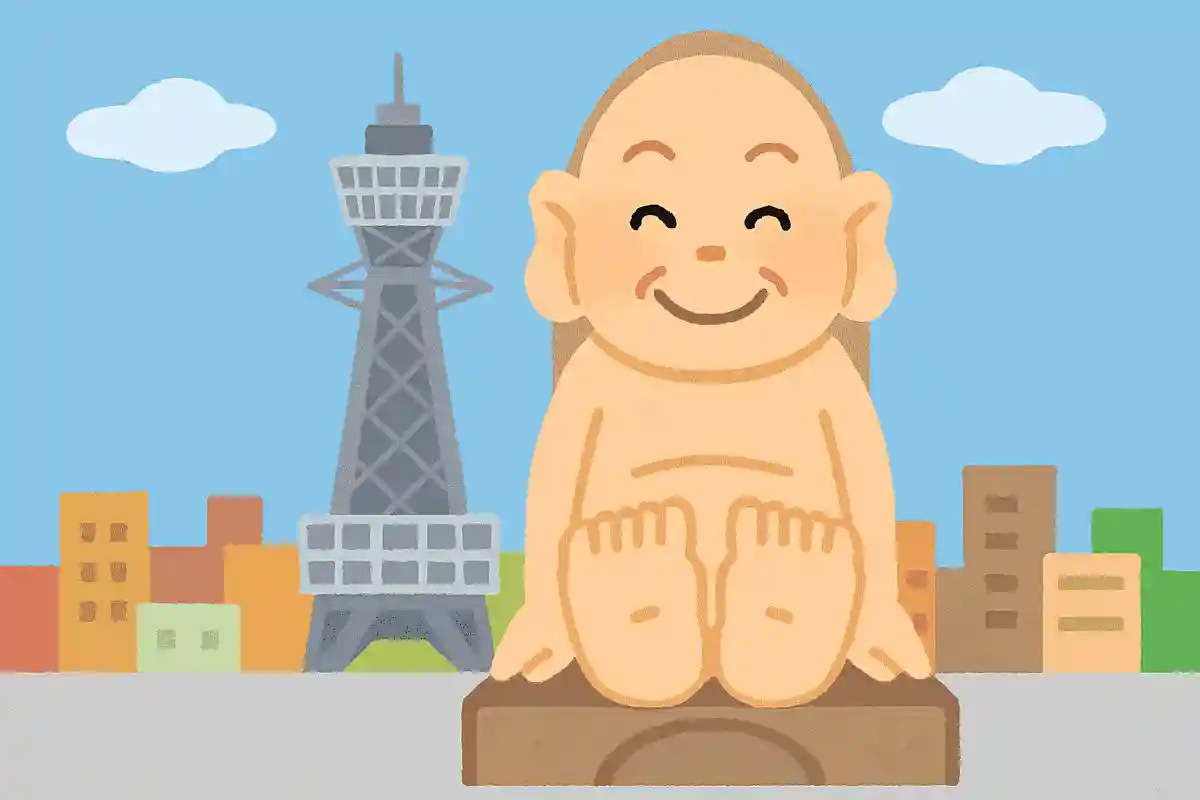
What is the name of the god of good luck at Tsutenkaku in Osaka?
- Billiken
- Mr./Ms. American
- Mr. Yamaken
See the answer
Billiken
Billiken, known for its adorable face and pose, draws many visitors who come to rub the soles of its feet while making wishes.

Tenjinbashisuji Shopping Street is known as the longest shopping street in Japan, but how long is it?
- about 600 meters
- about 1,600 meters
- about 2,600 meters
See the answer
about 2,600 meters
Tenjinbashisuji Shopping Street is approximately 2.6 kilometers long and is known as the longest shopping street in Japan. It is said to take about 40 minutes to walk. It stretches from around Temma Station in the south to around Tenjinbashisuji 6-chome Station in the north, and is a popular tourist destination visited by many people.
Osaka’s specialty, okonomiyaki. What is the tool used to flip it called?

- spatula
- tongs
- cooking chopsticks
See the answer
spatula
The tool used to flip okonomiyaki is called a “hera” (spatula). It’s designed to let you turn the batter over securely on a griddle. In the Kansai region, it’s also called a “kote.” Using a hera helps you flip large okonomiyaki without the batter falling apart, keeping it nice and neat.
What does “ookini” mean in the Osaka dialect?

- Hello
- Thank you
- Goodbye
See the answer
Thank you
Ookini is an Osaka dialect word that means “thank you” in English and “arigatou” in standard Japanese. People in Osaka have long used it with a sense of warmth, and many add “ookini” at the end of conversations. It’s one of the representative Osaka dialect expressions, and its origin is said to be “ookini arigatashi” (greatly thankful).
There are three foods known as the soul food of Osaka. Takoyaki and okonomiyaki—and what is the third?

- grilled squid
- kushi-katsu (deep-fried skewered cutlets)
- yakisoba (fried noodles)
See the answer
kushi-katsu (deep-fried skewered cutlets)
Osaka’s three major soul foods are said to be takoyaki, okonomiyaki, and kushikatsu—dishes that locals adore. Although it’s called “kushikatsu,” it includes not only cutlets but also a variety of ingredients like vegetables and fish. It’s easy to eat, delicious, and relatively inexpensive, making it popular with travelers as well.