

[For Seniors] Trivia Quiz & Fun Facts on Hay Fever: Learn Prevention Methods and Symptoms You Should Know

What we especially worry about in spring is hay fever, right?Many people probably suffer from sneezing and a runny nose.Precisely because it’s such a familiar topic, there are actually lots of little-known facts hidden within it.This time, we’ve prepared a rich selection of trivia quizzes about hay fever.From fabrics that are less likely to attract pollen, to foods that may help prevent hay fever, to the best timing to start taking allergy medicine—these questions let you enjoy learning practical, everyday knowledge.They’re also perfect as brain training for seniors, so please try them together with everyone!
- [For Seniors] Spring-themed quizzes: Fun trivia questions that help prevent dementia while you solve them
- [For Seniors] Trivia Quiz & Fun Facts for Everyday Life
- Spring Event Quiz for Seniors to Enjoy in March
- [For Seniors] Hina Matsuri (Girls’ Day) Trivia Quiz & Fun Facts. Recommended for Dementia Prevention Activities
- [For Seniors] Conversation Starters! A Collection of Trivia and Quizzes About Cherry Blossoms
- [For Seniors] Trivia You’ll Want to Share: Cleaning Quiz & Fun Facts
- [For Seniors] Fun and Informative! Health Trivia Quiz
- [For Seniors] Lively two-choice trivia quiz. Handy to know and tidbits you'll want to share with others
- [For Seniors] Fun Trivia Quiz with Autumn Foods! A Collection of Little-Known Facts
- [For Seniors] Take on the Setsubun Quiz! A comprehensive collection of diverse quizzes, including trivia, true-or-false, and spot-the-difference.
- For Seniors: Useful Trivia Questions! Introducing Fun Facts Quizzes You'll Want to Share
- [For Seniors] Never Run Out of Conversation Starters! A Collection of Fun Facts About April and Spring
- [For Seniors] Fun Food Trivia Quizzes You'll Want to Share
[For Seniors] Pollen Allergy Trivia Quiz & Fun Facts. Learn the Prevention Methods and Symptoms You Should Know (1–10)
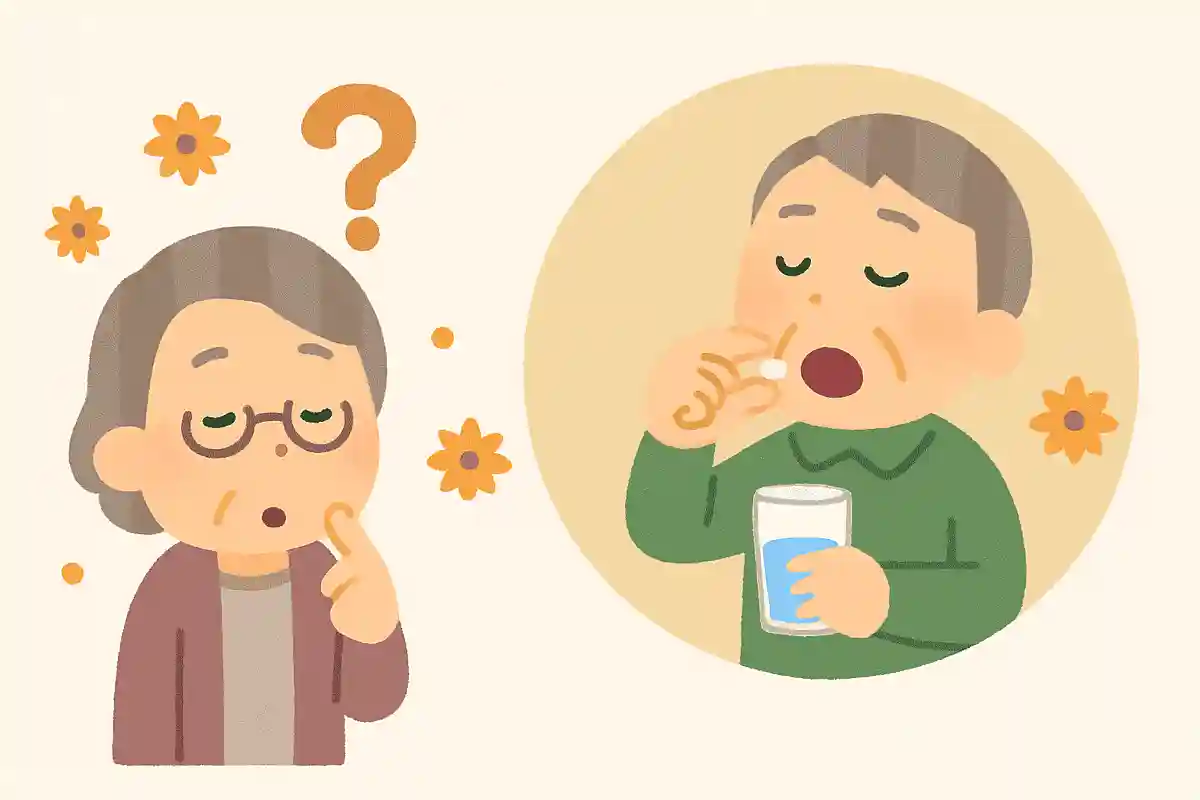
What is the recommended way to take medication for hay fever?
- Only take medication when the symptoms are severe.
- Take medication when symptoms appear and stop on your own judgment.
- Take your medication every day even if you have no symptoms, and consult your doctor for guidance.
See the answer
Take your medication every day even if you have no symptoms, and consult your doctor for guidance.
Hay fever medication is more effective when taken consistently rather than starting only after symptoms worsen. If you stop taking it on your own judgment—even on days when symptoms are mild or absent—your symptoms may flare up again. Therefore, it is recommended to keep taking your medication at the same time every day as directed by your doctor, and always consult your doctor about when to stop or taper the medication.

Which pollen reaches its peak dispersal from August to October?
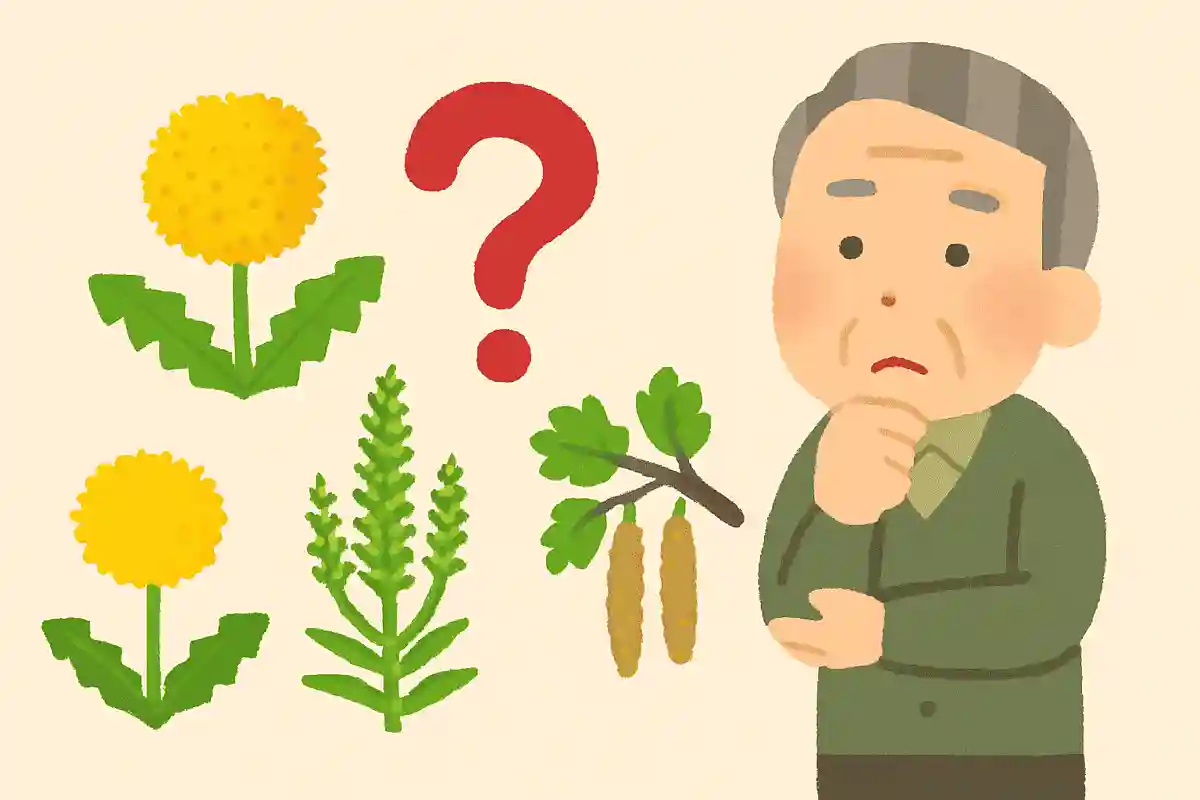
- Japanese cedar (sugi)
- Hinoki (Japanese cypress)
- mugwort
See the answer
mugwort
Mugwort is a representative pollen that disperses in autumn. Mugwort is a plant in the Asteraceae family and grows abundantly in familiar places such as vacant lots and riverbanks. Since its pollen dispersal peaks from August to October, if you experience symptoms such as itchy eyes, sneezing, and a runny nose from late summer to autumn, it may be mugwort pollen allergy.
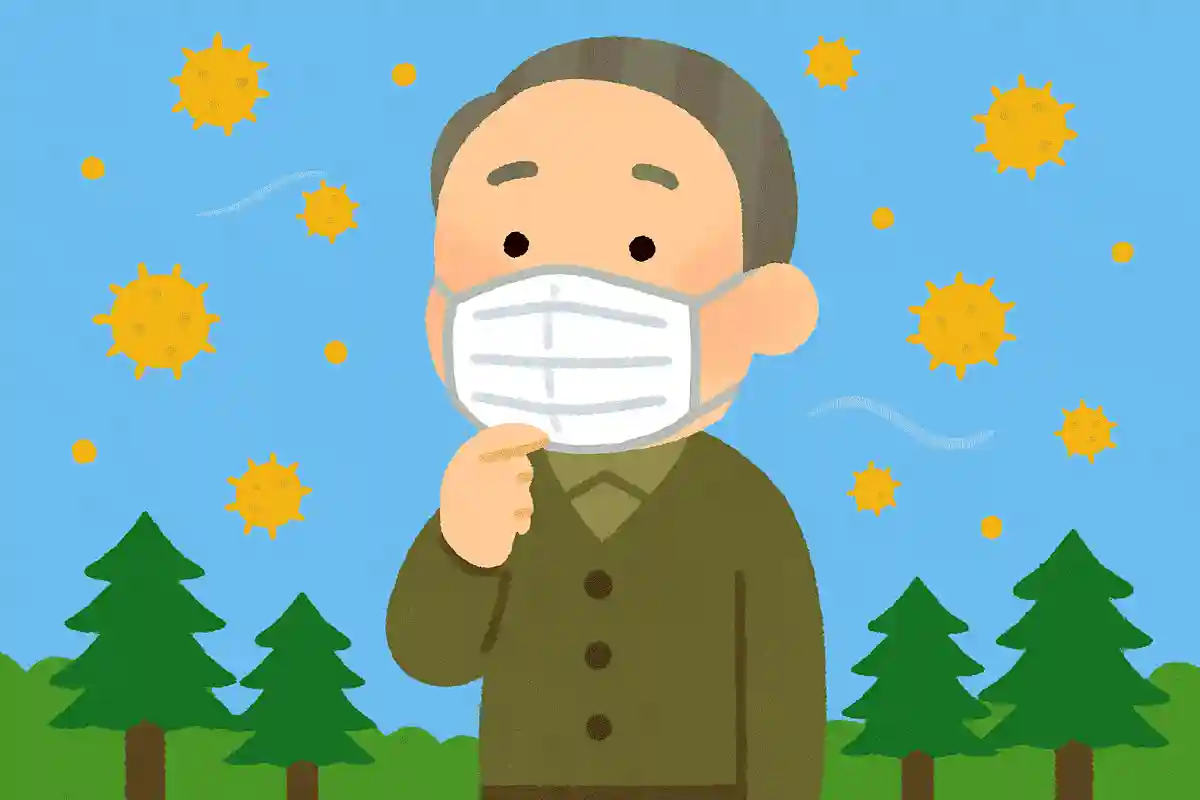
By wearing a mask, how much can we reduce the amount of pollen we inhale?
- about one tenth
- About one-third to one-sixth
- about half
See the answer
About one-third to one-sixth
According to a survey by the Ministry of the Environment, wearing a mask correctly can reduce the amount of pollen you inhale to about one-third to one-sixth of what it would be without a mask. In particular, it is important to choose a mask that fits your face size perfectly and to ensure a tight seal around the nose, cheeks, and chin so that no gaps are left.
[For Seniors] Trivia Quiz & Fun Facts on Hay Fever: Learn Preventive Measures and Symptoms You Should Know (11–20)
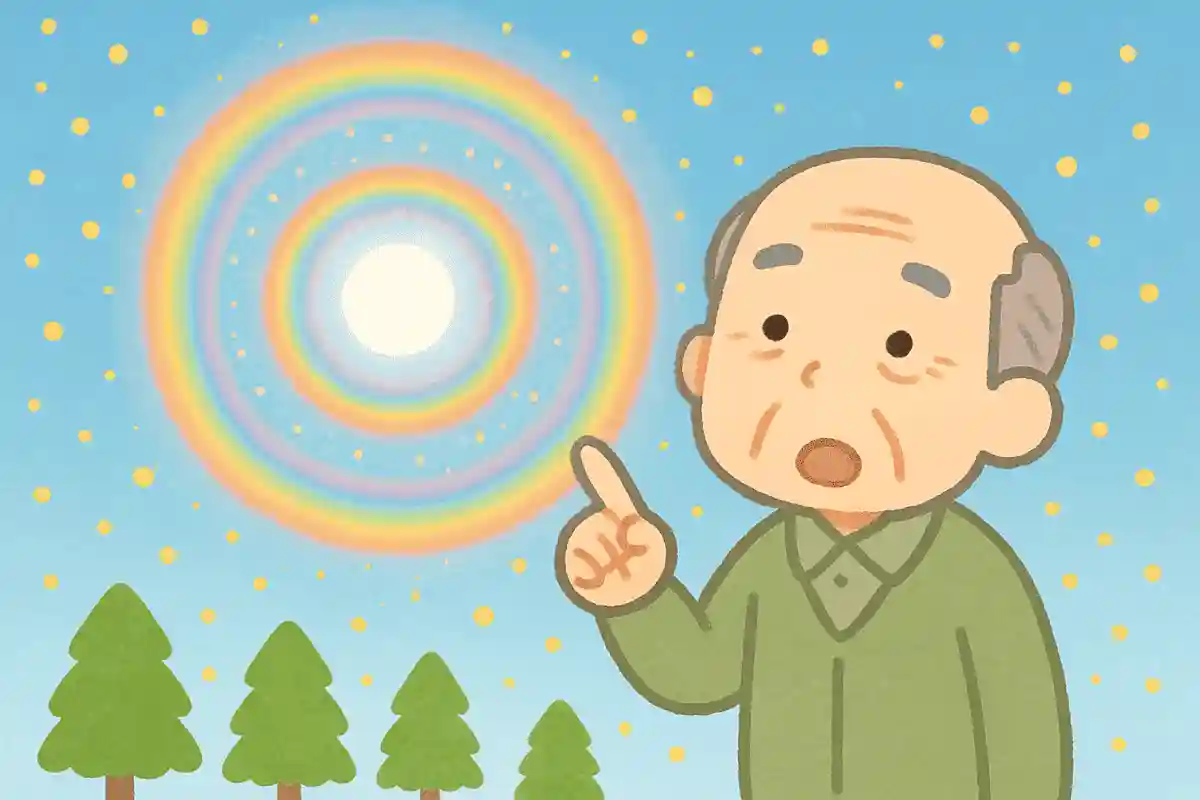
What is the phenomenon called in which multiple rainbow-like rings appear around the sun due to large amounts of pollen dispersed in the atmosphere?
- Pollen corona
- pollen corona
- pollen corona
See the answer
pollen corona
A pollen corona is a phenomenon in which sunlight strikes large amounts of pollen—such as cedar or cypress—scattered in the atmosphere, and the light is bent, causing multiple rainbow-like colored rings to appear around the sun. It is said to be a rare phenomenon that can only be seen on clear, windy days in early spring, especially when pollen levels are extremely high.
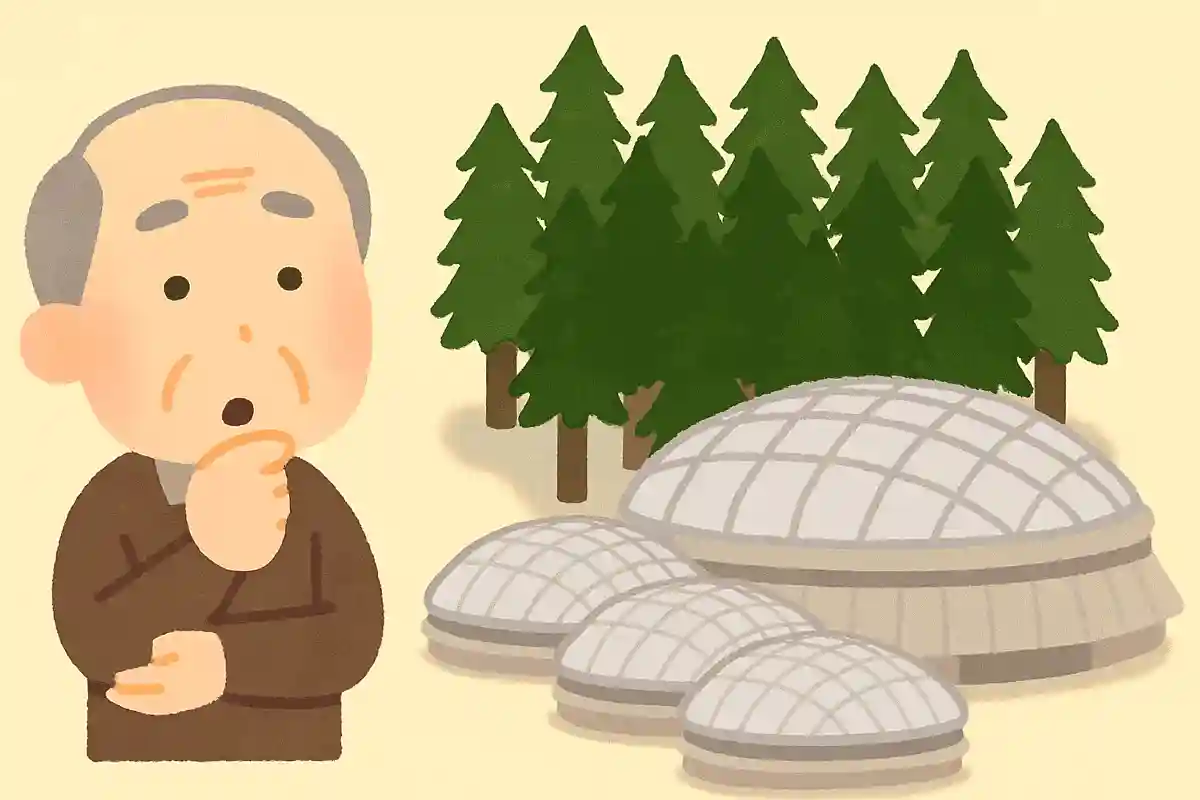
Approximately how many Tokyo Domes would the area of Japanese cedar (sugi) planted in Japan equal?
- About ten thousand units
- about one hundred thousand pieces
- about 950,000 pieces
See the answer
about 950,000 pieces
Of Japan’s forest area, artificial cedar (sugi) plantations extend to approximately 4.41 million hectares. Converted into the size of the Tokyo Dome, that’s an astounding area equivalent to about 950,000 domes.
Which of the following is correct regarding the description of people with hay fever?
- People with hay fever tend to have better eyesight.
- People with hay fever are less likely to catch colds.
- People with hay fever are more likely to develop food allergies.
See the answer
People with hay fever are more likely to develop food allergies.
It is known that people with hay fever are prone to developing a food allergy called oral allergy syndrome, in which the mouth or throat becomes itchy or swollen after eating certain fruits and vegetables. This occurs because the allergenic components of pollen are very similar in structure to the proteins contained in fruits and vegetables, causing the body’s immune system to mistakenly react.
Which of the following is a correct severe symptom of hay fever?
- loss of appetite
- sleep disorder
- muscle soreness
See the answer
sleep disorder
When hay fever becomes severe, uncomfortable symptoms such as nasal congestion, a runny nose that won’t stop, and sneezing can persist through the night, potentially causing a sleep disorder that prevents you from getting a good night’s rest. Ongoing sleep deprivation can lead to daytime fatigue and reduced concentration, and in the worst cases may also result in elevated blood pressure and a weakened immune system.