

![[For Seniors] Trivia Quiz & Fun Facts on Hay Fever: Learn Prevention Methods and Symptoms You Should Know](https://media.ragnet.co.jp/img/1200__png__https://www.ragnet.co.jp/files/2026/02/2aef2d806905a27d964b84cc98472b86.webp)
[For Seniors] Trivia Quiz & Fun Facts on Hay Fever: Learn Prevention Methods and Symptoms You Should Know

What we especially worry about in spring is hay fever, right?Many people probably suffer from sneezing and a runny nose.Precisely because it’s such a familiar topic, there are actually lots of little-known facts hidden within it.This time, we’ve prepared a rich selection of trivia quizzes about hay fever.From fabrics that are less likely to attract pollen, to foods that may help prevent hay fever, to the best timing to start taking allergy medicine—these questions let you enjoy learning practical, everyday knowledge.They’re also perfect as brain training for seniors, so please try them together with everyone!
[For Seniors] Pollen Allergy Trivia Quiz & Fun Facts. Learn the Prevention Methods and Symptoms You Should Know (1–10)
Why has Japanese cedar pollen allergy increased since the 1950s?
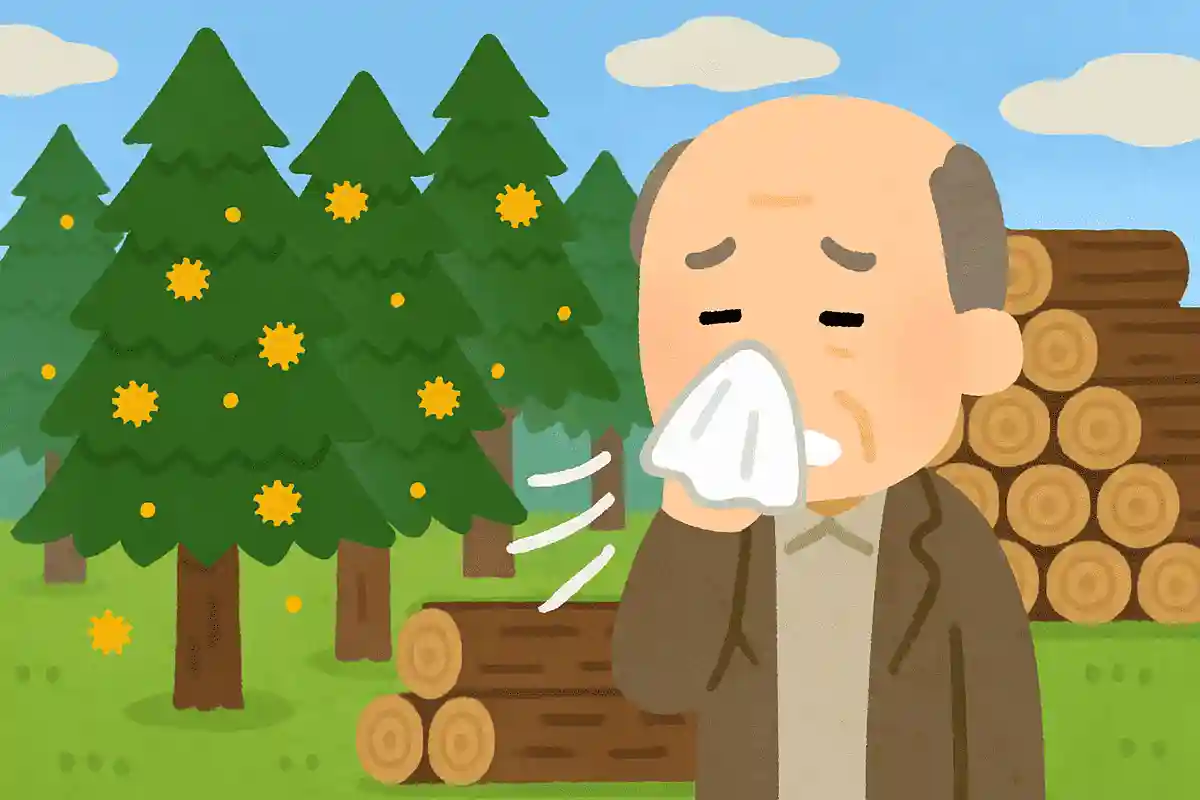
- Because the cedar trees that were planted in large numbers after the war have grown
- Because a cedar tree underwent a mutation
- Because Japanese cedars have grown gigantic due to global warming
See the answer
Because the cedar trees that were planted in large numbers after the war have grown
From during the war through the postwar period, fast-growing Japanese cedar (sugi) and cypress (hinoki) were extensively planted across Japan as building materials for the country’s reconstruction. Japanese cedar begins releasing pollen about 30 years after being planted, but as inexpensive imported lumber became widespread, Japan’s forestry industry declined, and more trees were left unharvested. As a result, these cedars grew large and began dispersing vast amounts of pollen, and it is said that the number of people developing hay fever rose sharply from the 1970s to the 1980s.

What vegetables should people with cedar pollen allergies be cautious about eating?
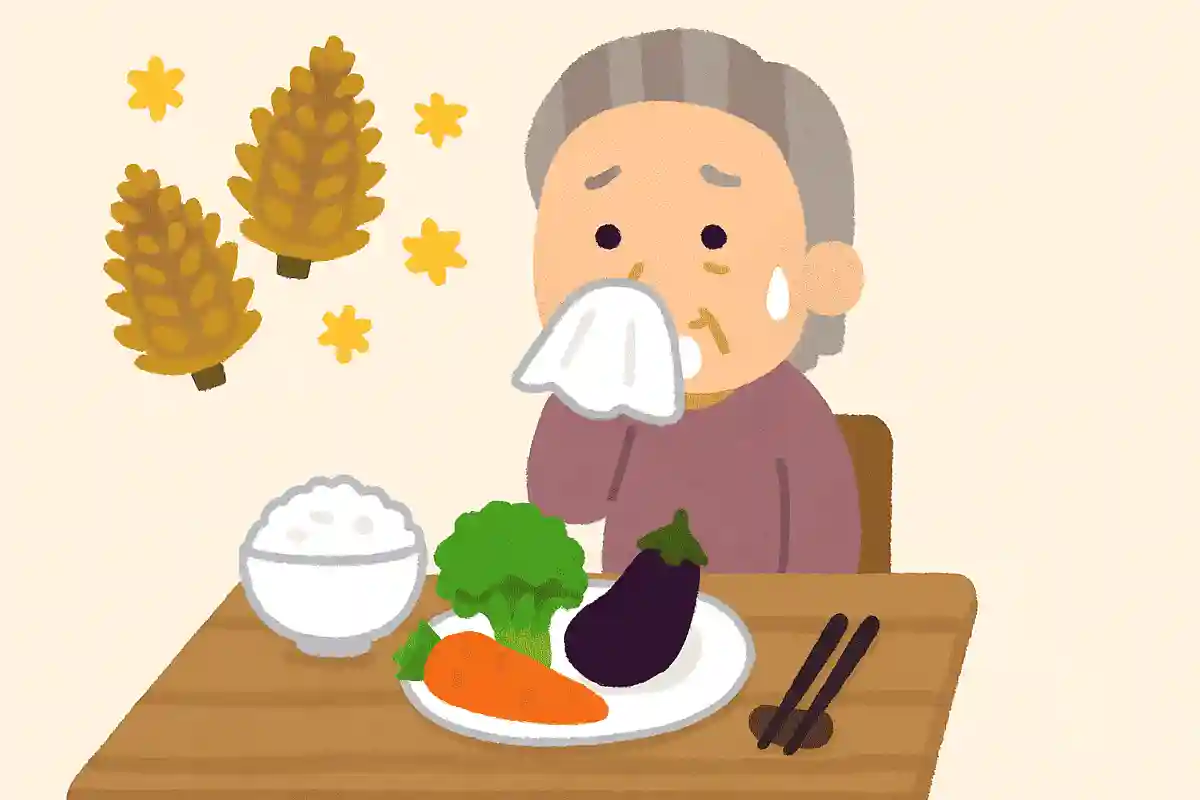
- tomato
- cabbage
- daikon radish
See the answer
tomato
People with Japanese cedar (sugi) pollen allergies may develop oral allergy syndrome when they eat tomatoes, experiencing tingling or itching in the mouth or on the lips. This happens because the allergen in cedar pollen and the proteins in tomatoes have very similar structures, causing the body to mistake one for the other and trigger an allergic reaction. It is said that symptoms are especially likely to occur with raw tomatoes.
In which country has Japanese cedar (sugi) pollen allergy become a nationwide health problem?
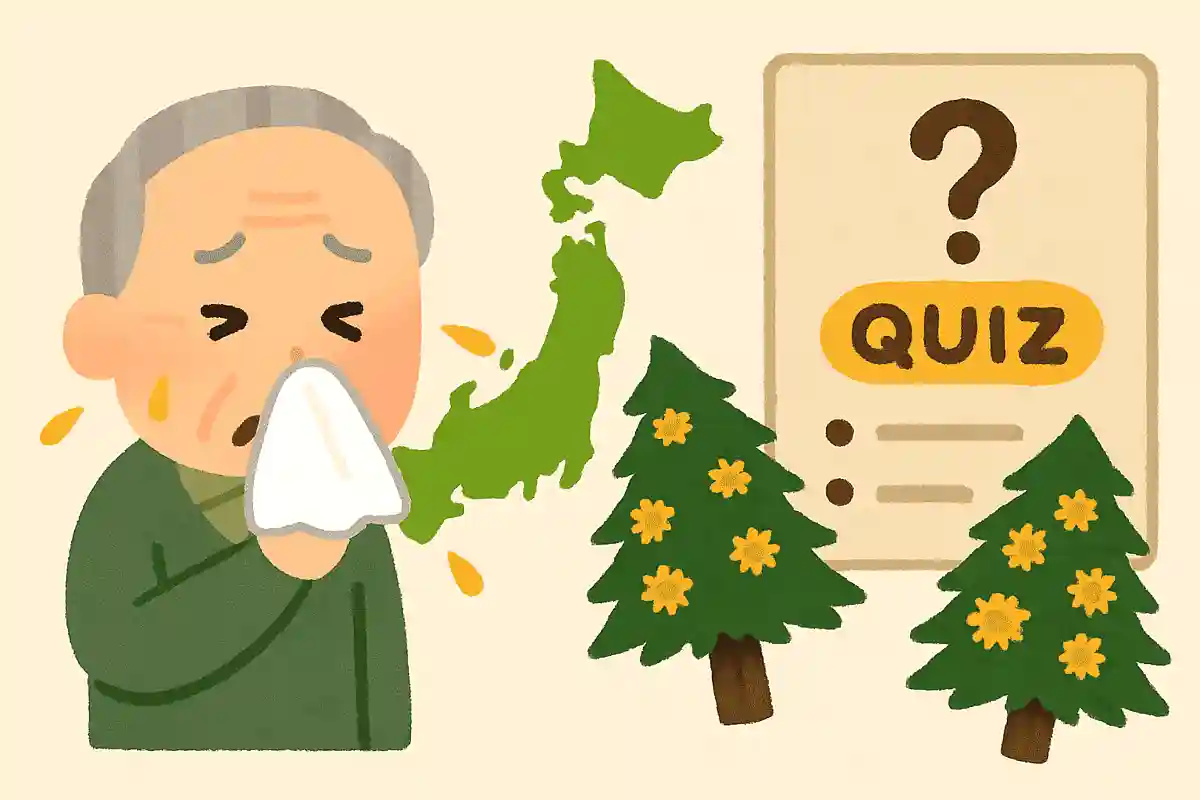
- Japan and the United Kingdom
- Japan and the United States
- Japan only
See the answer
Japan only
It’s often said that Japan is the only country in the world where cedar pollen allergies have become a nationwide illness and a major social issue. From the postwar reconstruction period through the era of rapid economic growth, vast numbers of Japanese cedars were planted across the country as building materials for housing and other uses. However, as inexpensive imported lumber became widespread, domestic cedar was increasingly left unharvested and unmanaged. As a result, these cedars grew large and began releasing massive amounts of pollen in early spring. While ragweed and grasses are common causes of hay fever overseas, the extent to which people suffer from cedar pollen allergies in Japan is a distinctive phenomenon born of the country’s history and environment.
Which regions have less Japanese cedar (sugi) pollen allergy?
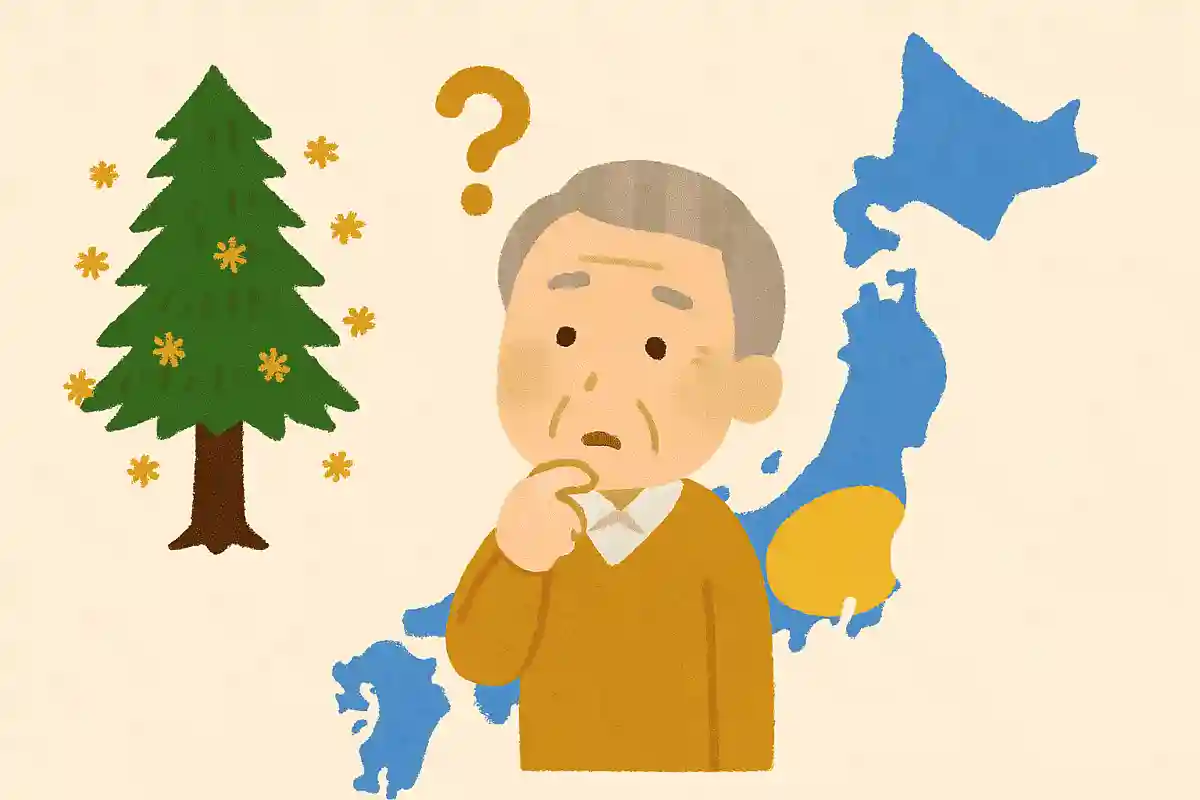
- Tokyo
- Osaka
- Okinawa
See the answer
Okinawa
Due to its climate, Okinawa Prefecture has very few naturally growing trees like Japanese cedar (sugi) and cypress (hinoki), which are major causes of hay fever. As a result, compared to Honshu and other regions, the amount of cedar pollen in the air is extremely low, and it is known as an area with relatively few people suffering from cedar pollen allergies.
Which of the following is the correct action to take after applying eye drops?
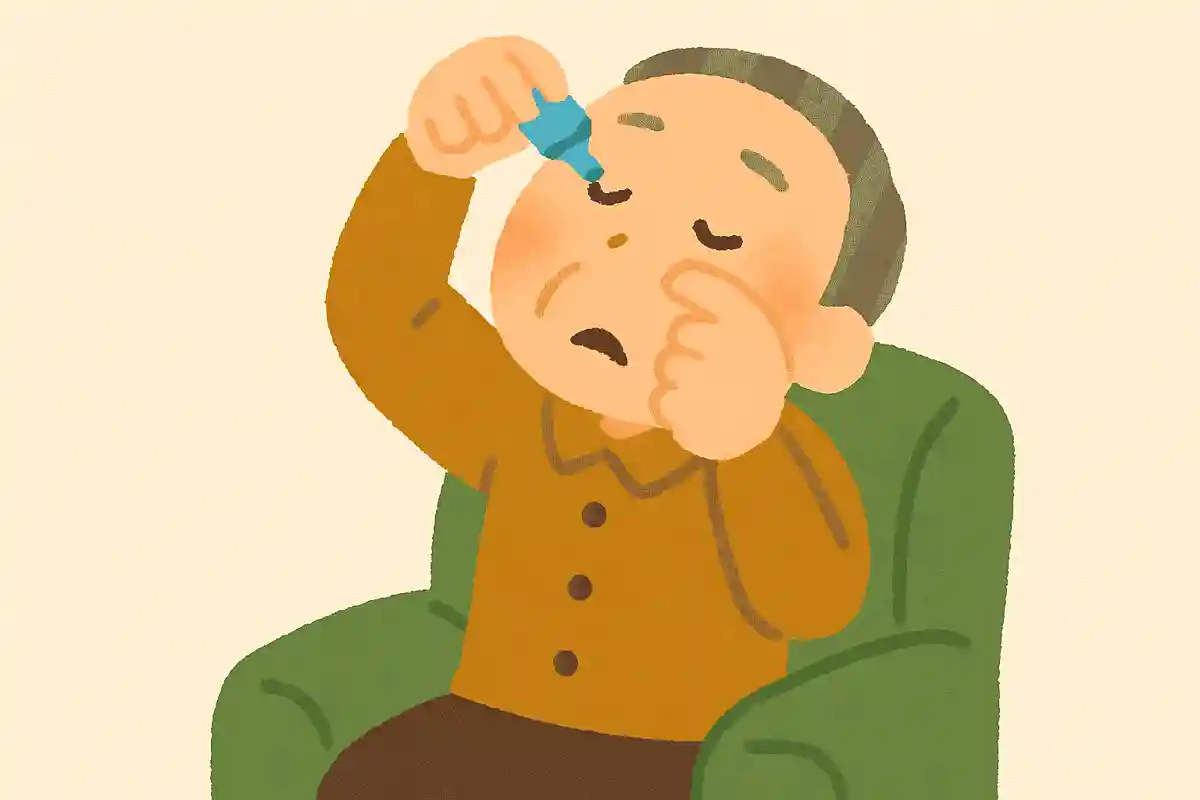
- blink one's eyes rapidly
- Close your eyes
- Open your eyes wide
See the answer
Close your eyes
If you blink repeatedly after applying eye drops, the active ingredients will flow into the back of your nose along with tears, preventing the medication from working effectively. The correct method is to gently close your eyes after instilling the drops and lightly press the inner corners. This helps the medication stay on the surface of the eye and work effectively against the itching and redness caused by hay fever.
To which of the following heights are pollen grains thought to be able to travel?
- 100 to 300 meters
- 300–600 meters
- more than 600 meters
See the answer
more than 600 meters
The correct answer is over 600 meters. Because cedar and cypress pollen is extremely small and light, it rides the wind and rises high into the air. Research has shown that it can reach from an altitude of 600 meters to over 1,000 meters.
When is a good time to start taking hay fever medication to prevent symptoms from becoming severe?
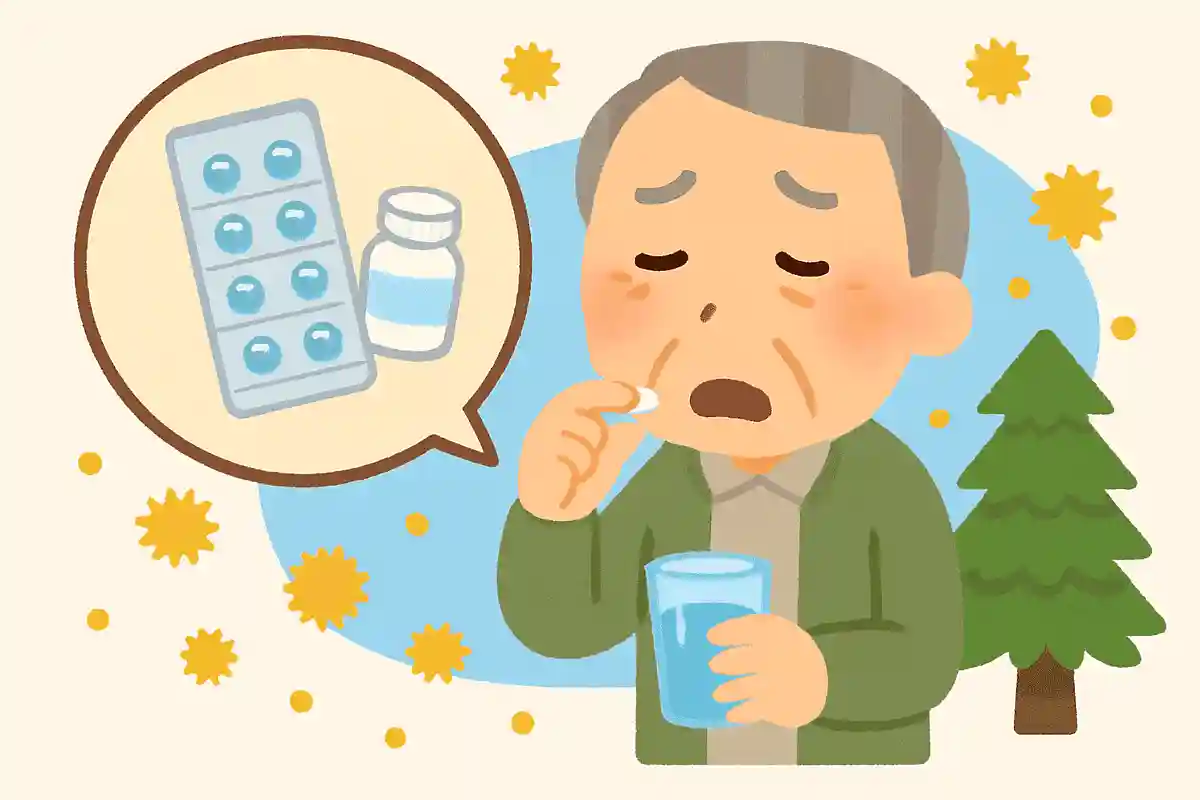
- About 1 to 2 weeks before pollen starts to spread
- Since my sneezing and runny nose got worse
- Around the time when the pollen dispersal ends
See the answer
About 1 to 2 weeks before pollen starts to spread
To help keep hay fever symptoms mild, starting early countermeasures known as “initial therapy” is highly effective. Specifically, it’s recommended to begin taking medication about 1–2 weeks before pollen starts dispersing in earnest, or as soon as you notice even slight nasal irritation. If you wait until symptoms become severe, the medication may be less effective, so it’s important to stay a step ahead.