

[For Seniors] Popular Brain Training and Recreational Quizzes

When it comes to brain-training recreation… quizzes! They’re easy to enjoy, which makes them one of the most popular activities.
This time, we’ve gathered brain-training games that seniors can enjoy.
They’re also recommended for those who feel their memory or confidence in numerical calculations has waned a bit lately.
Thinking with your head activates the brain and helps prevent dementia.
If you’re planning quiz-based recreation for a day service or senior facility, be sure to give it a try.
- [For Seniors] Brain Training! Recall Quiz Collection!
- [For Seniors] Lively Wordplay Game: Fun Recreation for Elderly Care
- [For Seniors] Brain Training Recommended for Dementia Prevention
- [For Seniors] Fun Brain Training! Prefecture Quiz
- [For Seniors] Boost Your Knowledge! Fun Trivia Quiz
- [For Seniors] Perfect Brain Training! Fun Trivia
- [Brain Training] Lively Word Quiz for Seniors
- [For Seniors] Find daily brain training. Today’s recommended brain workout.
- [For Seniors] Fun Riddles That Stimulate the Brain
- [For Seniors] Fun and Lively! Recommended Quiz Questions
- [For Seniors] Have Fun with Wordplay Characters! A Collection of Funny Puzzles
- Hand games that liven things up for seniors—also great brain training
- [For Seniors] Brain-training quizzes for January: Let’s have fun with New Year and winter trivia
[For Seniors] Popular Brain-Training and Recreation Quizzes (101–110)
Spot the difference

Let us introduce a “find the different picture” activity, said to help train spatial awareness and concentration.
From the arranged illustrations, locate the one image that is different.
Because you need the focus to spot the odd one out and the memory to compare candidates with the original, it also serves as a workout for your working memory.
People of any age can enjoy it, and the sense of accomplishment when you find it is exceptional.
You can also time how long it takes and compete, so it’s fun for individuals as well as small groups.

What sport was popular in the 1970s thanks to the success of players like Kayoko Suda and Ritsuko Nakayama?

Speaking of the sport that sparked a huge boom centered in Tokyo in the 1970s, it’s bowling! Ritsuko Nakayama, Kayoko Suda, and Rie Ishii, who were immensely popular as beautiful professional bowlers, were known as the “Flower Trio,” and, unusually for athletes, continued their careers while appearing on seven regular weekly TV programs.
With its simple rule—roll the ball and knock down the pins—bowling has long been loved by people of all ages.
Some of you might fondly recall how obsessed you were with it in your younger days.

What vegetable was once grown for ornamental purposes because it was considered ‘poisonous’?
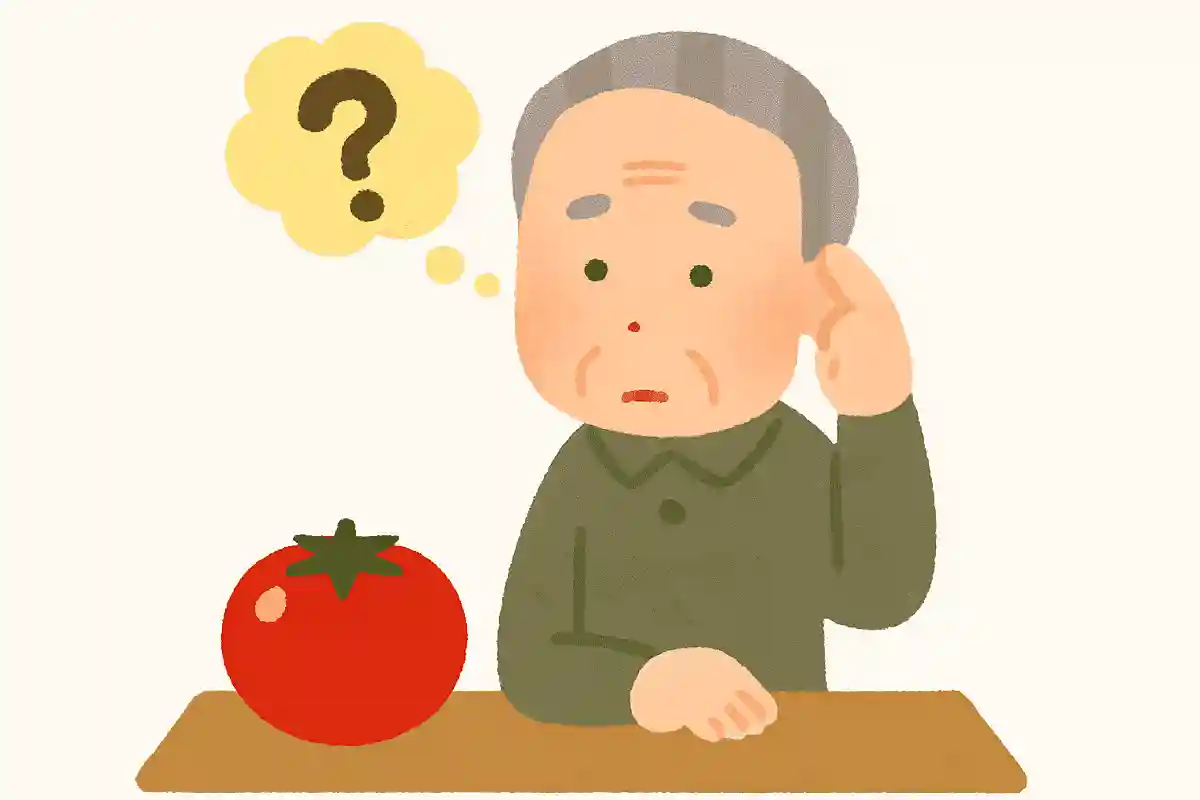
This answer would surprise even older folks! Nowadays, it’s an extremely common food that just about everyone, young and old, has eaten at least once.
Hints include that it’s a vegetable, it can be sweet or sour, and it contains lycopene, which helps improve lifestyle-related health issues and is great for beauty.
The answer is—tomatoes! The issue stemmed from toxins contained in tomatoes, but thanks to selective breeding, those toxic components have been greatly reduced today.
Still, the non-fruit parts like the stems and leaves are dangerous, so please be careful.

If you heat a certain item in the microwave, it will remove unpleasant odors inside. What is that item?
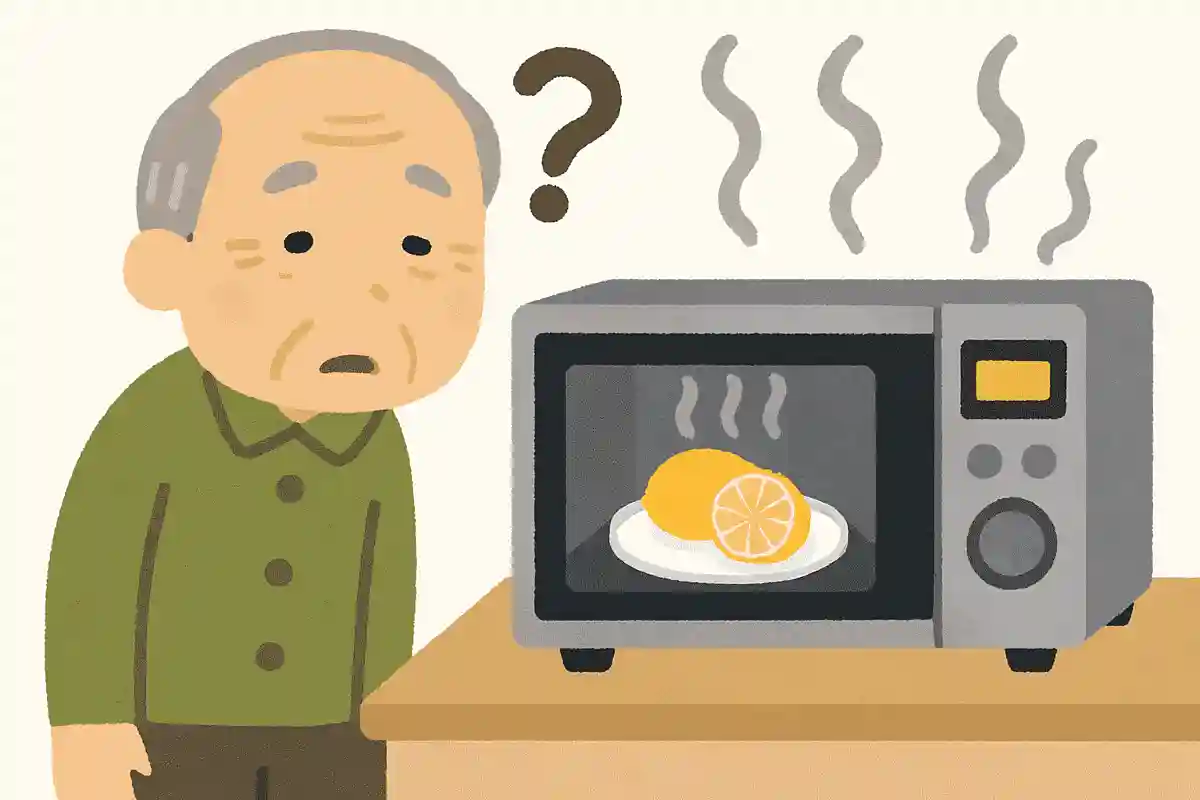
One home appliance that everyone uses is the microwave.
It’s a very convenient item, but since we put food in it, there’s the downside that it tends to get smelly.
We try cleaning it to get rid of the odor, but it can be hard to remove.
There’s a handy method to know for times like that.
Believe it or not, simply heating used tea leaves will eliminate the smell.
This works because of the catechins contained in tea.
By the way, if you leave the microwave closed for a few minutes after heating, it becomes even easier to remove the odor.

Why is it that we don’t eat eel raw?
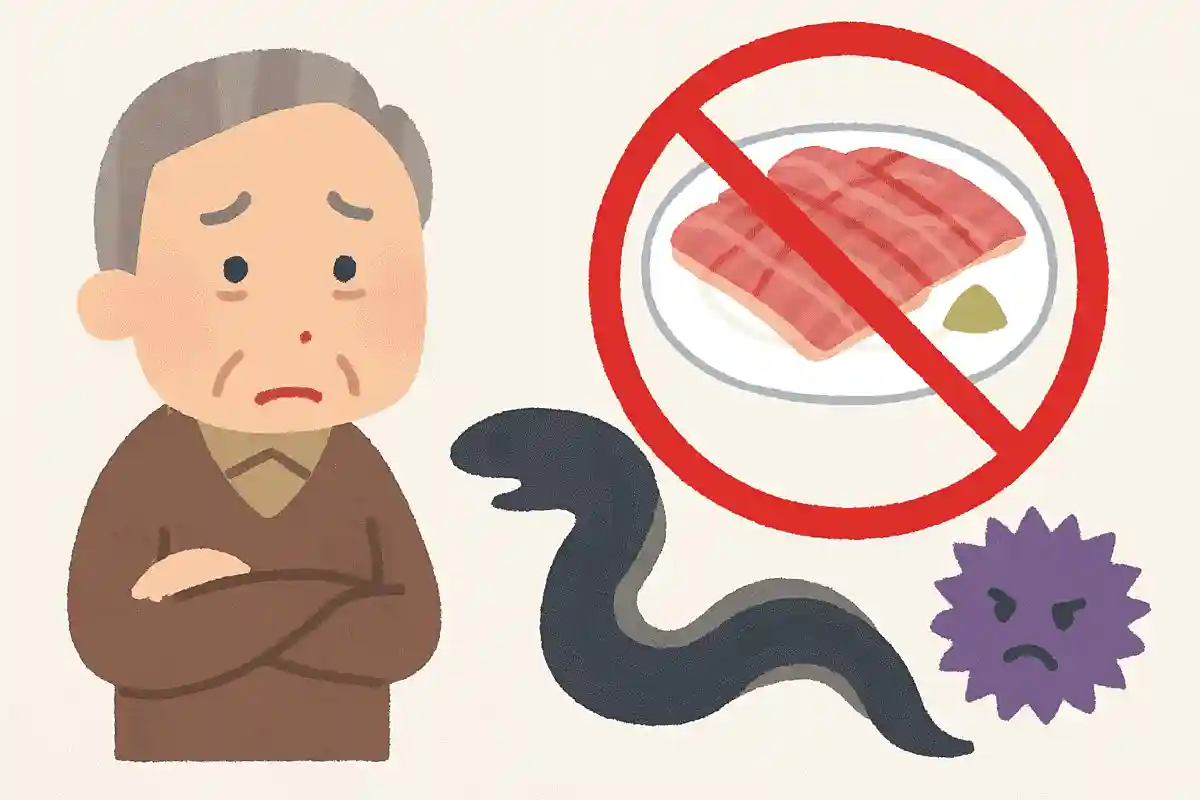
Eel has long been loved by the Japanese.
Dishes like unajū (eel over rice) and grilled kabayaki come to mind as delicious favorites.
However, you’ve probably never seen eel eaten raw.
Do you know why? It’s because eel blood is toxic, but the toxin is neutralized by heat.
As a guideline, heating at 60°C for 5 minutes makes it safe.
In recent years, processing techniques have advanced, making it easier to enjoy sashimi-style eel as well.
Take this opportunity to give it a try.
[For Seniors] Popular Brain Training and Recreational Quizzes (111–120)
When you can’t stop coughing, drinking a syrup made by soaking a certain vegetable in honey can calm it. What is that vegetable?
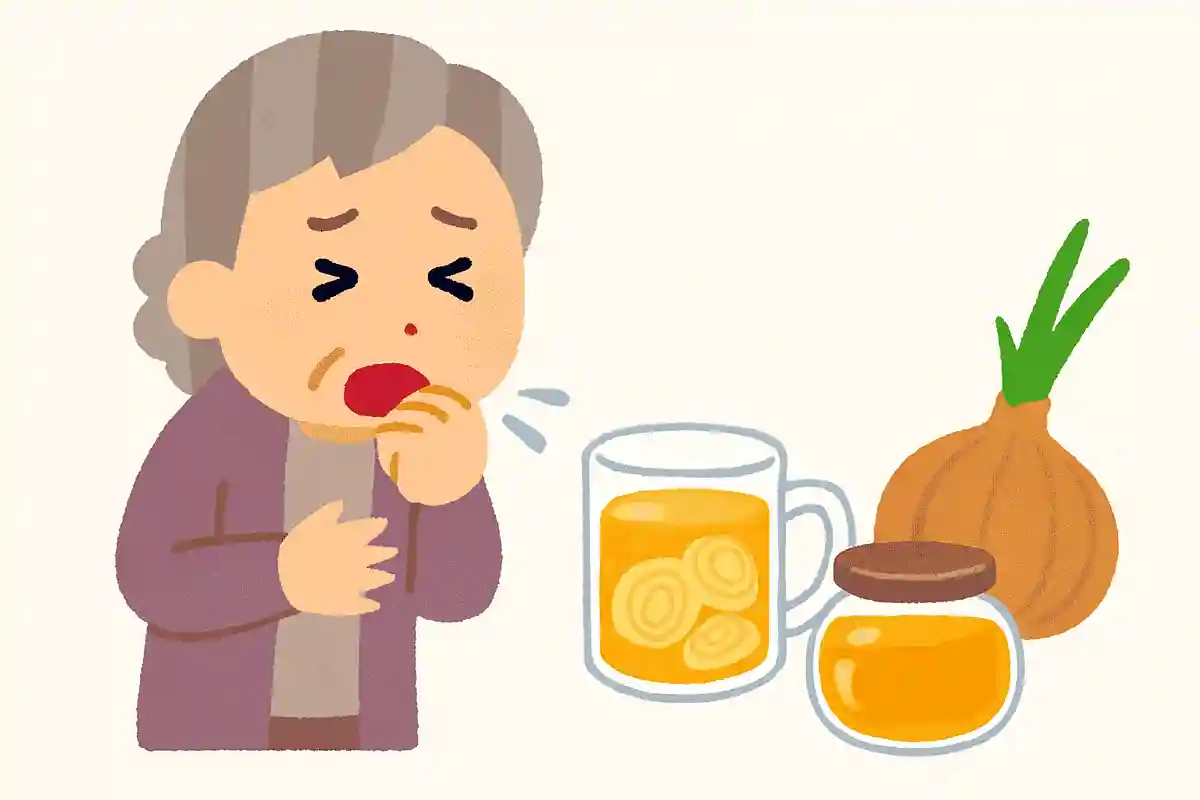
The correct answer is “daikon radish.” A compound found in daikon called isothiocyanate has anti-inflammatory effects, and honey contains an enzyme called glucose oxidase.
This enzyme reacts with oxygen in the air to produce hydrogen peroxide.
Hydrogen peroxide, also known as “oxydol,” has disinfectant properties—the same “oxydol” used to disinfect wounds.
Based on this, “honey daikon” appears to help soothe coughs by disinfecting the throat and reducing inflammation.
The calves are also called the “second heart.” Using a part of the body, what is it called as the “second” what?
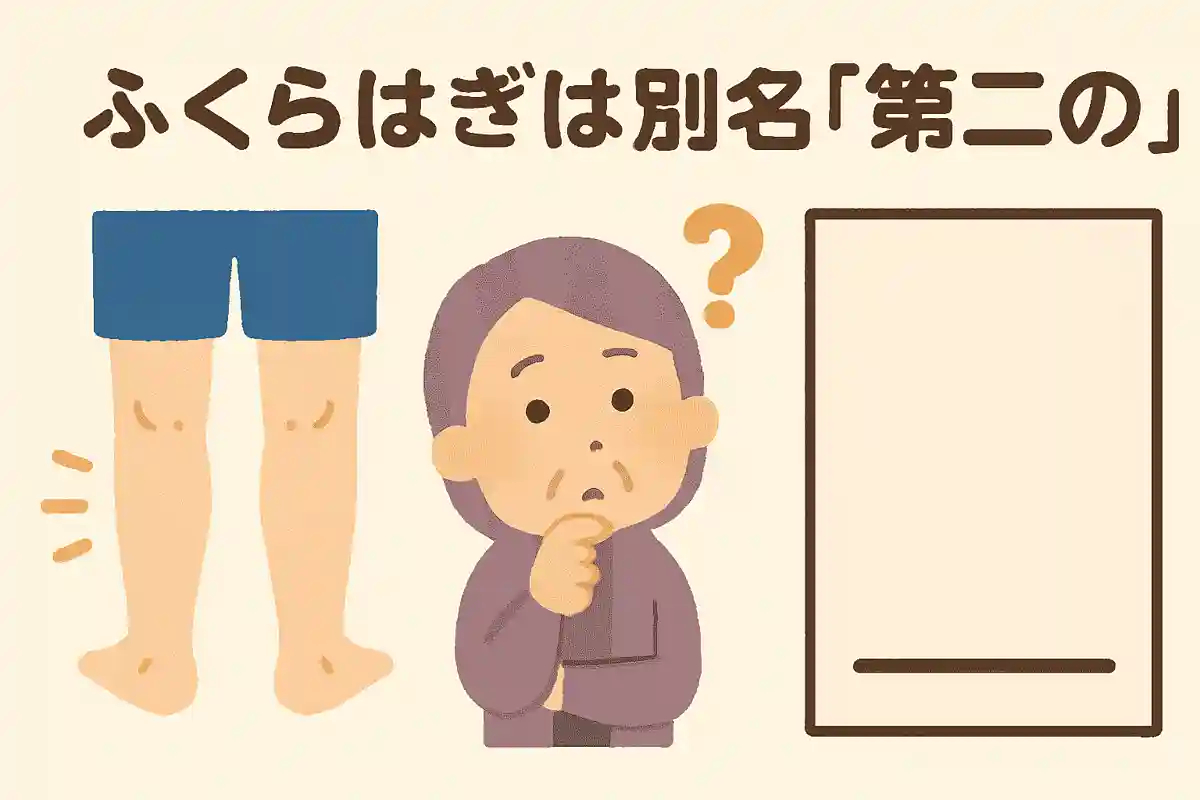
The calf, located on the back of the lower leg, has a nickname that uses the name of a body organ: “the second ___.” What is it? The hints are that it’s an internal organ and an indispensable organ not only for humans but also for animals.
The answer is the second “heart”! Blood tends to pool in the legs, but by actively moving the calves, blood circulates better and can be sent back to the heart more effectively.
That’s why they’re called the “second heart.”