

[For Seniors] Popular Brain Training and Recreational Quizzes

When it comes to brain-training recreation… quizzes! They’re easy to enjoy, which makes them one of the most popular activities.
This time, we’ve gathered brain-training games that seniors can enjoy.
They’re also recommended for those who feel their memory or confidence in numerical calculations has waned a bit lately.
Thinking with your head activates the brain and helps prevent dementia.
If you’re planning quiz-based recreation for a day service or senior facility, be sure to give it a try.
- [For Seniors] Brain Training! Recall Quiz Collection!
- [For Seniors] Lively Wordplay Game: Fun Recreation for Elderly Care
- [For Seniors] Brain Training Recommended for Dementia Prevention
- [For Seniors] Fun Brain Training! Prefecture Quiz
- [For Seniors] Boost Your Knowledge! Fun Trivia Quiz
- [For Seniors] Perfect Brain Training! Fun Trivia
- [Brain Training] Lively Word Quiz for Seniors
- [For Seniors] Find daily brain training. Today’s recommended brain workout.
- [For Seniors] Fun Riddles That Stimulate the Brain
- [For Seniors] Fun and Lively! Recommended Quiz Questions
- [For Seniors] Have Fun with Wordplay Characters! A Collection of Funny Puzzles
- Hand games that liven things up for seniors—also great brain training
- [For Seniors] Brain-training quizzes for January: Let’s have fun with New Year and winter trivia
[For Seniors] Popular Brain-Training and Recreation Quizzes (51–60)
Brain-boosting riddles: activate your brain in 20 seconds

Let me introduce a perfect brain-training game for when you want to consciously get your mind moving: “Brain-Boost Riddles: Activate Your Brain in 20 Seconds.” By thinking of answers within a short 20-second time limit, you naturally train your concentration and quick thinking.
The problems are simple yet clever, stimulating creativity and memory to promote brain activation.
The sense of achievement when you solve them boosts motivation, and continued practice can be expected to deliver real results.
It’s a brain-training idea that works great for lively group fun or at your own pace solo.

Kanji that are easy to misread quiz

We use them all the time, but we might actually be reading them wrong! Here are some ideas for a quiz on kanji that are easy to misread.
There are countless idioms used in everyday life, right? It might be a quiz full of new discoveries like “Oh, I memorized that wrong!” or “I didn’t know that!” Be sure to try this quiz on commonly misread kanji! For example, a word like “肉汁” appears and you’re asked, “How do you read this kanji?” There are 20 such questions.
Each has a 10-second time limit, so just answer as you normally would.
Brain Teasers: Riddle Quiz

The “Brain Gym Riddle Quiz” that sparks inspiration is a wordplay game that’s fun to think through.
Each prompt has a little twist, so the answer won’t always come to you right away.
By shifting your perspective—looking at the order or appearance of words, or everyday events—you’re nudged closer to the solution.
Part of the charm is how the puzzles can make you go “aha!” or even laugh.
Since it’s about creativity rather than knowledge, anyone can join in casually, and the time spent thinking becomes a pleasantly stimulating experience.
It’s a brain-training game that gently loosens up your mind while you enjoy yourself, and it’s especially recommended for older adults.
Kanji quiz with the fish radical
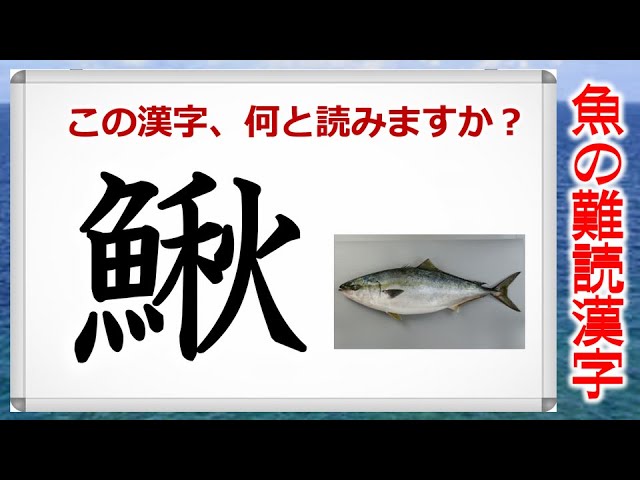
Here are some ideas for a tricky quiz on kanji with the “fish” radical.
The exact count varies depending on the dictionary and what you include, but it seems there are actually more than 200 such characters.
We might think we know the kanji for fish that commonly appear on the dining table, but if you don’t fish or work with fish, many of them can be quite difficult.
For example, there’s a quiz with 25 questions where a fish-radical kanji is shown and you’re asked, “How do you read this kanji?” The questions get more difficult in the latter half, but it really piques your curiosity.
[For Seniors] Popular Brain Training & Recreation Quizzes (61–70)
Vertical and Horizontal Fill-in-the-Blank Quiz
@thinkbodyjapan Prevent running out of activity ideas! Whiteboard activity ideas!CaregivingCaregivertranslation
♫ Original song – TBJ / Care • Rehabilitation • Nursing – TBJ / Care • Rehabilitation • Nursing
Let’s try a fill-in-the-letter quiz on a whiteboard.
We’ll write three-letter words in a horizontal row on the board.
Leave the middle letter blank, and have the seniors guess it.
By thinking of different letters that could fit in the blank, it becomes a brain-training activity.
The key is to make sure that when you fill in the blank letters and read across, they form words.
Everyone’s suggested answers can be correct, and another single word will also emerge, giving the seniors a sense of accomplishment.

A crossword featuring the flavors of autumn

This is a recreational activity featuring a crossword puzzle themed around autumn flavors.
Prepare the grid in advance, provide across and down clues, and have participants derive the answers.
Incorporating English words or fun facts into the clues adds an element that invites deeper thought and can help stimulate the brain.
Questions that feel obvious yet hard to recall—like “a sweet fruit harvested in autumn,” which would be “persimmon”—can liven up the atmosphere.
Setting a time limit creates a sense of tension, and a team-based, cooperative format is also recommended.
After the correct answers are revealed, the conversation can naturally expand to topics about each ingredient, prompting memories and impressions of eating them, making it a great opportunity for social interaction.

Legendary Soccer Player Quiz

Recommended for soccer and sports lovers! Here are some ideas for a Legendary Soccer Player Quiz.
There are many legendary players in the world of soccer, right? This quiz challenges you to name those legendary soccer players! For example, a face photo of a player is shown and you’re asked, “What is this player’s name?” However, the face photo is displayed for only 0.1 seconds, so it’s a good idea to pause the video as you work through it.