

[For Seniors] Trivia Quiz & Fun Facts About Rain

During the rainy season, it often rains continuously, limiting outings and activities.
But precisely because it’s that time of year, why not have some fun with a trivia quiz about rain? Through knowledge related to rain and the rainy season, you can look back on old memories and feel the changing of the seasons, bringing a sense of calm to the heart.
The content is familiar and accessible for older adults, making it perfect as mental exercise, too.
Enjoying quizzes together will spark conversation and surely lead to a time filled with smiles.
Take this opportunity to learn about the wonders and fun facts of rain and rediscover the charm of the season.
- [For Seniors] Trivia Quiz & Fun Facts About the Rainy Season (Tsuyu)
- [For Seniors] Trivia Quiz & Fun Facts About the Weather
- [For Seniors] June Health Topic: Recreational Activities to Enjoy the Rainy Season
- [For Seniors] Trivia Quiz & Fun Facts for Everyday Life
- [For Seniors] Summer-Themed Trivia Quiz & Fun Facts Collection
- For Seniors: Useful Trivia Questions! Introducing Fun Facts Quizzes You'll Want to Share
- [For Seniors] Weather Proverb Quiz
- [For Seniors] Boost Your Knowledge! Fun Trivia Quiz
- For Seniors: Enjoy the Rainy Season—Event Ideas Perfect for June
- [For Seniors] Summer Festival Trivia Quiz & Fun Facts. Enjoyable Quizzes That Boost Your Knowledge
- [For Seniors] Summer-Themed Quiz: A Collection of Fun Questions to Liven Up Recreational Activities
- [For Seniors] Quizzes That Capture June: A Collection of Trivia and Fun Facts
- [For Seniors] Fun and Informative! Trivia and Quizzes Introduced
[For Seniors] Trivia Quiz & Fun Facts About Rain (1–10)
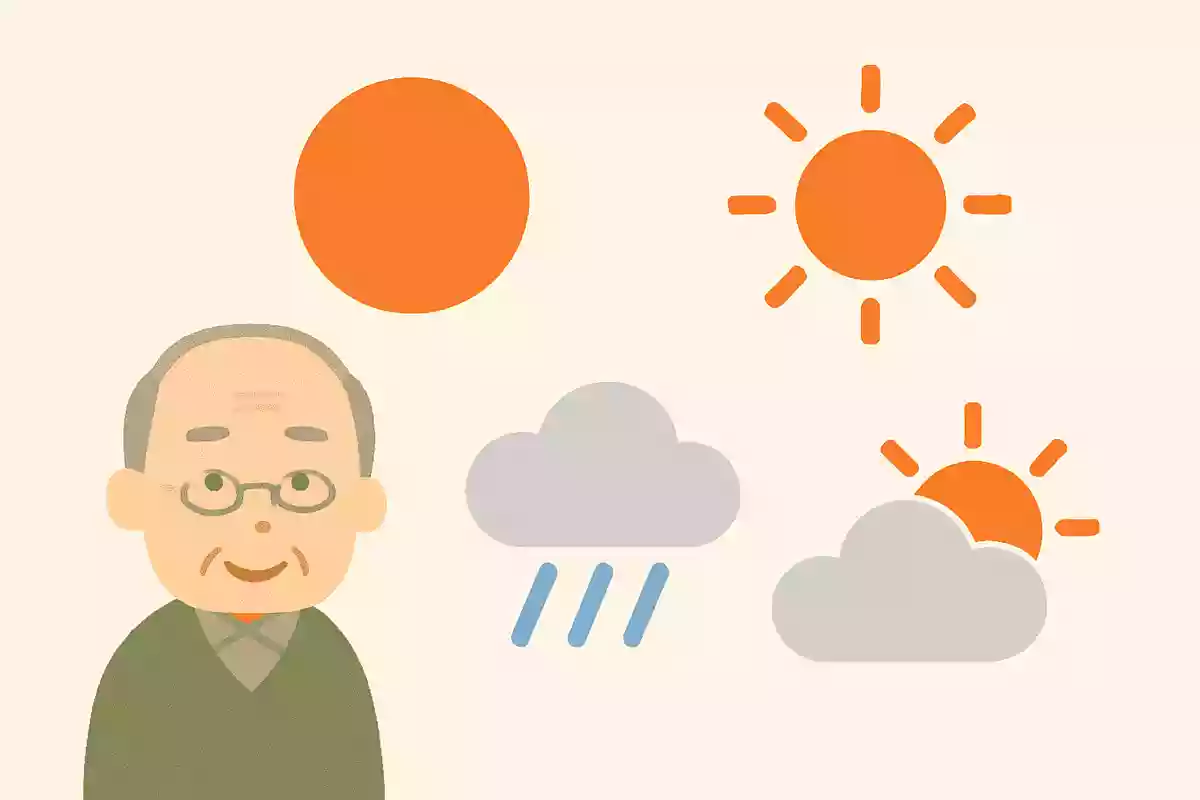
In weather symbols, which mark represents clear skies?
- 〇
- ⚫︎
- A white triangle inside a white circle
See the answer
〇
One of the weather symbols often used in forecasts is a white circle (〇) that indicates “clear skies.” This mark means the sky is crystal clear with not a single cloud. Among various types of sunny weather, it is used as a symbol for days that are especially cloudless—bright and pleasantly clear.

There’s a phrase that refers to a sunshower: “the wedding of the ___.” Which animal’s name fills the blank?

- fox
- raccoon dog
- cat
See the answer
fox
Although the weather is clear, when a light sprinkle falls—known as a “sunshower”—it has long been called “a fox’s wedding” in Japan. This expression stems from folktales and legends handed down across the country. The mysterious phenomenon of a sunshower is described as an illusion shown by foxes to deceive humans, or as weather that keeps the foxes’ wedding procession from being seen.
There’s a phrase meaning “sunshower” that goes, “the ____’s wedding.” Which animal’s name fits in the blank?

- fox
- raccoon dog
- cat
See the answer
fox
‘Kitsune no yomeiri’ refers to the curious weather phenomenon when it rains even though the sky is clear. In the past, people thought such weather was out of the ordinary and wondered if foxes were tricking humans, which led to using an expression associated with foxes.
[For Seniors] Trivia Quiz & Fun Facts about Rain (Questions 11–20)
What do you call it when the rainy season has begun, but there’s surprisingly little rain—so little that it doesn’t feel like the rainy season?
- dry rainy season
- false rainy season
- early-summer rains (fresh/green rainy season)
See the answer
dry rainy season
“Karatuyu” (literally “empty rainy season”) refers to a weather phenomenon in which, despite the start of the rainy season, little rain falls and sunny days continue. In a typical year, the rainy season (around June to July) brings prolonged rainfall, but in a year with karatsuyu there is less humidity and rain, which can affect daily life and the environment in various ways, such as causing water shortages for crops and decreases in dam reservoir levels.
When did observations for the start and end of the rainy season begin?

- 1930 (5th year of the Showa era)
- 1951
- 1966
See the answer
1951
Observations of the start and end of the rainy season (tsuyu) in Japan began in 1951 (Showa 26). This was one of the initiatives launched by the Japan Meteorological Agency to communicate information about climate and weather more accurately. Initially, the announcements were made to inform the public about the rainy season period, which greatly affects the growth of crops and daily life.
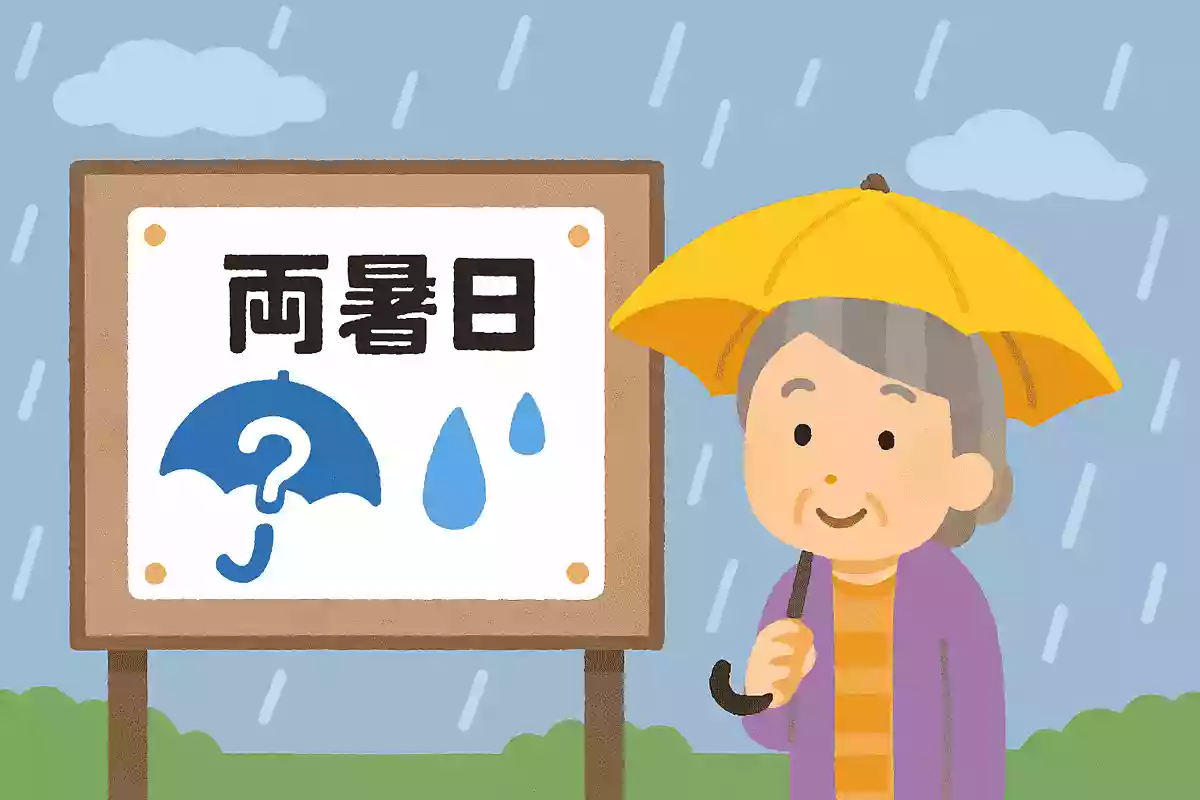
What is the minimum maximum temperature that defines an extremely hot day (mōshobi)?
- 30℃
- 35℃
- 40℃
See the answer
35℃
A “mōshobi” (extremely hot day) is a meteorological term that refers to a day when the highest temperature reaches 35°C or above. There are other classifications based on temperature as well: a day of 30°C or above is called a “manatsubi” (midsummer day), and a day of 25°C or above is called a “natsubi” (summer day).
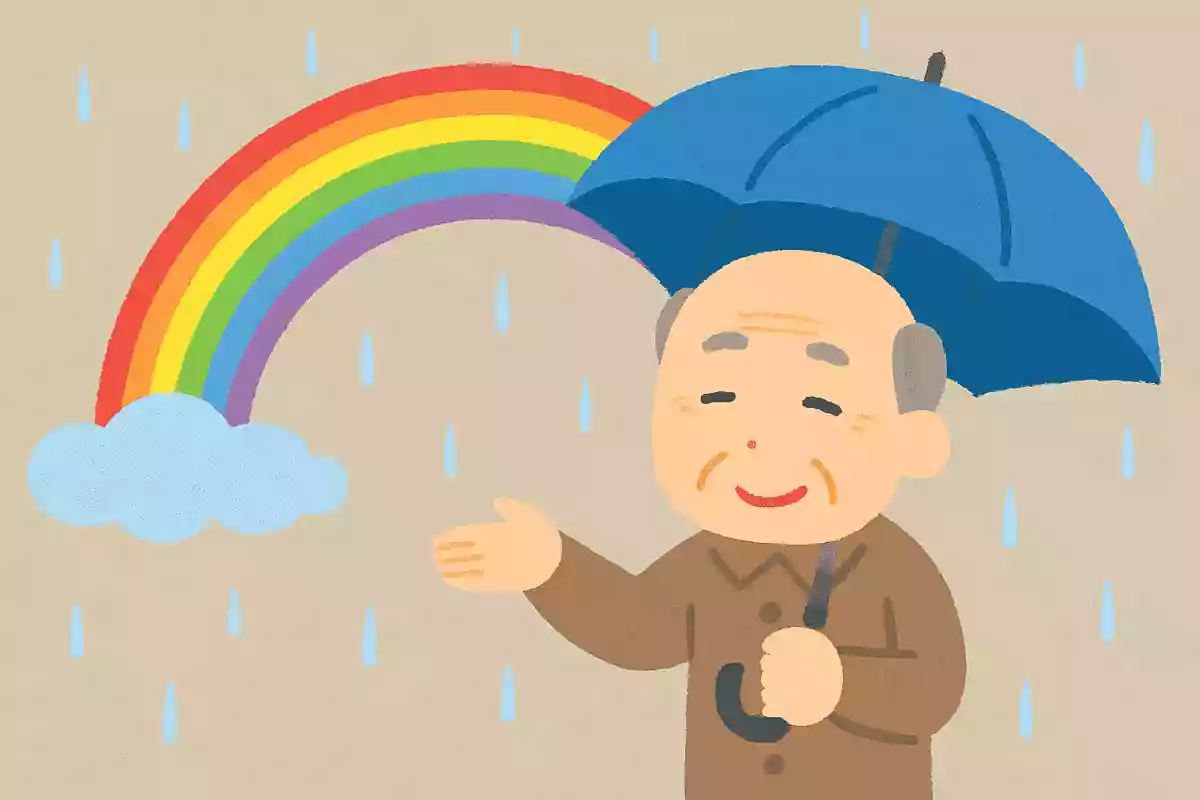
Which direction does the rainbow appear in?
- The other side of the Sun
- Directly under the sun
- You can’t predict the direction where a rainbow will appear.
See the answer
The other side of the Sun
A rainbow is a natural phenomenon in which sunlight strikes raindrops, is reflected and refracted, and the light separates to appear as a band of colors. At such times, a rainbow always appears on the side opposite the sun. For example, if the sun is in the western sky in the evening, the rainbow will be visible in the eastern sky.