How about an indoor quiz that lets you stay comfortable as a recreational activity on hot summer days? In recent years, Japan has been getting hotter year by year.
Quizzes let you train your brain without physical exertion, so they’re a great option for recreation in senior facilities during midsummer.
Since the theme is summer, it might help people feel the season and recall past memories.
For older adults, looking back and talking about the past can promote emotional stability and benefit cognitive function.
It also makes it easier to spark communication with those around them.
Enjoy a fun summer moment while doing brain training with quizzes!
[For Seniors] Summer-Themed Quiz: A Collection of Fun Questions to Liven Up Recreation (1–10)
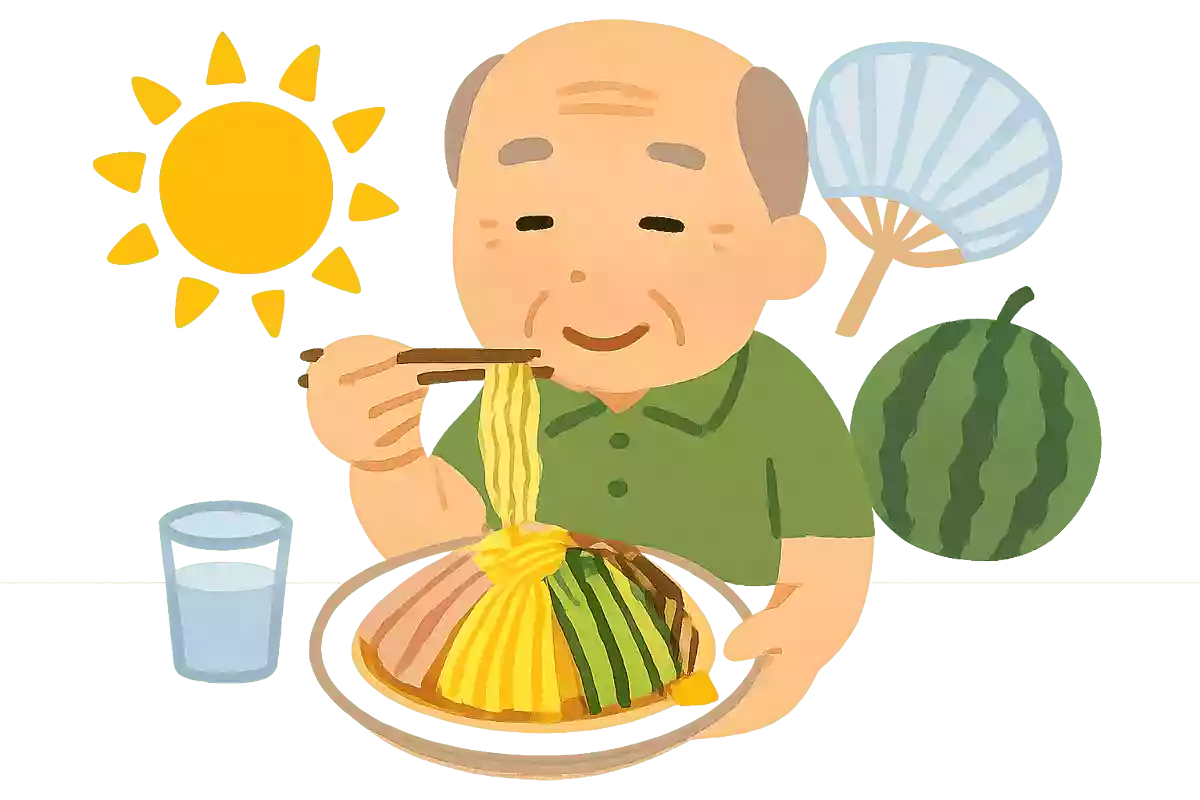
Which country is the origin of Hiyashi Chuka?
Hiyashi chuka is a refreshing cold noodle dish that’s perfect for hot weather.
It’s a well-known menu item devised to help beat the heat.
So, where did this popular cold noodle dish originate? The answer is… Japan.
The name might make many people think it’s Chinese, but the truth may come as a surprise.
Remembering this when you eat hiyashi chuka might make the flavors of summer feel just a little more special.
Somen is a dish often eaten in summer. What is the difference between somen and hiyamugi?
Many people often eat somen in the summer.
Some might prefer hiyamugi instead.
Here’s a question: what’s the difference between hiyamugi and somen? The correct answer is thickness.
However, the difference isn’t only thickness.
Somen dough is stretched by hand, while hiyamugi is rolled out with a rolling pin—that’s another distinction.
Additionally, the official way to tell them apart is that noodles with a diameter of less than 1.3 mm are somen, and those thicker than that are hiyamugi.
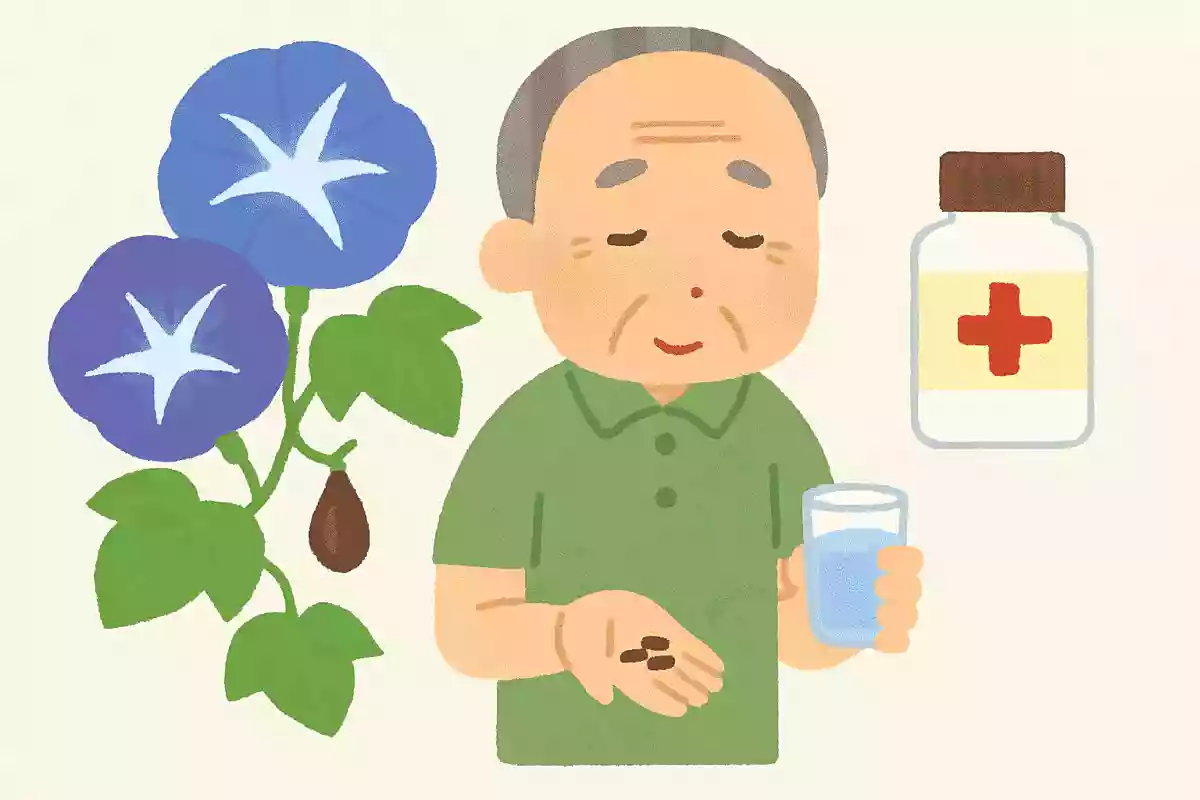
Morning glory seeds originally came to Japan as a medicine. What kind of medicine were they?
It’s not widely known, but morning glory seeds originally came to Japan as medicine.
Here’s a question: What kind of medicine were they? Hint: a remedy to regulate digestion.
In fact, morning glory seeds were used as a laxative to promote bowel movements.
This surprising fact sparks lively conversation among participants—“Really? Is that true?” Learning old wisdom broadens topics about health and the seasons, making it perfect for brain training, too.
It’s a quiz that lets you discover another side of the morning glory beyond its beautiful flowers.
What is the official name of the marble inside a bottle of ramune?
Ramune in glass bottles is a quintessential symbol of summer.
Drinking a well-chilled bottle of ramune on a hot summer day can blow the heat away.
Speaking of bottled ramune, its hallmark is the glass marble inside.
The official name of this marble is the “A-dama” (A marble).
Marbles that met the standard—specifically, those without any distortions that could be used as the bottle’s stopper—were called A-dama.
Those that didn’t meet the standard were called B-dama and became the toy marbles known as “bīdama.” Back when bottled ramune was first sold, many B-dama were produced, and shops that sold ramune would hand them out to children.
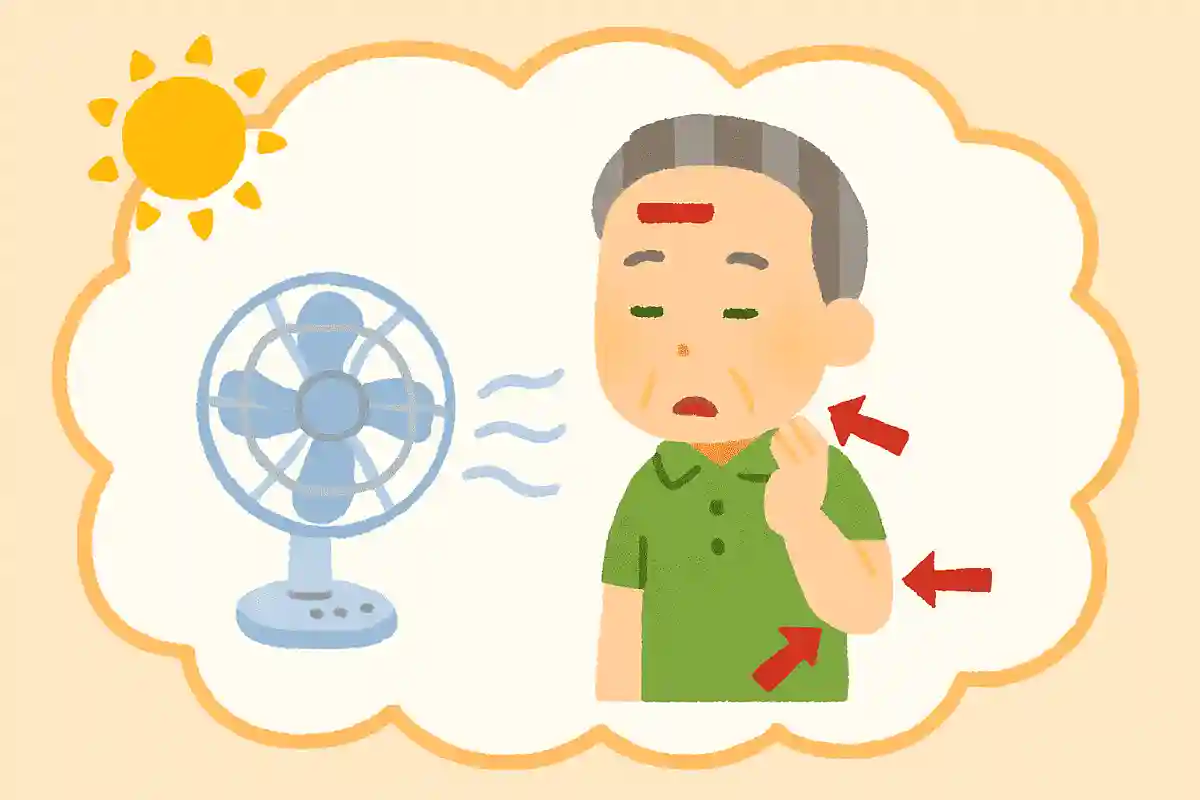
On a hot day, which parts of the body should you cool with a fan to most efficiently lower your body temperature?
In summer, many people use electric fans.
In fact, there are parts of the body where directing the airflow can lower your body temperature more efficiently.
That’s the feet.
The skin behind the knees is especially thin and has many blood vessels, so blowing air there can cool the circulating blood.
You can get a similar effect behind the elbows or on the back of the neck, but since that can increase the risk of dry eyes, the feet are a better option.
However, when blowing air on your feet, be careful not to overcool them—adjust the fan speed accordingly.
Do you know how many public holidays there are in August? Actually, just one.
So, do you know what that holiday is? The answer is Mountain Day.
Mountain Day is a relatively new holiday established in 2016, intended to encourage people to appreciate and become familiar with mountains.
Even if you don’t make it to a mountain, why not use the day to spend time in nature or enjoy some exercise? By the way, some prefectures have their own Mountain Day set independently.
Your prefecture might even have its own version of Mountain Day.


![[For Seniors] Summer-Themed Quiz: A Collection of Fun Questions to Liven Up Recreational Activities](https://media.ragnet.co.jp/img/1200__png__https://www.ragnet.co.jp/files/2025/06/c637c1d2e19f50ed5cd21afea025cf9a.webp)