

[For Seniors] Summer-Themed Quiz: A Collection of Fun Questions to Liven Up Recreational Activities


How about an indoor quiz that lets you stay comfortable as a recreational activity on hot summer days? In recent years, Japan has been getting hotter year by year.
Quizzes let you train your brain without physical exertion, so they’re a great option for recreation in senior facilities during midsummer.
Since the theme is summer, it might help people feel the season and recall past memories.
For older adults, looking back and talking about the past can promote emotional stability and benefit cognitive function.
It also makes it easier to spark communication with those around them.
Enjoy a fun summer moment while doing brain training with quizzes!
- [For Seniors] Brain Training! Recall Quiz Collection!
- [For Seniors] Fun Brain Training! Prefecture Quiz
- [For Seniors] Boost Your Knowledge! Fun Trivia Quiz
- For Seniors: Lively! Trivia and Fun Facts Quiz for August
- For seniors: Fun, crowd-pleasing word association game ideas
- [For Seniors] Lively Wordplay Game: Fun Recreation for Elderly Care
- August quizzes that seniors can enjoy!
- [Brain Training] Lively Word Quiz for Seniors
- [For Seniors] Enjoy Brain Training with September Trivia Quizzes & Fun Facts
- [For Seniors] Guaranteed to Liven Things Up! A Collection of Brain Training Activities That Will Spark Laughter
- [For Seniors] Fun Riddles That Stimulate the Brain
- [For Seniors] Summer-Themed Trivia Quiz & Fun Facts Collection
- [For Seniors] Summer Festival Trivia Quiz & Fun Facts. Enjoyable Quizzes That Boost Your Knowledge
[For Seniors] Summer-Themed Quiz: A Collection of Fun Questions That Liven Up Activities (21–30)
When is eel in season, which we eat on the midsummer Day of the Ox in July?
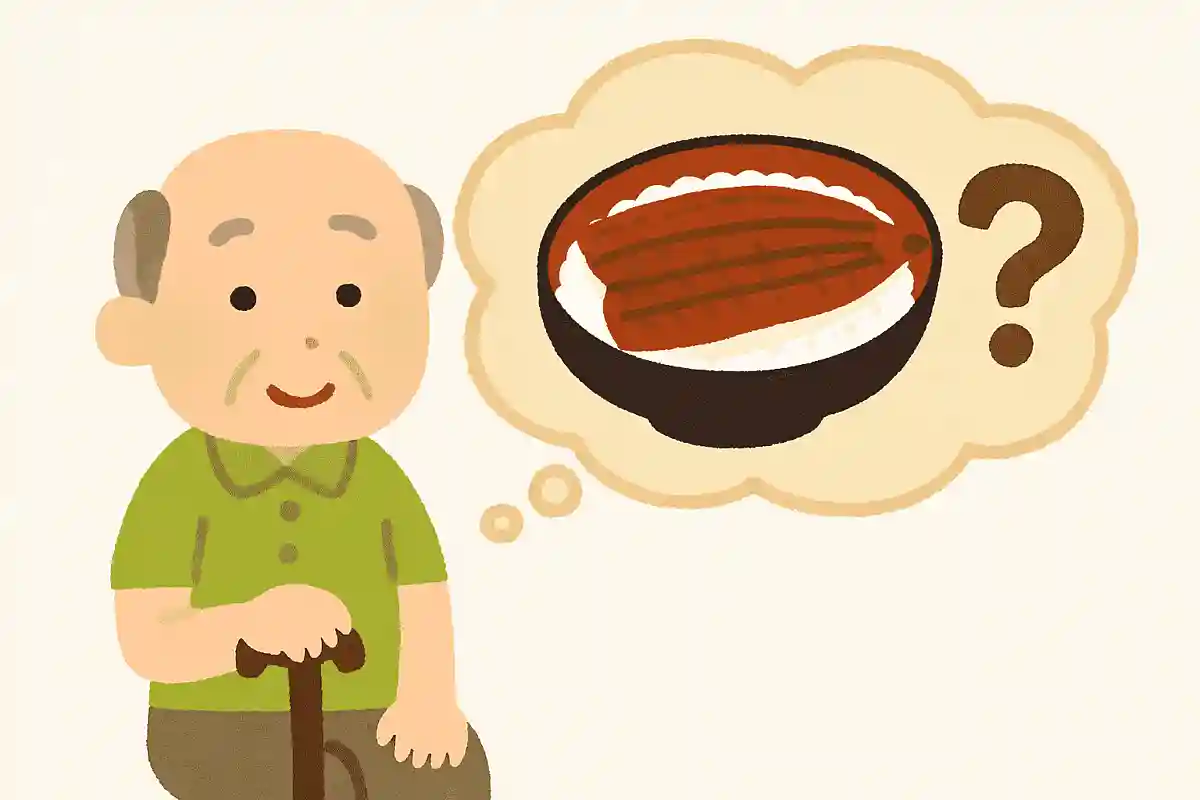
There’s an event in July called Doyo no Ushinohi (the Day of the Ox in midsummer).
On this day, people traditionally eat foods that start with the syllable “u,” and eating unagi (eel) is the most common.
Here’s a question: when is eel considered to be in season? The correct answer is from autumn to winter.
In other words, it’s actually not in season on Doyo no Ushinohi in July.
It’s said that Hiraga Gennai came up with the idea to promote eel sales in summer.
Still, since eel is thought to help prevent summer fatigue, it’s recommended to eat it during the hot season.

What is the significance of the Bon lanterns displayed during Obon?
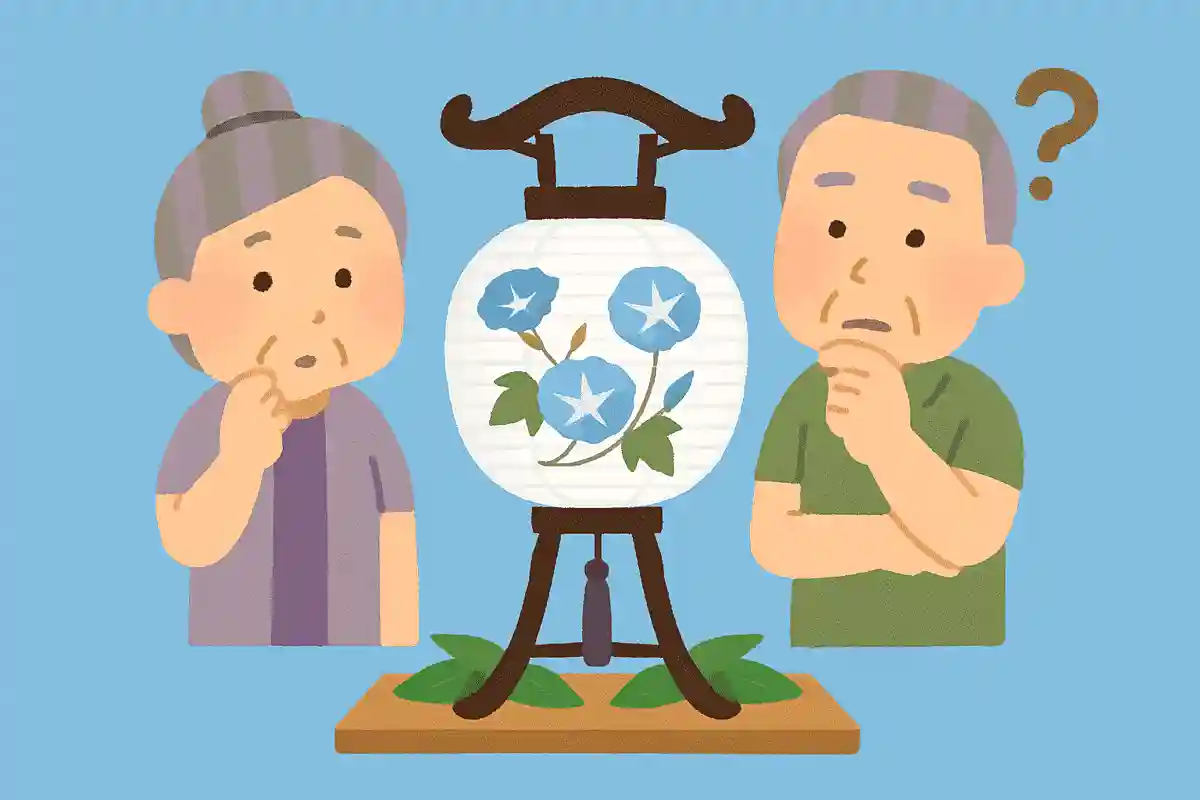
One of the big events in August is Obon, isn’t it? Many people get together with their families and visit graves during Obon.
Now, here’s a question: what is the meaning behind the Bon lanterns you often see at this time? In fact, Bon lanterns serve as beacons to help ancestors find their way back from the other world without getting lost.
By the way, they are typically displayed from the 13th, when Obon begins, until the 17th, the day after the send-off.
However, this can vary by region, and some families display them from early July until the end of August.
What was the summer women’s clothing that became popular from the late Taisho period to the early Showa period?
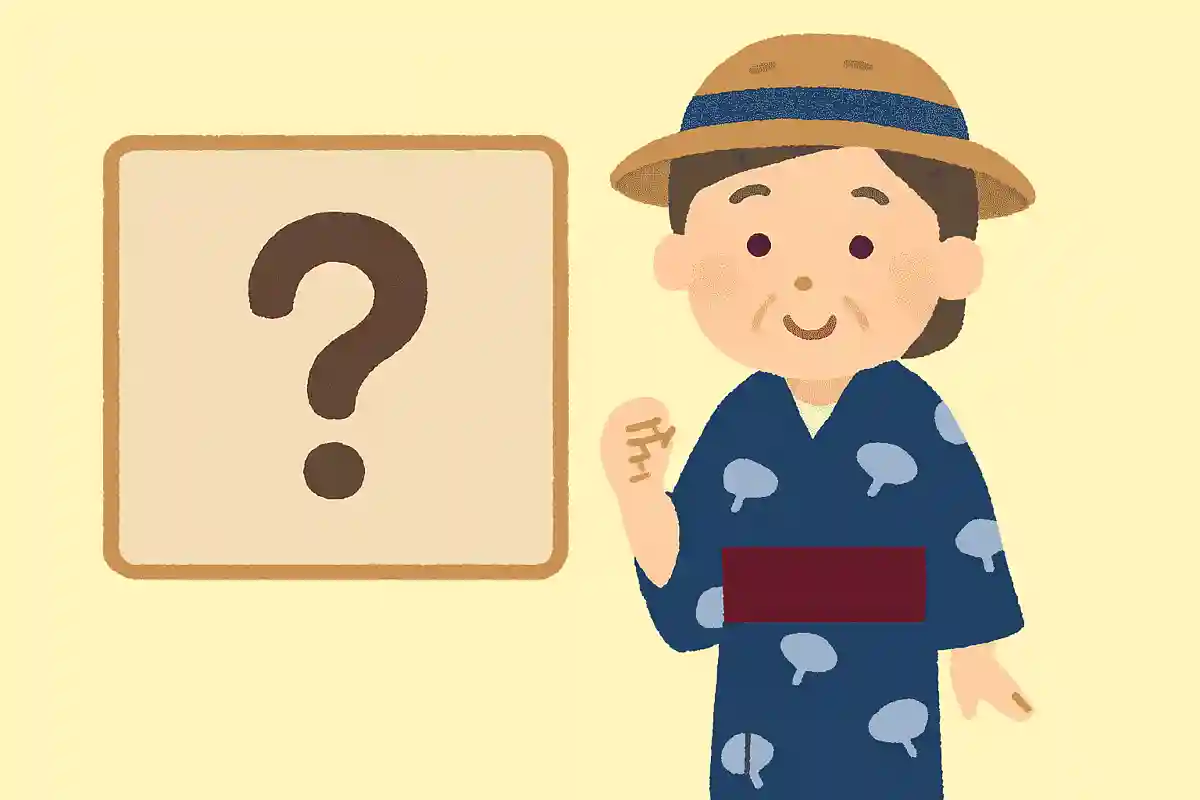
The name of the easy-to-throw-on women’s summer garment that was popular from the late Taisho to the early Showa period was “appappa.” It’s said to come from an Osaka dialect word that describes a skirt flaring out with a “pah.” These days, most fashion-related buzzwords trace their origins to foreign languages, so you can really feel the change of the times in the fact that this one comes from a domestic dialect.
In 1929, when Tokyo was hit by its worst heat wave in 40 years, the appappa also became wildly popular.
My grandmother still calls it an “appappa,” so there may still be people who use the term even now…

Wind chimes, which evoke an image of easing the heat with their clear sound, were originally displayed for a different reason. What meaning did they originally have?
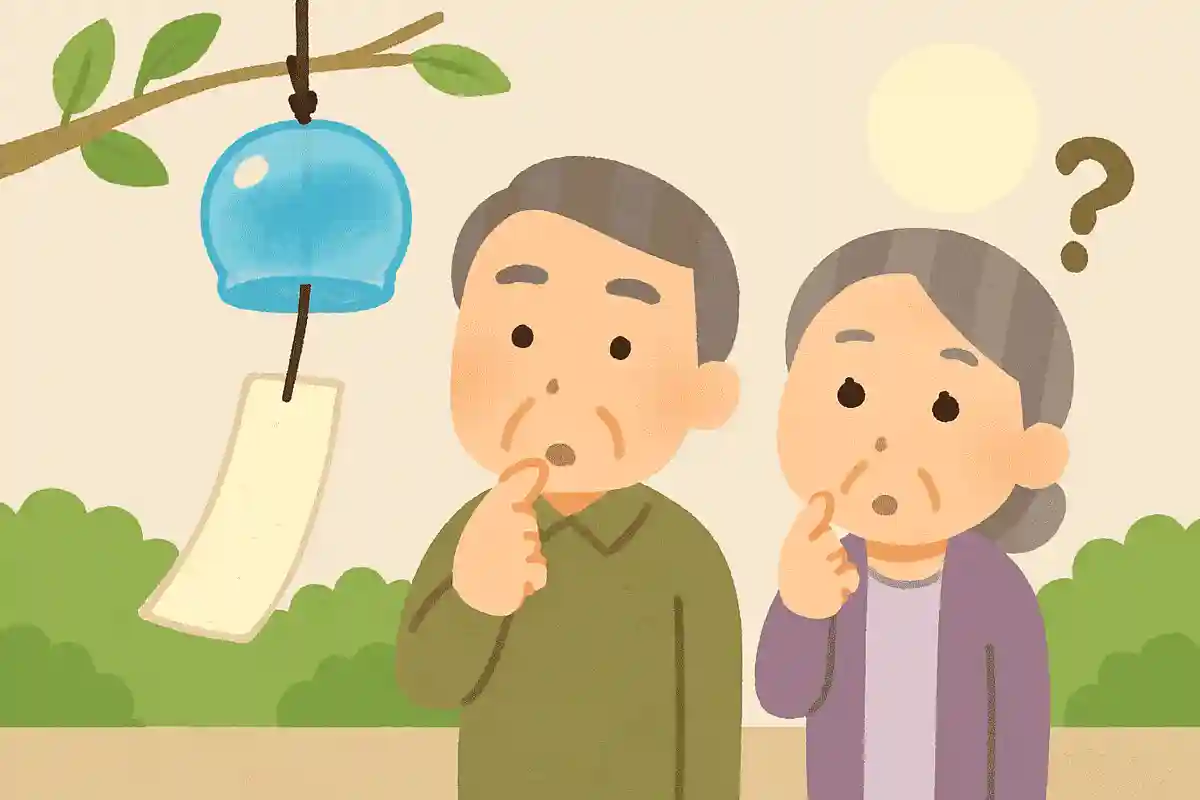
Furin, or wind chimes, are a hallmark of summer in Japan and have been loved since ancient times.
It’s common to hang them under the eaves of houses, and they chime when moved by the wind.
By listening to their sound, Japanese people were said to feel cooler during the sweltering summer even before air conditioning existed.
On the other hand, from the Heian to Kamakura periods, they were apparently hung under the eaves of aristocrats’ residences as talismans to ward off evil! There are also records that they were displayed with magical significance or as symbols of power, so it might be a fun bit of summer trivia to keep in mind!

How many years do cicada nymphs spend underground?
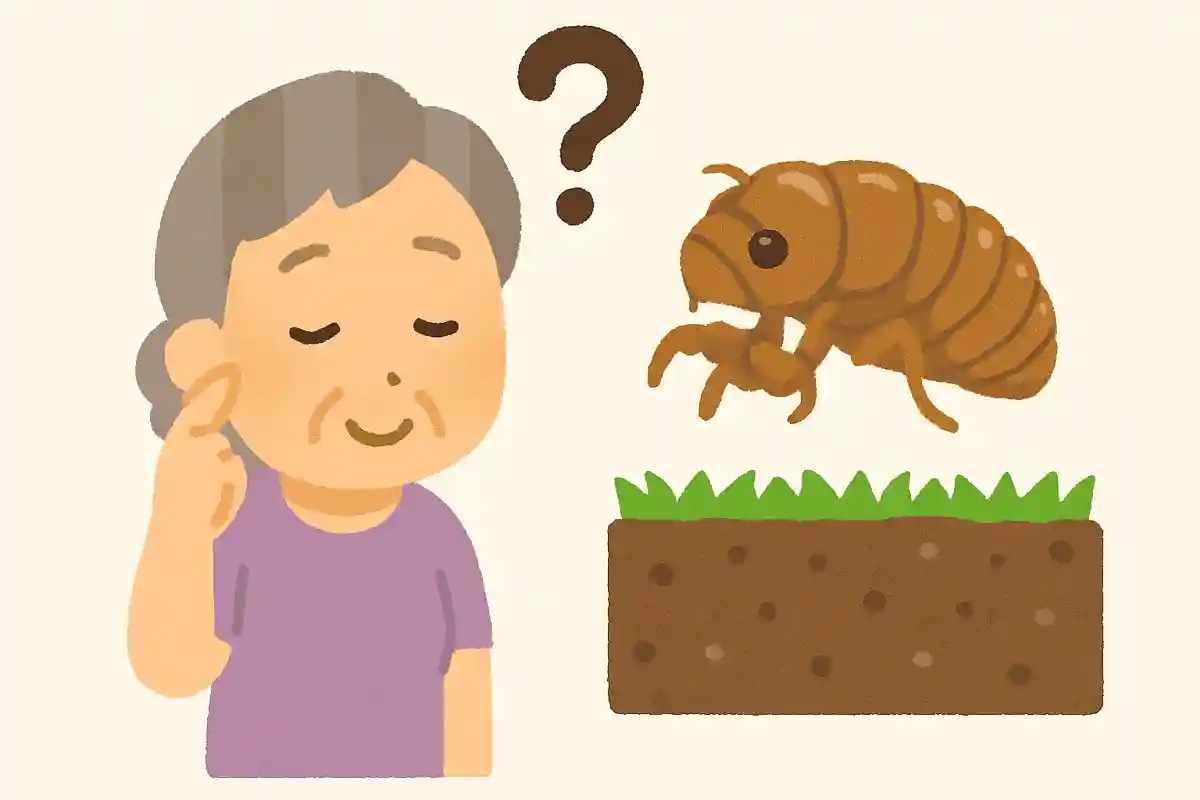
One of the quintessential sounds of summer is the chirping of cicadas.
It’s also widely known that cicadas spend most of their lives underground and supposedly die a week after emerging.
Here’s a question: how long do cicadas actually spend underground? The answer is more than three years.
There are individual differences, though: the commonly seen min-min cicada spends about 2 to 4 years, and the tsuku-tsuku-bōshi about 2 years.
As an aside, the idea that cicadas die after a week is just a popular myth—most actually live for around a month above ground.
August 17 is a commemorative day for fruit. Which fruit’s day is it?
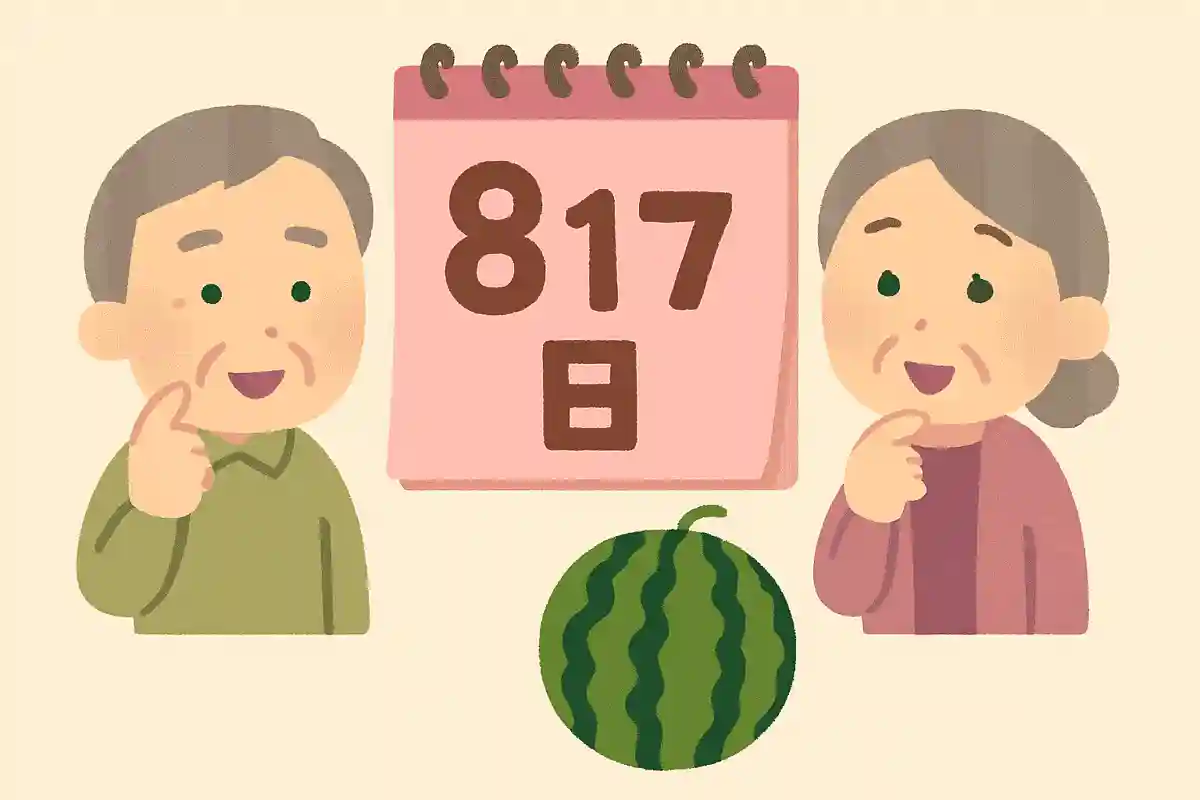
Do you know what day August 17 is? It’s actually a day dedicated to a certain fruit.
It might be easier to figure out if you think about a number-based wordplay.
The answer is “Pineapple Day.” This was established because 8 can be read as “pa” and 17 as “ina” in Japanese.
Incidentally, it was proposed by Dole Co., Ltd., a fruit seller.
Since just thinking about this quiz might make you crave pineapple, it could be fun to enjoy some while you’re at it.
How many horns does a rhinoceros beetle have at least?
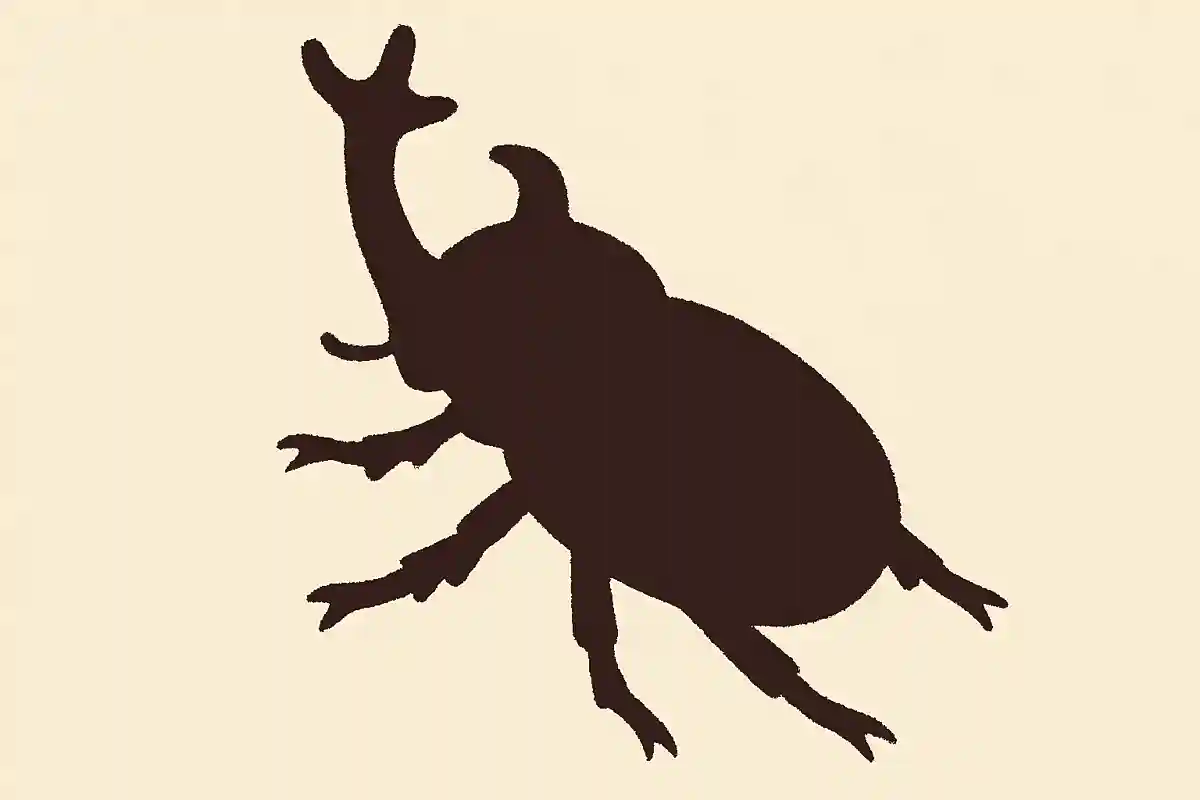
Many older adults may have memories of spending summer vacation looking for rhinoceros beetles and playing with them.
For a fun summer recreation activity, try a quiz about rhinoceros beetles! Do you know how many horns they actually have? Basically, they have two in total: a large horn on the head and a smaller horn on the thorax.
A quiz like this is sure to spark lively conversations and fond memories, such as spreading sap on trees to attract beetles or making them battle for fun!