

[For Seniors] Summer-Themed Quiz: A Collection of Fun Questions to Liven Up Recreational Activities


How about an indoor quiz that lets you stay comfortable as a recreational activity on hot summer days? In recent years, Japan has been getting hotter year by year.
Quizzes let you train your brain without physical exertion, so they’re a great option for recreation in senior facilities during midsummer.
Since the theme is summer, it might help people feel the season and recall past memories.
For older adults, looking back and talking about the past can promote emotional stability and benefit cognitive function.
It also makes it easier to spark communication with those around them.
Enjoy a fun summer moment while doing brain training with quizzes!
- [For Seniors] Brain Training! Recall Quiz Collection!
- [For Seniors] Fun Brain Training! Prefecture Quiz
- [For Seniors] Boost Your Knowledge! Fun Trivia Quiz
- For Seniors: Lively! Trivia and Fun Facts Quiz for August
- For seniors: Fun, crowd-pleasing word association game ideas
- [For Seniors] Lively Wordplay Game: Fun Recreation for Elderly Care
- August quizzes that seniors can enjoy!
- [Brain Training] Lively Word Quiz for Seniors
- [For Seniors] Enjoy Brain Training with September Trivia Quizzes & Fun Facts
- [For Seniors] Guaranteed to Liven Things Up! A Collection of Brain Training Activities That Will Spark Laughter
- [For Seniors] Fun Riddles That Stimulate the Brain
- [For Seniors] Summer-Themed Trivia Quiz & Fun Facts Collection
- [For Seniors] Summer Festival Trivia Quiz & Fun Facts. Enjoyable Quizzes That Boost Your Knowledge
[For Seniors] Summer-Themed Quiz: A Collection of Fun Questions That Liven Up Recreational Activities (41–50)
What are the two vegetables used for Obon decorations?
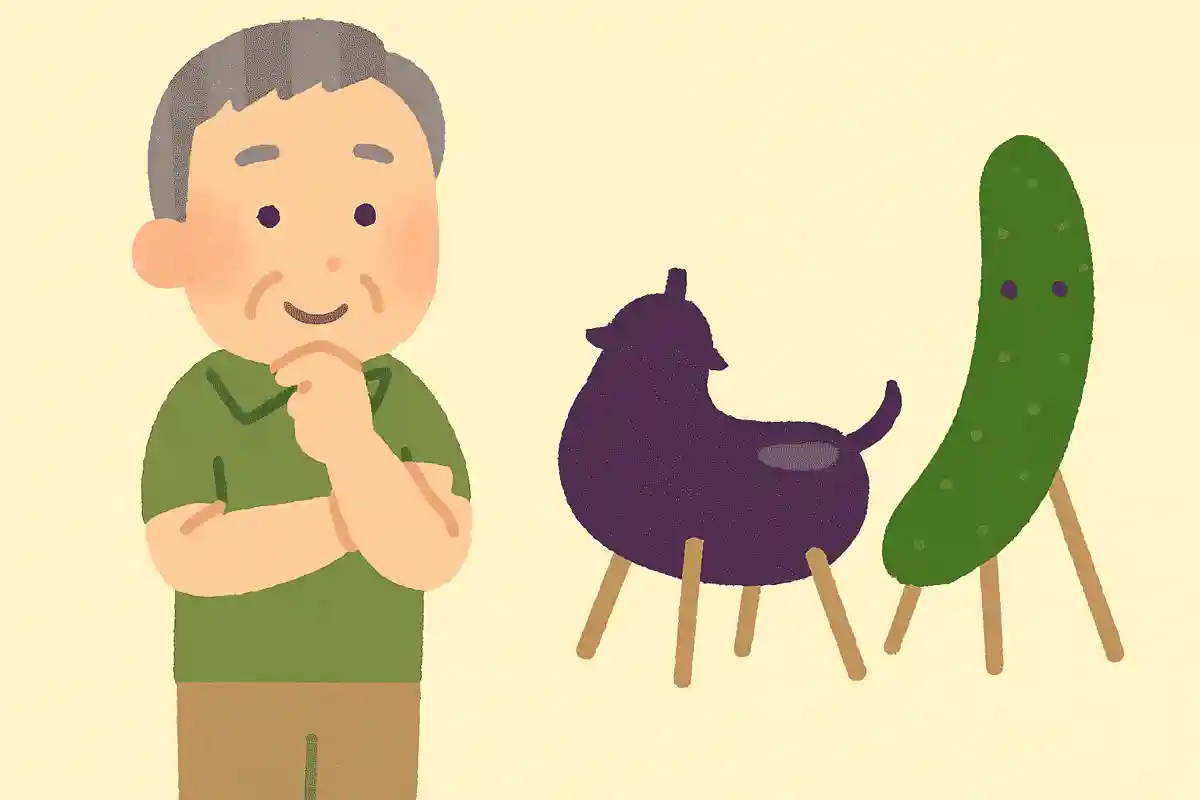
Obon, a summer event for honoring the spirits of our ancestors, often coincides with a holiday period, so many people strongly associate it with adults’ summer vacation.
Let’s learn about the decorations needed for Obon, the sentiments they embody, and their origins.
While there are regional differences, the classic decoration is probably the shōryō-uma.
These are ornaments made to resemble an ox and a horse by attaching legs—often made from chopsticks—to an eggplant and a cucumber.
They express the wish for ancestors to return quickly on a horse and then make a leisurely journey back on an ox.

What is the plant that is said to be essential for Obon and whose shape resembles a Bon lantern?
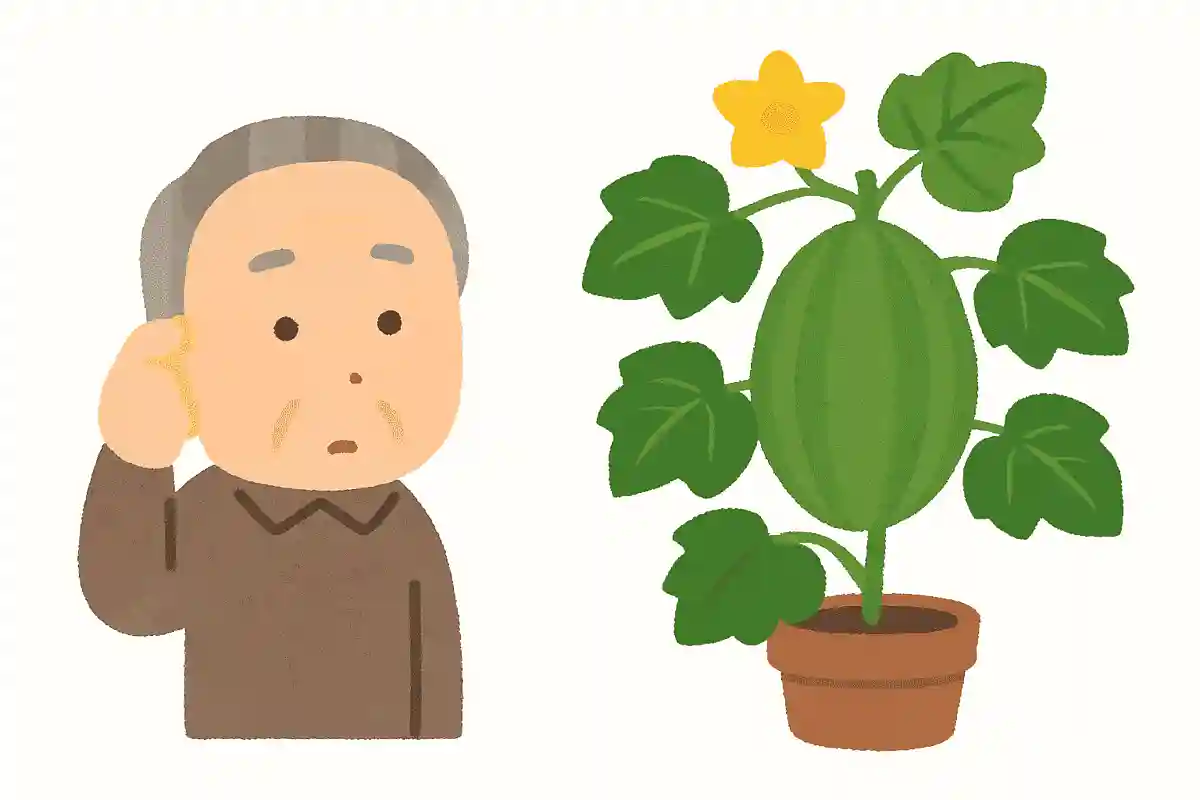
What is the plant said to be inseparable from Obon and whose shape resembles a Bon lantern? The answer is “hōzuki” (Chinese lantern plant).
Its distinctive look—fruit encased in a soft calyx—is quite striking.
The red or orange color of the calyx and fruit also evokes the light of a lantern, and their gentle hues can even feel a bit eerie.
Beyond being a symbol of Obon, it is also associated with traditional medicinal uses, and its unique colors and shape have long imparted a sense of mystery in historical accounts.
When did the Obon holiday become established?
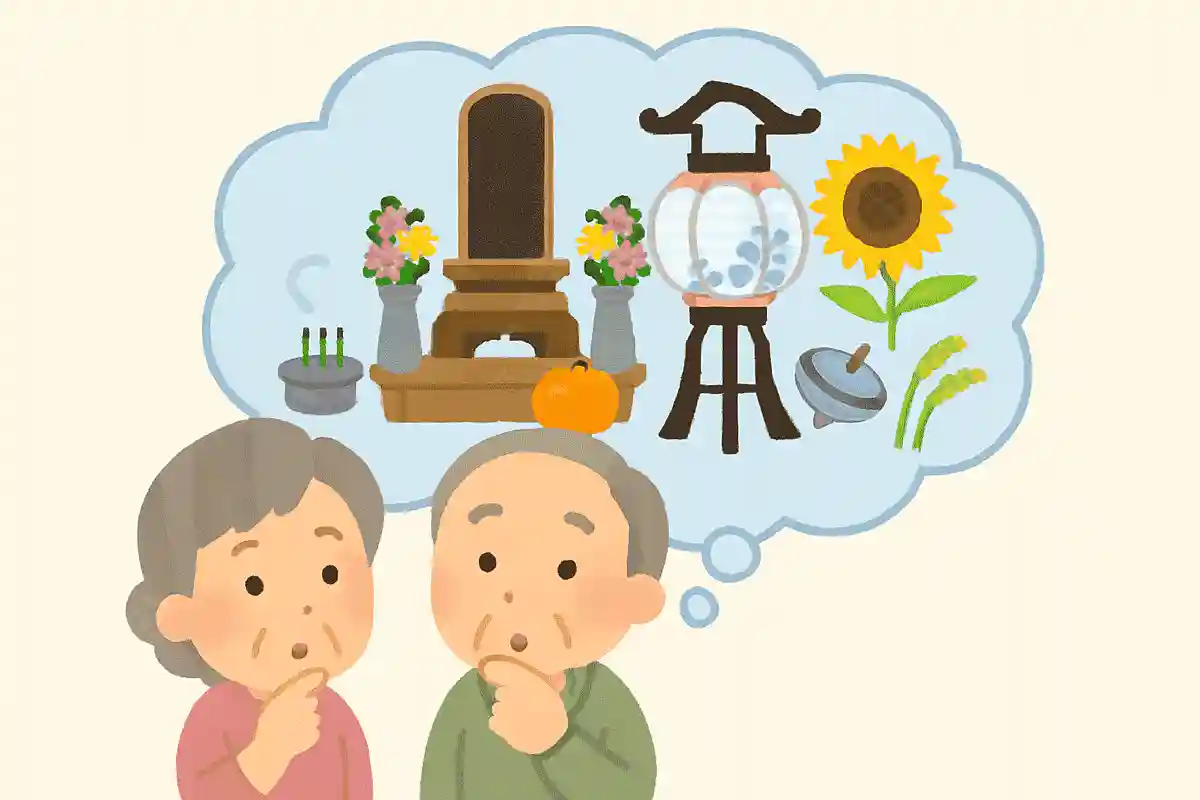
Obon is an event for welcoming one’s ancestors, and during the Obon holiday we carry out various observances.
So when did the Obon holiday, which serves both as time off for these events and as a beloved summer vacation for adults, become an established custom? The answer is the Edo period.
It is said to have taken root alongside the Obon observances themselves.
The fact that the holiday period aligns with the series of Obon events conveys the historical weight of these traditions and the sentiments imbued within them.
In general, what is August 13, the start of Obon, called?
While the timing and customs of Obon can vary by region, it generally begins on August 13.
What is August 13, the start of Obon, called? The answer is “Mukae-bon,” which literally means welcoming the ancestors—an easy term to understand if you think of it as a ceremony to receive and honor them.
The idea is to prepare offerings that warmly welcome your ancestors and celebrate their return.
It’s also good to know about the practice of lighting fires to guide them, called “Mukae-bi” (welcoming fires).
What is the name of the event, mainly held in Nagasaki and Saga prefectures, in which the spirits of ancestors and Obon offerings are placed on a boat and floated down a river?
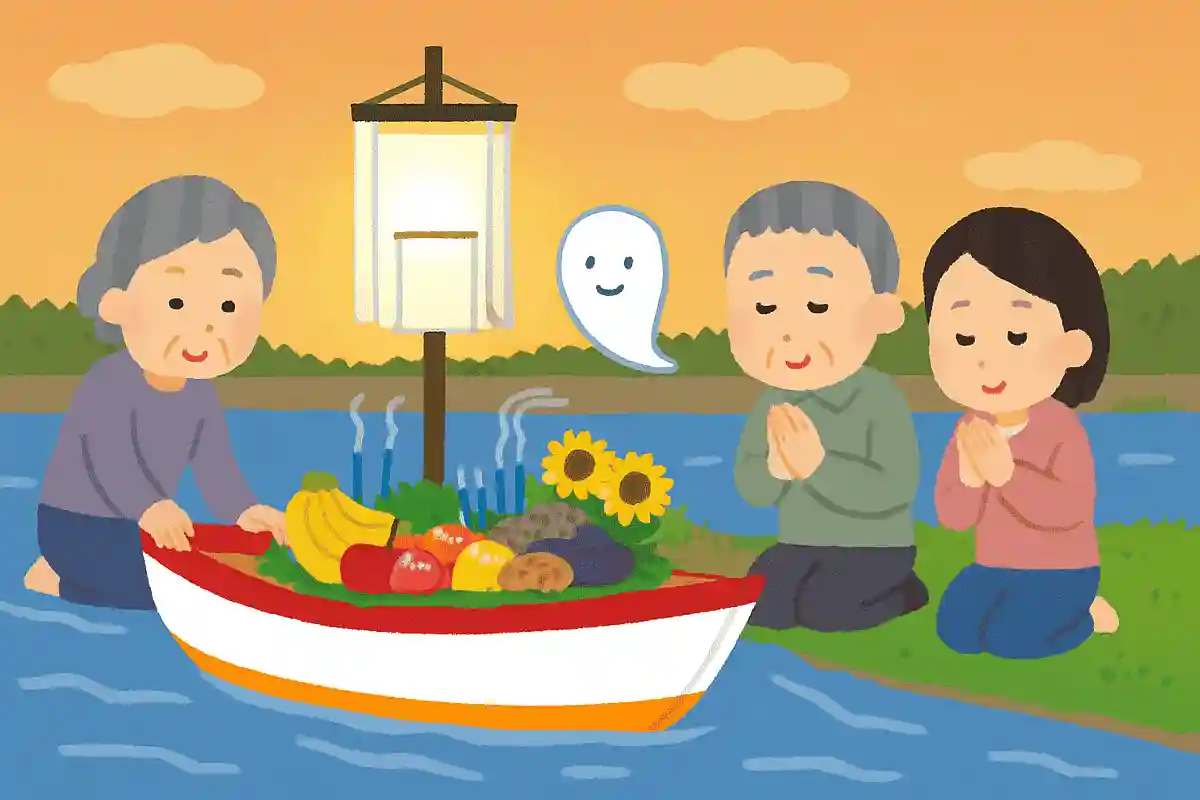
One interesting aspect of the traditional Japanese custom of Obon is that the events vary by region.
Among these Obon events, what is the name of the ceremony, practiced mainly in Nagasaki and Saga Prefectures, in which ancestors’ spirits and Obon offerings are placed on boats and sometimes actually set adrift down a river? The answer is “Shōrō-nagashi” (Spirit Boat Procession).
Because of Masashi Sada’s hit song, it is often associated with a fleeting, melancholy image, but in reality it’s a lively event.
The boats are gorgeously decorated with family crests and lanterns, and the finale echoes with the loud crackle of firecrackers—an event that truly stirs the emotions.
What is the phenomenon where your head hurts when you eat something cold?
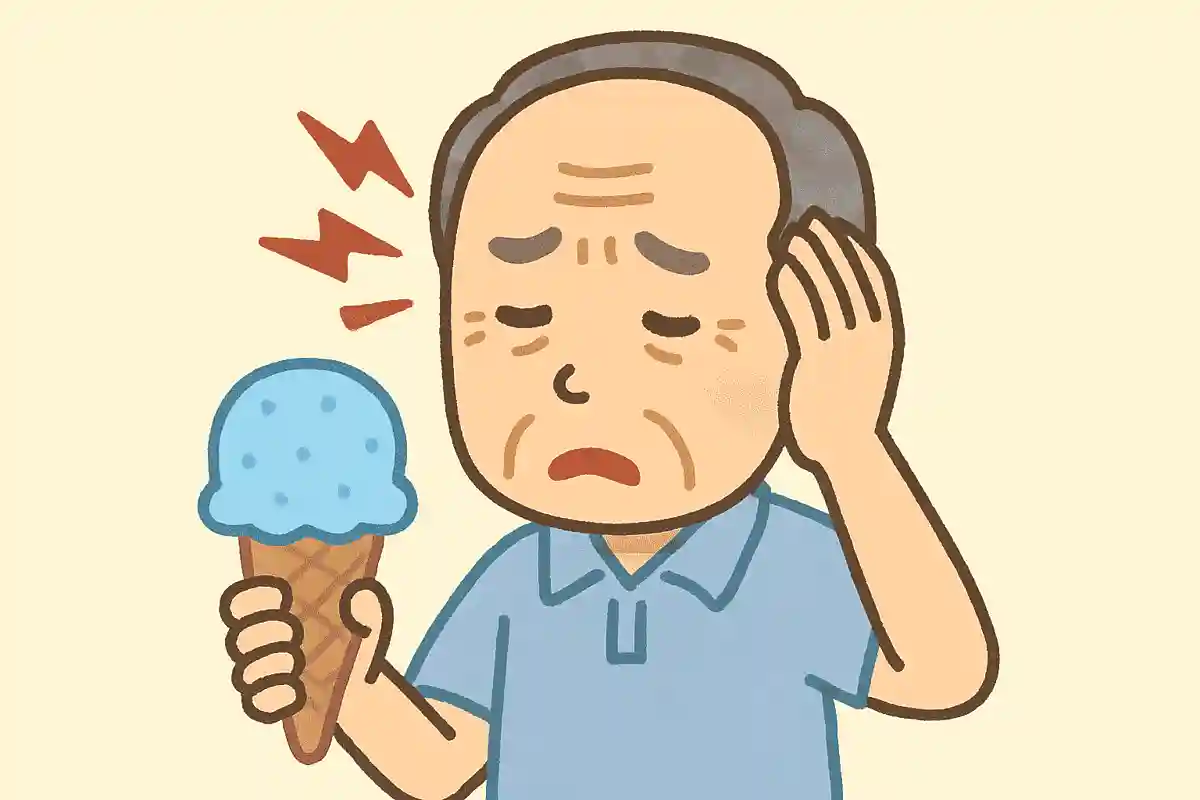
Cold foods like ice cream and shaved ice are essential for cooling down a body overheated by summer.
What’s tough, though, is the sharp headache you can get when you eat something cold.
It can make you worry that you’re coming down with something, or the pain can simply be intense—either way, it feels very negative.
Let’s learn about these headaches that occur when eating cold foods and how to prevent them.
This phenomenon is called “ice cream headache,” a name taken directly from its cause, and it’s said to occur when the nerves in the throat are stimulated or the blood vessels in the mouth are cooled.
To prevent it, take your time and eat slowly; to avoid the pain afterward, relax and savor your cold treats.
If Obon arrives before the 49th day (after the passing), when will the first Obon (shinbon) be?
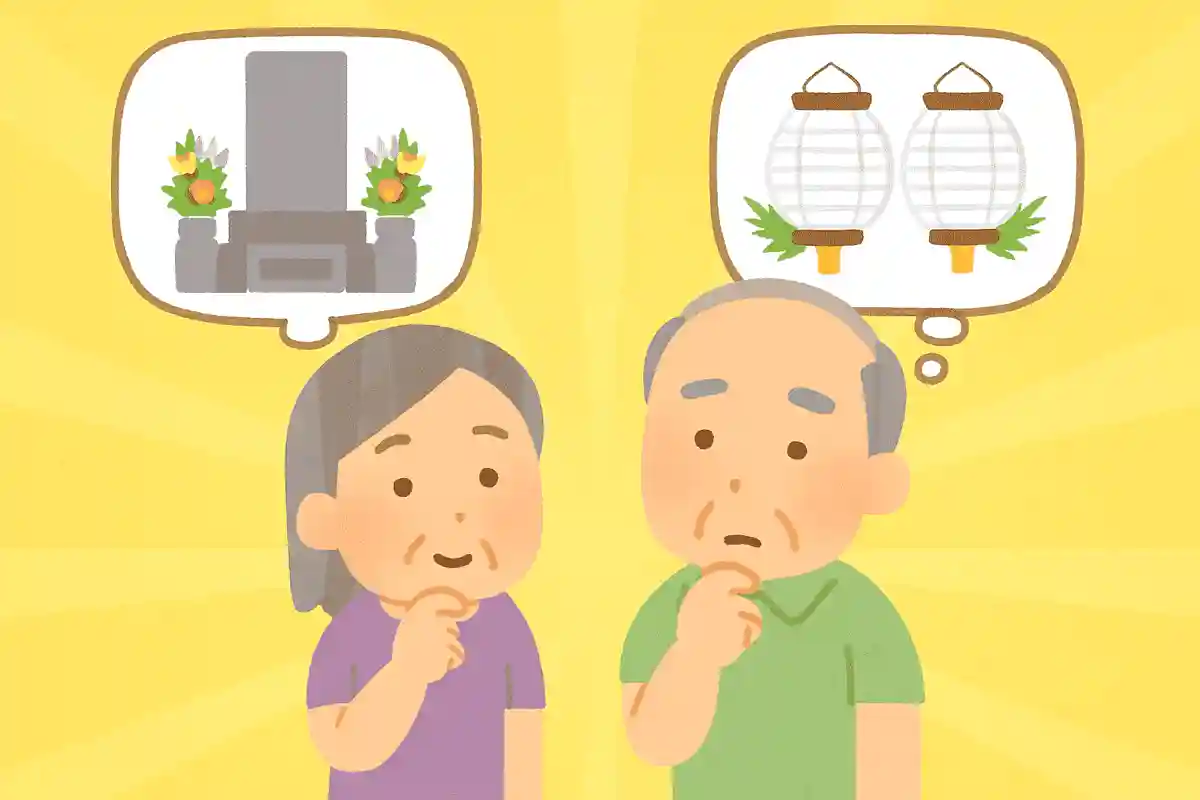
The period from the date of death through the forty-ninth day is called “kicho” (a time of mourning), during which one grieves for the deceased and observes mourning.
If Obon occurs before the forty-ninth day, when this mourning period ends, when is the first Obon (hatsu-bon)? The answer is: during the Obon of the following year after the person’s death.
It is customary not to hold the first-Obon memorial that same year.
If someone brings offerings thinking it is the first Obon, it is generally acceptable to receive the offerings and explain that the first Obon will be held the following year.
This is one of the points of knowledge about Obon, including how to handle such situations.