

![[For Seniors] Trivia Quiz & Fun Facts About Rain](https://media.ragnet.co.jp/img/1200__png__https://www.studiorag.com/files/2025/07/0220035bfd1375e2252a98cb5a36375f.webp)
[For Seniors] Trivia Quiz & Fun Facts About Rain

During the rainy season, it often rains continuously, limiting outings and activities.
But precisely because it’s that time of year, why not have some fun with a trivia quiz about rain? Through knowledge related to rain and the rainy season, you can look back on old memories and feel the changing of the seasons, bringing a sense of calm to the heart.
The content is familiar and accessible for older adults, making it perfect as mental exercise, too.
Enjoying quizzes together will spark conversation and surely lead to a time filled with smiles.
Take this opportunity to learn about the wonders and fun facts of rain and rediscover the charm of the season.
[For Seniors] Trivia Quiz & Fun Facts About Rain (1–10)
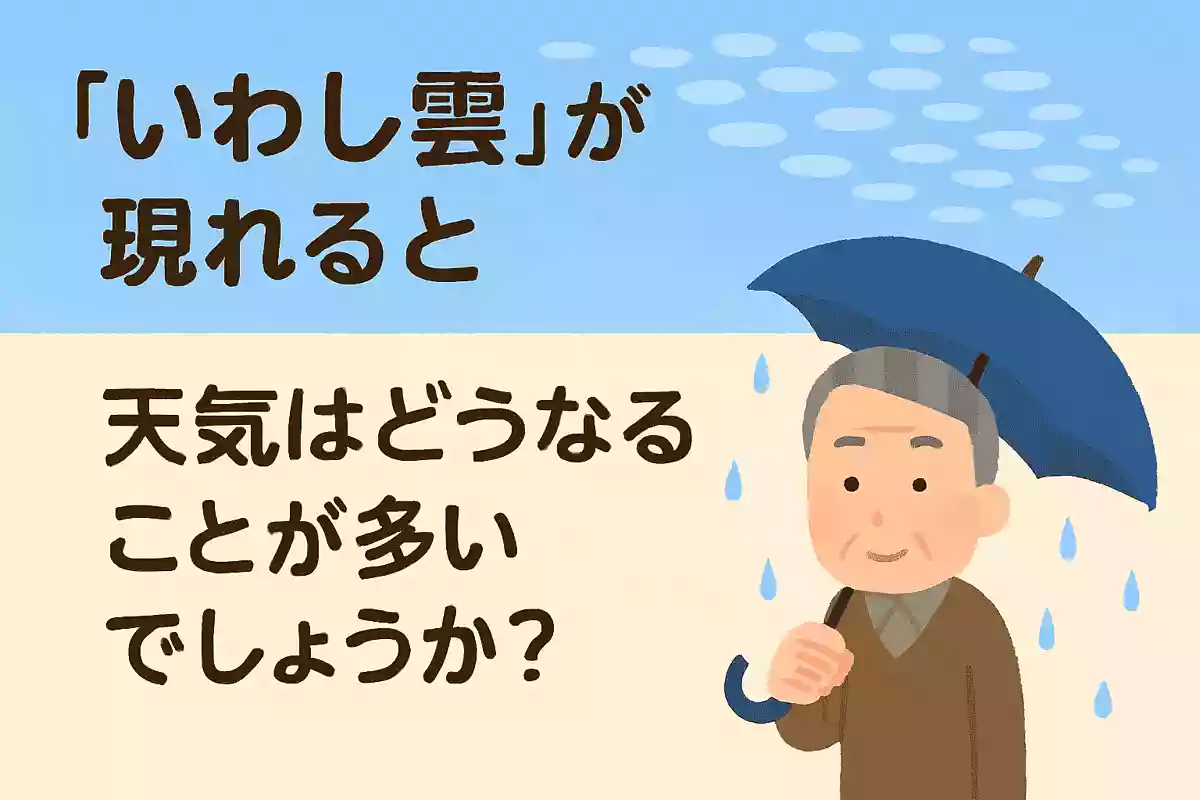
When mackerel clouds appear, what does the weather often become like?
- rain
- Cloudy
- Sunny
See the answer
rain
The term “iwashi-gumo” (sardine clouds) refers to small clouds that appear high in the sky in formations resembling a school of sardines. The formal meteorological term is altocumulus. When these iwashi-gumo spread across the sky, it is often followed by rain. This is because they frequently appear as a sign that moist air is flowing in aloft, indicating that the weather is likely to deteriorate.

What time of year does “samidare” (early summer rain) refer to?

- April
- May
- June
See the answer
June
The word “samidare,” written with the characters for “fifth month,” actually refers to the fifth month of the old lunar calendar. That month corresponds to around June in the modern calendar, which is precisely the rainy season. Therefore, samidare means the long, continuous rains of the rainy season. With its evocative tone, it is a seasonal word often found in haiku and waka.
What is the criterion for distinguishing between ‘clear’ and ‘sunny’?

- air temperature
- Humidity
- Cloud cover
See the answer
Cloud cover
Both “kaisei” and “hare” describe good weather, but the difference lies in how much cloud is in the sky. According to the Japan Meteorological Agency, when clouds cover 10% or less of the sky, it’s classified as “kaisei” (clear), and when they cover up to 80%, it’s “hare” (sunny). In other words, “kaisei” means the sky is almost cloudless, while “hare” means there are some clouds but it’s still plenty bright. They may look similar at a glance, but weather classifications follow these clear criteria.
Which things have an advisory but not a warning?
- heavy rain
- flood
- thunder
See the answer
The Japan Meteorological Agency issues weather-related information in the form of advisories and warnings, but while there are advisories for lightning, there are no lightning warnings. This is because it is extremely difficult to predict the exact time and location of lightning, which is a sudden phenomenon. Although lightning can cause significant damage, its occurrence is limited in scope and highly localized, so it does not meet the criteria for issuing a warning.
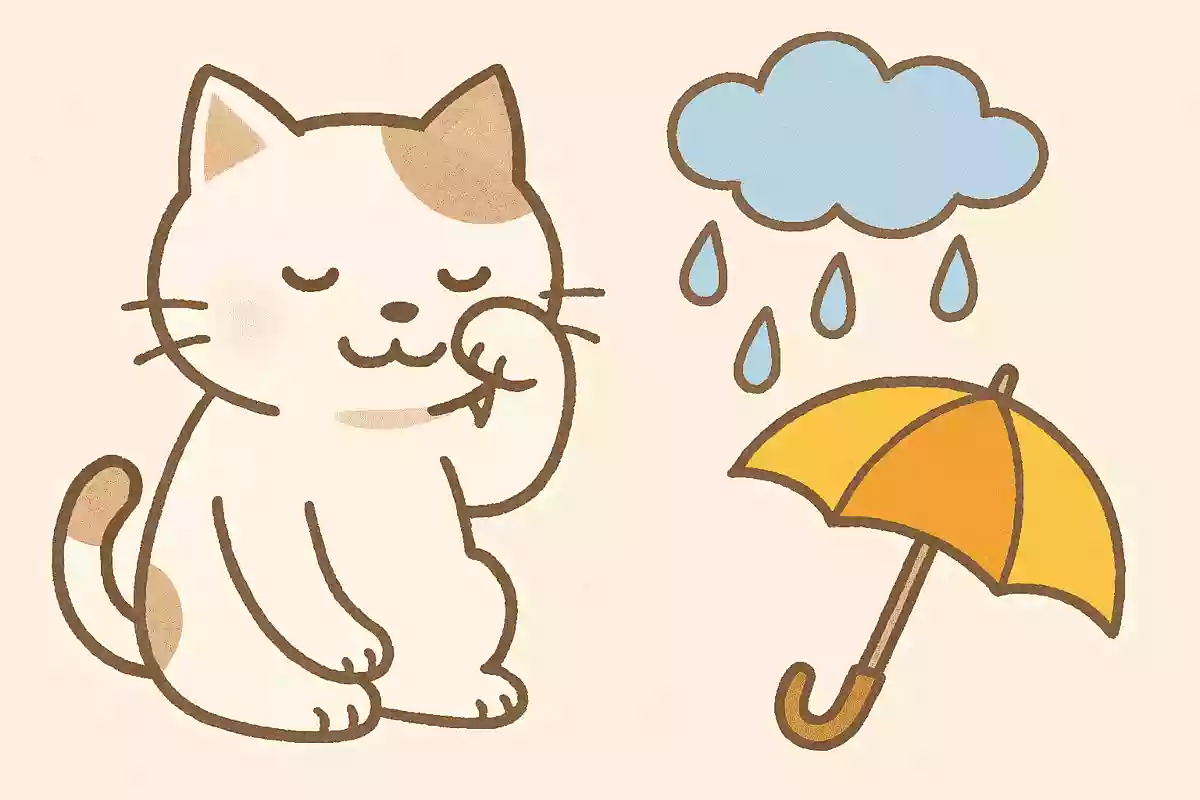
What is said the weather will be like when a cat washes its face?
- Sunny
- rain
- Cloudy
See the answer
rain
There’s a traditional saying that “when a cat washes its face, it will rain.” This links the gesture of a cat rubbing its face with its forepaws to changes in the weather. In reality, when humidity rises, a cat’s whiskers may feel tingly and its fur may feel sticky, prompting it to wash its face more often. As rain approaches, the humidity in the air increases, which leads to changes in the cat’s behavior.
What month does the term ‘nataneduyu’ (rapeseed rain) refer to for rainfall?
- Late March to early April
- Late September to early October
- Late December to early January
See the answer
“Naratane-zuyu” (rape blossom rainy spell) refers to the continuous rains that fall from late March to early April. It is called this because the period coincides with the blooming season of rapeseed flowers (nanohana).
What do you call the center of a typhoon?
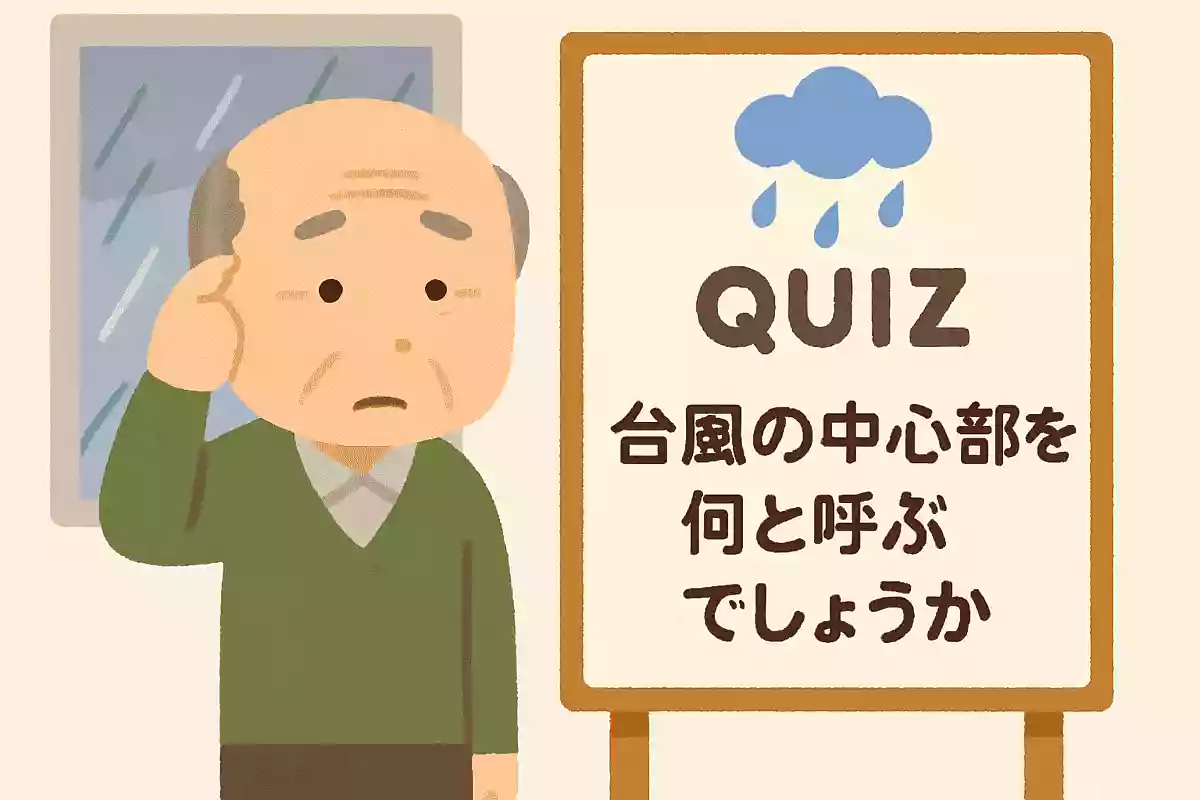
- head
- eye
- belly button
See the answer
eye
The center of a typhoon is called the “eye.” The typhoon’s eye is a calm area with the weakest winds in the storm and little to no rainfall. The formation of an eye is also evidence that the typhoon is powerful, and it arises from the balance between rising and descending air currents.