

![[For Seniors] Weather Proverb Quiz](https://media.ragnet.co.jp/img/1200__png__https://www.studiorag.com/files/2025/05/74ddec5a46ee8ffb1e67d87f9be19c8c.webp)
[For Seniors] Weather Proverb Quiz

Many older adults may find that their mood is influenced by the weather.
When it’s sunny, you feel good, and when it rains, you can feel gloomy.
It seems that changes in atmospheric pressure affect the body.
Even before modern weather forecasting developed, people could predict the weather using human wisdom.
For example, rain has a distinct smell, and the clouds change before a storm arrives.
This time, we’re introducing a weather-related proverb quiz designed for seniors.
By learning weather proverbs, older adults may become more interested in the weather than ever before.
[For Seniors] Weather Proverbs Quiz (1–10)
In the proverb “When 〇〇〇 fly low, it will rain,” what is 〇〇〇?
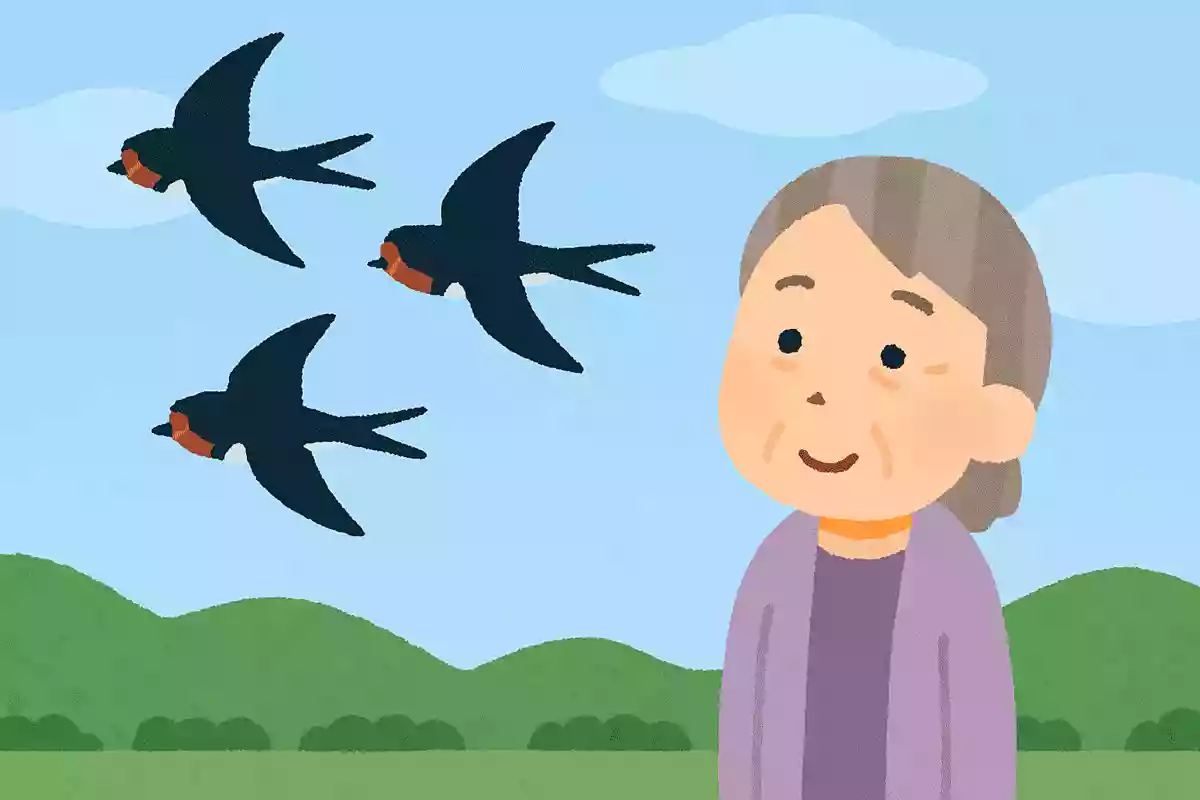
- swallow
- sparrow
- Black kite
See the answer
swallow
Before it rains, moisture in the air increases, causing the insects that swallows feed on to fly lower. As the swallows chase their prey, they too fly low, which is said to be the origin of that proverb.

What does the proverb “a heavy frost on a moonlit night” mean?
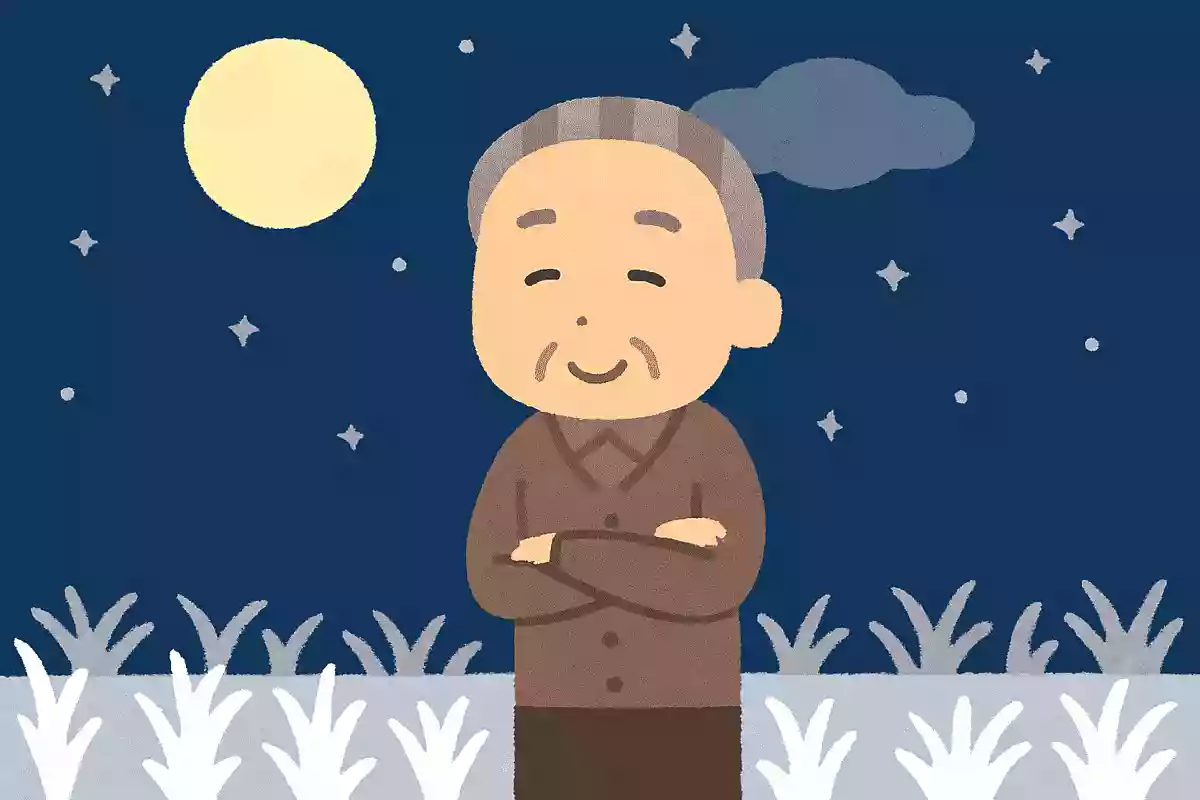
- On nights when frost has fallen, the moonlit sky is clearly visible.
- If you can see the moon at night, there will be a lot of fog the next day.
- If the moon is clearly visible at night, there will be a lot of frost the next morning.
See the answer
If the moon is clearly visible at night, there will be a lot of frost the next morning.
If the moon looks clear and crisp, it means the air is dry and the sky is clear. Especially in winter, the clearer the night, the colder it gets. That’s why there’s a lot of frost in the morning.
What is a proverb that describes a sunny summer day?
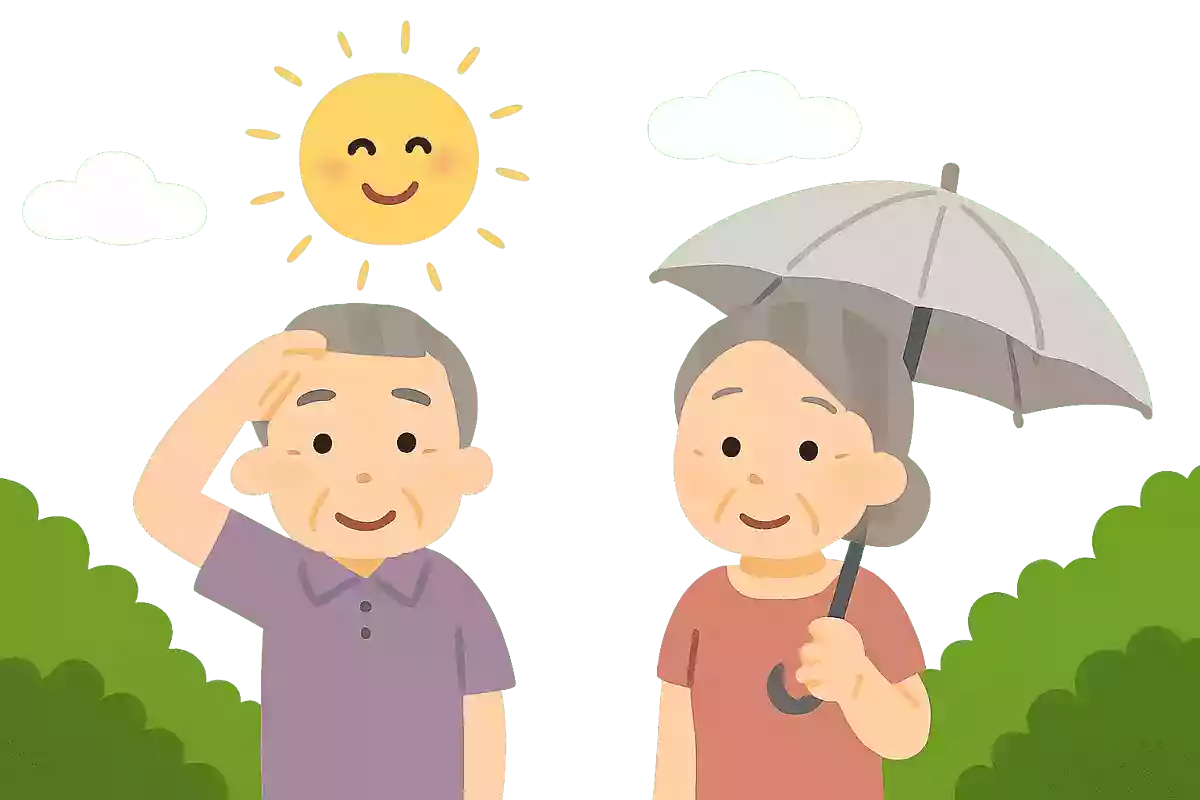
- Cumulonimbus clouds on a summer day are a sign of clear weather.
- The summer cumulonimbus clouds are like clear weather.
- Cumulonimbus clouds in summer mean clear weather.
See the answer
Cumulonimbus clouds in summer mean clear weather.
Seeing cumulonimbus clouds makes you feel that summer has arrived, doesn’t it? Didn’t you ever, as a child, wish you could ride on those big billowing clouds? They look fluffy like cotton candy and seem like they’d be so comfortable to sleep on.
What is the 〇 in ‘When the wind blows, the 〇 of rain’?
- West
- north
- east
See the answer
east
The wind that blows from the east refers to the spring wind. As people often say that when the first spring storm blows, the weather turns rough, it’s considered a wind that brings storms. It’s a proverb that clearly signals the arrival of spring.
Yuudachi is 〇〇; what is 〇〇?
- tenth day
- the fifth day / five days (context-dependent)
- three days
See the answer
three days
This proverb means that once an evening shower starts, it lasts for about three days. These days, due to abnormal weather, evening showers can continue for many days, but it’s said the proverb arose because they usually settle down in about three days. By the way, “evening shower” (yūdachi) is a seasonal word for summer.
What is the proverb about an evening rainbow indicating fair weather?
- A morning rainbow means rain.
- Morning mist is rain
- Hydrangeas are rain.
See the answer
A morning rainbow means rain.
You don’t get to see rainbows very often, so it feels lucky when you do, doesn’t it? Especially when you see one in the morning, it kind of makes you feel like the day is going to go well. But as the saying goes, “a morning rainbow means rain,” so if a rainbow appears in the morning, it’s likely to rain afterward.
In proverbs about fair weather, what kind of signs indicate that it will be sunny the next day?
- I can see the moon.
- I can see the sunset.
- I can see a rainbow.
See the answer
If you can see a beautiful sunset, it means there are no clouds in the western sky. That’s why the next day is often sunny. Just as people say feelings are like the weather, we can’t claim weather forecasts are always correct. They’re only predictions.