

[For Seniors] Weather Proverb Quiz

Many older adults may find that their mood is influenced by the weather.
When it’s sunny, you feel good, and when it rains, you can feel gloomy.
It seems that changes in atmospheric pressure affect the body.
Even before modern weather forecasting developed, people could predict the weather using human wisdom.
For example, rain has a distinct smell, and the clouds change before a storm arrives.
This time, we’re introducing a weather-related proverb quiz designed for seniors.
By learning weather proverbs, older adults may become more interested in the weather than ever before.
- [For Seniors] Trivia Quiz & Fun Facts About the Weather
- [For Seniors] Enjoyable Brain Training! Proverb Quiz Collection
- [For Seniors] Let's have fun with an autumn-themed quiz!
- How much do you know? Trivia quiz for seniors that’s full of surprisingly unknown facts
- [For Seniors] 3-Choice Dialect Quiz! A Collection of Fun Dialect Quizzes from Around Japan
- [For Seniors] Proverb Quiz with Animal Names
- [For Seniors] Brain-training with winter-themed quizzes. Great for activities, killing time, and dementia prevention.
- [For Seniors] Get Excited by Knowing the Answers! Tricky Quiz
- [For Seniors] That phrase too! A fun 3-choice abbreviation quiz
- [For Seniors] July Knowledge-Boosting Quiz
- [For Seniors] Trivia Quiz & Fun Facts About Rain
- Let's get excited with a two-choice quiz that everyone—from kids to adults—can enjoy!
- [For Seniors] Trivia Quiz & Fun Facts About the Rainy Season (Tsuyu)
[For Seniors] Weather Proverbs Quiz (1–10)
What does “kitsune no yomeiri” mean?
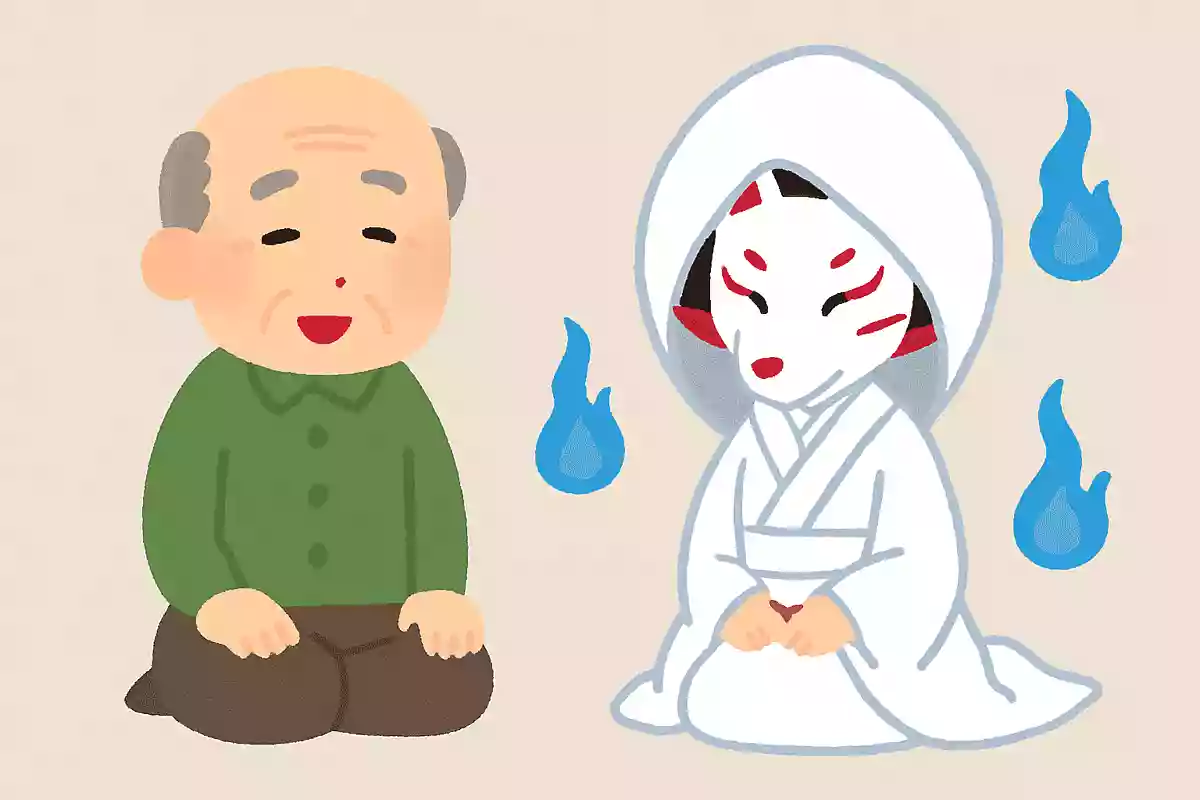
- Heavy rain even though it’s sunny
- Drizzling even though it’s sunny
- Light snow despite clear skies
See the answer
Drizzling even though it’s sunny
Foxes have long been said to trick people and are feared, aren’t they? This is a proverb that uses such foxes. It refers to a sunshower and describes the scene where, despite the clear weather, a light drizzle is falling.

There is a proverb that says if the 〇〇〇 rises high, it will be sunny. What animal goes in 〇〇〇?
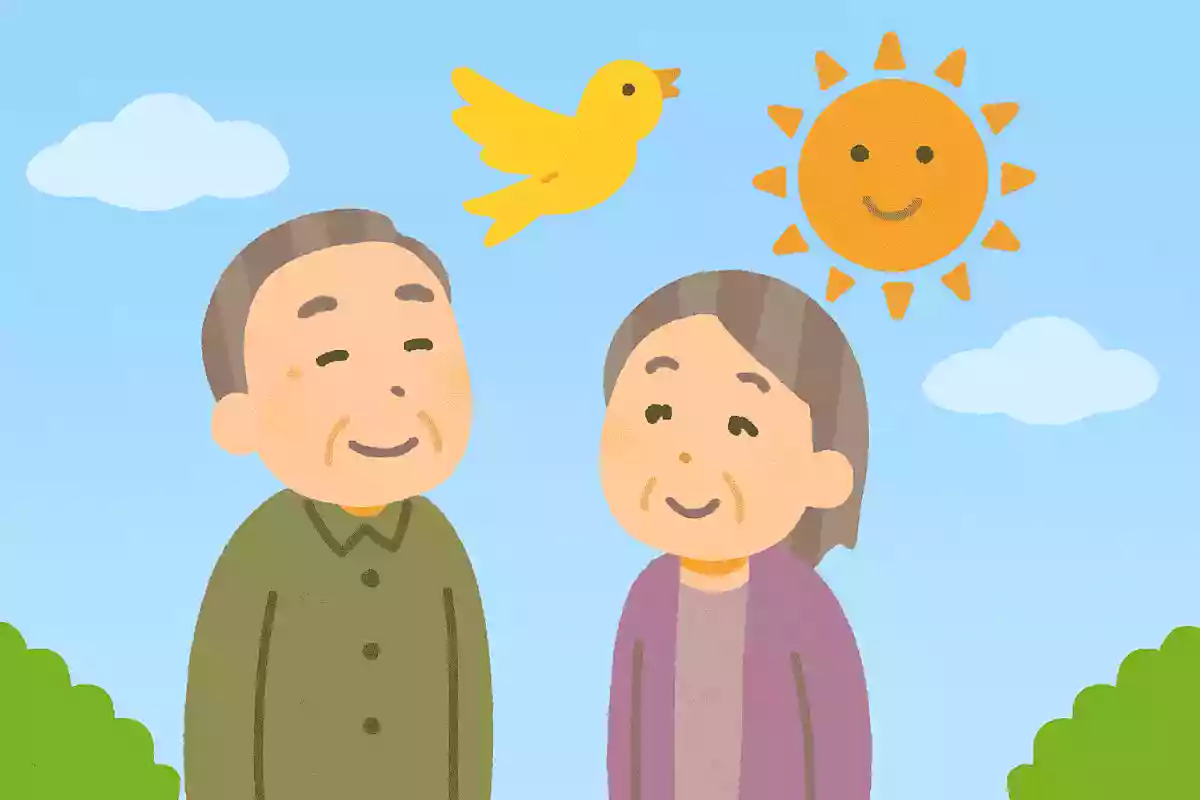
- skylark
- Kotori
- sparrow
See the answer
skylark
When you write hibari in kanji, it becomes “雲雀.” It is considered a bird that heralds the arrival of spring, and its adorable figure soars high into the sky while making a cheery piyo-piyo-piyo call.
If 〇〇 clouds hang over the mountain, it will rain. What is 〇〇?
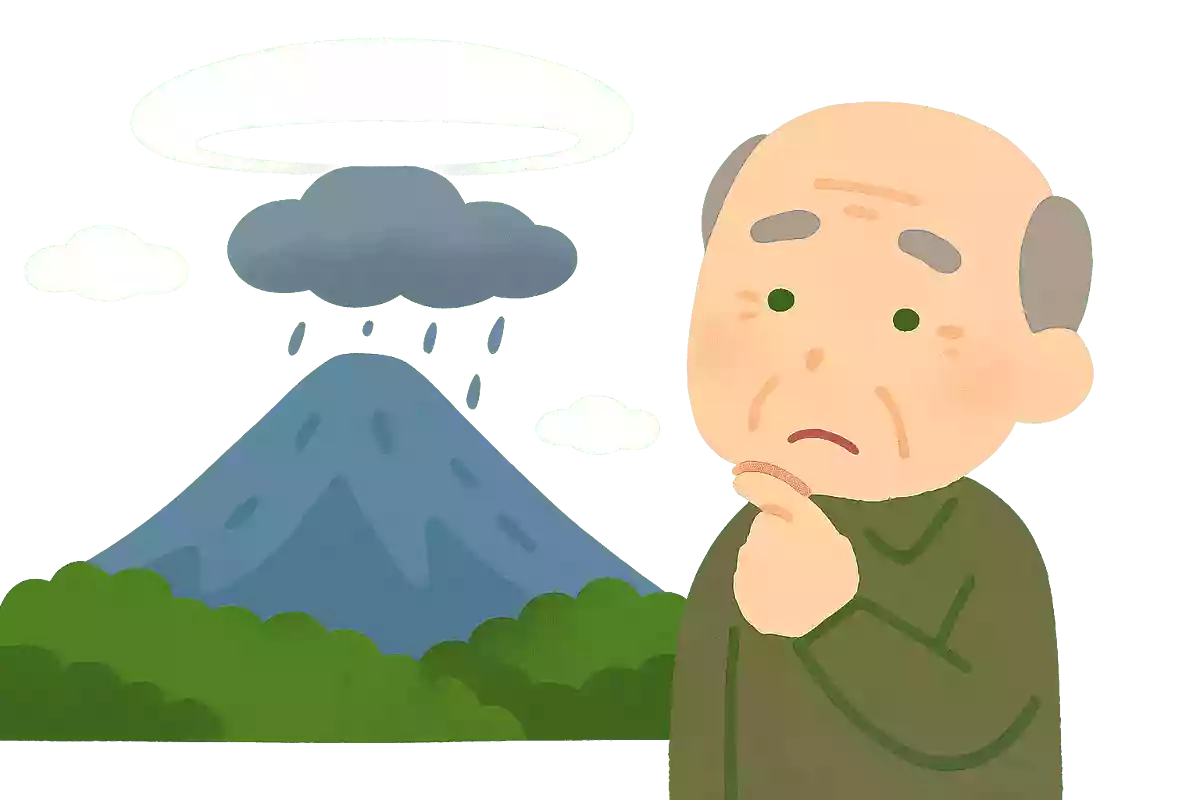
- spear
- umbrella
- kata
See the answer
umbrella
A cloud that fits snugly over the top of a mountain is called a “cap cloud.” When clouds cover mountains like Mt. Fuji, it seems to be referred to that way. It’s often used in poetry and haiku, and it’s a saying that perfectly suits a picturesque, evocative scene.
[For Seniors] Weather Proverbs Quiz (11–20)
What does the expression “yagi ni kaze” (literally, “wind through the willows”) mean?
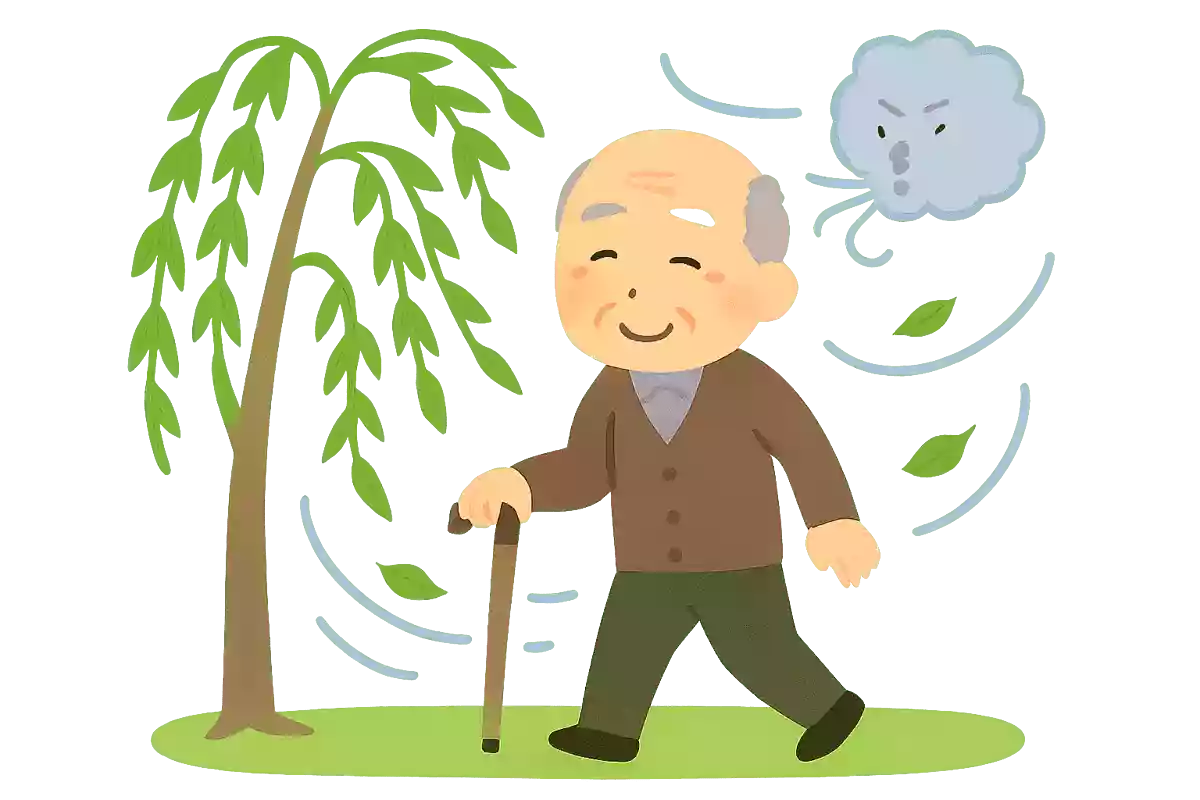
- unique person
- obedient person
- a stubborn person
See the answer
obedient person
It means a compliant, non-resistant personality, like a willow swaying with the wind. It also suggests having a broad mind that can calmly deflect even strong opponents.
What does the phrase “keisetsu no kō” mean?
- Receiving an education
- The simile that the snow is as beautiful as fireflies.
- It's only tough during the winter.
See the answer
Receiving an education
There’s an anecdote about a person so poor that they could hardly receive an education, who gathered the light of fireflies to study. From this, it came to mean diligently pursuing one’s studies despite hardship. Nowadays, it’s said to be shifting toward simply meaning to receive an education.
What does the phrase ‘Even raindrops drill through stone’ mean?
- Place stones to pray for rain
- If you keep polishing the stone, it will rain.
- If you persistently keep at the small things, you can achieve great results.
See the answer
If you persistently keep at the small things, you can achieve great results.
Rain is nothing but tiny droplets, yet those tiny droplets can eventually bore holes in stone; that’s where the expression is said to come from. In any undertaking, if you don’t act, you won’t achieve results.
When there’s thunder, what is it that breaks the 〇〇? What does 〇〇 stand for?
- summer day
- rainy season (tsuyu)
- the other shore; the afterlife; equinox week (Higan) in Buddhism
See the answer
rainy season (tsuyu)
Thunder is especially associated with summer evening showers, isn’t it? This proverb refers to the thunder that rumbles at the end of the rainy season. Because thunder signals the end of the monsoon, it’s often used to mark a turning point in stories.