

[For Seniors] Trivia Quiz & Fun Facts About the Rainy Season (Tsuyu)


The humid, muggy rainy season is also a time when it’s easy to feel unwell.
Going out can be difficult, and stress can build up.
To help you enjoy the rainy season a little more, we’re sharing some trivia and quiz questions related to this time of year.
If you pick up some knowledge you can enjoy even on rainy days, you might find the season more comfortable to get through.
Taking on quizzes is beneficial for older adults as well—it can help prevent cognitive decline and improve concentration.
Try tackling them together with the seniors around you and expand your social interactions actively!
- [For Seniors] Weather Proverb Quiz
- [For Seniors] Quizzes That Capture June: A Collection of Trivia and Fun Facts
- [For Seniors] Fun and Informative Trivia Quiz Collection
- Rainy season trivia roundup: fun facts you'll want to share with someone
- [For Kids] Trivia & Fun Facts Quiz About June
- [For Seniors] Trivia Quiz & Fun Facts About the Weather
- [For Seniors] Hydrangea Trivia Quiz & Fun Facts Collection
- [For Seniors] Fun and Informative! Health Trivia Quiz
- [For Seniors] Introducing trivia related to May!
- [For Seniors] Never Run Out of Conversation Starters! A Collection of Fun Facts About April and Spring
- [For Seniors] Trivia Quiz & Fun Facts About Rain
- [For Seniors] June Health Topic: Recreational Activities to Enjoy the Rainy Season
- [For Seniors] Summer-Themed Trivia Quiz & Fun Facts Collection
[For Seniors] Trivia Quiz and Fun Facts about the Rainy Season (Questions 11–20)
Since long ago, it’s been said that when a certain animal makes its call, it will rain. Which animal is it?
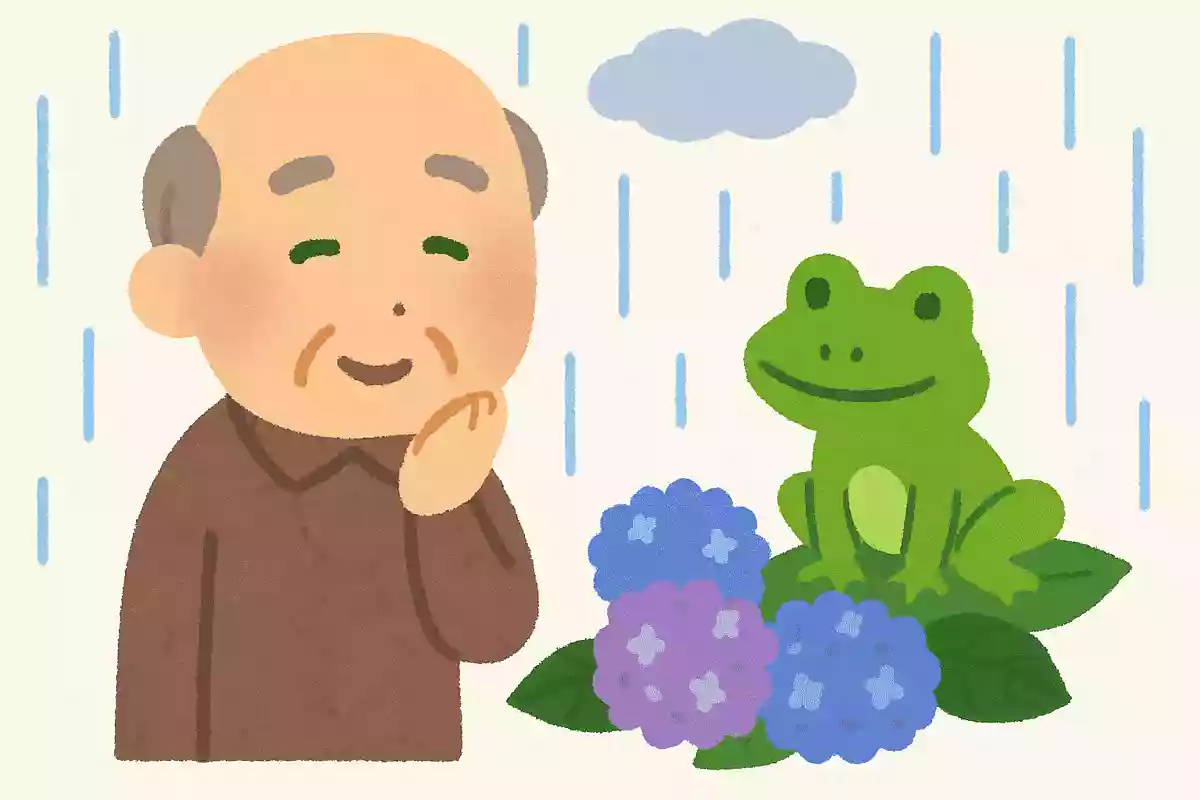
- Frog
- sparrow
- cat
See the answer
Frog
Because frogs often croak before it rains and during the rainy season, it’s said that their calls signal changes in the weather. Resistant to humidity and becoming more active when it rains, frogs have long served as a kind of weather forecaster.

At what humidity percentage does mold, which tends to occur during the rainy season, become more likely to grow?
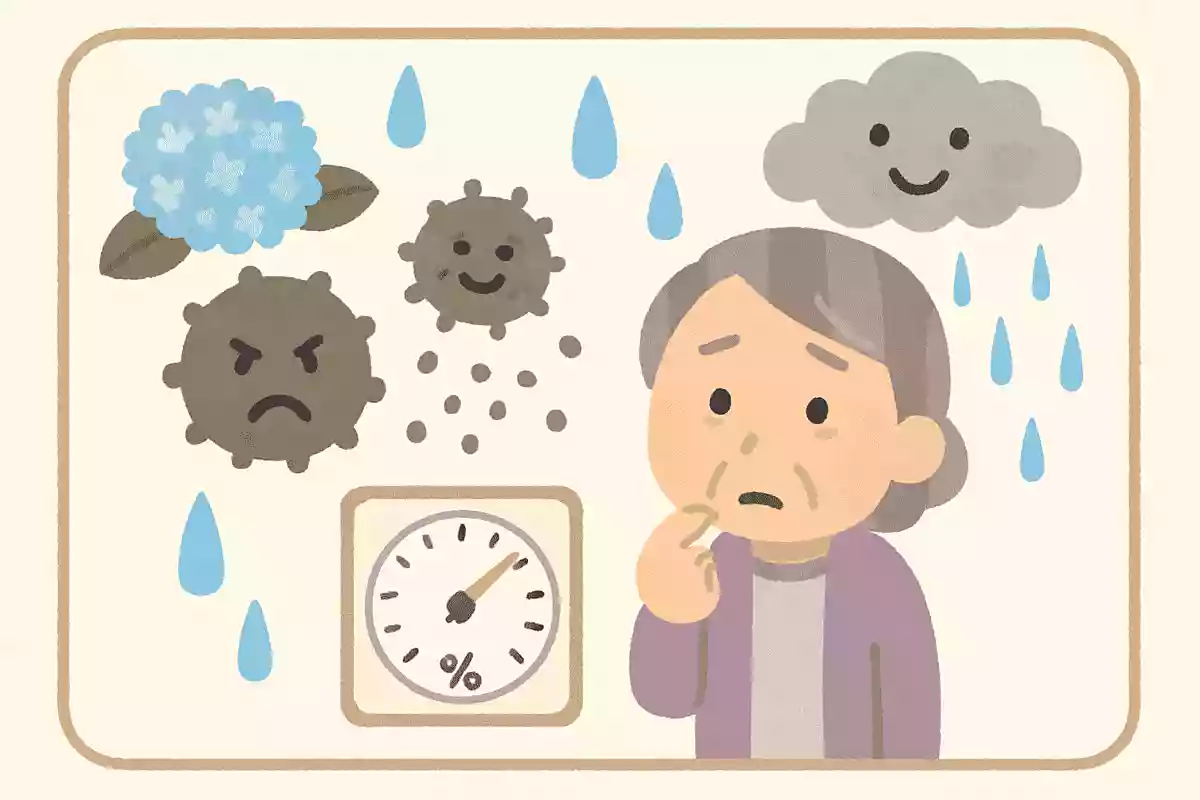
- 25%
- 45%
- 65%
See the answer
65%
Mold tends to develop when humidity exceeds 65%. It does not grow below 55% humidity, but it doesn’t die either, so during the rainy season when humidity is high, frequent ventilation and dehumidification are important.
What foods are suitable as preserved foods during the humid rainy season?
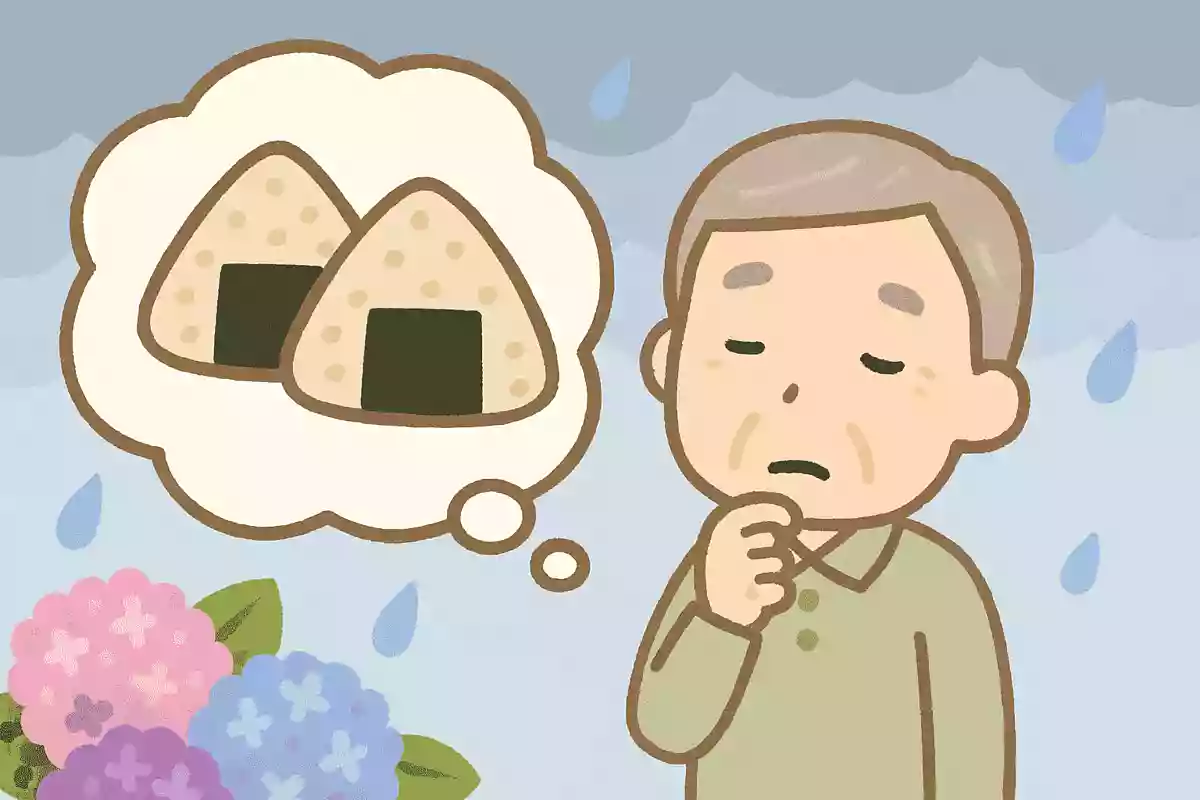
- pickled plum
- Fresh Tomato
- yogurt
See the answer
pickled plum
During the rainy season, humidity rises and food spoils more easily. For this reason, pickled plums (umeboshi) have long been valued. Thanks to their acidity and salt content, umeboshi have preservative effects and are suitable for long-term storage.
What everyday item can you stick to the soles of your shoes on a rainy day to make them less slippery?
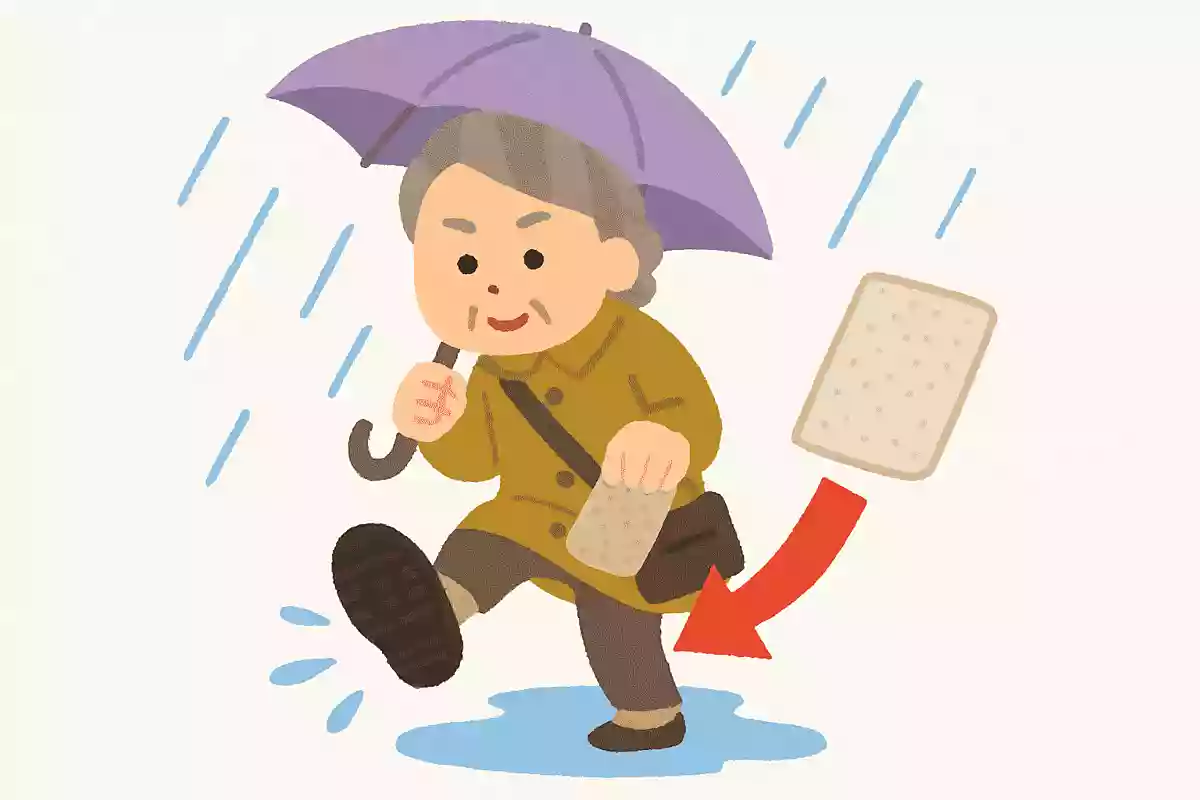
- pain relief patch
- eraser
- bandage
By sticking adhesive bandages on the soles of your shoes, you create friction, making it easier to walk even on slippery surfaces such as on rainy days. It’s nice that something so familiar can help prevent falls among older adults. Please give it a try.
What kind of wish is expressed by hanging a teru teru bozu upside down?
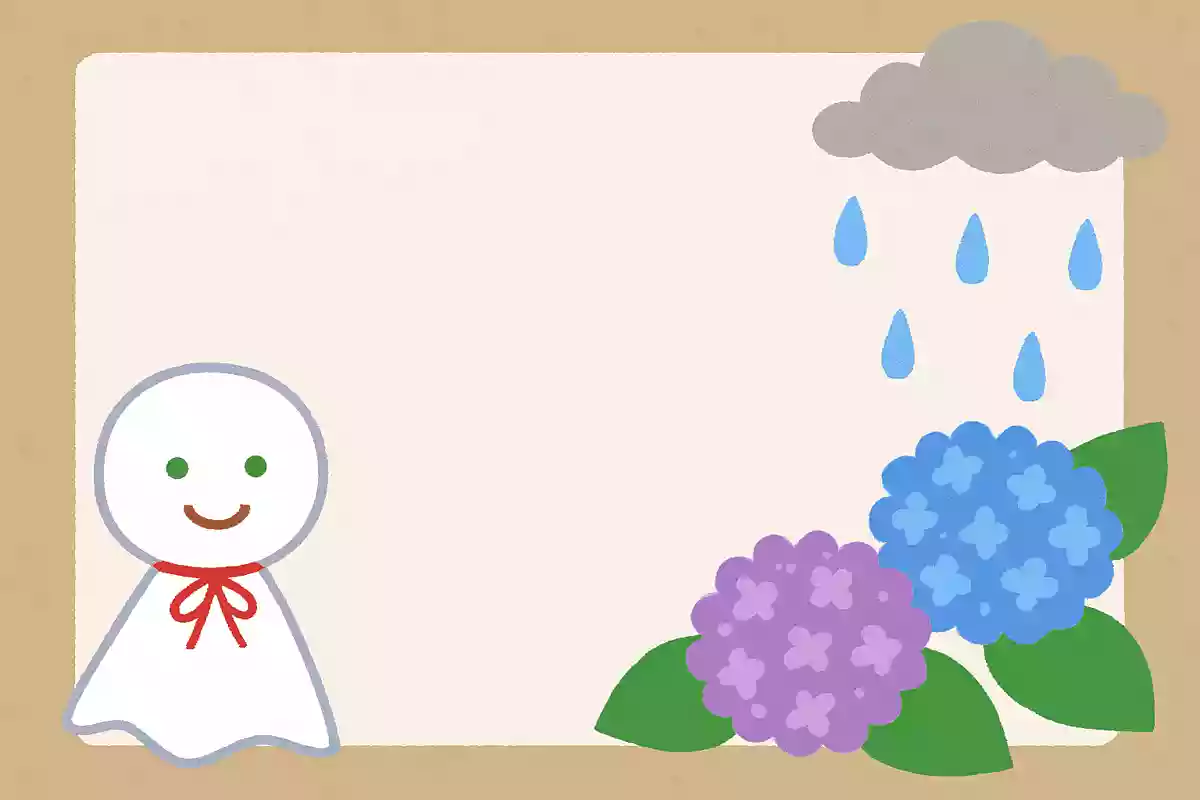
- A wish for it to rain
- A wish for the wind to stop
- A wish for the heat to ease
See the answer
A wish for it to rain
Teru teru bozu are usually hung with the wish for clear weather, but hanging them upside down carries the opposite wish—for rain. In some cases, such as among farmers, it can serve as a form of rainmaking.
Around when did observations for the start and end of the rainy season begin?
- Meiji era (1870s)
- Early Showa period (1920s)
- Mid-Showa period (1950s)
See the answer
Mid-Showa period (1950s)
Observations and announcements of the start and end of the rainy season have been officially conducted by the Japan Meteorological Agency since 1951. You can check them on the agency’s website. Before that, there were no official announcements.
[For Seniors] Trivia Quiz & Fun Facts About the Rainy Season (Questions 21–30)
When did the rainy season stop being called “baiu” and start being called “tsuyu”?

- Heian period
- Muromachi period
- Edo period
See the answer
Edo period
The word baiu, which refers to the rainy season, is of Chinese origin. It was introduced to Japan during the Nara period, but by the Edo period it had already come to be called tsuyu as well, and that became the common name.
