

![[For Seniors] Hydrangea Trivia Quiz & Fun Facts Collection](https://media.ragnet.co.jp/img/1200__png__https://www.studiorag.com/files/2025/06/73be4792fe3f8fb01627318e48d0ce4a.webp)
[For Seniors] Hydrangea Trivia Quiz & Fun Facts Collection


Hydrangeas, with their beautiful petals that shine in the rain and their captivating array of colors, have many characteristics that go beyond their appearance.
This time, we’ll introduce trivia and fun facts about hydrangeas in a quiz format.
You might discover new sides to hydrangeas, such as their history, meanings in the language of flowers, and tidbits about their colors and shapes.
For older adults, it serves as brain training and helps prevent dementia while enjoying the season.
By all means, incorporate it as a rainy season recreation activity at day service centers and other senior care facilities!
[For Seniors] Hydrangea Trivia Quiz & Fun Facts Collection (1–10)
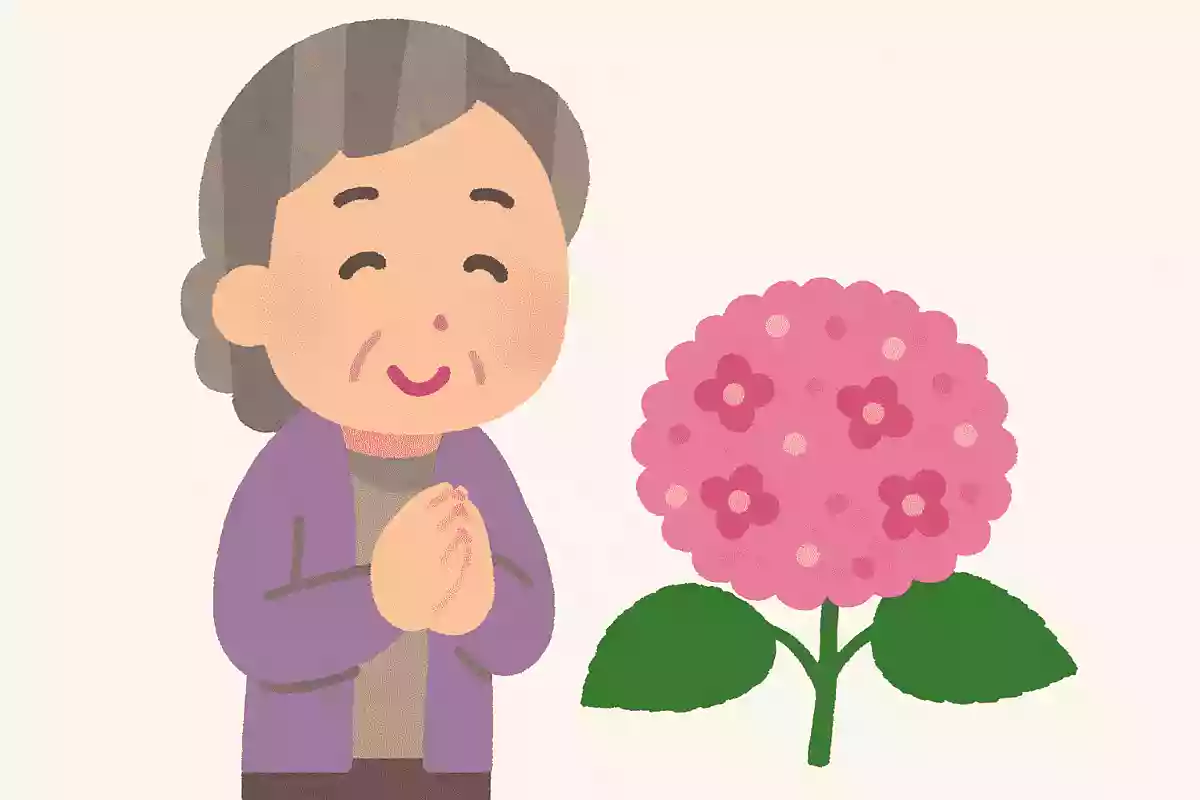
Hydrangeas have various meanings in the language of flowers, but what meanings do pink or reddish-purple hydrangeas carry?
- a lively woman
- family bonding
- Patient love
Pink and magenta hydrangeas have the flower meaning “a lively woman.” Hydrangeas in bright colors like pink and red mainly bloom in Europe. It’s said that this meaning arose because, among European countries, France is known for having many lively women.

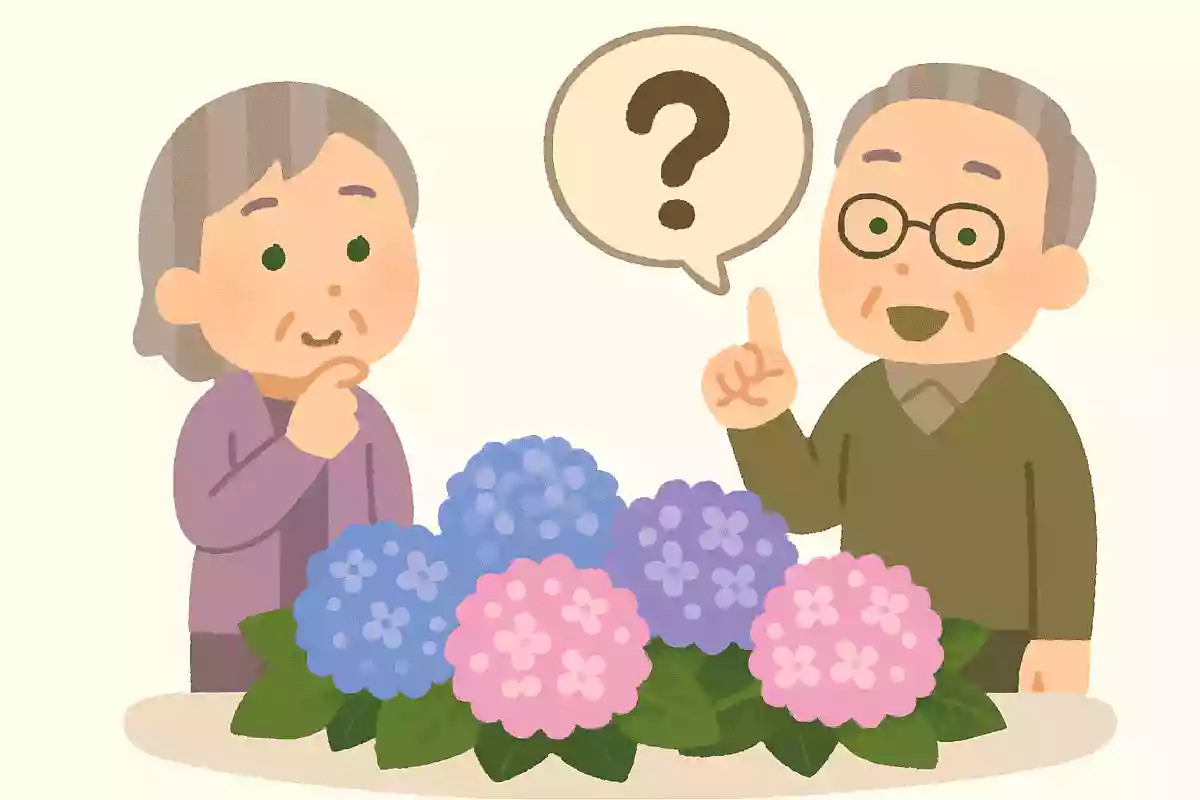
When is the best time to see hydrangeas in Hokkaido?
- Mid-May to early June
- Late June to mid-July
- Mid-July to early August
See the answer
Mid-July to early August
Because Hokkaido has lower temperatures than Honshu, the peak season for hydrangeas arrives later there compared to the rest of the country. In Okinawa, they bloom in May, and from June to July the best viewing period moves northward from western to eastern Japan.
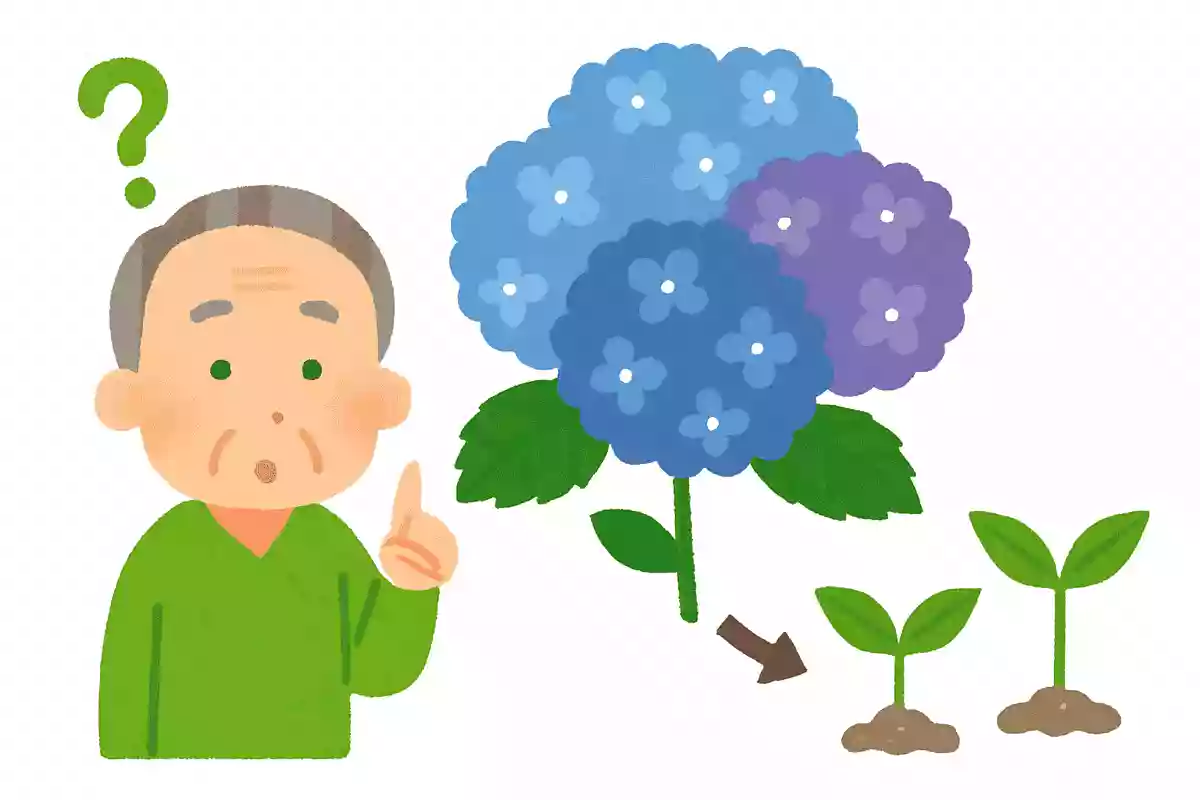
How can hydrangeas be propagated?
- Sow seeds
- Take cuttings
- to graft (a plant)
See the answer
Take cuttings
Because hydrangeas rarely produce seeds, it’s common to propagate them by taking cuttings and inserting them into soil, a method known as “cuttings.” Hydrangeas are said to be so easy to propagate from cuttings that even beginners can grow more simply by “sticking them in the soil.”
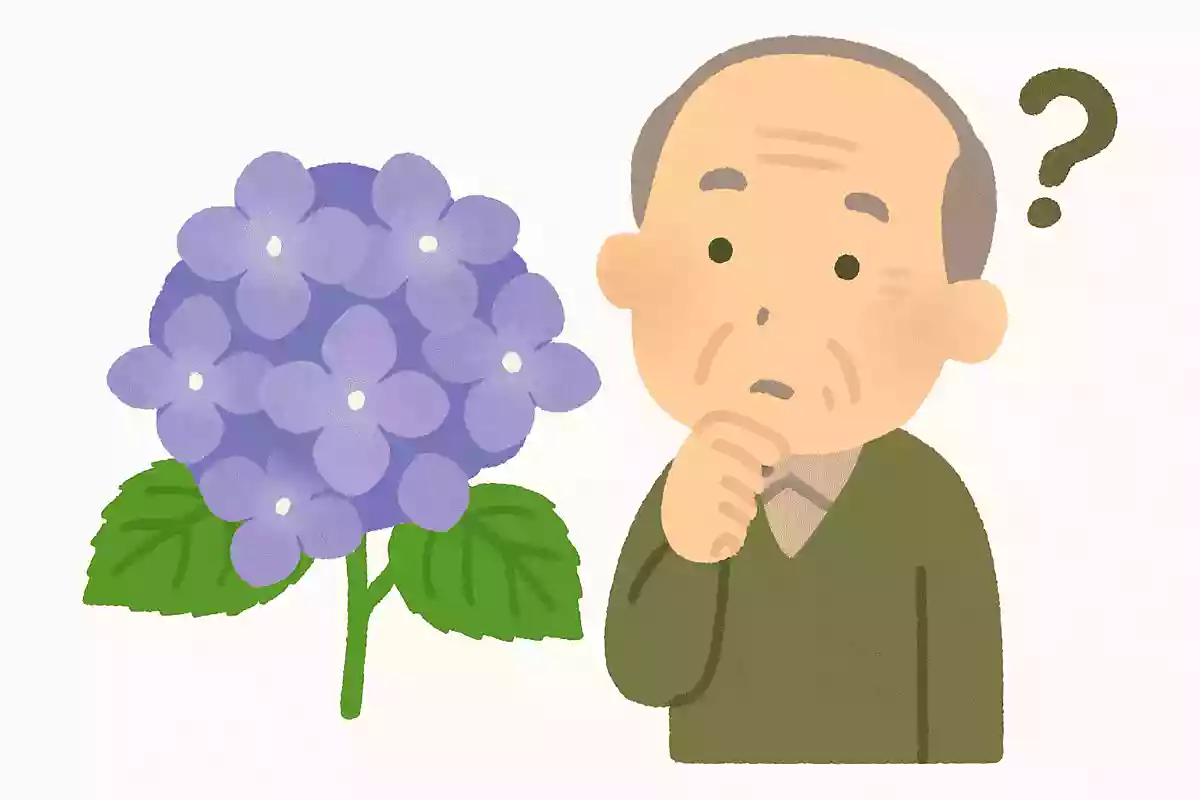
The parts that look like hydrangea petals are actually not flowers. What are they?
- leaf
- gaku
- stem
See the answer
gaku
The parts that look like hydrangea petals are actually sepals. The true flowers bloom small in the center. A distinctive feature is that the sepals grow large and look like petals. Many people might not have known this!
Why are hydrangeas planted at so many temples?
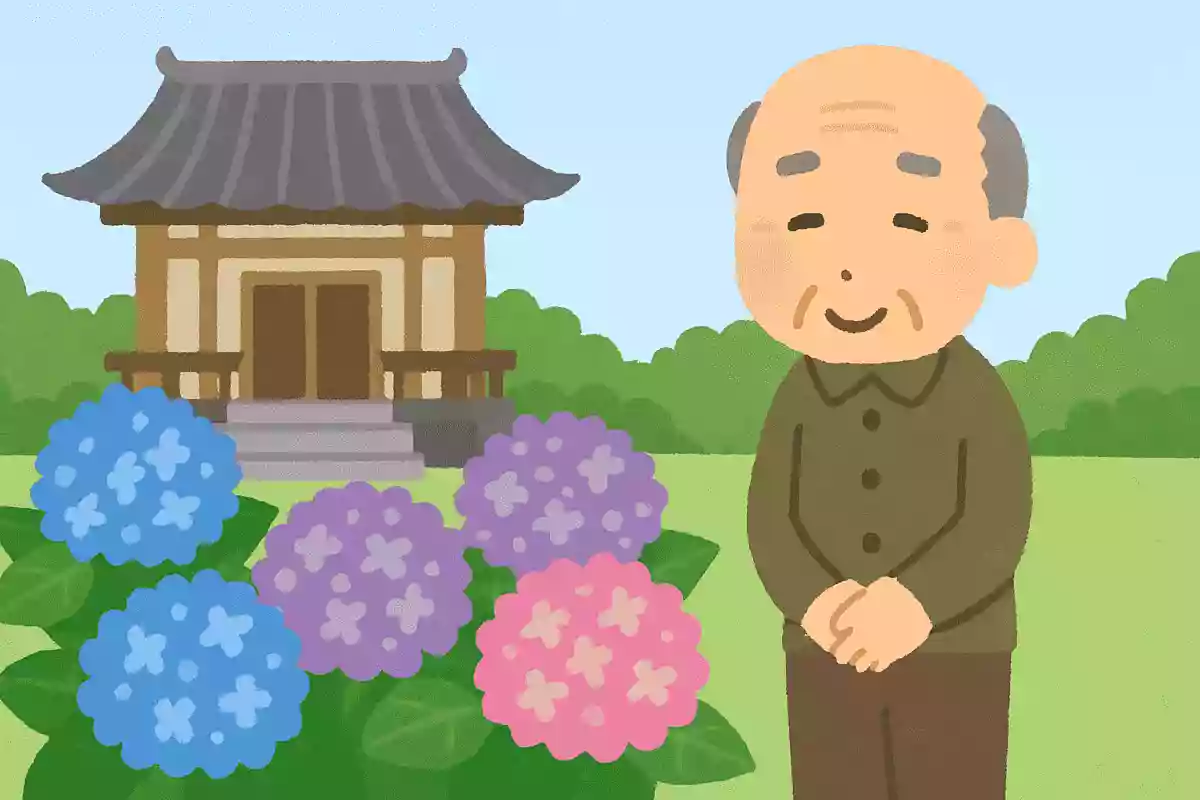
- to delight visitors’ eyes with beautiful flowers
- Mourning for the deceased
- Because it has an insect-repellent effect
See the answer
Mourning for the deceased
In times when medicine was not yet advanced, many people fell ill during the change of seasons—the rainy season—and died from their illnesses. It is said that many temples planted hydrangeas, which bloom during the rainy season, as a way to mourn and honor those who had passed away.
Hydrangeas have various floral meanings, but what are the meanings associated with blue or bluish-purple hydrangeas?
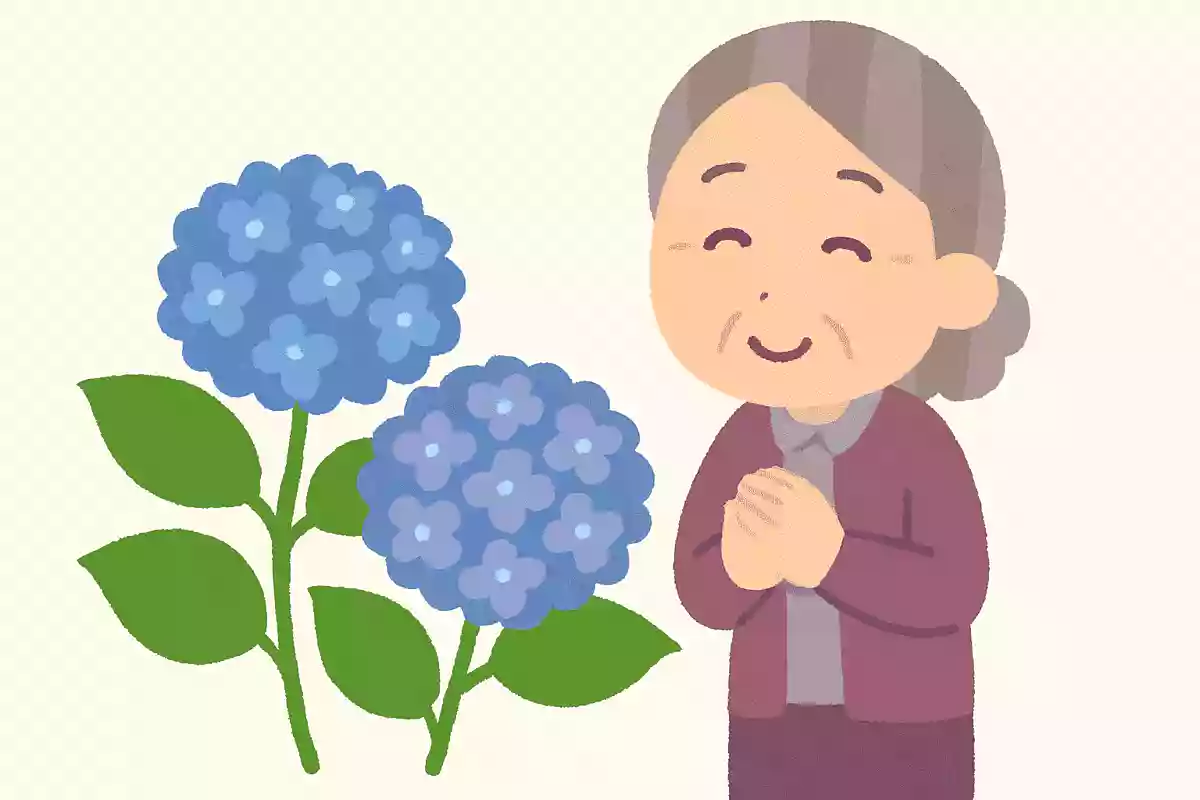
- tolerance
- Patient Love
- a lively woman
See the answer
Patient Love
The flower language of blue and bluish-purple hydrangeas is “patient love.” It comes from the image of hydrangeas that bloom during the rainy season, enduring quietly while continuing to blossom beautifully. Other meanings include heartlessness, unfaithfulness, intelligence, and mystery.
Can hydrangeas be eaten?
- edible
- inedible
- It varies by type.
See the answer
inedible
Hydrangeas are toxic and should not be eaten. Their leaves and flowers contain poisonous components, making them unsuitable for consumption. Eating them can cause poisoning symptoms such as vomiting, fainting, and coma, so please enjoy them as ornamental plants only.