

[Thank You] A song for grandpa and grandma: a classic that makes you want to express your gratitude


We’d like to introduce “Songs for Grandpa and Grandma,” which capture feelings of gratitude and cherished memories for grandparents.
These are perfect for moments when you think of the two of them or for occasions like Respect for the Aged Day when you want to express your everyday appreciation.
From songs that feel like heartfelt letters of thanks, to humorous tracks that portray unique grandparents, to moving pieces dedicated to grandparents who have passed away—we’ve gathered a rich selection.
Even if they live far away and you can’t see them often, a grandchild is always someone special to them.
Just a phone call or a quick visit to show your face will surely make them happy.
Take this opportunity to share your feelings with them.
- Songs to gift for longevity celebrations: heartwarming classics and popular tunes about life
- [Grandpa & Grandma] Timeless Songs to Gift to Seniors
- [Family Song] A gratitude song that lets you feel the importance of family.
- [For Seniors] Introducing recommended songs to give on Respect for the Aged Day
- Songs to give for an 88th-birthday celebration (Beiju). Heartwarming classics and popular tunes.
- Mother's songs: moving masterpieces dedicated to beloved mothers, recommended popular tracks
- [Thank-You Song] A song to convey your feelings of “thank you” to someone special
- [For Seniors] Songs Everyone Can Sing Together! A Roundup of Recommended Crowd-Pleasers
- Songs to give as gifts for a 70th birthday celebration: heartwarming classics and popular hits
- [Thank You] A classic song expressing gratitude to one’s parents. A number loved across generations.
- [For Seniors] Popular Karaoke Songs That Everyone Can Enjoy Together
- Ranking of popular songs for senior citizens
- [Couple's Song] Love Songs to Listen to on Good Couple Day and Anniversaries
[Thank You] Songs for Grandpa and Grandma: Classic tunes that make you want to express your gratitude (51–60)
A Letter to GrandpaTARAKO

It’s the ending theme song of the TV anime “Mikan Enikki.” The lyrics express the feelings of a cat who fondly remembers its previous owner—a grandfather—while now living happily in a new home.
Sung by TARAKO, who also voiced the character in the anime, it’s a melancholy, country-style song.
Yakitori Jiisanmoritakashi

This is the yakitori campaign song for Fukushima City, whose world imbued with the melancholy of an elderly yakitori shop owner sinks the listener’s mood.
It’s been used as background music for health exercises and continues to attract steady popularity.
Some even say it’s a reincarnation of “Oyoge! Taiyaki-kun.”
Grandpa’s TrainFujita Toshiko

It aired on NHK’s “Minna no Uta” in April 1984.
Toshiko Fujita is a voice actress best known for playing Ikkyu in the anime “Ikkyu-san,” and her childlike singing voice matches the nostalgic animation.
It’s a slice-of-life style story about a grandfather who used to be a train driver and his grandchild.
From me to yousakuramaya

This song conveys, from a child’s perspective, gratitude toward grandparents and the wish for them to stay healthy.
Its powerful vocals over an enka-style sound further emphasize the message in the lyrics.
Because it depicts simple, relatable memories, it’s likely to prompt listeners to reflect on their own.
By delivering straightforward words like those in this song—hoping they live a long life—let’s encourage them to keep living energetically from here on out.

[Thank You] Songs for Grandpa and Grandma: Classic tracks that make you want to express your gratitude (61–70)
Grandpa Marcosaneyoshi isako

It’s a lively comic song.
Grandpa Marco is quite the drinker and very poor, and he innocently tells anyone and everyone about his unlucky life.
But in truth, they say he’s a hidden poet who recalls the past and sheds tears whenever he sunbathes alone.
Maybe what we see isn’t the whole story of what “Grandpa” really is.
Theme of the Mean/Spiteful Old Ladysurappusuteikku
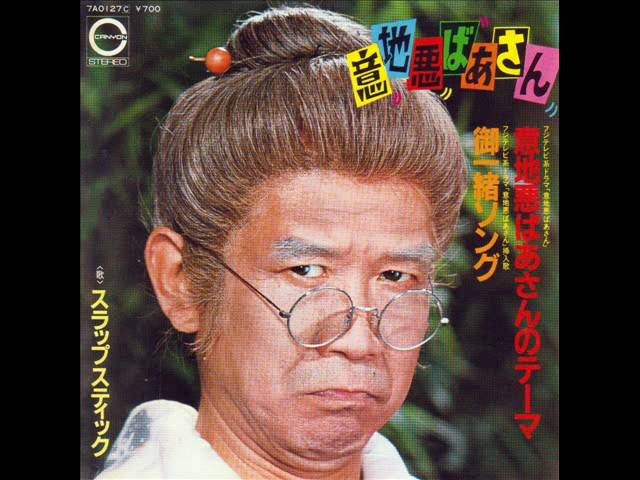
It’s a lively pop song performed by a band of popular voice actors as the theme song for a TV drama based on Machiko Hasegawa’s work.
Covers and arrangements have been used in remakes of the drama and anime, and as a theme song for a screen adaptation of Hasegawa’s works, it’s as famous as the opening theme of the anime Sazae-san.
Many of you may already be familiar with it, right?
Song of the Elderly RevolutionIzumiya Shigeru

Released in 1973, Shigeru Izumiya’s work is a powerful protest song that calls for the dignity and social standing of the elderly.
The lyrics, packed with Izumiya’s distinctive perspective and sharp social critique, convey a deep insight into the inevitability of aging and the issues faced by older people.
Featured on the album “Hikari to Kage” (Light and Shadow), the song’s message remains undimmed more than 50 years after its release.
Its folk-rock sound and Izumiya’s forceful vocals make the theme even more striking.
In today’s aging society, it provides a prompt to consider intergenerational understanding and mutual support.