

![[For Seniors] Summer-Themed Trivia Quiz & Fun Facts Collection](https://media.ragnet.co.jp/img/1200__png__https://www.studiorag.com/files/2025/06/72a02545d758e58152cf35dbe80de26b.webp)

What comes to mind when you think of summer? The ocean, fireworks, or summer vegetables? In this article, we introduce trivia quizzes and fun facts themed around summer.
We’ve prepared many questions about summer traditions and holidays.
Summer is a season when people tend to spend more time indoors due to the heat.
Try incorporating summer-themed topics and quizzes into daily conversations and recreational activities with older adults.
You might hear surprised reactions to unfamiliar trivia.
Thinking and recalling old memories can effectively stimulate the brains of older adults.
Please use this article as a reference!
- [For Seniors] Summer-Themed Quiz: A Collection of Fun Questions to Liven Up Recreational Activities
- [For Seniors] Summer Festival Trivia Quiz & Fun Facts. Enjoyable Quizzes That Boost Your Knowledge
- [For Seniors] Take on Summer! A Collection of Ocean Trivia Quizzes & Fun Facts
- [For Seniors] July Trivia Quiz & Fun Facts. Easy and Engaging
- For Seniors: Lively! Trivia and Fun Facts Quiz for August
- [For Seniors] Quizzes That Capture June: A Collection of Trivia and Fun Facts
- [For Seniors] Tanabata Trivia Quiz: Simple and Fun
- [For Seniors] Trivia Quiz & Fun Facts for June
- Fireworks Trivia Quiz & Fun Facts: Nostalgic Topics for Seniors
- For Seniors: Useful Trivia Questions! Introducing Fun Facts Quizzes You'll Want to Share
- [For Seniors] Informative and Fun Obon Quiz
- August quizzes that seniors can enjoy!
- [For Seniors] Trivia Quiz & Fun Facts for Everyday Life
[For Seniors] A Collection of Summer-Themed Trivia Quizzes & Fun Facts (1–10)
What is the summer-season fruit known as the king of vitamin C?
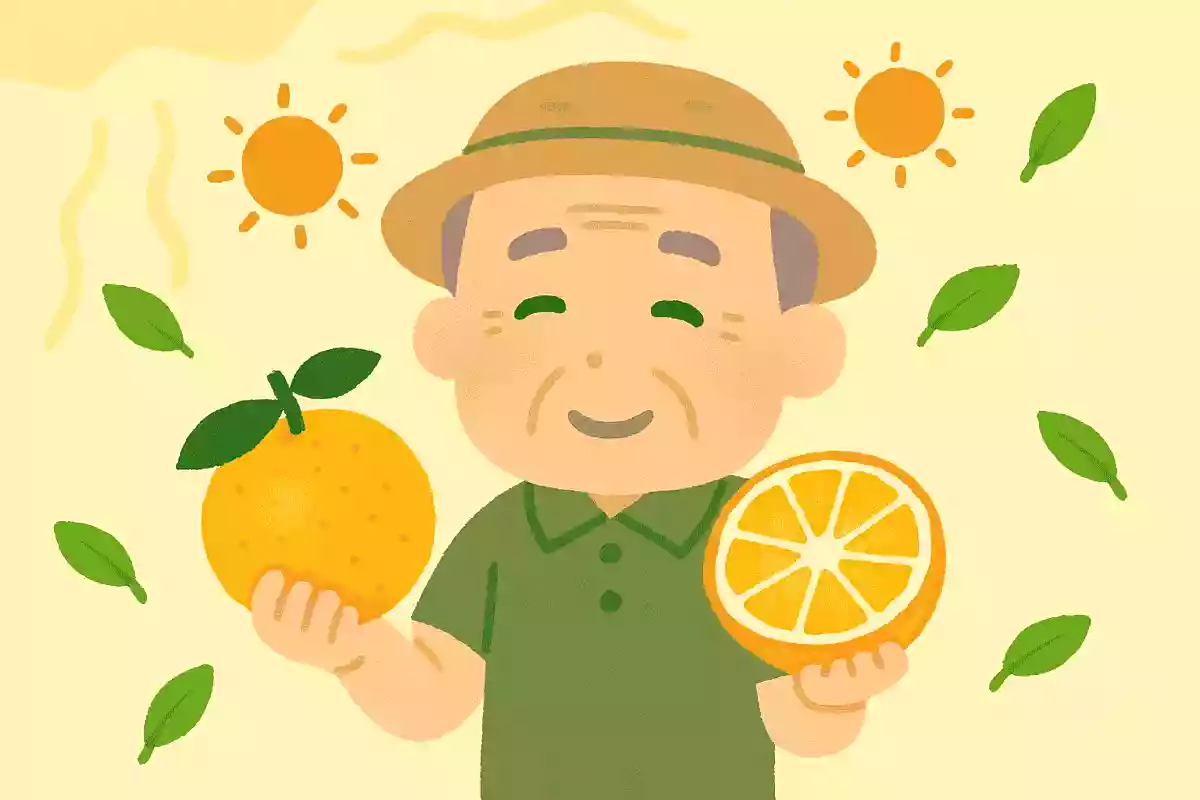
- acerola
- kiwifruit
- watermelon
See the answer
acerola
Acerola is a fruit that contains an exceptionally high amount of vitamin C—more than 30 times that of lemons by weight. For this reason, it’s known as the “king of vitamin C” and is recognized as a fruit that’s in season during the summer. Its main places of origin are the West Indies and tropical America, and because ripe acerola bruises easily, it is said that it is rarely distributed fresh on the market.

What is the summer-season fish that is also known by the nickname “Hakarime”?

- conger eel
- Pacific saury
- cutlassfish
See the answer
conger eel
“Hakarime” is an alternative name for conger eel used in Futtsu City, Chiba Prefecture. It was named because the vertical stripes on its body resemble the scale markings on a balance used in fish markets. It is considered to be in season in summer and is delicious when prepared as kabayaki or tempura.
Until the Edo period, watermelons were a different color from those we see today. What did they look like?
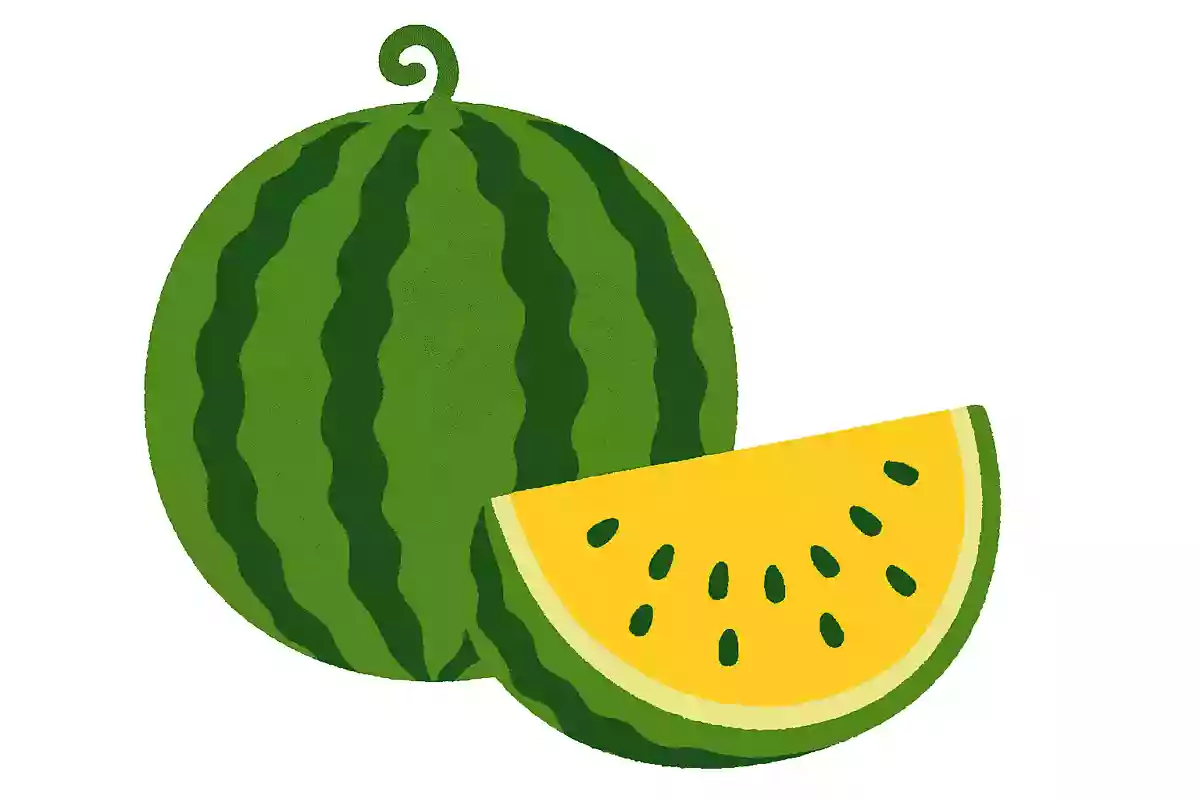
- Solid green
- Solid black
- White with stripes
See the answer
Solid black
In the past, watermelons—which are very popular in summer—did not look like the green, striped ones we see today. The current appearance became widespread around the early Showa era. Before that, a type called “tetsu-kabuto” was common. The tetsu-kabuto variety is solid black with no pattern.
Which summer vegetable should you be careful with when eating because its seeds are poisonous?
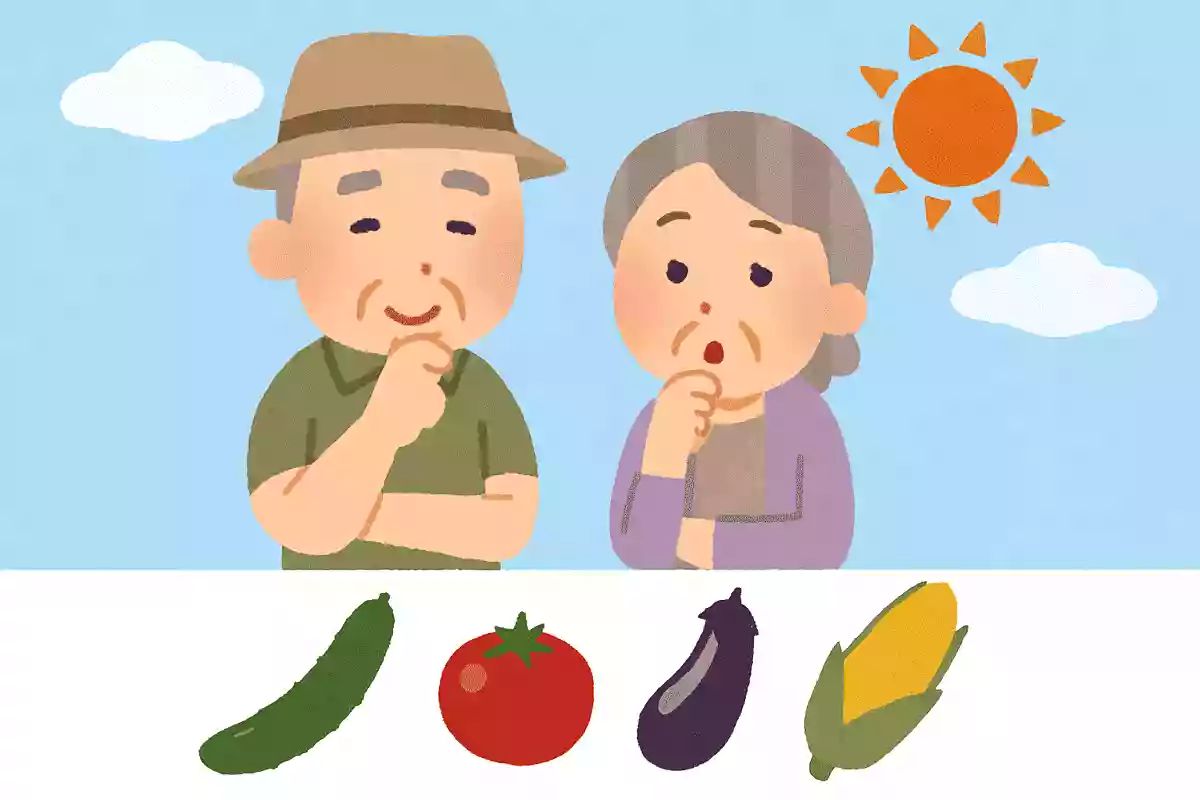
- chili pepper
- Molokhia
- green pepper
See the answer
Molokhia
Since molokhia (Jew's mallow) seeds contain toxins, you should be cautious when eating molokhia grown in your garden. They contain cardiac glycosides, which have a strong cardiotonic effect, and accidental ingestion can cause poisoning symptoms such as dizziness and vomiting.
With fireworks, a hallmark of summer, which color is the one that simply cannot be produced?

- blue
- red
- black
See the answer
black
The colors of fireworks are produced by chemicals such as metals emitting light at high temperatures, but black is considered impossible with current technology because it is extremely difficult to render within flames. Therefore, black fireworks do not exist.
The “silk” that sticks out from the tip of an ear of corn is said to be good for your health if eaten. What exactly is this “silk”?
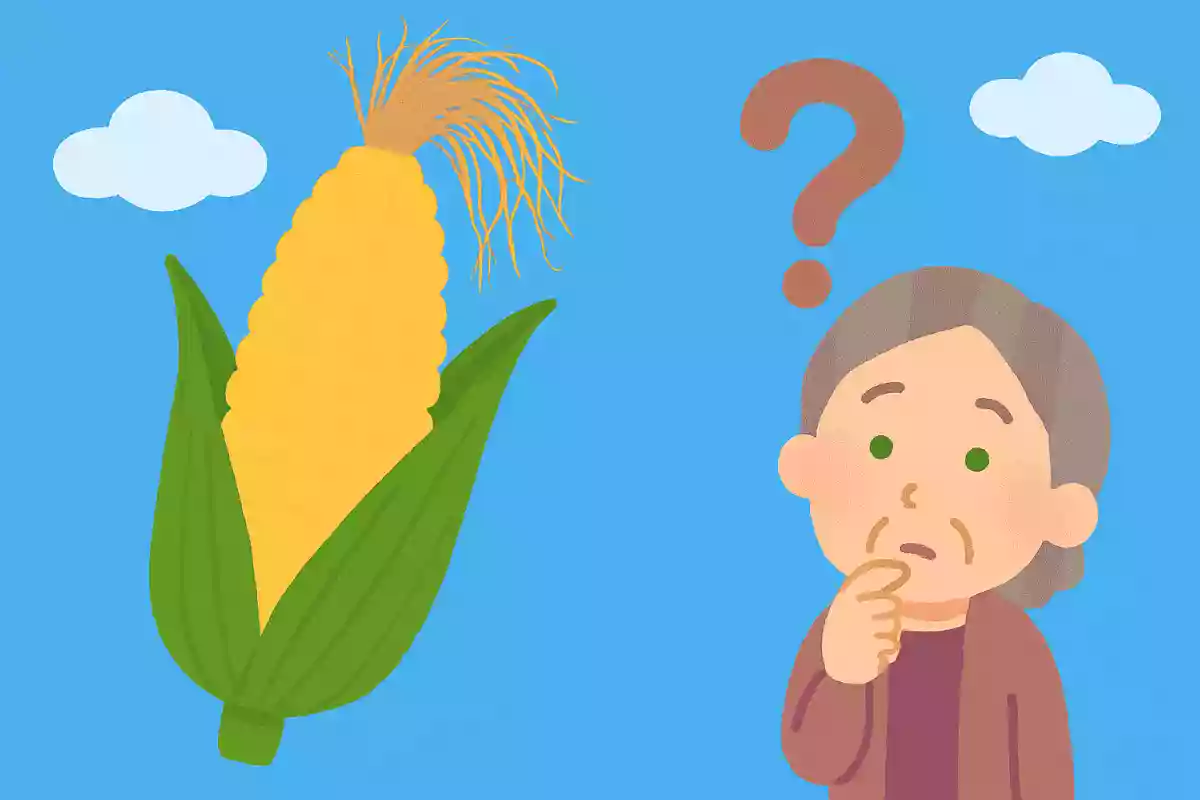
- a part of a leaf
- root
- pistil
See the answer
pistil
The “silk” on corn is actually the pistils, with each strand extending from a single kernel. Since each strand produces a kernel, the more silk there is, the more kernels there will be. When buying fresh corn, choose ears with lots of silk—those will be packed with kernels!
Which summer vegetable was used as toothpaste during the Edo period?
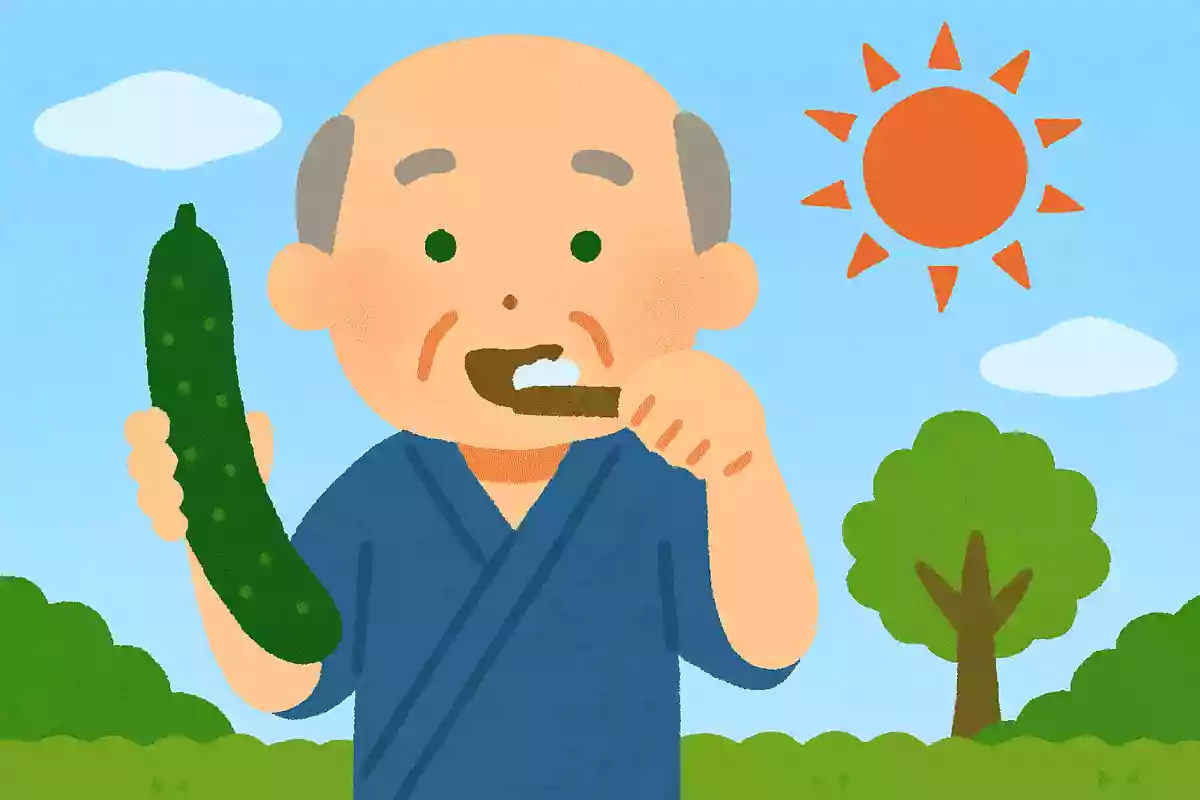
- spinach
- daikon radish
- eggplant
See the answer
eggplant
In Japan, eggplants have long been cultivated as a healthful food. During the Edo period, it is said that the calyx of eggplants, charred until black, was used as toothpaste. The calyx was believed to be effective for periodontitis and mouth ulcers, and it was used as a folk remedy.