

[For Seniors] Have Fun with Wordplay Characters! A Collection of Funny Puzzles


We’ve put together a collection of brain teasers that people of all ages can enjoy.
For seniors, they can also serve as brain training, so this might be a popular idea.
These riddles range from ones that use kanji and hiragana to questions that make you think about what’s being described, such as “Where is the highest-altitude train station in Japan?” and “What vehicle occasionally eats bread?”
The nice thing about brain teasers is that you don’t need prior knowledge—if you twist your thinking a bit, you can figure them out.
Thinking them through together with seniors around you can spark interaction and make things lively!
Be sure to take this opportunity to give them a try.
- [Riddle Quiz for Seniors] Brain Training Perfect for Mental Exercise
- [For Seniors] Recommended and Exciting! Brain-Teaser Quiz Collection
- [For Seniors] Fun! Let’s Get Excited with Japan’s Number One Quiz
- [For Seniors] Fun and Lively! Recommended Quiz Questions
- [Brain Training] Lively Word Quiz for Seniors
- [For Seniors] Fun Brain Training! Lively Mind Exercises
- [For Seniors] Liven Things Up with Trick Riddles You Answer!
- [For Seniors] Fun Brain Training! Prefecture Quiz
- [For Seniors] Today’s recommended quiz. Daily brain-training quiz!
- [For Seniors] Enjoyable Brain Training! Liven Up with a Local Three-Choice Quiz
- [For Seniors] Fun Riddles That Stimulate the Brain
- [For Seniors] January Trivia Quiz & Fun Facts. Brain training with quizzes about New Year and winter.
- [For Seniors] Sports Trivia Quiz & Fun Facts. Easy and Entertaining
[For Seniors] Have Fun with Riddle Letters! A Collection of Funny Puzzles (21–30)
What might be around you?
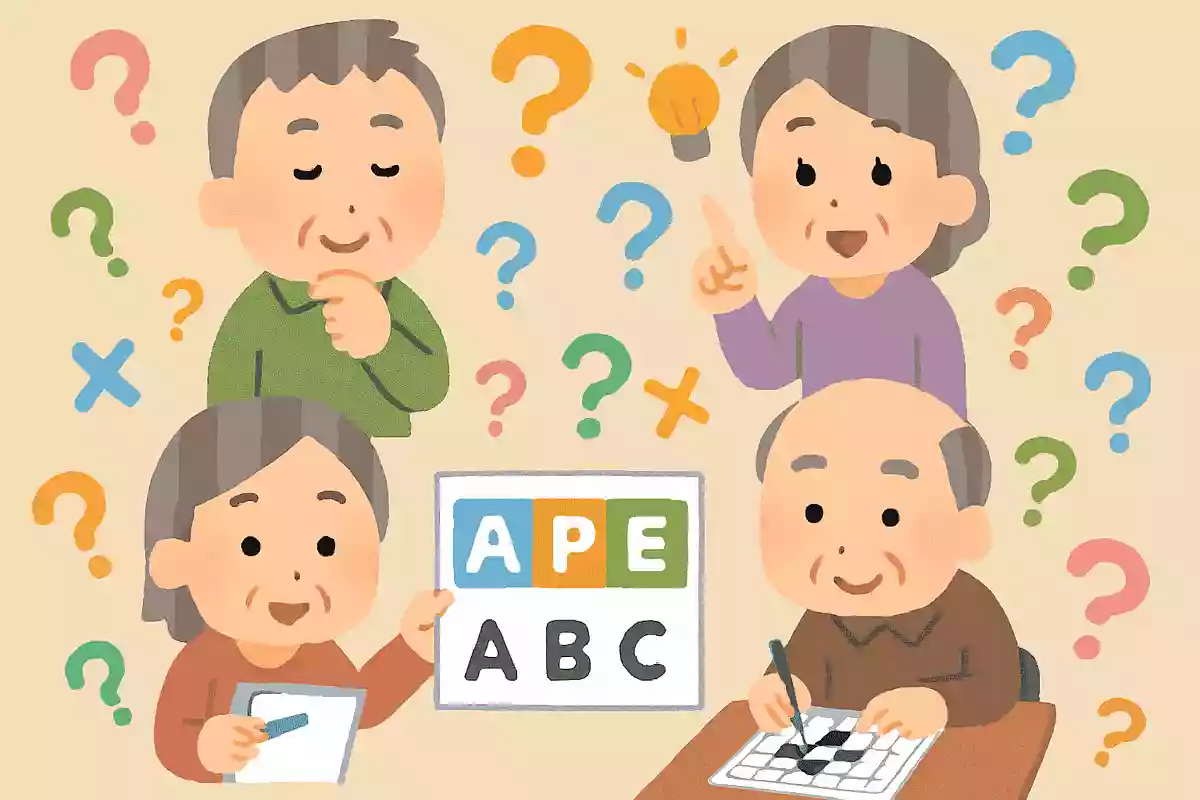
What is something that is around you? The hint is to change how you interpret the word “you.” The answer is egg white. If you take “you” to mean the yolk (instead of ‘you’ the person), it makes sense, right? It was a classic riddle where you can’t answer it if you take the question at face value.

Which prefecture are people from who don’t hang their clothes on hangers?

The hint is that you shouldn’t hang up clothes. If you say it out loud a few times, you might notice it: fuku o kakenai, fuku o kaken, fuku o ken, Fukuoka-ken—Fukuoka Prefecture. It might be a puzzle you can’t solve without flexible thinking.
There are three cans. What’s inside them?
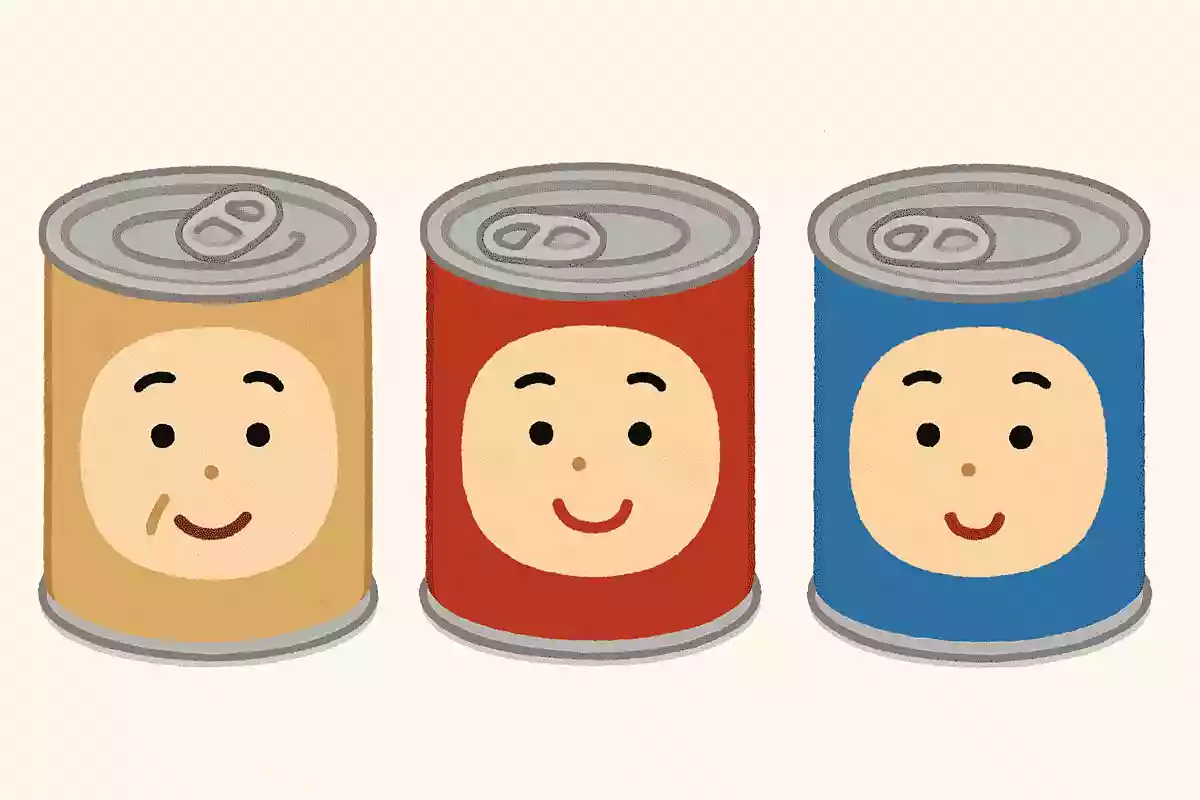
What’s inside the three cans? If there are three cans, that makes three cans, right? The hint is to change how you read it. What happens if you read “three cans” differently? The answer is “mikan” (mandarin orange). If you change the reading of “three cans” (san-kan), it can be read as “mikan.”
What food is disliked unless someone has an errand for it?

What is the sad food that gets told it’s not needed? Here’s a hint: it’s a fruit. Try rephrasing “not needed.” The answer is a pear (in Japanese, yōnashi sounds like “yō-nashi,” meaning “no use”). Did you get it? Since it’s a wordplay/rephrasing puzzle, trying different expressions might have helped you figure it out.
What is a vehicle that sometimes eats bread?
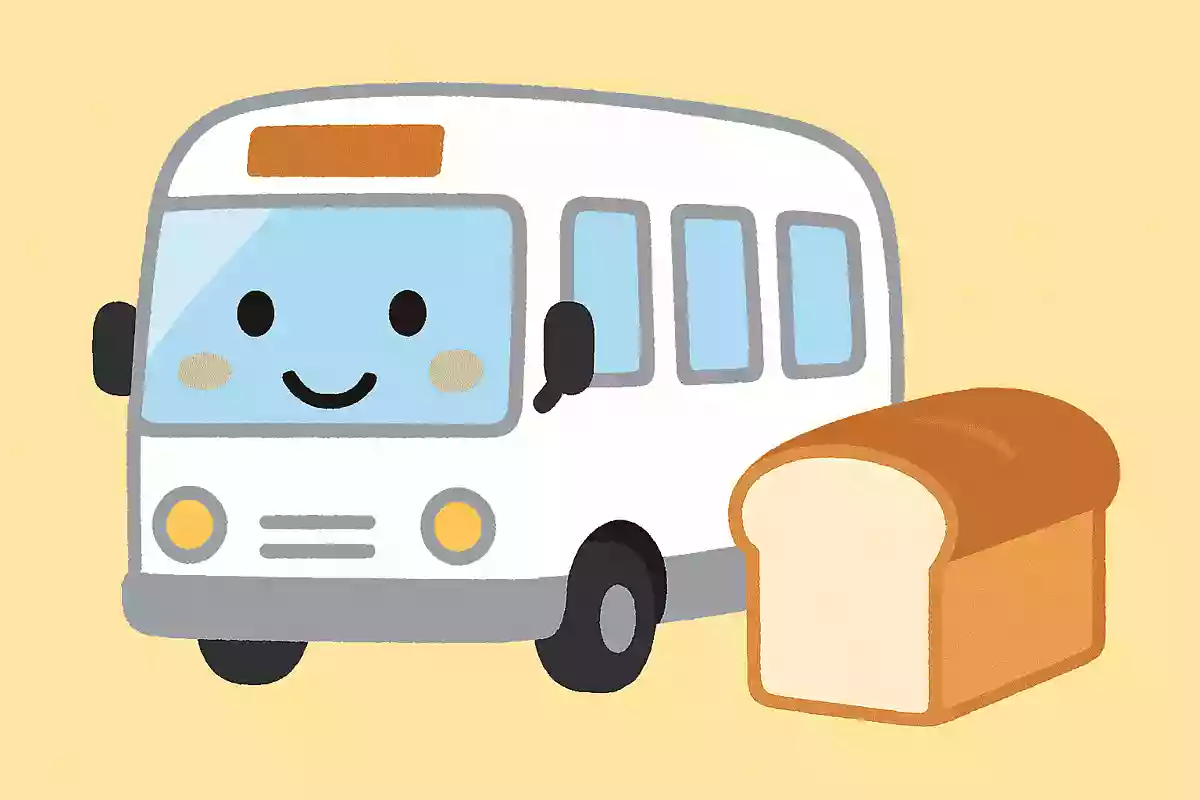
It’s one of those wordplay quizzes about bread. What vehicle “eats” bread? Here’s a hint: try changing the way you say “to eat.” The answer is a bicycle. Sometimes it “eats bread” (panku), which sounds like “puncture” in Japanese. How was it—did you figure it out?
What is a profession where you’re always breaking cars?
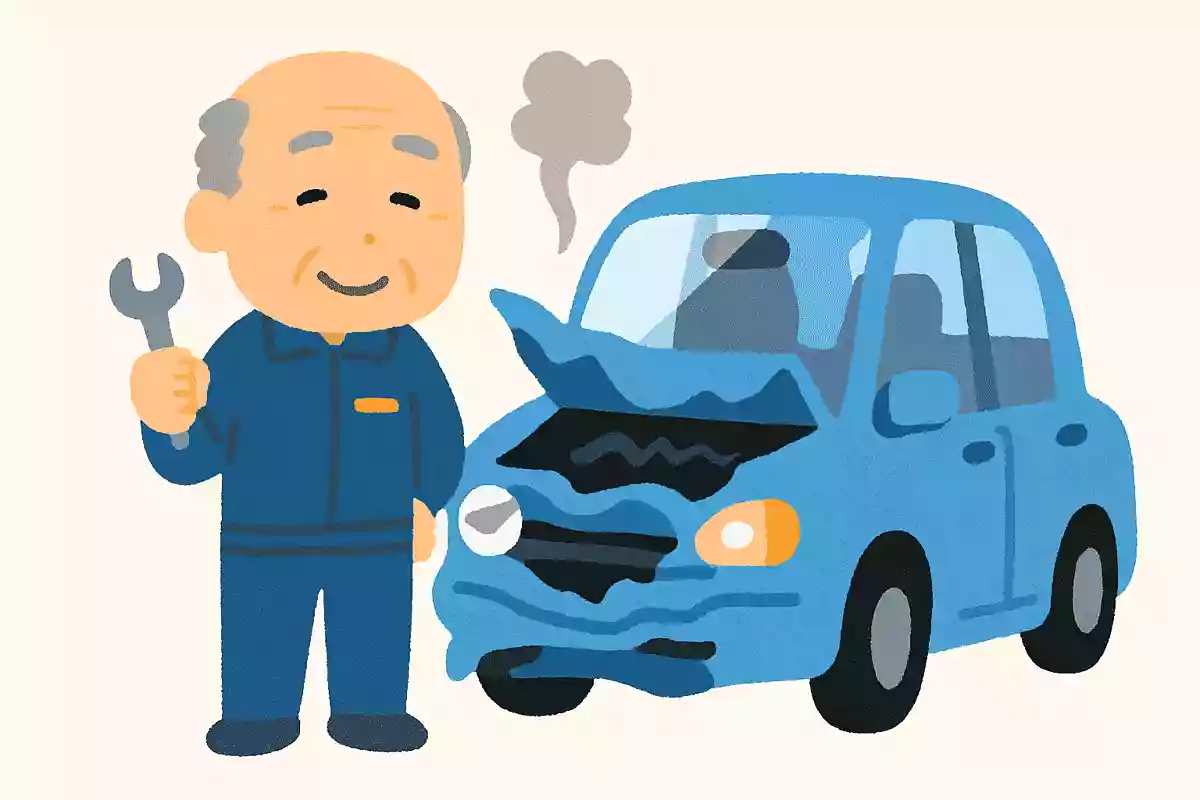
Here’s a riddle about cars. Which profession is breaking something? What do you call making a car unusable? It’s called “haisha” (scrapping a car). So the answer is “haisha,” meaning “dentist.” It was a wordplay riddle where words sound the same but have different meanings.
What is something you can tear without touching it with your hands?
What is something you can break without touching it? No psychic powers allowed. Hint: it’s something you’re often told you shouldn’t break too much. The answer is a promise. You can break a promise without laying a hand on it, right?