

[For Seniors] Have Fun with Wordplay Characters! A Collection of Funny Puzzles


We’ve put together a collection of brain teasers that people of all ages can enjoy.
For seniors, they can also serve as brain training, so this might be a popular idea.
These riddles range from ones that use kanji and hiragana to questions that make you think about what’s being described, such as “Where is the highest-altitude train station in Japan?” and “What vehicle occasionally eats bread?”
The nice thing about brain teasers is that you don’t need prior knowledge—if you twist your thinking a bit, you can figure them out.
Thinking them through together with seniors around you can spark interaction and make things lively!
Be sure to take this opportunity to give them a try.
- [Riddle Quiz for Seniors] Brain Training Perfect for Mental Exercise
- [For Seniors] Recommended and Exciting! Brain-Teaser Quiz Collection
- [For Seniors] Fun! Let’s Get Excited with Japan’s Number One Quiz
- [For Seniors] Fun and Lively! Recommended Quiz Questions
- [Brain Training] Lively Word Quiz for Seniors
- [For Seniors] Fun Brain Training! Lively Mind Exercises
- [For Seniors] Liven Things Up with Trick Riddles You Answer!
- [For Seniors] Fun Brain Training! Prefecture Quiz
- [For Seniors] Today’s recommended quiz. Daily brain-training quiz!
- [For Seniors] Enjoyable Brain Training! Liven Up with a Local Three-Choice Quiz
- [For Seniors] Fun Riddles That Stimulate the Brain
- [For Seniors] January Trivia Quiz & Fun Facts. Brain training with quizzes about New Year and winter.
- [For Seniors] Sports Trivia Quiz & Fun Facts. Easy and Entertaining
[For Seniors] Have Fun with Riddle Letters! A Collection of Funny Puzzles (21–30)
What is on top of the top?
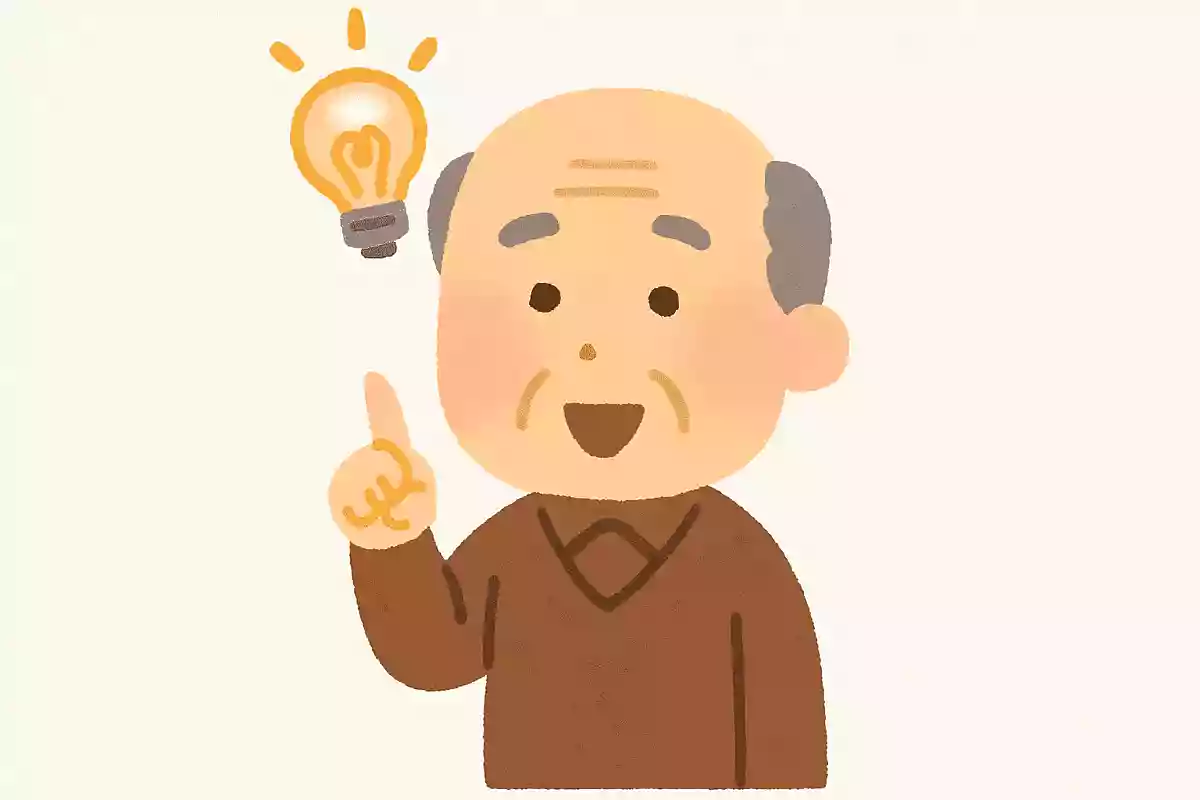
What is on top of “upper”? Here’s a hint: think of “upper” written in hiragana. The answer is “ai.” Above “ue” in the sequence a-i-u-e-o is “ai,” right? It might have been tricky to realize it was about the alphabetical order of the Japanese syllabary.

Two katakana characters fought. Which two characters are they?
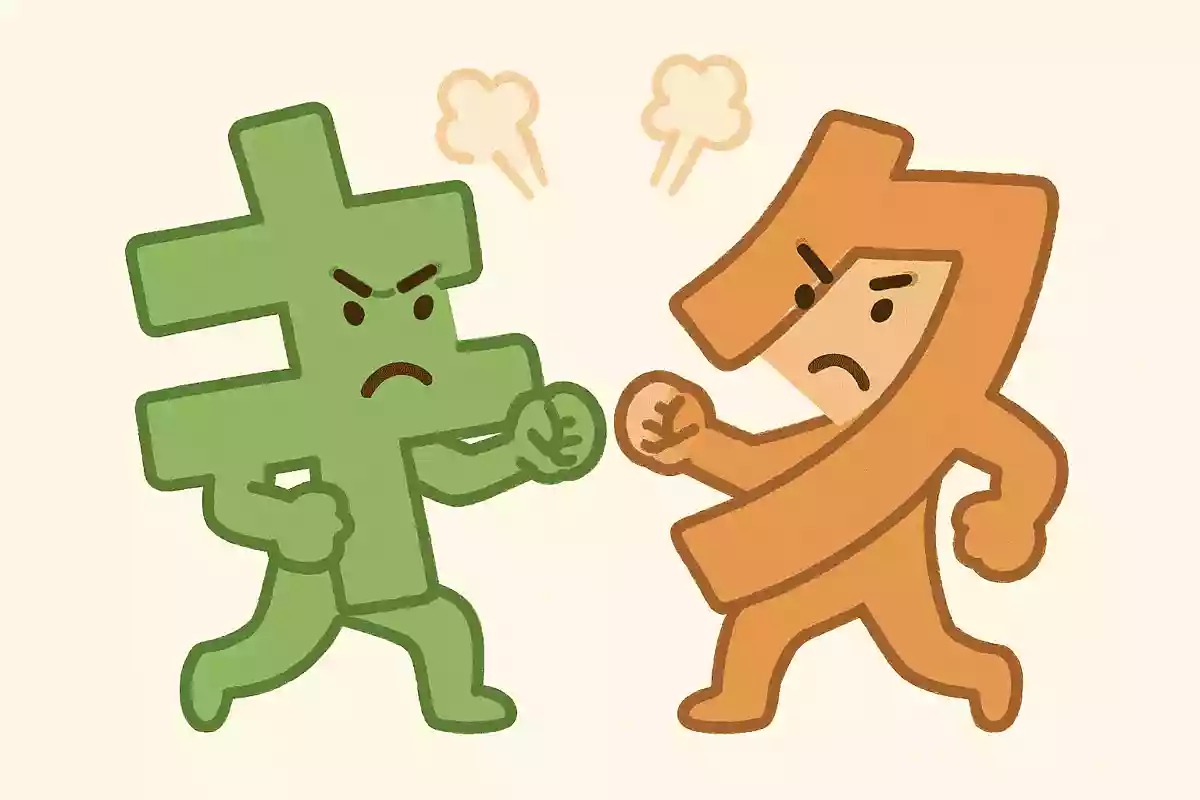
What does it mean for two katakana characters to fight? Here's a hint: try writing 'fight' in katakana. 'Fight' becomes バトル (batoru). In other words, the answer is “バ” and “ル.”
[For Seniors] Have Fun with Riddle Characters! A Collection of Funny Puzzles (31–40)
What is something that has two parents and three children?
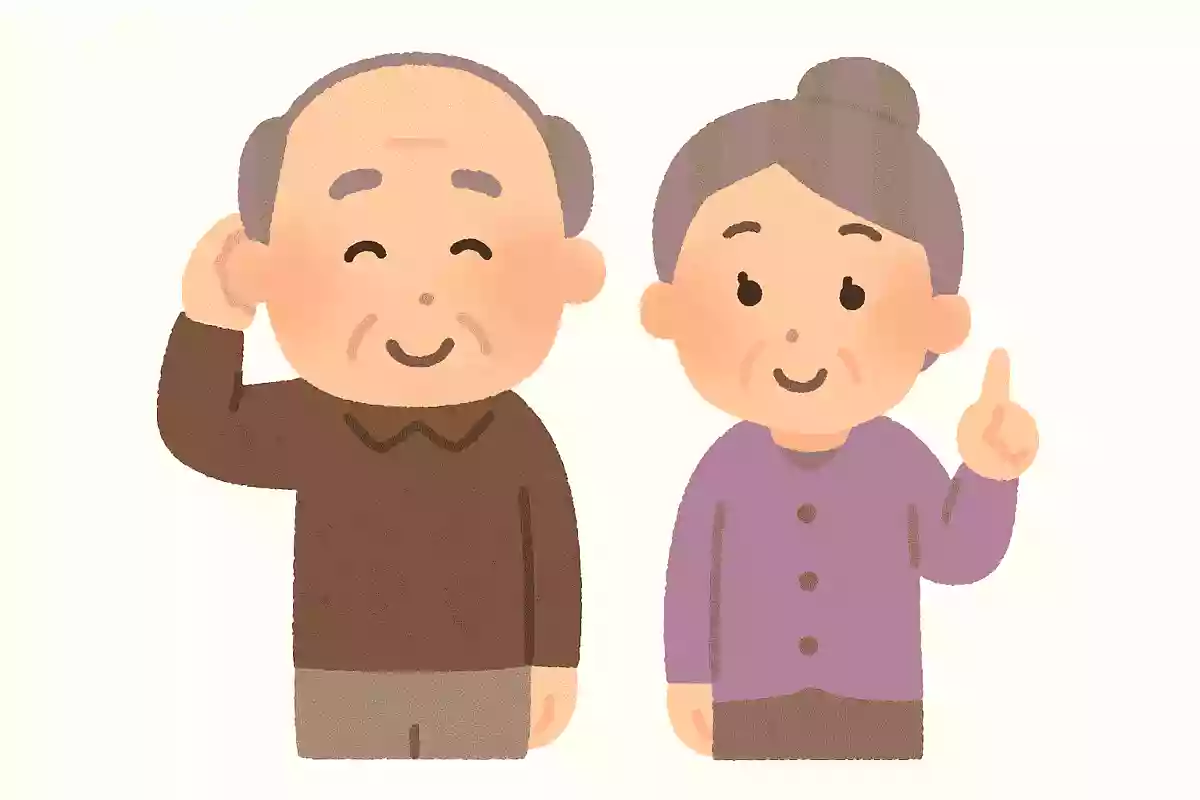
What is something that parents have two of and children have three of? Here’s a hint: think of things that include the words “parent” and “child” in their names. The answer is joints. Do you see why? The number of joints differs between the thumb and the little finger. The thumb has two joints, while the little finger has three.
Why are all the baseball players crying?
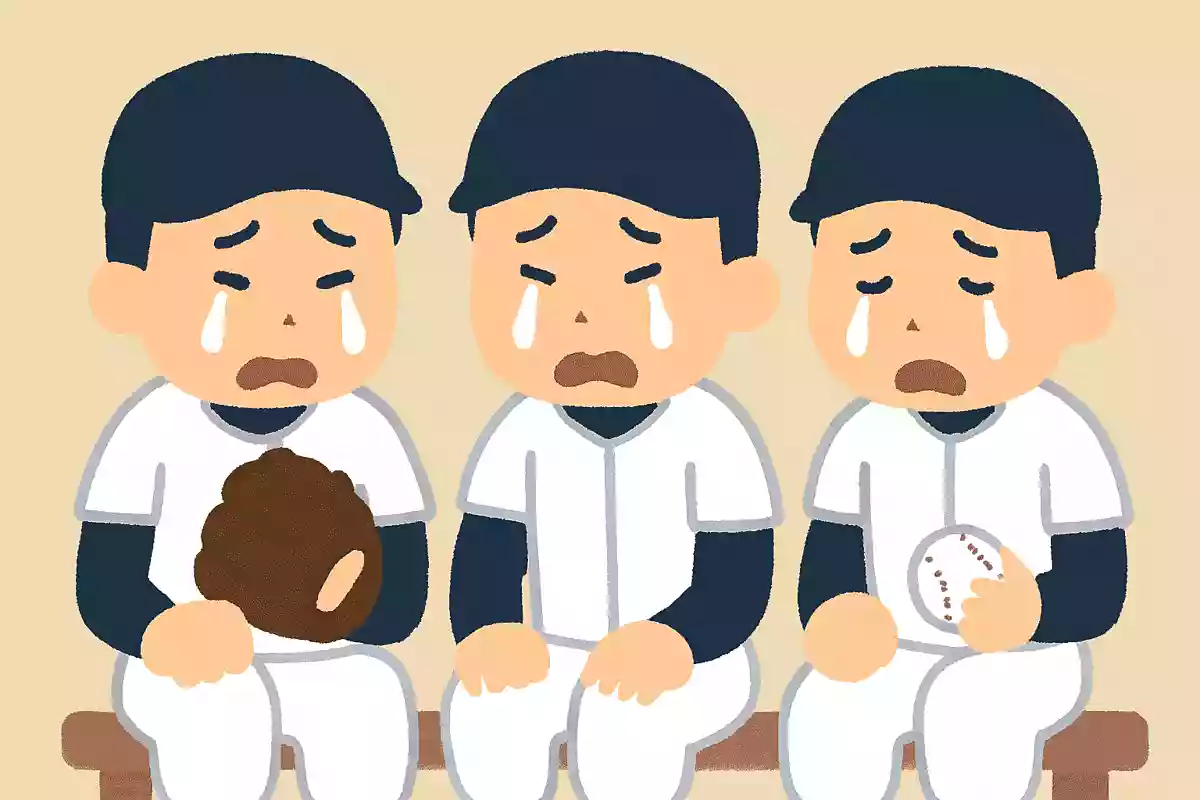
Why is the baseball player crying? Here’s a hint: professional baseball games are often played at night. The answer is because it’s a “night game” (nighter). Did you know that night games are called “nighters”? It was a wordplay on “nighter” and “cried” (naita). Did you get it?
What happens if a horse gets fat and draws attention?
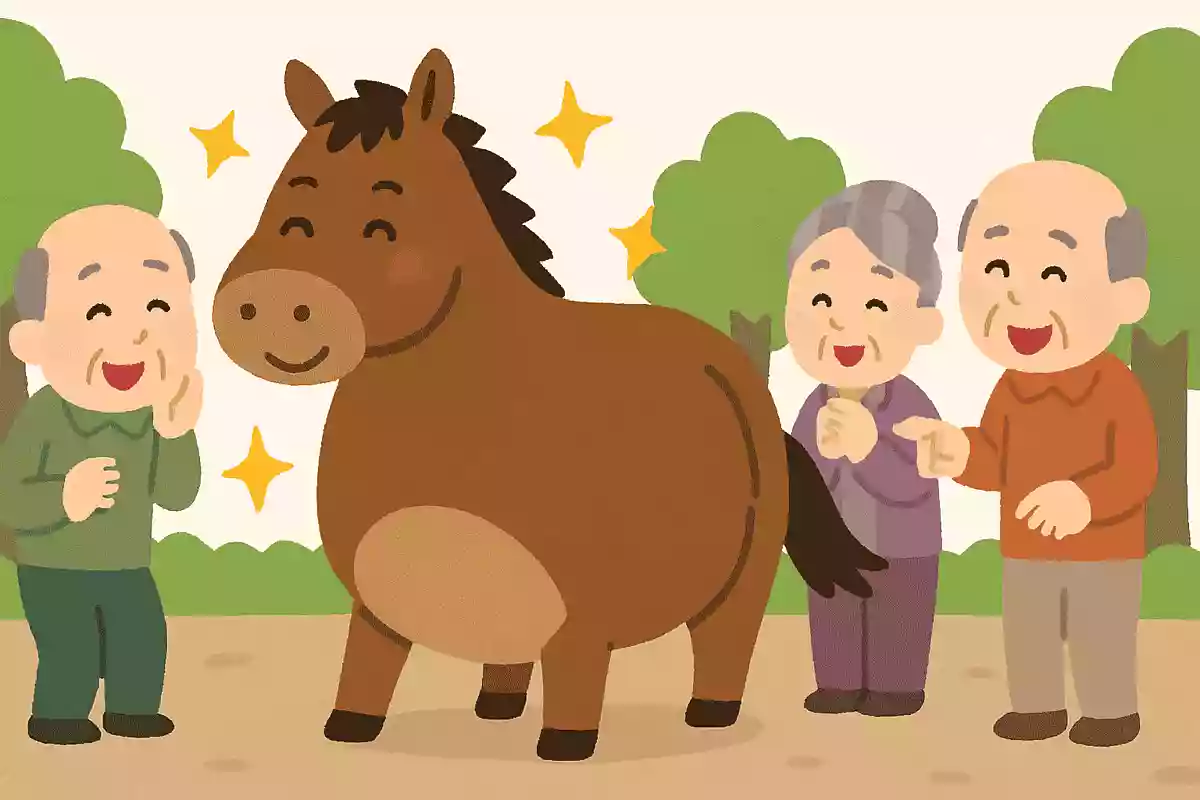
What happens if a horse gets fat and someone “puts an eye on it”? The hint is to think in kanji. If you write “a horse gets fat,” it becomes the character 駄 (horse + fat). Got it now? The answer is “no good” (駄目). When you add the character for “eye” 目 to 駄, it becomes 駄目, which means “no good.”
What is something that goes down to 6, and from 6 onward goes up?
It’s a numbers riddle, isn’t it? What kind of numbers are we dealing with? Here’s a hint: they’re numbers we see every day. The answer is the hands of a clock. The clock’s hands go down until they point to 6, and after that they go up, right?
In conclusion
This time, we gathered a variety of riddle-style brain teasers. Did you enjoy them? Some may have been difficult, but the refreshing feeling you get when you solve them is the charm of these kinds of puzzles. They’re great brain training for older adults, so please try tackling the other questions as well.