

[For Seniors] Liven Things Up with Trick Riddles You Answer!

Riddles are a type of recreation that can help stimulate the brain.
They’re easy to enjoy regardless of age, so many older adults can have fun with them.
Because they’re so simple to pick up, though, you might start to run into the problem of monotony if similar questions keep coming up.
So, let’s add a “trick” element to riddles for seniors!
Trick riddles are questions designed to deliberately lead you to the wrong answer.
In addition to the mental workout of solving them, you can also enjoy the surprise and sense of the unexpected when you learn the correct answer.
Give them a try in an environment where it’s okay to come up with the wrong answer!
- [For Seniors] Fun Brain Training! A Collection of Tricky Quizzes You’ll Definitely Get Stumped By
- [For Seniors] Laugh-Out-Loud, Crowd-Pleasing! Fun Quiz
- [For Seniors] Fun and Lively! Recommended Quiz Questions
- [For Seniors] Get Excited by Knowing the Answers! Tricky Quiz
- [For Seniors] Have Fun with Wordplay Characters! A Collection of Funny Puzzles
- [For Seniors] Who Am I? Quiz: A Fun Set of Questions with Exciting Hints
- [For Seniors] Lively two-choice trivia quiz. Handy to know and tidbits you'll want to share with others
- [For Seniors] Find daily brain training. Today’s recommended brain workout.
- [For Seniors] Fun! Let’s Get Excited with Japan’s Number One Quiz
- [For Seniors] Recommended for Brain Training! Ultra-Difficult Quizzes and Riddles
- [For Seniors] Recommended Brain Training! Classic Riddles
- [For Seniors] Fun and Informative! Trivia and Quizzes Introduced
- [For Seniors] Lively Wordplay Game: Fun Recreation for Elderly Care
[For Seniors] Get the Conversation Going! Tricky Riddles (11–20)
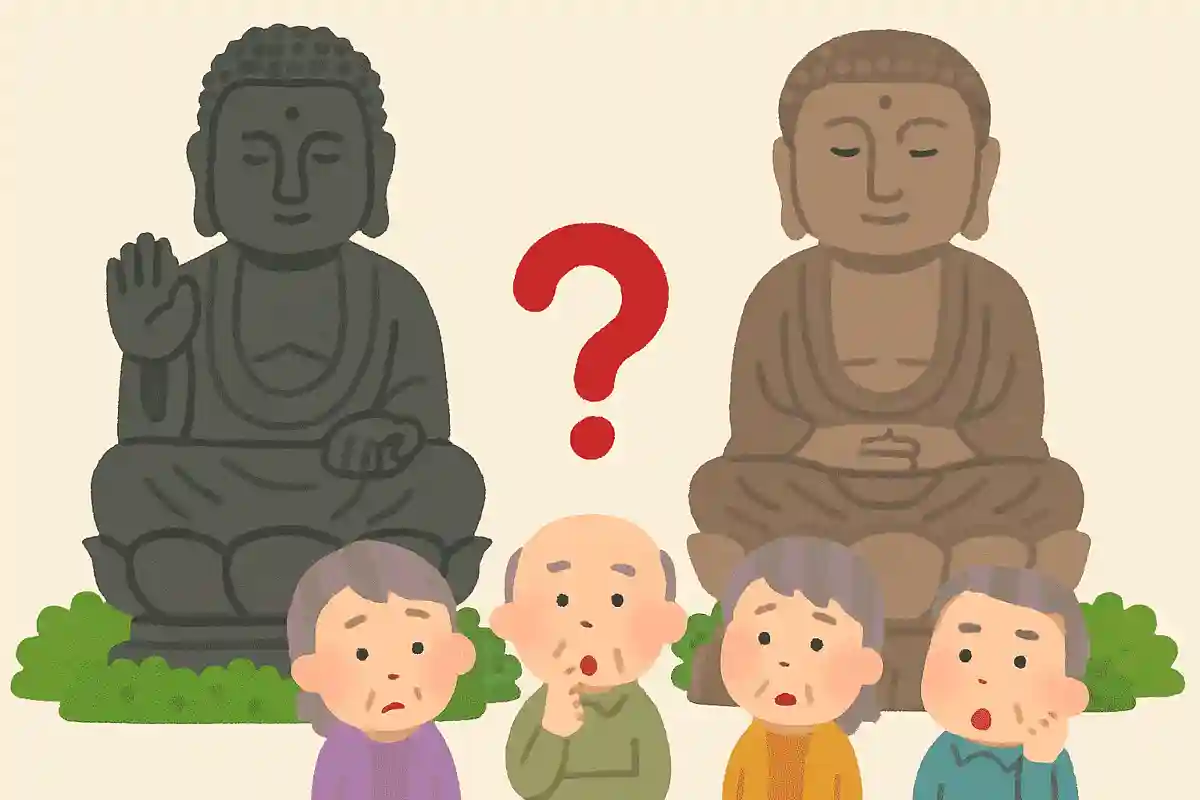
The famous Great Buddhas in Nara and Kamakura, Japan—which one was erected first?
See the answer
I have never stood.
An elderly person who’s good at history might immediately answer “the Great Buddha of Nara,” right? But if you read the question carefully, it says “stand.” That’s the trick—neither of the Great Buddhas has ever stood. It’s easy to confuse it with the “build” in “construction.” Carefully reading the question is the key point.

Even though you went to the trouble to attach it, what kind of “mochi” can’t be eaten?
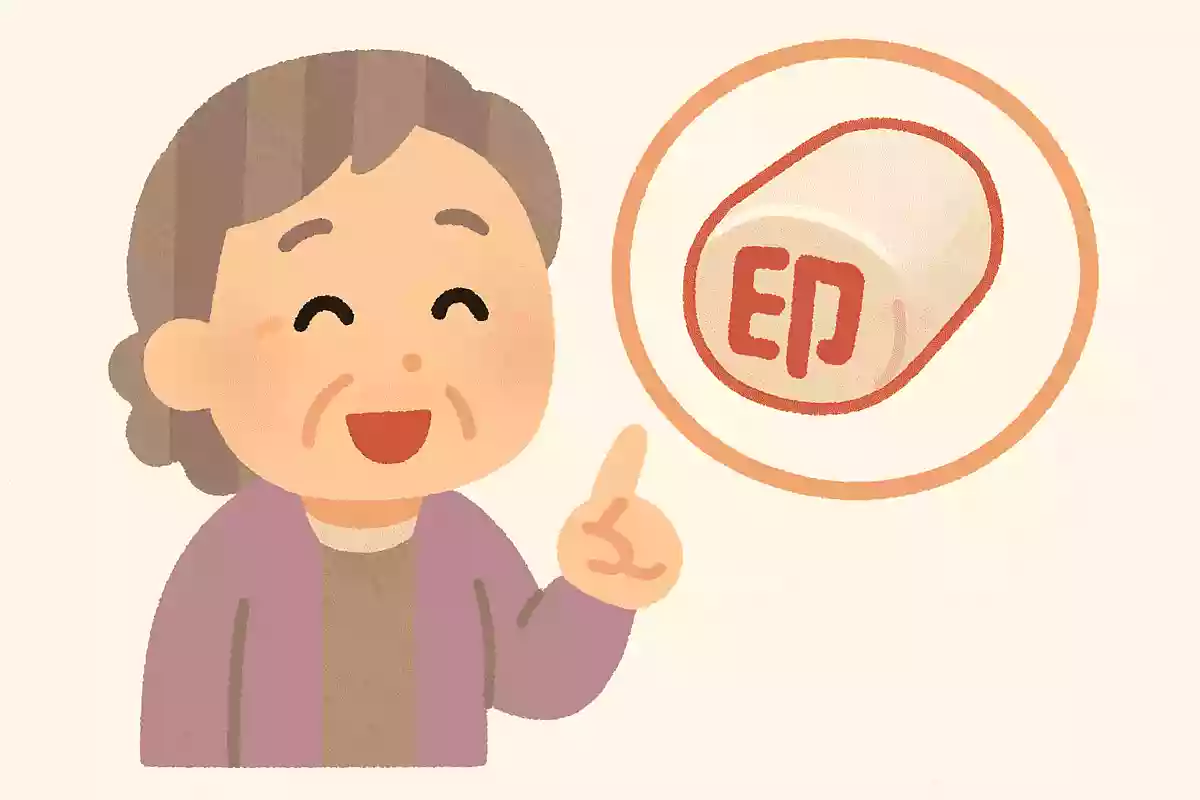
The phrase “even though it finally stuck” is the key to this riddle.
If you follow the associations of “something that sticks” and “mochi,” you’ll naturally arrive at “falling on your butt” (shirimochi).
By the way, do you know why falling on your backside is called shirimochi? In fact, shirimochi originally referred to a custom where a child under one year old was made to carry mochi on their back and then gently toppled onto their bottom.
That’s why even today, falling on your backside is called shirimochi.
Incidentally, because a baby’s fall was considered a good omen, shirimochi was also seen as something auspicious.

A turtle swimming in miso soup—what kind of turtle is it?
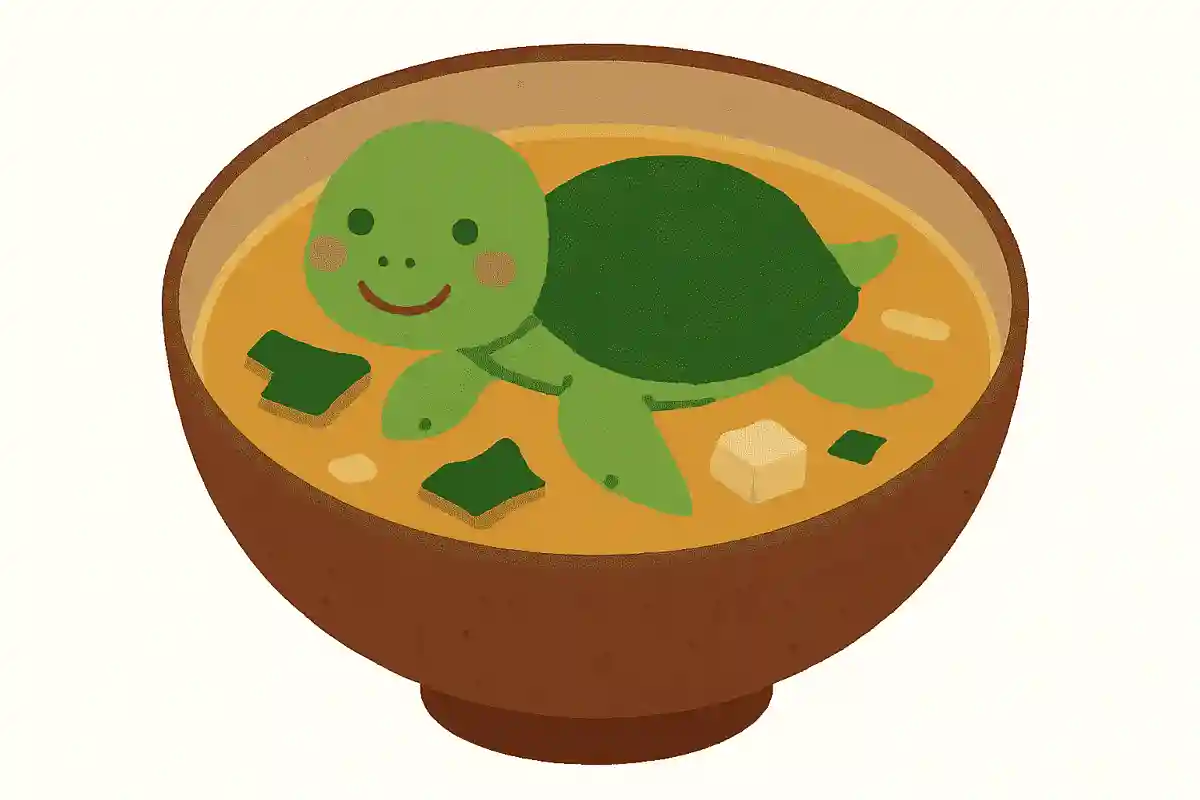
Here’s a riddle about food that will make you crave miso soup.
A turtle swimming in miso soup—what kind of turtle is it? When you think of ingredients for miso soup, what comes to mind? Maybe this is the very first ingredient many people think of.
Of course, it’s not a reptile turtle! The answer is wakame (seaweed).
The word “wakame” contains “kame” (turtle in Japanese), so some of you may have figured it out right away.
Wakame is rich in minerals and dietary fiber, making it a food you’ll want to include in your diet.
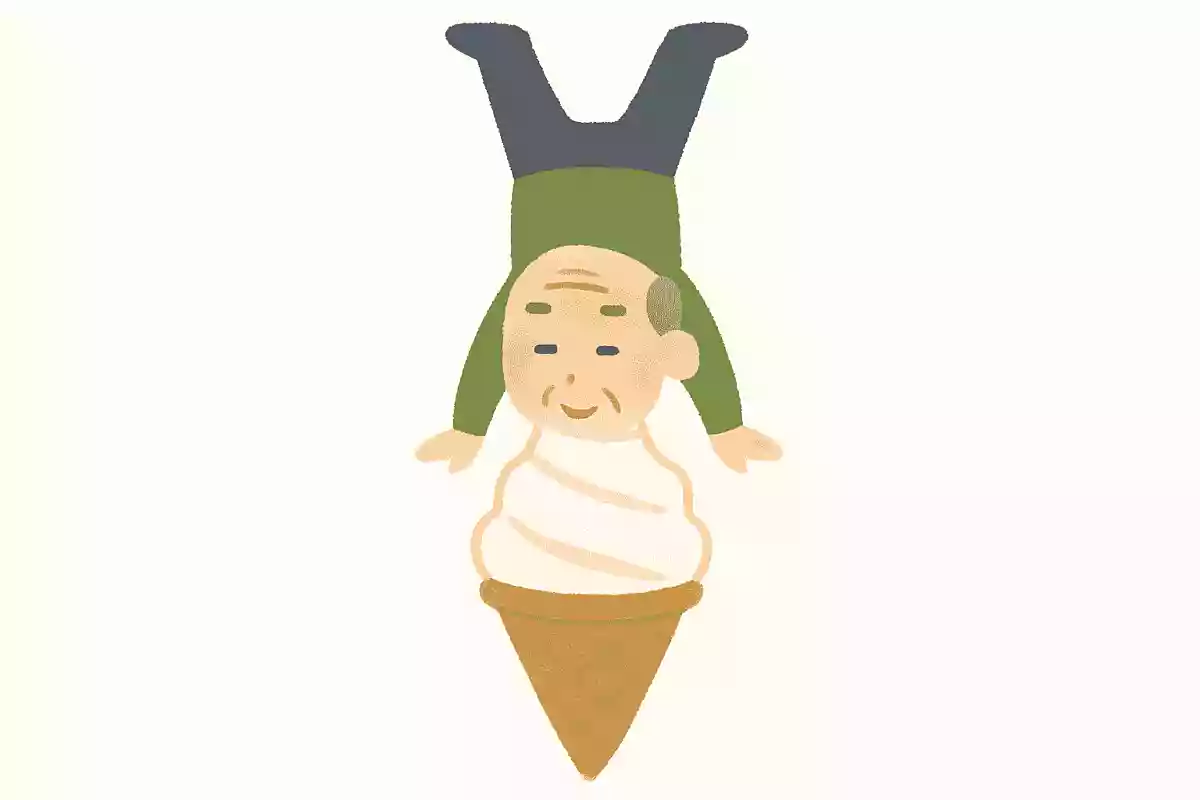
When my grandchild does a handstand, they transform into a certain food. What food is it?
Let’s try a riddle that plays with words.
When a grandchild stands on their head, they transform into a certain food.
What is it? Many of you may be picturing a cute grandchild doing a handstand.
Here’s a hint: it’s a small food often used as a topping.
The key is the word “mago” (grandchild)! The answer is “goma” (sesame).
If you read “mago” backwards, it becomes “goma.” It’s a humorous riddle that expresses reading a word backwards as doing a handstand.
What is the “niku” that’s sold at a greengrocer, not a butcher?
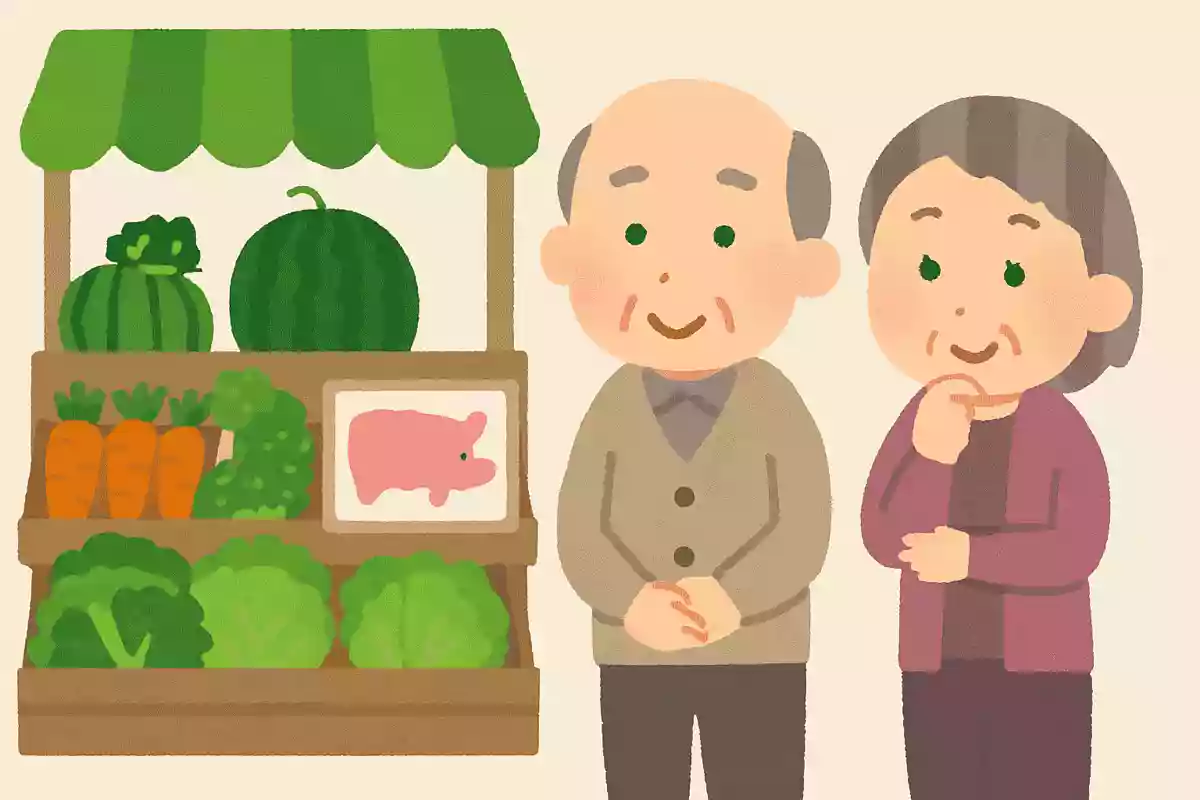
Let’s try a riddle that’s fun to solve! What is the “niku” that’s sold at a greengrocer, not at a butcher’s shop? When you hear “niku,” you probably think of pork, beef, or chicken—things sold at a butcher’s.
But in this riddle, the “niku” is something sold at a greengrocer.
Hint: the word “niku” is contained within the name of a vegetable! The answer is “ninniku” (garlic).
It’s definitely a kind of “niku” you’d find at a greengrocer!
I made one sheet of paper into ten without tearing or cutting it. How did I do it?

It’s a simple riddle whose answer you can figure out by recalling everyday actions.
I turned one piece of paper into ten without tearing or cutting it.
How did I do it? The hint is something related to money.
Think of a 10,000-yen bill or a 1,000-yen bill.
The answer is “exchange.” For example, you might exchange one 10,000-yen bill for ten 1,000-yen bills in various situations.
The number of pieces increases without tearing or cutting, right? It’s a simple yet humorous riddle.
[For Seniors] Lively Brain-Teasers You Can Answer! Trick Riddles (21–30)
What is the flower that comes out when you order ramen?
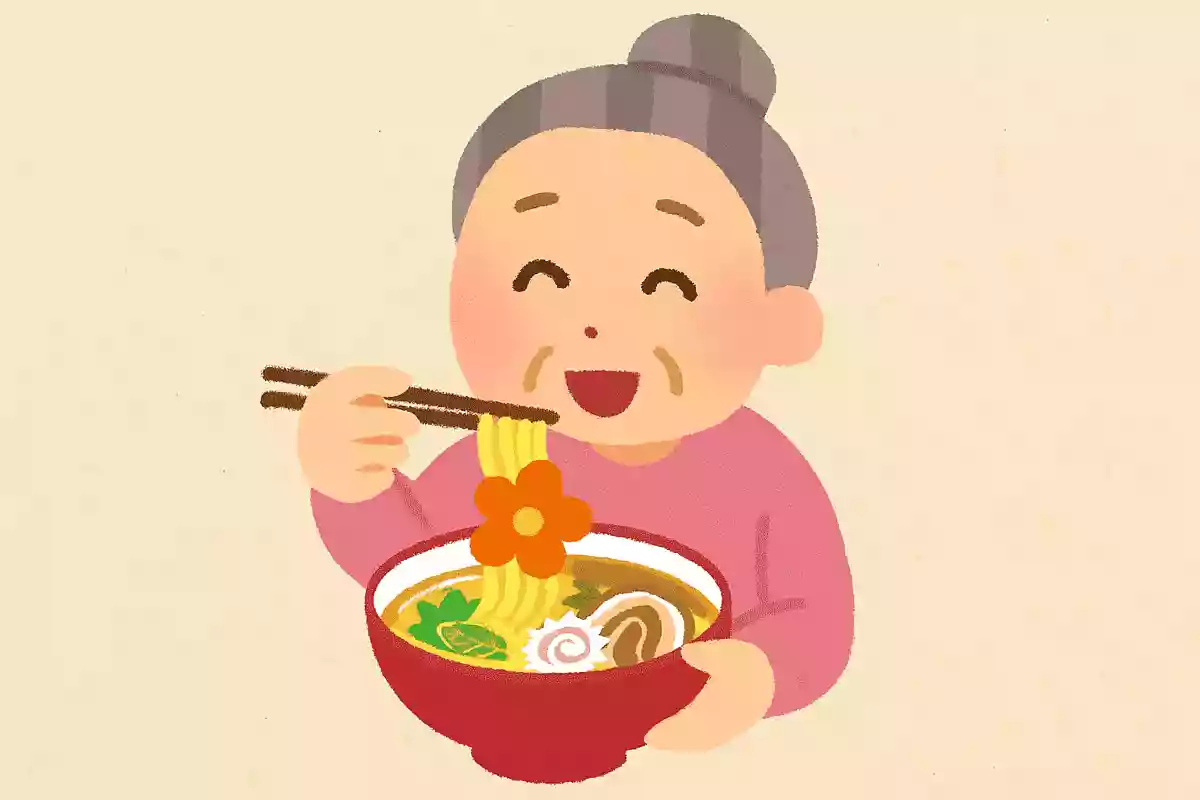
This is a riddle where you find the answer by thinking simply.
What flower appears when you order ramen? If you imagine what it looks like when the ramen is actually served, you might figure it out.
The answer is “renge.” The utensil used to sip the soup is called a renge (Chinese-style soup spoon)! The lotus flower is also pronounced “renge” in Japanese.
Some of you may have figured it out right away.
It’s a fun riddle, so try asking it to people around you!