

Popular Japanese songs among women in their 50s: recommended classics and staple tracks

If you’re currently in your 50s, songs from the ’80s and ’90s are probably packed with memories of your youth, aren’t they?
And there are likely many tracks from the 2000s that feel familiar and nostalgic as well.
In this article, we’ll introduce a selection of recommended songs for women in their 50s, focusing on music from the ’80s through the 2000s.
We’ve carefully chosen only tracks that were popular at the time, so you’re sure to reunite with some old favorites.
We hope you’ll enjoy listening closely—and that this list will also come in handy when choosing songs for karaoke.
- Favorite Songs for Women in Their 50s: A Curated Selection of Sweet and Bittersweet Love Ballads!
- Recommended for women in their 50s! A curated selection of classic and popular karaoke hits that will get the crowd going
- Famous songs we’d like women in their 50s to sing (by age group)
- Karaoke songs that are easy to sing even if you’re not confident in your pitch (for women in their 50s)
- Energizing songs recommended for women in their 50s
- Good songs recommended for people in their 50s: classic and popular J-pop tracks.
- Tear-jerking songs recommended for women in their 50s: classic and popular Japanese hits
- Popular Japanese songs among women in their 40s: recommended classics and standard hits
- Easy-to-sing Japanese karaoke songs recommended for women in their 50s
- Dance music in Japanese (J-pop) that people in their 50s used to listen to. Nostalgic classic hits.
- [50s] Popular Song Ranking by Generation [2026]
- Love songs that resonate with women in their 60s: gem-like romance tunes that revive memories of youth.
- [Women in Their 40s] Even If You’re Tone-Deaf, You Can Sing! Karaoke Songs That Fit a Woman’s Vocal Range
Popular Japanese songs among women in their 50s: recommended classics and standards (61–70)
It’s a sad color, isn’t it?Ueda Masaki

This work, which sings of a bittersweet love, is etched in the hearts of many as one of Masaki Ueda’s signature songs.
The Kansai-dialect lyrics and Ueda’s husky voice are perfectly matched, resonating deeply with listeners.
Released in October 1982, the song was not an immediate seller, but its popularity gradually grew, and the following year it became a major hit, reaching No.
5 on the Oricon chart.
If you’ve ever experienced the pain of heartbreak or the sadness of parting, you’ll surely relate to this song.
It’s great for karaoke, but it can be just as moving to listen to quietly on your own.
Fall in LoveKobayashi Akiko

A timeless classic that resonates with the heart through Akiko Kobayashi’s delicate vocals.
The lyrics carefully weave the bittersweet feelings of a woman in love, beautifully harmonized with a melodious tune.
Released in 1985 and used as the theme song for the TBS drama “Friday Wives III,” this piece remains one of Akiko Kobayashi’s signature songs, beloved by many to this day.
Included on the album “Koi ni Ochite,” the track became a major hit immediately after its release.
Its lyrics, which delicately express both the sweetness and anguish of love, may offer a new depth when listened to with the perspective that comes with age.
Feelings for someone special know no age.
This is a recommended song for moments when you want to reflect on the emotions you hold in your heart.
loveHoshino Gen
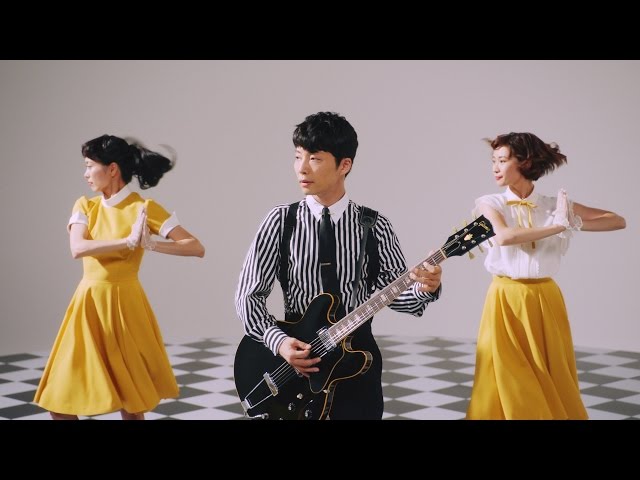
A smash hit by Gen Hoshino known for its exhilarating rhythm and catchy melody.
Released in October 2016, it drew attention as the theme song for the TBS drama “We Married as a Job!” (Nigeru wa Haji da ga Yaku ni Tatsu).
Together with the drama, in which Hoshino himself appeared, it became a social phenomenon, and the “Koi Dance” sparked a massive craze with countless people joining in.
The lyrics’ embrace of diverse forms of love and the empowering force of love that transcends the idea of being alone resonated with a wide range of ages.
It’s also hugely popular at karaoke, perfect for livening up fun gatherings.
A go-to track when you want to feel bright and positive.
Marilyn in 1986Honda Minako

Released on February 5, 1986, Minako Honda’s signature song “Marilyn in 1986” became a hit that epitomized the ’80s.
Known for the sexy outfits and provocative dance moves Honda devised herself, the song still enjoys enduring love from many fans.
The track was created to showcase her individuality, and you can sense that strong determination.
The “Marilyn” in the lyrics seems to symbolize a woman seeking freedom and strength; shimmering sequins glittering in the moonlight and secret promises of love no one knows about color a youthful drama.
It’s a song brimming with the thrill of a small late-night adventure while the city sleeps.
Even after Honda’s passing, its appeal has been carried on through covers by artists like Nana Mizuki.
Unfaded to this day, “Marilyn in 1986” is a classic that not only resonates with women in their 50s but also evokes nostalgia, making it a highly recommended track.
A Beautiful Burning ForestToukyou Sukapara Daisu Ookesutora

A work by Tokyo Ska Paradise Orchestra where burning passion coexists with a lingering, bittersweet melancholy.
Its distinctive rhythms and melodies blend perfectly with Skapara’s signature energetic performance.
Released in May 2002 as the band’s 22nd single, this track captured the hearts of many fans.
Tamio Okuda’s warm vocals further broaden the song’s world.
It’s a piece that stays by your side when you feel like pausing amid busy days.
Recommended for anyone who wants to reflect on themselves through music.
Love is overŌyō Fifi

Love is Over, the signature song by Faye Ouyang that has been cherished since its 1979 release, portrays an adult breakup through the lens of a romantic yet resilient woman’s psyche.
In particular, the image of a woman who chooses to let go of love from a non-dependent stance was groundbreaking for its time.
The delicate shifts of emotion that emerge from Kaoru Ito’s nuanced lyrics and composition resonate deeply with listeners.
Known as a karaoke staple, it’s surely a song that colored a page of youth, especially for women in their 50s.
Humming this tune may bring back memories of those youthful days and give you the courage to live strongly once again.
Becoming a Thousand WindsAkiyama Masashi

A signature song by Masafumi Akikawa that moves listeners with its beautifully melancholy melody and deeply resonant lyrics.
The poem overlays memories of a departed loved one with images from nature, and Akikawa’s classically trained vocals match it perfectly.
Released as a single in May 2006, it became a major hit after his performance on NHK’s Kōhaku Uta Gassen, reaching No.
1 on the Oricon Singles Chart and selling over a million copies.
Its lyrics, which offer comfort to those who have lost someone dear, have made it a frequent choice at funerals and memorial services.