

Popular Japanese songs among women in their 50s: recommended classics and staple tracks

If you’re currently in your 50s, songs from the ’80s and ’90s are probably packed with memories of your youth, aren’t they?
And there are likely many tracks from the 2000s that feel familiar and nostalgic as well.
In this article, we’ll introduce a selection of recommended songs for women in their 50s, focusing on music from the ’80s through the 2000s.
We’ve carefully chosen only tracks that were popular at the time, so you’re sure to reunite with some old favorites.
We hope you’ll enjoy listening closely—and that this list will also come in handy when choosing songs for karaoke.
- Favorite Songs for Women in Their 50s: A Curated Selection of Sweet and Bittersweet Love Ballads!
- Recommended for women in their 50s! A curated selection of classic and popular karaoke hits that will get the crowd going
- Famous songs we’d like women in their 50s to sing (by age group)
- Karaoke songs that are easy to sing even if you’re not confident in your pitch (for women in their 50s)
- Energizing songs recommended for women in their 50s
- Good songs recommended for people in their 50s: classic and popular J-pop tracks.
- Tear-jerking songs recommended for women in their 50s: classic and popular Japanese hits
- Popular Japanese songs among women in their 40s: recommended classics and standard hits
- Easy-to-sing Japanese karaoke songs recommended for women in their 50s
- Dance music in Japanese (J-pop) that people in their 50s used to listen to. Nostalgic classic hits.
- [50s] Popular Song Ranking by Generation [2026]
- Love songs that resonate with women in their 60s: gem-like romance tunes that revive memories of youth.
- [Women in Their 40s] Even If You’re Tone-Deaf, You Can Sing! Karaoke Songs That Fit a Woman’s Vocal Range
Popular Japanese songs among women in their 50s: Recommended classics and standard tracks (21–30)
I’m glad I met you.Koizumi Kyoko

Kyoko Koizumi, an idol who was hugely active from the late ’80s through the ’90s.
Her song “Anata ni Aete Yokatta” was released in 1992, and from around this track she began putting out increasingly original, distinctive songs.
This work emphasizes catchiness, featuring a very singable vocal line throughout.
In particular, the range—mid1 G# to hi B—is quite narrow for a female song, so as long as you adjust the key, it should be easy for singers of any voice type to perform.

FriendsREBECCA

A signature song by REBECCA, a band that epitomized the music scene of the 1980s.
The lyrics, said to be written by vocalist NOKKO based on her first love, vividly capture a snapshot of youthful longing—where sweet naivety and a mature mood coexist.
For many, the moment that dazzling synthesizer intro begins, memories of that era come rushing back.
Released in October 1985, the song also became familiar in households as the ending theme for the Nippon TV drama “Half Potato na Oretachi.” It’s lovely to listen to its slightly wistful melody and see your younger self reflected in it.
Japanese popular music favored by women in their 50s: Recommended masterpieces and classic songs (31–40)
Tomorrow, when spring comesMatsu Takako

This was Takako Matsu’s major-label debut single, released in March 1997.
It was used in NTT’s “Exciting New Life Campaign” TV commercial and, as the debut song of Takako Matsu—who at the time was a top actress active in TV dramas, films, and stage productions—it became a hot topic.
It entered the Top 10 in its third week, reached its peak position of No.
8 in its fifth week, and ultimately sold around 500,000 copies, becoming a major hit.
As of August 2023, many people in their 50s probably still remember at least the chorus melody.
True to the image suggested by its title, it’s a very heartwarming, gentle song, so it’s easy and fun to sing at karaoke.
Please enjoy it—and try to sing it in as bright a voice as you can.

Silhouette RomanceOhashi Junko

Junko Ohashi’s signature song, which depicts an urbane, sophisticated adult romance, captivates with an arrangement that incorporates jazz and fusion elements and lyrics that deftly express the delicate emotions of a woman dreaming of love.
Written and composed by Etsuko Kisugi and Takao Kisugi, it was released in November 1981.
With Hiroshi Suzuki’s arrangement, the piece achieves a distinctly moody atmosphere.
It won the Best Vocal Performance at the 24th Japan Record Awards and reached No.
7 on the Oricon weekly chart in 1982.
Beginning with a quiet piano, its graceful melody and pleasant rhythm underscore a sensual love story, making it a perfect song to enjoy in a relaxed setting.
contrailArai Yumi
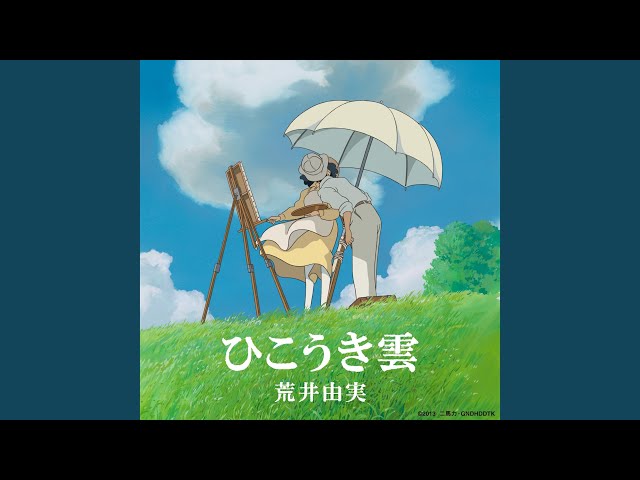
This song was created based on the experience of losing a classmate during the artist’s school days.
Its poetic imagery likening a soul ascending to heaven to a contrail, together with a clear, translucent vocal, intertwine beautifully to form a gem of a track.
Released in 1973 as the B-side to the single “Kitto Ieru,” it was also included on the album Hikōkigumo the same year.
In 2013, it was chosen as the theme song for Studio Ghibli’s The Wind Rises, touching the hearts of people across generations.
With its gently enveloping melody and relaxed tempo, it’s a warm, inviting song that makes you want to hum along together.
CHA CHA CHAIshii Akemi

Akemi Ishii’s biggest hit, “CHA CHA CHA.” Although it’s often thought to be an original, this song is actually a Japanese-language cover of a track by the Italian music group Finzi-Contini.
Its hallmark is a musical style that distills a somewhat Latin-tinged sound into Italo disco.
Because it’s based on Western pop, you might feel the rhythm is tricky, but the elements of the cha-cha-cha dance genre aren’t very pronounced; as long as you follow the bass line, you should be able to catch the rhythm in the B section without issue.
The chorus uses a standard Italo disco rhythm, so that shouldn’t pose any problems either.
The vocal range is narrow and there are hardly any long sustained notes, so you can definitely aim for a high score.
Sky Restauranthaifaisetto

Hi-Fi Set was a chorus group that remained active for 20 years starting in 1974.
For a music group of that era, they were quite cutting-edge, producing numerous classics by wielding a style of New Music infused with modern jazz.
Their hit song “Sky Restaurant” is one of those numbers.
Although the high notes stand out a bit, the overall range isn’t particularly wide, so it’s perfectly singable if you find the right key.
Since the song doesn’t require powerful vocals, we recommend adjusting the key so you can sing it with a slightly whispery mixed voice.