

Popular Japanese songs among women in their 50s: recommended classics and staple tracks

If you’re currently in your 50s, songs from the ’80s and ’90s are probably packed with memories of your youth, aren’t they?
And there are likely many tracks from the 2000s that feel familiar and nostalgic as well.
In this article, we’ll introduce a selection of recommended songs for women in their 50s, focusing on music from the ’80s through the 2000s.
We’ve carefully chosen only tracks that were popular at the time, so you’re sure to reunite with some old favorites.
We hope you’ll enjoy listening closely—and that this list will also come in handy when choosing songs for karaoke.
- Favorite Songs for Women in Their 50s: A Curated Selection of Sweet and Bittersweet Love Ballads!
- Recommended for women in their 50s! A curated selection of classic and popular karaoke hits that will get the crowd going
- Famous songs we’d like women in their 50s to sing (by age group)
- Karaoke songs that are easy to sing even if you’re not confident in your pitch (for women in their 50s)
- Energizing songs recommended for women in their 50s
- Good songs recommended for people in their 50s: classic and popular J-pop tracks.
- Tear-jerking songs recommended for women in their 50s: classic and popular Japanese hits
- Popular Japanese songs among women in their 40s: recommended classics and standard hits
- Easy-to-sing Japanese karaoke songs recommended for women in their 50s
- Dance music in Japanese (J-pop) that people in their 50s used to listen to. Nostalgic classic hits.
- [50s] Popular Song Ranking by Generation [2026]
- Love songs that resonate with women in their 60s: gem-like romance tunes that revive memories of youth.
- [Women in Their 40s] Even If You’re Tone-Deaf, You Can Sing! Karaoke Songs That Fit a Woman’s Vocal Range
Popular Japanese songs among women in their 50s. Recommended masterpieces and classics (11–20)
powder snowRemioromen

Speaking of Remioromen’s “Konayuki,” it was released in 2005 and used as an insert song for the Fuji TV drama “1 Litre of Tears,” making it a classic that almost everyone has heard.
Ryota Fujimaki’s lyrically rich words delicately portray lost love and earnest longing, resonating deeply with listeners.
The scenes that evoke winter’s loneliness and our bonds with others pile up like snowflakes drifting down.
For many women in their 50s in particular, it may evoke a nostalgic feeling reminiscent of their youth.
While it’s a surefire hit at karaoke, it’s also a piece you’ll want to savor in quiet moments.
Alongside Fujimaki’s clear, transparent vocals, the poignant atmosphere Remioromen creates will reach your heart through all five senses.
BOY MEETS GIRLTRF

“BOY MEETS GIRL” is a timeless classic that remains beloved by many even as the years go by.
Its friendly, memorable melody stands out, and the comfortable beat lets you forget the everyday and lifts your mood.
The distinctive sound is part of its charm, revealing something new with every listen.
It’s especially resonant for women in their 50s, evoking youthful memories while adding a spark to life today.
Add it to a karaoke setlist and it’s sure to instantly energize the room.
Its unforgettable melody and lyrics make it a recommendation for listeners across generations.
Don’t give upZARD

With its heartwarming melody and powerful lyrics, “Makenaide” resonates deeply with many people.
This song inspires courage in listeners and gives them a push when taking on challenges.
Known as a karaoke classic, it has long been loved across generations.
For women in their 50s in particular, this memorable anthem—etched into their youth—evokes poignant memories and imparts renewed strength.
It also makes for a deeply resonant soundtrack during relaxing time at home or on a drive.
Tomorrow never knowsMr.Children

In “Tomorrow never knows,” Mr.Children depicted the youthful purity that shines brighter with the times, along with the struggles one faces in the midst of growing up.
Set to a solid, memorable melody, this song captures the fleeting nature of youth and has continued to be loved by many fans since its 1994 release.
For women in their 50s, it likely brings back bittersweet memories from their school days.
At the same time, with its availability on streaming platforms starting in 2018, it’s expected to be passed down to a wider range of generations.
As a karaoke staple, be sure to sing this track for a fun time with friends.
Robinsonsupittsu

Released in 1995 and quickly becoming a million-seller, Robinson is one of Spitz’s signature songs.
Its lyrics depict scenes like riding a bicycle and small moments of everyday life.
Rather than simple nostalgia, it expresses a universal feeling that anyone can relate to, conveyed through Spitz’s uniquely gentle sound.
In particular, the fact that this song was released in 1995—against the backdrop of the Great Hanshin-Awaji Earthquake—left a deep resonance in people’s hearts.
Their music transcends time and is moving even for women in their 50s.
It’s also a perfect choice for karaoke—a nostalgic classic that’s fun to sing.
LA LA LA Love SongKubota Toshinobu
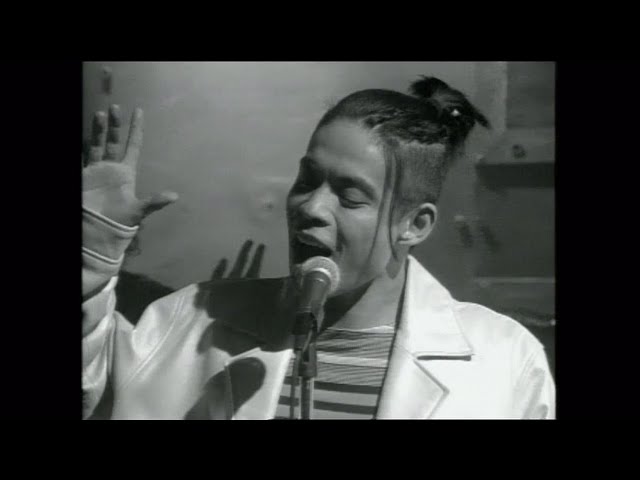
With a melody that never loses its luster as the years go by, “LA・LA・LA LOVE SONG” shines especially bright among the many gems of Japanese music.
Its gently glowing piano intro evokes nostalgia while still sounding fresh to modern ears, likely because its universal theme of love draws in such a wide range of listeners.
This heartfelt ballad stays close to the heart, the kind you find yourself wanting to hear in quiet moments.
Even for those who haven’t had time to sit with music amid the rush of everyday life, this song is a worthy recommendation.
Give it a listen and its warm vocals will add color to your days—before you know it, you’ll be humming along.
Popular Japanese songs among women in their 50s: Recommended classics and standard tracks (21–30)
God of RomanceHirose Kōmi

With its irresistibly effervescent melody, “Romance no Kamisama” is one of Kōmi Hirose’s signature songs, beloved by many.
While it evokes the winter season, the song’s creation is rooted in a universal theme that transcends time.
The lyrics are sprinkled with the trends and lifestyles of the era, making it nostalgic to hear now, yet its rhythmic sound always feels fresh.
For women in their 50s, we recommend spending a relaxing moment with this track as a respite from the busyness of daily life.
Brimming with an energy powerful enough to brighten the atmosphere around you, it’s a song that may help you rediscover the joy of listening to music.