

[2026] Crowd-Pleasing Songs Recommended for People in Their 50s: A Collection of Nostalgic Classics

When we think of people in their 50s today, many likely spent their formative years during Japan’s musical golden era: late-1970s to 1980s TV shows like “The Best Ten,” the late-80s band boom, and the early-90s J-POP and trendy drama boom.
In this article, we’ll introduce high-energy songs that 50-somethings can enjoy and feel nostalgic about.
In the midst of busy, demanding daily life, music can bring back memories you’d almost forgotten.
We hope this article can be that spark for you!
It can also serve as a helpful guide for younger generations when choosing songs for karaoke with people in their 50s.
- [2026] Japanese karaoke songs that get men in their 50s pumped up
- Recommended for women in their 50s! A curated selection of classic and popular karaoke hits that will get the crowd going
- [For People in Their 50s] Karaoke Songs That Get the Crowd Going: Ranking [2026]
- [For People in Their 60s] Karaoke Songs That Get the Crowd Going: Ranking [2026]
- Coming-of-age songs for your 50s: heart-thumping × heartwarming classics and popular tracks [2026]
- [50s] Popular Song Ranking by Generation [2026]
- Dance music in Japanese (J-pop) that people in their 50s used to listen to. Nostalgic classic hits.
- [2026 Edition] Karaoke Songs That Will Get the Crowd Going—Perfect for Women in Their 40s
- [For men in their 40s] That nostalgic song you can enjoy at karaoke!
- For people in their 50s: Songs that make you want to sing—perfect for driving
- Good songs recommended for people in their 50s: classic and popular J-pop tracks.
- Famous songs we’d like women in their 50s to sing (by age group)
- [2026] A collection of autumn songs for people in their 50s. Showa-era classics that bring back memories of those days
[2026] Crowd-pleasing songs recommended for people in their 50s: A roundup of nostalgic classics (131–140)
MissingKubota Toshinobu

Released in 1986, Toshinobu Kubota’s work is a quintessential ballad representing the 1980s, the era when people in their 50s today spent their youth.
The lyrics, which depict the pain of heartbreak and inner conflict, resonate deeply with listeners.
Kubota’s delicate vocals and the melody beautifully capture the sorrow of parting.
Included on his debut album “SHAKE IT PARADISE,” it was also used as a TV show ending theme.
It’s perfect not only for getting the crowd going at karaoke, but also for those moments when you feel like reminiscing.
How about humming along to this unforgettable classic?
Wake UpZaitsu Kazuo
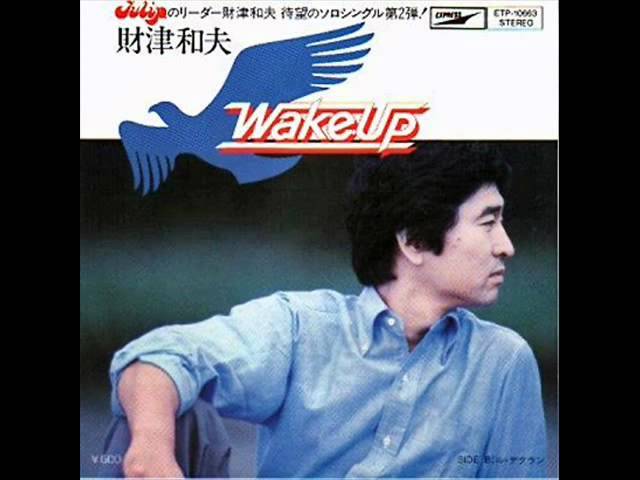
Kazuo Zaitsu’s music still remains etched in the hearts of many.
His songs are characterized by melodies that evoke the freshness of morning and lyrics that depict love.
One of his tracks was used in a Seiko commercial and became a huge hit.
It achieved a remarkable performance on the Oricon charts, reaching No.
3 weekly and No.
23 on the 1980 year-end chart.
It’s a popular song often performed live and guaranteed to get everyone going at karaoke.
It’s perfect for when you want to savor a refreshing morning mood or sing with feelings for someone special.
If you sing while keeping Zaitsu’s clear, transparent vocals in mind, you’ll enjoy it even more.
MUGO… so sexyKudō Shizuka

This is one of Shizuka Kudo’s signature songs, a poignant ballad that gives voice to feelings beyond words.
Released in August 1988, it was featured as the image song for Kanebo’s 1988 autumn promotion and became a major talking point.
The lyrics, written by Miyuki Nakajima, skillfully portray a woman’s longing for a bond that transcends language.
The yearning for a relationship where a mere meeting of eyes conveys the heart, and the passionate feelings kept inside, are beautifully expressed through Kudo’s sultry vocals.
It’s a song that will resonate not only with those in their 50s who remember that era fondly, but also with younger listeners navigating love.
Try it at karaoke—the atmosphere is sure to change in an instant.
Red Sweet PeaMatsuda Seiko

This classic song that beautifully sings of sweet, bittersweet first love was released by Seiko Matsuda in 1982.
Composed by Yumi Matsutoya with lyrics by Takashi Matsumoto, this luxurious collaboration was issued as Matsuda’s eighth single.
By adopting a slow ballad style, it became known as a turning point in her musical career.
The refreshing melody that evokes the arrival of spring harmonizes perfectly with lyrics depicting the delicate feelings of a girl in love, resulting in a track cherished by listeners across generations.
It’s also a karaoke staple, enjoyed by people of all ages.
EnchantedJudi Ongu
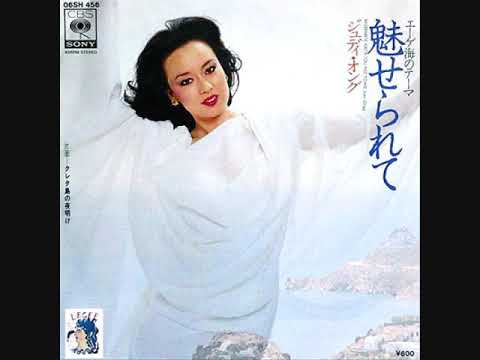
This work captivates listeners with its exotic atmosphere and passionate vocals.
Set against the backdrop of the Aegean Sea, its lyrics depict the complexities of a woman’s emotions, skillfully expressing the conflicts and longings of love.
Released in 1979, it won the Japan Record Award that year and became a major hit, topping the Oricon weekly chart for nine consecutive weeks.
Judy Ongg’s performance in her signature pure-white dress remains vivid in many people’s memories.
It’s a song to enjoy alongside fond nostalgia.
I won’t fall in love anymore.Makihara Noriyuki
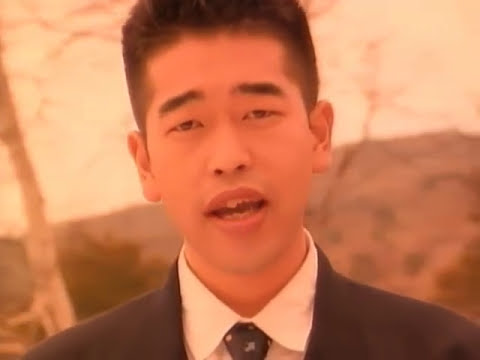
A signature song by Noriyuki Makihara, distinguished by its heartwarming melody that embraces both the ache of heartbreak and a brave front.
It gently portrays memories of a former lover and the nostalgia of everyday life, while the protagonist’s resolve to move forward resonates deeply with listeners.
Released in May 1992, it was chosen as the theme song for the NTV drama “After the Children Are Asleep.” Included on the album “Kimi wa Boku no Takaramono,” it became a major hit, ranking 7th on Oricon’s year-end chart.
This piece is a companion for those standing at life’s crossroads.
When you gather with friends for karaoke, its universally relatable lyrics and melody are sure to warm the heart.
GLORIAZIGGY

ZIGGY’s first single release came out in May 1988.
With flashy outfits, makeup, and glitzy songs, ZIGGY was a central presence in the band boom of the time, and this track was a hit—so many of you probably played or sang it in copy bands back in your school days.
Its upbeat, bright melody and flashy, hard-edged arrangement are striking, and just listening to it is enough to lift your spirits.
It might not be a bad idea to get the old gang together and have some fun playing it in a band again, right?
