

[2026] Crowd-Pleasing Songs Recommended for People in Their 50s: A Collection of Nostalgic Classics

When we think of people in their 50s today, many likely spent their formative years during Japan’s musical golden era: late-1970s to 1980s TV shows like “The Best Ten,” the late-80s band boom, and the early-90s J-POP and trendy drama boom.
In this article, we’ll introduce high-energy songs that 50-somethings can enjoy and feel nostalgic about.
In the midst of busy, demanding daily life, music can bring back memories you’d almost forgotten.
We hope this article can be that spark for you!
It can also serve as a helpful guide for younger generations when choosing songs for karaoke with people in their 50s.
- [2026] Japanese karaoke songs that get men in their 50s pumped up
- Recommended for women in their 50s! A curated selection of classic and popular karaoke hits that will get the crowd going
- [For People in Their 50s] Karaoke Songs That Get the Crowd Going: Ranking [2026]
- [For People in Their 60s] Karaoke Songs That Get the Crowd Going: Ranking [2026]
- Coming-of-age songs for your 50s: heart-thumping × heartwarming classics and popular tracks [2026]
- [50s] Popular Song Ranking by Generation [2026]
- Dance music in Japanese (J-pop) that people in their 50s used to listen to. Nostalgic classic hits.
- [2026 Edition] Karaoke Songs That Will Get the Crowd Going—Perfect for Women in Their 40s
- [For men in their 40s] That nostalgic song you can enjoy at karaoke!
- For people in their 50s: Songs that make you want to sing—perfect for driving
- Good songs recommended for people in their 50s: classic and popular J-pop tracks.
- Famous songs we’d like women in their 50s to sing (by age group)
- [2026] A collection of autumn songs for people in their 50s. Showa-era classics that bring back memories of those days
[2026] Uplifting Songs Recommended for People in Their 50s: A Collection of Nostalgic Classics (191–200)
I won’t fall in love anymore.Makihara Noriyuki
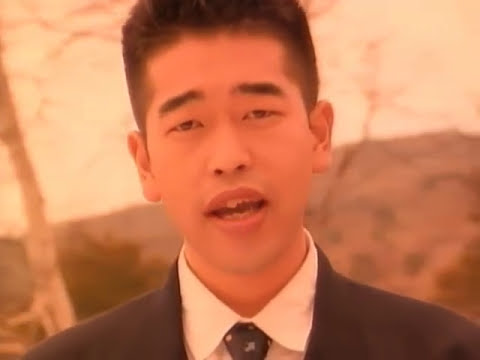
A signature song by Noriyuki Makihara, distinguished by its heartwarming melody that embraces both the ache of heartbreak and a brave front.
It gently portrays memories of a former lover and the nostalgia of everyday life, while the protagonist’s resolve to move forward resonates deeply with listeners.
Released in May 1992, it was chosen as the theme song for the NTV drama “After the Children Are Asleep.” Included on the album “Kimi wa Boku no Takaramono,” it became a major hit, ranking 7th on Oricon’s year-end chart.
This piece is a companion for those standing at life’s crossroads.
When you gather with friends for karaoke, its universally relatable lyrics and melody are sure to warm the heart.
LemonYonezu Kenshi
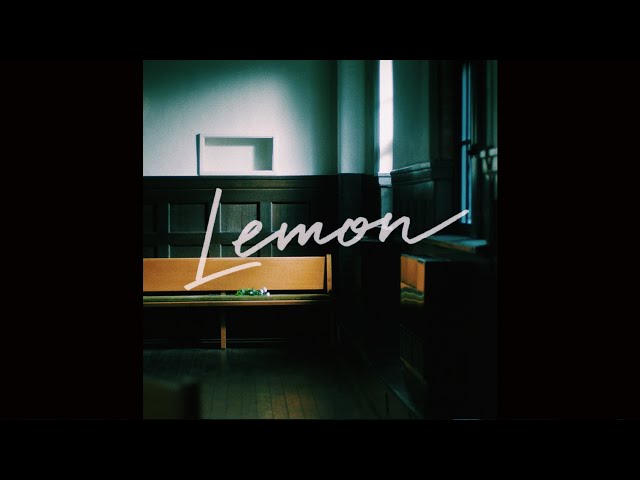
“Lemon,” the smash hit by one of today’s leading artists, Kenshi Yonezu.
People from elementary school kids to those in their 50s and 60s probably know it.
The poignant lyrics and rhythm-rich backing track are so cool.
Sing it at karaoke and you’ll be number one.
It’s a wonderful song that’s also recommended for women.

Lullaby of the Holy MothersIwasaki Hiromi

This is Hiromi Iwasaki’s 28th single in total, first released in May 1982.
Incidentally, it was re-released in October 1993 as the second theme song for Tuesday Suspense Theater.
Although it may seem a bit subdued for a song introduced as one to get excited about, it might not be a bad idea to bask in the mood of the piece and reminisce about those days.
Please enjoy it together with Hiromi Iwasaki’s incredibly captivating and sophisticated vocal technique and expressive power.

Sad Feelings (JUST A MAN IN LOVE)Kuwata Keisuke

Keisuke Kuwata’s solo debut single is marked by a poignant, heart‑piercing melody and a sprightly pop sound.
With a warm, expressive vocal, it portrays the feelings of a man nursing the pain of heartbreak.
Released in 1987 and later included on the following year’s album “Keisuke Kuwata,” the song peaked at No.
2 on the Oricon weekly chart and sold a total of 350,000 copies.
Incorporating a refined Motown-inspired sound, it resonated with listeners who have experienced lost love and remains beloved to this day.
It’s a perfect track for times when you’re going through a farewell with someone important or when you want to linger in nostalgic memories.
Boy in the back alleyHamada Shogo

Shogo Hamada—his fans lovingly call him Hama-sho or Hamasho.
Beyond his songs, many people in their 50s found themselves resonating with his gestures, words, and way of life, and followed in his footsteps.
Of course, a lot of us picked up the guitar because we admired Hamasho, right? His signature song “Rojiura no Shōnen” (Backstreet Kid) is one I’ve listened to more times than I can count.
From the lyrics, I feel the kind of strength a boy gains as he grows into a young man.
How about you? It’s said there are five versions of this song, including the album version on J.BOY.
Even if you’re short on time, please give it a listen!