

Coming-of-age songs for your 50s: heart-thumping × heartwarming classics and popular tracks [2026]


People currently in their 50s are the generation that experienced in real time the golden age of Japanese pop music: from the New Music boom of the 1970s–80s, to the band boom of the late ’80s to early ’90s, and the J-POP boom up to the early ’90s when countless million-selling hits were born.
This time, we’ve put together a collection of nostalgic hit songs from that era when Japan’s music industry shone so brightly.
I’m sure each of you has many memories tied to the songs introduced here.
In these times filled with gloomy news—prolonged COVID hardships, the situation in Ukraine, and more—please take a moment to immerse yourself in the atmosphere of those nostalgic days and enjoy.
- [50s] Popular Song Ranking by Generation [2026]
- [2026] Crowd-Pleasing Songs Recommended for People in Their 50s: A Collection of Nostalgic Classics
- [2026 Edition] Youth Anthems for Your 40s! A Roundup of Popular Heart-Pounding × Heartwarming Songs
- [2026 Edition] Songs Loved by People in Their 60s: Classic Hits from Their Youth
- [2026] Recommended Japanese karaoke songs for men in their 50s
- Dance music in Japanese (J-pop) that people in their 50s used to listen to. Nostalgic classic hits.
- Good songs recommended for people in their 50s: classic and popular J-pop tracks.
- Favorite Songs for Women in Their 50s: A Curated Selection of Sweet and Bittersweet Love Ballads!
- Cheer-up songs recommended for people in their 50s: classic and popular Japanese hits
- [2026] A collection of autumn songs for people in their 50s. Showa-era classics that bring back memories of those days
- Famous songs we’d like women in their 50s to sing (by age group)
- [For adults too] Youth songs that let you look back on your memories
- Popularity Ranking of Songs by Generation: 60s [2026]
Youth songs for people in their 50s: Heart-pounding × heartwarming classics and popular tracks [2026] (141–150)
Rainy BlueTokunaga Hideaki

The debut song by Hideaki Tokunaga, a poignant love story that begins in a late-night phone booth.
Its lyrics—quintessentially Showa—paint cinematic scenes of urban stillness and rain, perfectly intertwined with delicate, emotionally rich vocals to create a gem of a track.
Released in January 1986, it reached No.
90 on the Oricon charts.
A rearranged version released in November 1997 rose to No.
31, capturing the hearts of many.
By portraying heartbreak and loneliness as universal themes, it remains a beloved classic that resonates even today.
It’s the kind of bittersweet love song you’ll want to play on a rainy day—why not give it a listen?
I won’t fall in love anymore.Makihara Noriyuki
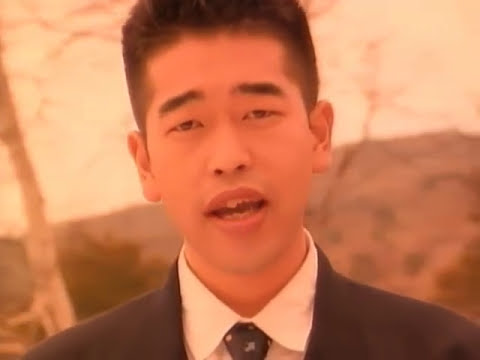
A signature song by Noriyuki Makihara, distinguished by its heartwarming melody that embraces both the ache of heartbreak and a brave front.
It gently portrays memories of a former lover and the nostalgia of everyday life, while the protagonist’s resolve to move forward resonates deeply with listeners.
Released in May 1992, it was chosen as the theme song for the NTV drama “After the Children Are Asleep.” Included on the album “Kimi wa Boku no Takaramono,” it became a major hit, ranking 7th on Oricon’s year-end chart.
This piece is a companion for those standing at life’s crossroads.
When you gather with friends for karaoke, its universally relatable lyrics and melody are sure to warm the heart.
Blue MountainsFujiyama Ichirō

In 1949, as postwar Japan began to blossom, a gem of a masterpiece expressing young people’s hopes for a bright future was born, with lyrics by Saijō Yaso and music by Hattori Ryōichi.
The duet woven by the voices of Fujiyama Ichirō and Nara Mitsue evokes the powerful, beautiful arrival of spring—like snow-breaking cherry blossoms that bloom after a harsh winter.
Written for a film, this work overlays the dreams and yearnings of the youth of the time with scenes from nature, brilliantly depicting the sentiments of people during the postwar reconstruction period.
Set against blue mountain ridges crowned with rose-colored clouds, its heartwarming melody and lyrics seem to gently embrace those living in a new era, making it an eternal classic one longs to hear with the coming of spring.
CheersNagabuchi Tsuyoshi

This is one of Tsuyoshi Nagabuchi’s signature works, carrying a warm message of blessing to celebrate new beginnings.
Loved by many as an anthem cheering on those stepping onto life’s big stage, it’s a heartwarming piano folk ballad that gently stands by you and gives you the courage to move forward.
Released in September 1980, the song was born from the feeling of congratulating a friend on their wedding, then re-recorded in 1988 and became a major hit.
It also became familiar as the theme song for Kirin Lager Beer commercials in the 1990s.
It’s a powerful song of encouragement that stays close when you or your friends are at life’s milestones or starting anew, and when you need a lift yourself.
Give me an unbalanced kissTakahashi Hiro

This masterpiece expresses a bittersweet yearning for love through delicate imagery—like a crying figure reflected in a cracked mirror and fingers tracing the moon.
Chosen as the ending theme for the beloved classic anime Yu Yu Hakusho, it became a cross-generational favorite, thanks in part to Hiro Takahashi’s clear, translucent vocals.
Since its release in December 1993, it has been included on the albums WELCOME TO POPSICLE CHANNEL and Hiro Takahashi Best Collection, selling around 300,000 copies.
Its sweetly aching, love-like melody and arrangements that evoke the spirit of 1970s kayōkyoku create a gentle mood reminiscent of a romantic film soundtrack.
Savor this heartwarming song—one to treasure as a cherished memory.