

From classic folk dance staples to hidden gems. Introducing recommended tracks!


Folk dancing, a familiar sight at school events and recreational activities.There are many nostalgic tunes that make your body start moving the moment the music begins!When it comes to folk dance songs, there’s an incredible variety—from timeless standards everyone has danced to at least once, to pieces that let you enjoy traditional rhythms from around the world.You might have suddenly wondered, “What was the name of that song again?”In this article, we’ll present a broad list of folk dance tracks.Whether you’re unsure what to pick for an event or searching for a song filled with memories, we hope you’ll find this helpful!
- Popular Dance Songs Ranking [2026]
- Songs you can dance to around the campfire. A roundup of recommended tracks for dancing.
- Top Songs to Hype Up Sports Day and Athletic Festivals [2026]
- Dance/popular songs ranking for the school cultural festival
- [Dance Tracks] Perfect for School Sports Days! A Curated Selection of Fun, Popular Songs to Dance To [2026]
- [Childcare] Recommended for sports day performances and dances! A collection of classic and popular songs
- [For Seniors] Fun Small-Group Recreation
- For Seniors: Festive Attractions to Liven Up Festivals—Games and Recreational Activities
- [Camp Songs] Classic camping songs. Campfire songs you can play along with
- [Sports Day] Entrance songs that will hype the crowd! A comprehensive roundup from classics to the latest hits
- [For Creative Dance] A Collection of Easy-to-Dance Japanese and Western Tracks
- Popular songs recommended for nursery and kindergarten sports days! A collection of classic and latest tracks to liven up the event
- Entertainment and Performances That Delight at Day Services for the Elderly
From classic staples of folk dance tunes to hidden gems. Introducing recommended tracks! (1–10)
Virginia Reel

Let me introduce this piece, practically synonymous with American folk dance, made famous by a recording from January 1926 by Henry Ford’s Old Time Dance Orchestra, a group founded by Henry Ford—known as the automobile king—to revive the good old culture.
It is said to have originated in English country dance, and it’s interesting that, rather than being tied to a specific melody, a variety of tunes have been used depending on the occasion.
There’s a dance scene in the film The Great Train Robbery, and it’s also a staple in Japanese schools, so chances are everyone has danced it at least once! Facing your partners and switching partners one after another, this dance is perfect when you want everyone to get energized together.
Miserlou

Rooted in Eastern Mediterranean folk music, this work fuses exotic melodies with a fiercely surging guitar sound.
Its passionate, beguiling tone instantly whisks listeners away to distant foreign lands and is immensely compelling.
The melody itself dates back to one of the earliest recordings from 1927 and has long been cherished, but when Dick Dale reimagined it as surf rock in April 1962, it sent shockwaves around the world.
It was also used in the opening of the 1994 film Pulp Fiction, so many of you may recognize its thrilling progression.
If you want to move your body passionately to a driving rhythm, this is perfect for you.
Why not enjoy an energy-packed dance to this time-honored melody?
Hinky Dinky Parley Voo
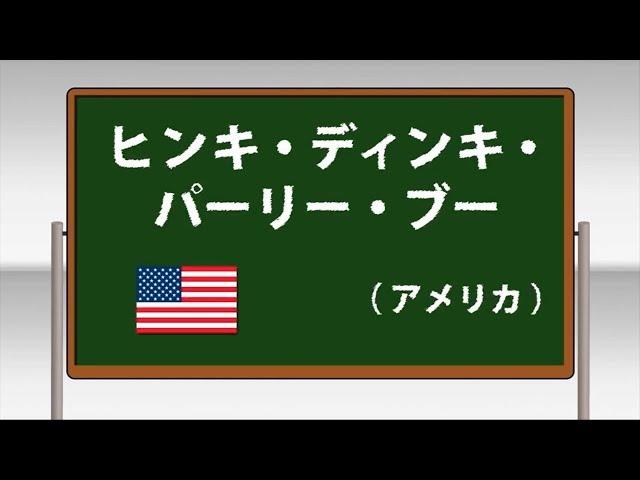
A folk dance tune with a lively, catchy rhythm that many have heard at school events and recreational gatherings.
Its roots lie in a traditional song sung by soldiers during World War I, and it has the surprising history of having already been recorded around 1915.
In Japan, the performance by the Columbia Folk Dance Orchestra is widely beloved, and it’s included on the album “Dance Summit 2012: Foreign Folk Dances,” released in August 2012.
This piece is characterized by a mixer format in which partners are switched one after another to a march-like 4/4 beat, and its charm lies in how, as you dance, you naturally find yourself smiling even with people you’re meeting for the first time.
As a classic that everyone can enjoy, it’s the perfect number to liven up community events and social gatherings.
From classic staples of folk dance tunes to hidden gems. Introducing recommended tracks! (11–20)
Mary Kay

Let us introduce a tango-style waltz composed by Dave Wisler, known as a staple of English folk dance.
Choreographer Gary Roodman dedicated this piece to a person who contributed to the community, and many of you may remember the puzzle-like figures that have partners swirling around.
Its sound—where a gentle three-beat melody intertwines with passionate phrases—creates just the kind of atmosphere that puts a smile on your face the moment the dance ends.
In Japan, it was also included on the classic album “Let’s All Dance 48,” released in June 2015.
It might be the perfect choice for events where you want to share a spirit of camaraderie and kindness.
La Cumparsita

Composed by Gerardo Matos Rodríguez when he was a student in Uruguay, this is the most famous work in the history of tango.
It was originally created as a march, but Roberto Firpo arranged it, and it premiered in April 1917.
Characterized by a wistful melody and a powerful rhythm, it has a beauty that makes you straighten your back just by listening.
It has been used symbolically in numerous visual works, including the film Sunset Boulevard.
In Uruguay, it has even been recognized as a “cultural and popular anthem.” Well known as a folk dance piece, its dramatic development makes it perfect not only for dancing but also for listening intently.
It’s a song I highly recommend when you want to immerse yourself in passionate music.
Korobushka

This piece is famous for having been used as the background music for Tetris, which was a global craze from the late 1980s to the early 1990s.
It originally comes from a Russian song, said to have been composed from part of the poem “The Peddlers” by Russian poet Nikolay Nekrasov.
A dance where partners change one after another like this can really set your heart racing in your youth, can’t it? There’s also a Japanese version of Korobeiniki by Yukio Hashi, so why not give it a listen?

Che Che Kule

Known as a children’s play song, this piece is said to have originally been a Ghanaian folk song.
Like “Sarasponda,” its incantation-like, nonsensical lyrics leave a strong impression, making it a fun and quirky tune.
The choreography involves shaking your hips while moving your hands down from your head step by step, but overseas it seems to be enjoyed as a call-and-response song, much like “The Bear in the Forest.” It’s also fascinating how a single song keeps changing depending on the order in which it gets passed along.