

From classic folk dance staples to hidden gems. Introducing recommended tracks!


Folk dancing, a familiar sight at school events and recreational activities.There are many nostalgic tunes that make your body start moving the moment the music begins!When it comes to folk dance songs, there’s an incredible variety—from timeless standards everyone has danced to at least once, to pieces that let you enjoy traditional rhythms from around the world.You might have suddenly wondered, “What was the name of that song again?”In this article, we’ll present a broad list of folk dance tracks.Whether you’re unsure what to pick for an event or searching for a song filled with memories, we hope you’ll find this helpful!
- Popular Dance Songs Ranking [2026]
- Songs you can dance to around the campfire. A roundup of recommended tracks for dancing.
- Top Songs to Hype Up Sports Day and Athletic Festivals [2026]
- Dance/popular songs ranking for the school cultural festival
- [Dance Tracks] Perfect for School Sports Days! A Curated Selection of Fun, Popular Songs to Dance To [2026]
- [Childcare] Recommended for sports day performances and dances! A collection of classic and popular songs
- [For Seniors] Fun Small-Group Recreation
- For Seniors: Festive Attractions to Liven Up Festivals—Games and Recreational Activities
- [Camp Songs] Classic camping songs. Campfire songs you can play along with
- [Sports Day] Entrance songs that will hype the crowd! A comprehensive roundup from classics to the latest hits
- [For Creative Dance] A Collection of Easy-to-Dance Japanese and Western Tracks
- Popular songs recommended for nursery and kindergarten sports days! A collection of classic and latest tracks to liven up the event
- Entertainment and Performances That Delight at Day Services for the Elderly
From classic folk dance tunes to hidden gems: Recommended songs (51–60)
Ma-Na-buYosi Spivak

The lyrics are taken from Isaiah 57:7 in the Old Testament, and the dance is said to have originated from a distinctive step of Yemeni origin.
It features a gentle, relaxed rhythm.
Because the choreography is simple and matches the mood of the song, it’s often used for endings.
corridos

“Corrido” is a Spanish word that means “a story-like song.” It is considered a Mexican dance, but it was created by an American, who is said to have assembled steps from various Mexican dances.
In Mexico, they reportedly dance this Mexican dance that was made in the United States and then reintroduced back into the country.
Lauterbach

The name varies by region, so it’s sometimes called Lauter and sometimes Luther.
The piece originated in Germany, and the dance is from southern Germany.
It features turning movements, danced in a circle, with the men circulating so that partners change little by little.
Ashleigh AishUri Shevach

This is a folk dance piece originating in Israel.
It is mainly danced in male–female pairs, characterized by a lively, bright, samba-like rhythmic tempo.
The theme depicts a man passionately approaching a fiery woman, declaring his desire to be her number one.
From classic folk dance tunes to hidden gems. Introducing recommended songs! (61–70)
Bo’itiy el-HagalilYair Rozenblum

An Israeli dance with a Hebrew title.
It means “Come to Galilee.” Galilee is a tourist destination famous for its beautiful lake.
When moving forward with four running steps starting with the right foot, the key point is to lean your upper body forward firmly.
KalinkaIwan Rarionofu
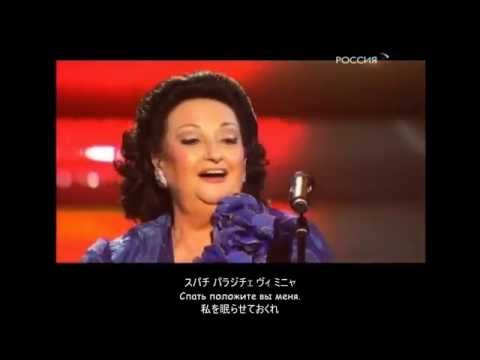
It began as a beloved Russian song, originally sung on stage in an amateur theater production for which Larionov composed the music.
In Japan, it became famous as the background music for Tetris.
Fans also sing it at the English soccer club Chelsea FC.
Cossack dance

When you think of folk dancing, the image is often of men and women paired up, but there are also dances performed individually, like this one.
Although the video is labeled as a soldiers’ dance, the performance is so superb that you’d think they were all ballet dancers.
I’ve heard that the Cossack dance was once banned because it was the dance of a people who had been suppressed.
