

How many can you read? A quiz on difficult kanji for foods

A common type of question on quiz shows is about difficult-to-read kanji.
Kanji we’re used to seeing can take on completely different readings when combined with other characters, and kanji we never encounter in daily life can also appear—so it’s really educational, isn’t it?
From among those tricky kanji, this article will present a quiz featuring difficult kanji for food names!
Food names are often written in hiragana or katakana when sold in supermarkets and the like, so you don’t get many chances to see the kanji, right?
Since many familiar food names will appear, feel free to use this for studying kanji or as brain training!
- [Interesting] Summary of Kanji Reading Quiz Questions
- Obscure fish kanji. Can you read them?
- [For Seniors] How many can you read? A comprehensive showcase of difficult food kanji
- The world’s toughest! A collection of insanely hard-to-read kanji
- A quiz of interesting obscure kanji: characters that look easy but are hard to read
- A quiz on how to read obscure kanji: words that become difficult when written in kanji.
- [Food Edition] Who Am I? Quiz Collection
- How Much Do You Know? Food Quiz for Elementary School Students
- [Hard-to-Read Quiz] Single-character difficult kanji — including surprisingly simple ones!
- [For Seniors] Fun and Exciting! Difficult Kanji Quiz
- [For Elementary School Students] Country Names in Kanji Quiz. A quick, fun quiz
- Trivia and fun facts about food (summary)
- [For Seniors] Challenging but Exciting! Kanji Quiz
How many can you read? Tricky Food Kanji Quiz (11–20)
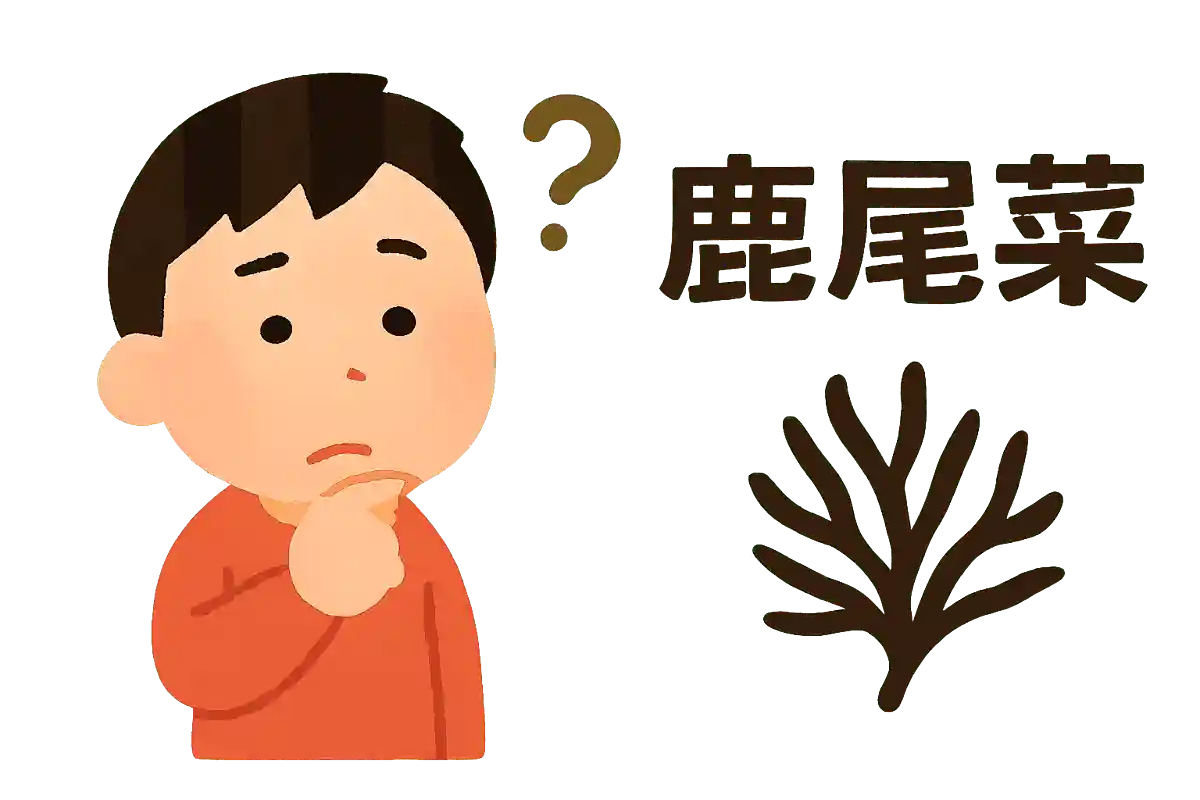
How do you read “鹿尾菜”?
See the answer
hijiki
Why is hijiki described as “deer tail”? The reason is simple and straightforward: its long, black appearance is said to resemble a deer’s tail. Incidentally, according to one theory, hijiki has been eaten since the Jomon period. It’s surprising that it has such a long history, isn’t it?

In conclusion
We've been giving you a quiz on difficult kanji for foods—how many did you get right? Even foods you eat all the time can look like something completely different when written in kanji, can't they? This article might be a good prompt to look up how your favorite foods are written in kanji—it could be a fun little project!