



A common type of question on quiz shows is about difficult-to-read kanji.
Kanji we’re used to seeing can take on completely different readings when combined with other characters, and kanji we never encounter in daily life can also appear—so it’s really educational, isn’t it?
From among those tricky kanji, this article will present a quiz featuring difficult kanji for food names!
Food names are often written in hiragana or katakana when sold in supermarkets and the like, so you don’t get many chances to see the kanji, right?
Since many familiar food names will appear, feel free to use this for studying kanji or as brain training!
- [Interesting] Summary of Kanji Reading Quiz Questions
- Obscure fish kanji. Can you read them?
- [For Seniors] How many can you read? A comprehensive showcase of difficult food kanji
- The world’s toughest! A collection of insanely hard-to-read kanji
- A quiz of interesting obscure kanji: characters that look easy but are hard to read
- A quiz on how to read obscure kanji: words that become difficult when written in kanji.
- [Food Edition] Who Am I? Quiz Collection
- How Much Do You Know? Food Quiz for Elementary School Students
- [Hard-to-Read Quiz] Single-character difficult kanji — including surprisingly simple ones!
- [For Seniors] Fun and Exciting! Difficult Kanji Quiz
- [For Elementary School Students] Country Names in Kanji Quiz. A quick, fun quiz
- Trivia and fun facts about food (summary)
- [For Seniors] Challenging but Exciting! Kanji Quiz
How many can you read? Difficult Food Kanji Quiz (1–10)
How do you read (pronounce) “皮蛋”?

See the answer
century egg
Pidàn is the Chinese characters that refer to 'century eggs' (pitan). Century eggs are foods made by curing duck eggs. They are characterized by their glossy, jet-black appearance. You can buy them online, so if you’re curious, give them a try.

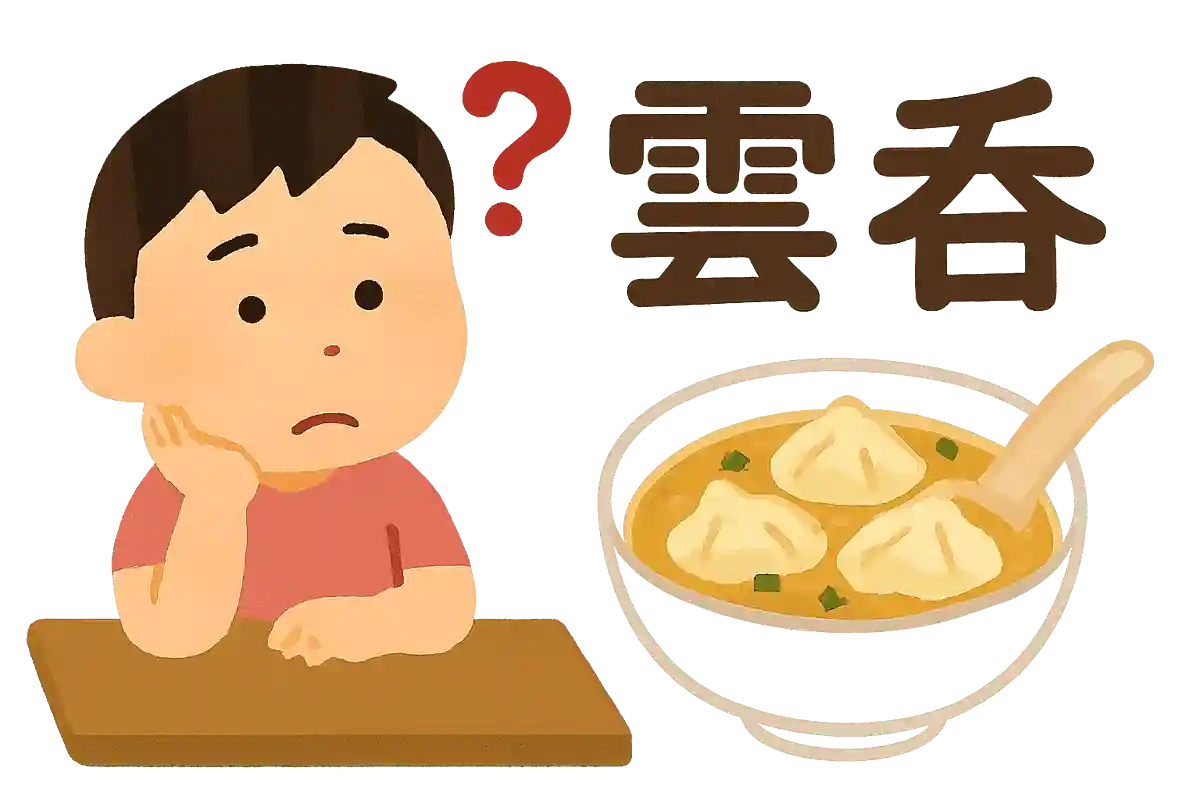
How do you pronounce “雲呑”?
See the answer
wonton
There are various theories about why wontons are written as 「雲呑」 in Japanese. One leading explanation is that wontons floating in soup looked like clouds floating in the sky. Hence the characters meaning “to swallow clouds,” read as wonton. Incidentally, it’s also said to be the root of the Japanese food udon.
How do you read “無花果”?
See the answer
fig
“Mukajika” (literally “flowerless fruit”) is a name given in China because it appears to bear fruit without blooming, and the answer is “fig.” As for where the flowers bloom: the tiny flowers are densely packed inside the red, seedy part we eat, and they develop as if they were a fruit. By the way, the Japanese word “ichijiku” (fig) is said to derive either from the Chinese alias “Eijitsu-ka/Ingri-gwa” (Yingriguo), which became “ichijiku” in Japan, or from the idea that figs ripen little by little—“ichijuku”—which then shifted to “ichijiku.”
How do you read “雁擬”?
See the answer
ganmodoki (deep-fried tofu fritter with vegetables)
Gankogashi is a dish made by mixing tofu, carrots, lotus root, and other ingredients, then shaping the mixture into rounds. It was named “gankogashi” because it was crafted to resemble the meat of a wild goose (gan). Incidentally, it was originally made to imitate poultry for monks, who were not allowed to eat meat.
How do you read “山葵”?

See the answer
wasabi
Wasabi is very familiar to Japanese people. In kanji, it’s written as 「山葵」. This kanji carries the meaning of a plant that resembles hollyhock (aoi) growing in the mountains. By the way, aoi (hollyhock) is one type of dicotyledon that produces beautiful flowers. Please try comparing them.
How do you read “玉蜀黍”?

See the answer
corn
The character for “tama” in tamashōkuzoku (corn/maize) means “beautiful thing,” and “shoku” refers to “a foreign land.” In other words, it means “a beautiful millet that came from abroad.” Incidentally, it was introduced to Japan in the Azuchi–Momoyama period, and at first it was written as 玉蜀黍 and read as “nanban-gibi.”
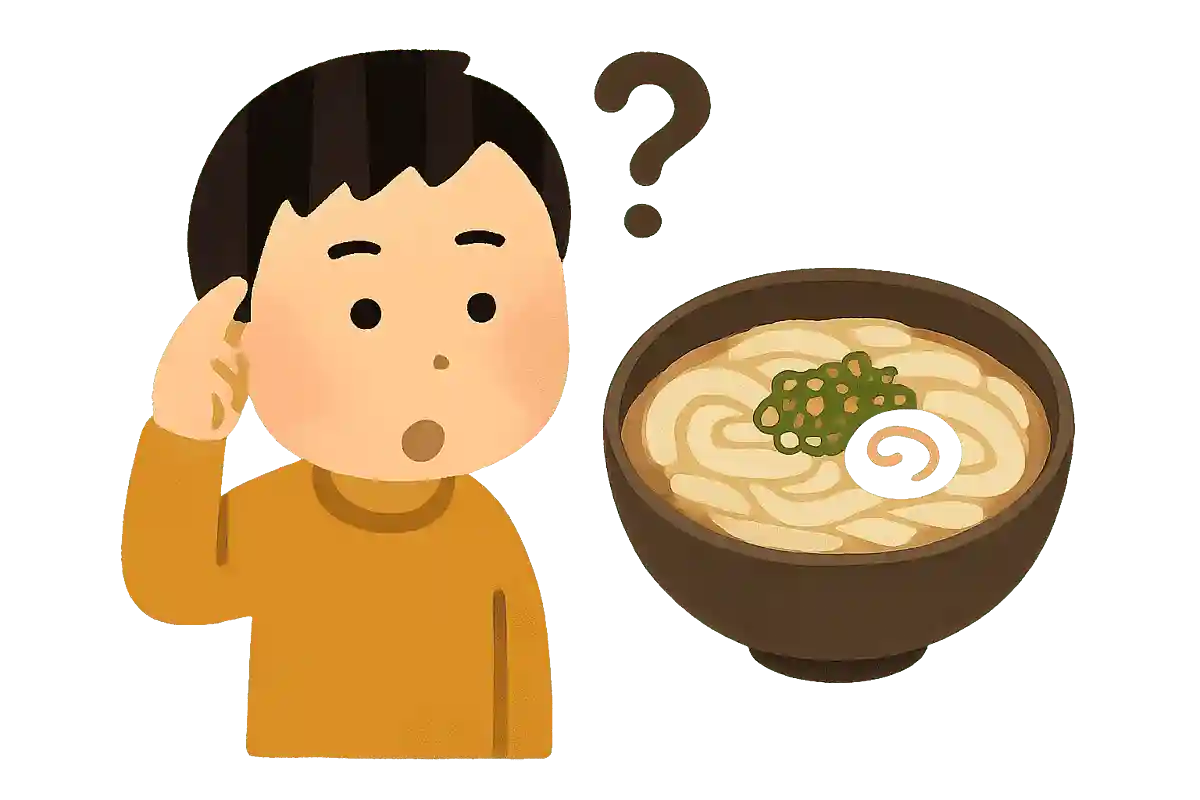
How do you read (pronounce) the word “饂飩”?
See the answer
udon
One of the roots of udon is said to be the Chinese food “húntun.” Originally, it was a dish where ingredients like meat were wrapped in a dough skin and eaten, but over time people began eating just the skin, which is thought to have evolved into today’s udon. Incidentally, the pronunciation in Chinese is “húntun.”