

Deepen your knowledge of food! A three-choice trivia quiz

Food that is indispensable in life.
Perhaps we often don’t think about it very deeply in our daily lives.
Food is packed with all kinds of history.
Many people probably find themselves even more captivated by the charm of foods that stimulate the five senses and make us feel happy as they grow older.
In this article, we’ll introduce trivia about food in a quiz format!
It’s recommended not only for those who love food, but also for anyone who wants to deepen their knowledge.
By learning the meanings and origins, you’ll likely find food more familiar—and grow to love it even more.
- [3-Choice Quiz] A quiz about foods that will make you hungry
- Trivia and fun facts about food (summary)
- How Much Do You Know? Food Quiz for Elementary School Students
- Surprisingly unknown? Trivia Quiz [Multiple Choice: 3 Options]
- How many can you get right? A tricky 3-choice trivia quiz you'll want to tell someone about
- [Food Edition] Who Am I? Quiz Collection
- A three-choice quiz about chocolate knowledge and history
- [Interesting] Compilation of Trivia Quiz Questions
- Probe your subconscious! Food-themed psychology test
- Surprisingly unknown? A fun health trivia quiz that will make you want to try it
- A quiz of fun trivia: bite-sized knowledge that leads to new insights.
- How many can you read? A quiz on difficult kanji for foods
- [For Seniors] Fun Food Trivia Quizzes You'll Want to Share
Deepen your knowledge of food! Trivia 3-choice quiz (11–20)
What is the origin of the name “chocolate”?
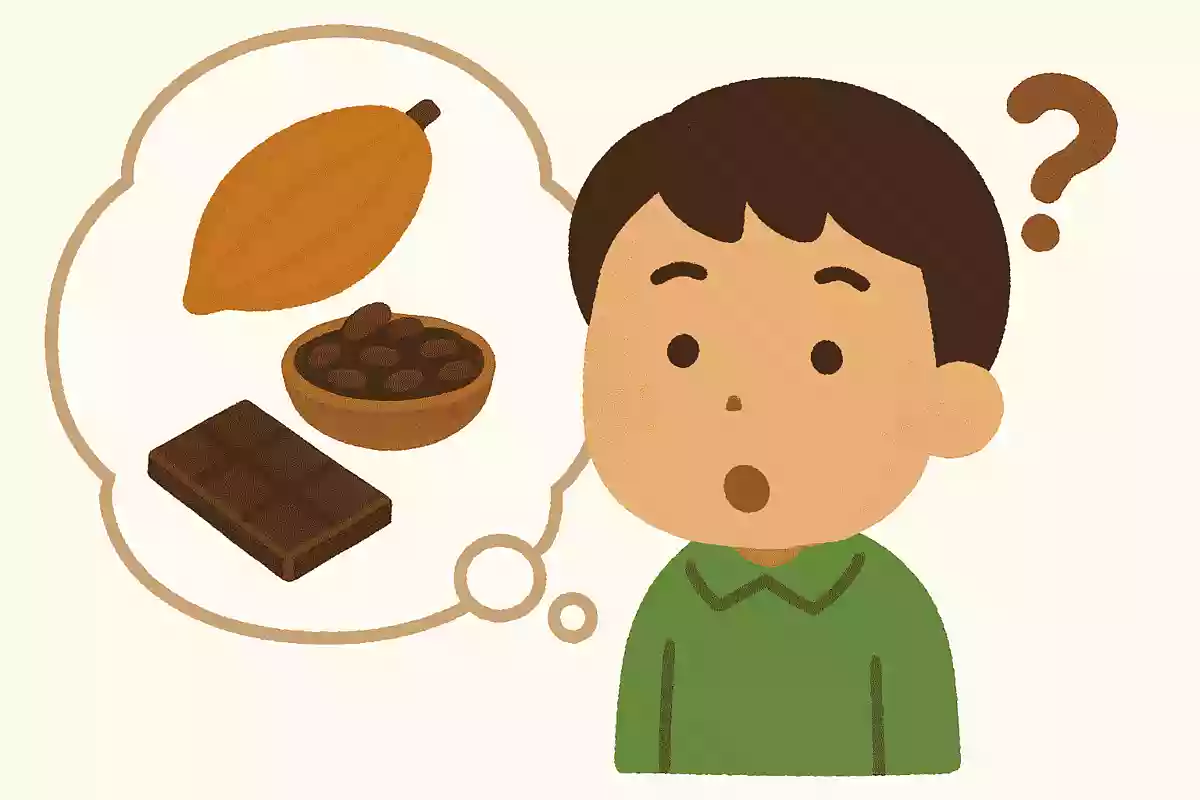
- sweet water
- sour beans
- bitter water
See the answer
bitter water
It comes from the Mexican word chocolatre, meaning “bitter water.” Originally, it’s said that Indigenous peoples of Mexico crushed cacao beans and drank them as a medicinal beverage. After it made its way to Europe, it evolved into forms with added sugar and eventually into something to eat.

What is the name of the stand that the kagami mochi is placed on?
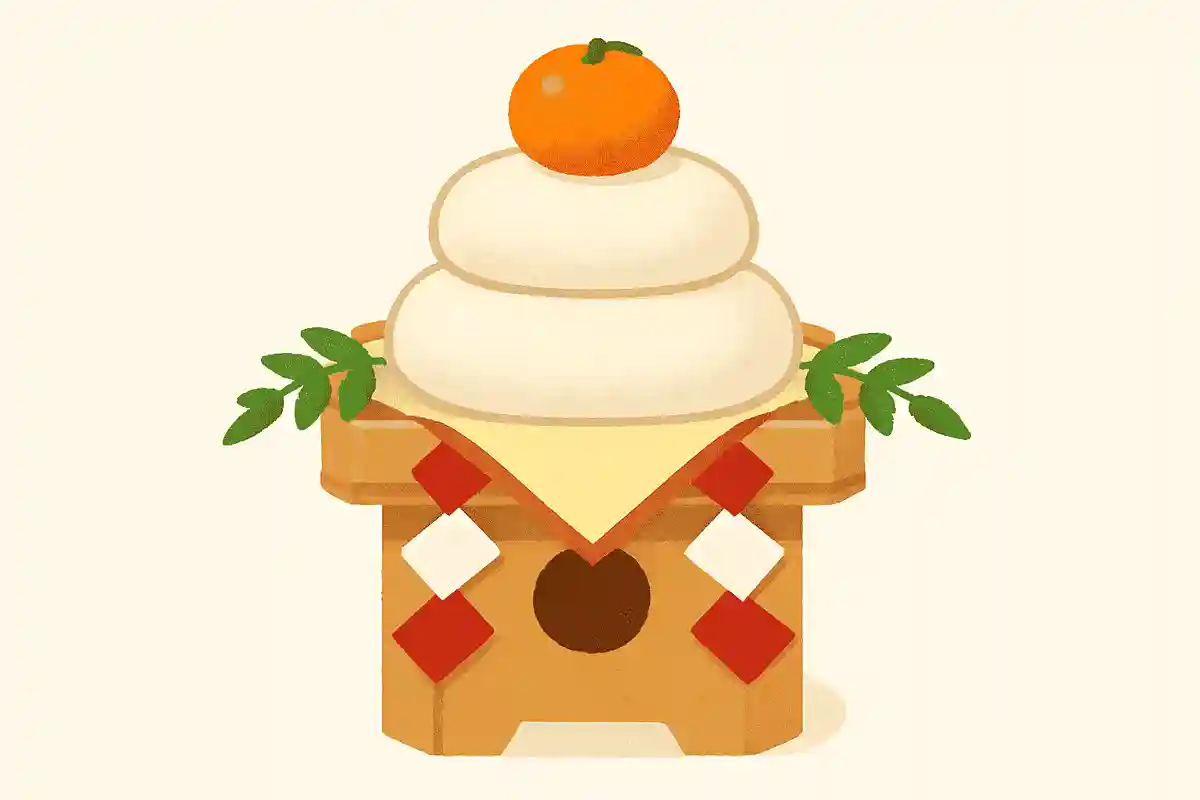
- tray table for serving a meal; individual dining tray (ozen)
- sanpō (a Japanese term meaning “three sides/directions”; also a traditional wooden offering stand used in Shinto/Buddhist rituals)
- household Shinto altar
See the answer
sanpō (a Japanese term meaning “three sides/directions”; also a traditional wooden offering stand used in Shinto/Buddhist rituals)
A sanpō is a stand used in traditional Japanese ceremonies and Shinto rituals, and during the New Year it is used to hold kagami mochi. It is a wooden, square-shaped stand characterized by openings on three of its sides, with the remaining side facing the altar. Offering kagami mochi on a sanpō to the deities expresses gratitude and wishes. It is an essential New Year decoration and an important item that conveys Japanese culture and customs.

What kind of eggs are the kazunoko in osechi made from?
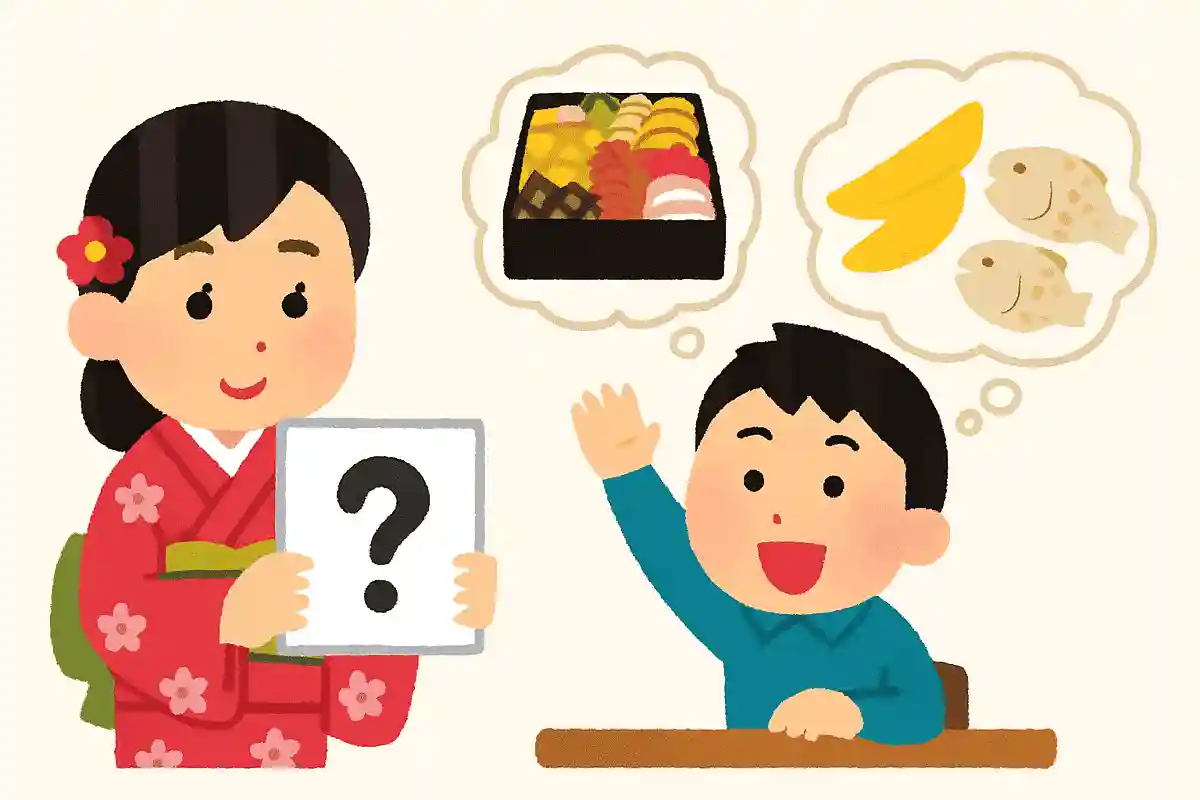
- salmon
- herring
- flying fish
See the answer
herring
Kazunoko is herring roe. The kazunoko used in osechi cuisine is considered an auspicious food that symbolizes wishes for fertility and family prosperity, making it an essential ingredient for the Japanese New Year. Because herrings lay a large number of eggs, their roe, kazunoko, is eaten with the hope of being blessed with many children. Its popping texture is also distinctive, and it has long been cherished as a traditional New Year’s dish in Japan.
Which part of the sweet potato is eaten as a vegetable?
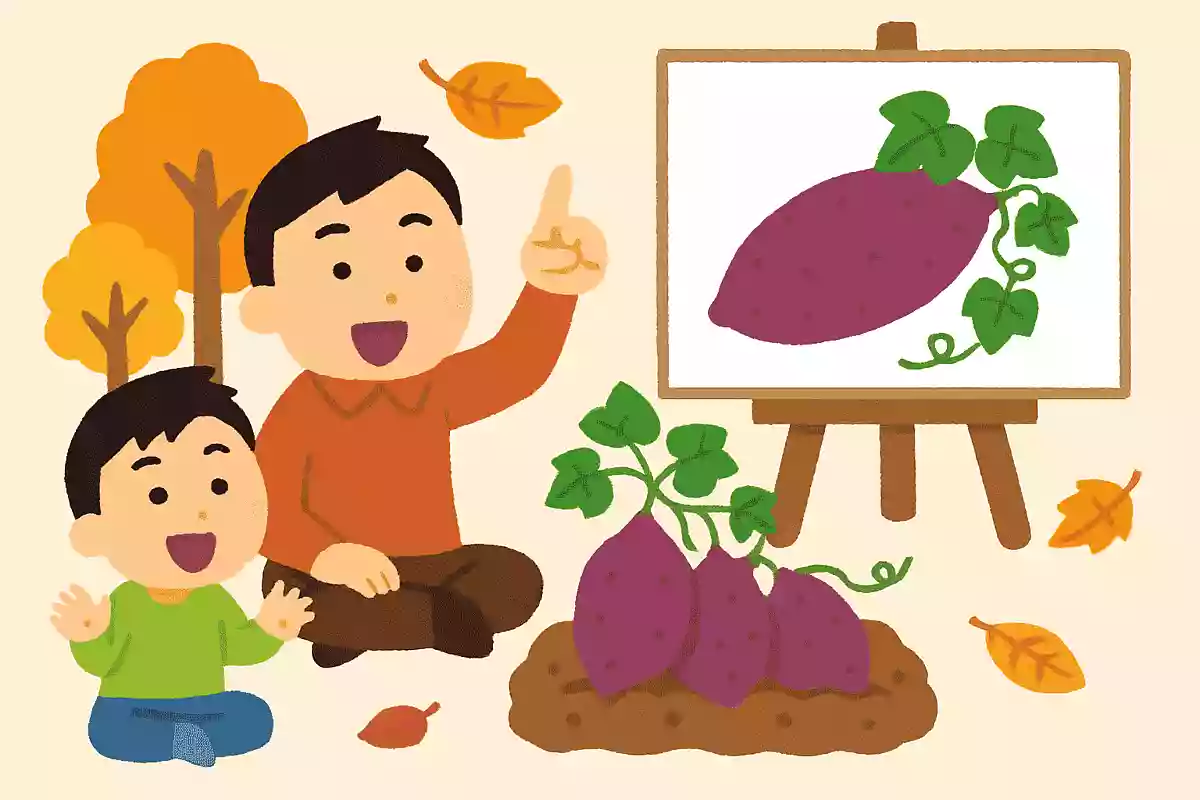
- Flower
- leaf
- root
See the answer
root
Sweet potatoes are vegetables in which we eat the enlarged “root” part of the plant. Their stems and leaves grow above the ground, while the edible parts grow large underground, so they are dug out of the soil at harvest time. The portion of the root that stores nutrients and grows bigger in the soil is what we eat as sweet potatoes.

What is the reason that skewered dumplings are often in odd numbers?
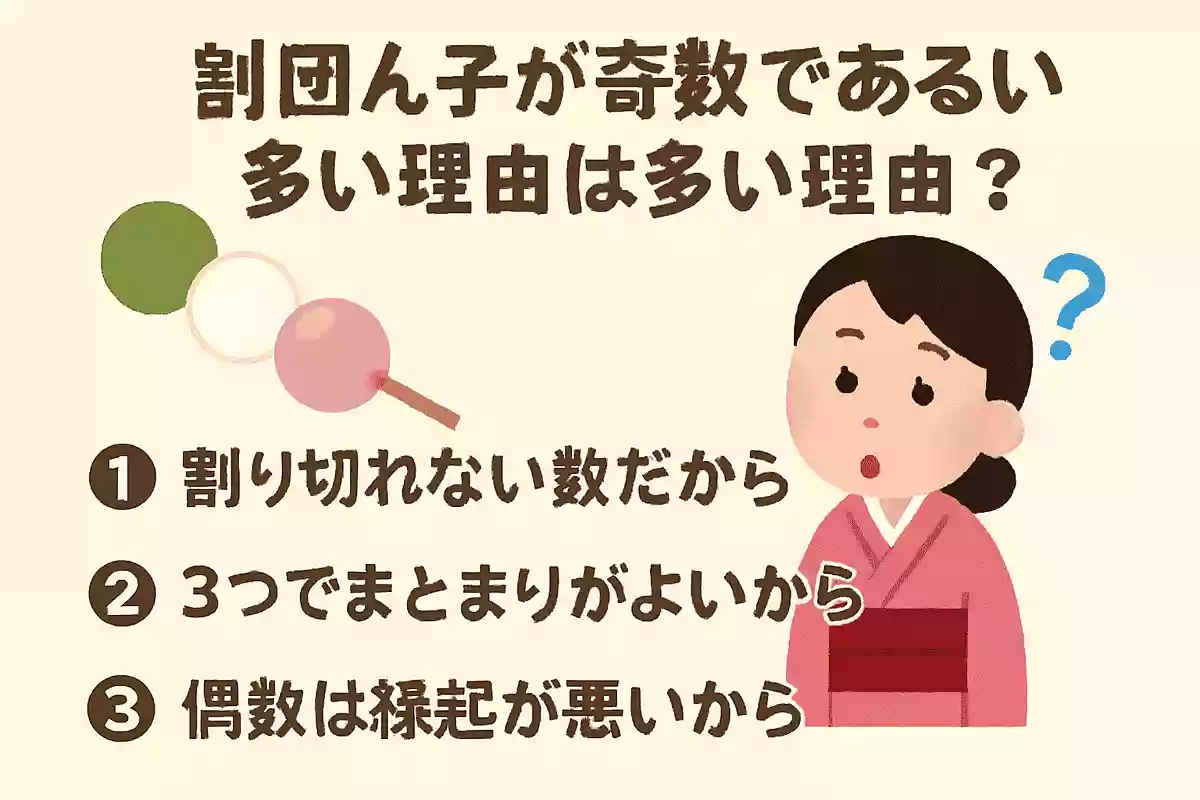
- Because it cooks quickly.
- Because it makes the skewer harder to pull out.
- Because it's lucky
See the answer
Because it's lucky
Dango on a skewer often come in odd numbers like three or five. This is considered lucky because odd numbers cannot be evenly divided. Incidentally, this custom is mainly seen in the Kansai region, while in the Kanto region skewered dango typically have four pieces.

Persimmons contain a very large amount of a certain nutrient. What is it?
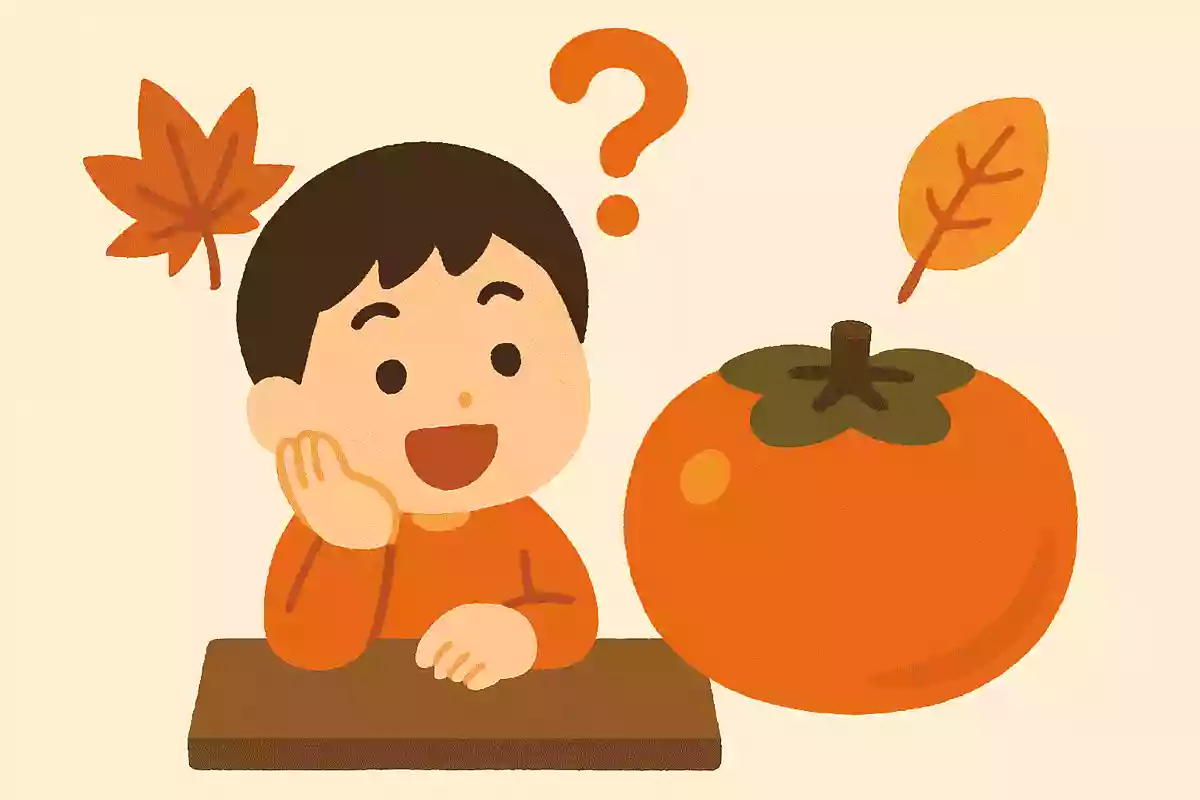
- Vitamin C
- Calcium
- iron (dietary iron / iron content)
See the answer
Vitamin C
Persimmons contain a lot of vitamin C. Just one persimmon can provide almost the entire daily requirement of vitamin C. They even have more than mandarins, making them useful for preventing colds and caring for your skin. Let’s get plenty of vitamin C and build a healthy body.
Deepen Your Food Knowledge! Trivia Multiple-Choice Quiz (21–30)
What autumn fruit is said to make you ‘not need a doctor’ if you eat it?
- grape(s)
- Apple
- Pear
See the answer
Apple
There’s a saying, “An apple a day keeps the doctor away,” and apples are known as a very healthy fruit. They’re rich in vitamin C and dietary fiber, and they’re in season in autumn. With their crisp texture, they’re delicious eaten raw or used in treats like apple pie.