

[2026] Recommended for Men in Their 40s! A Collection of Classic Japanese Breakup Songs

When you go through a heartbreak, it can feel like there’s a gaping hole in your heart.
Little moments can bring those memories rushing back, leaving you with a pang of sadness.
In this article, we’ve gathered Japanese breakup songs released from the 1990s to the mid-2000s—the soundtrack to the youth of those who are now in their 40s.
The nostalgic melodies you used to listen to back then and the lyrics that resonate in your chest may hit even deeper now.
As you look back on past loves, why not find a small push to move forward, together with these timeless songs that stay close to your heart?
- Tear-jerking songs recommended for men in their 40s: classic and popular Japanese hits
- [Tearjerker Guaranteed!] A Heartbreak Song Told from a Male Perspective
- Tear-jerking songs recommended for men in their 50s: classic and popular Japanese hits
- Masterpieces of bittersweet breakup songs. Recommended popular tracks.
- Karaoke songs for men in their 40s: a curated selection of hit tracks women want to hear!
- Recommended love songs for men in their 40s: classic and popular Japanese tracks.
- For men in their 30s: Heart-touching breakup songs—masterpieces that can move grown men to tears
- A heartbreak song that was a hit in the 1980s. A classic and popular track in Japanese music.
- Tear-jerking songs recommended for women in their 40s: classic and popular Japanese tracks
- Recommended heartbreak songs for women in their 40s: classic and popular Japanese hits
- Recommended Japanese pop songs for karaoke for men in their 40s
- [Tearjerker] Songs that make your heart tremble with tears & moving tracks with lyrics that touch the soul
- [Tear-Jerking Breakup Songs] A curated selection of love songs that gently comfort a wounded heart!
[2026] Recommended for Men in Their 40s! A Collection of Classic Japanese Breakup Songs (11–20)
Last SongGACKT

Starting from a silence like freshly fallen snow and gradually building into passion, this dramatic progression makes it one of GACKT’s most memorable ballads.
The poignant theme of a “last song” dedicated to a loved one resonates deeply with listeners.
Released as a single in November 2003, it also plays a crucial role in the narrative of the album Crescent and continues to be cherished by fans today.
It was performed at the 54th NHK Kōhaku Uta Gassen, a widely known episode where its overwhelming expressiveness deeply moved audiences at home.
It’s a song that gently stays by your side when you want to quietly accept a love that has ended, or on nights when you look back on the past alone and try to face forward.
Crimson-colored sunsetFujifaburikku

A heart-wrenching ballad lovingly passed down since their indie days.
It resonates deeply with a lyrical melody, capturing the tangled feelings toward one’s hometown and the earnest resolve to face forward even while carrying the weight of everyday struggles.
After being included on the 2004 album “A la Mode,” the song was released as their sixth single in September 2005 and was also chosen as the ending theme for TV Kanagawa’s “saku saku.” It appears on classic albums such as “FAB FOX” as well.
Following the sudden passing of Masahiko Shimura, Tamio Okuda covered the song in a solo acoustic performance, famously singing it through tears.
When you want to reflect alone at dusk on past loves or your youth, this song is sure to offer gentle companionship.
I won’t fall in love anymore.Makihara Noriyuki
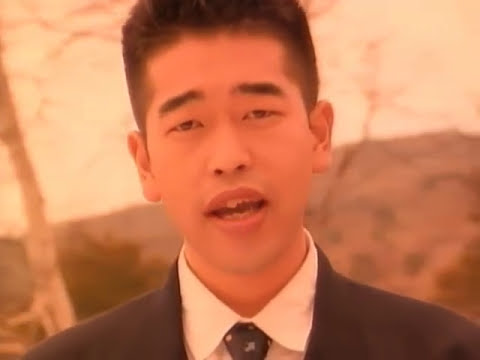
It was released in 1992 as Noriyuki Makihara’s fifth single.
Chosen as the theme song for the Nippon TV drama “After the Children Go to Sleep,” it became a million-selling hit.
After hearing a friend’s story of heartbreak, Makihara created the song with the hope of making something uplifting to help heal a broken heart.
It remains one of his most popular and representative songs.
Blue BenchSasuke

Released in 2004 as their major-label debut single, this is Sasuke’s signature song that still brings many men to tears.
The setting is a long-awaited class reunion: the person you once loved is there with the same unchanged smile.
Along with the nostalgia comes a surge of fierce regret toward the “you of back then.” Sasuke’s unadorned, down-to-earth harmonies speak for those sweet yet bittersweet feelings in your heart.
Even though there’s no point in thinking “if only, back then…,” the pain of youth resurfaces in unguarded moments.
It’s a masterpiece packed with that lingering male heartbreak, one that conjures up the scenery of those days every time you listen.
Can’t Say Anything… SummerTHE JAYWALK

Released in 1991 as J-WALK’s 18th single, it sold about 980,000 copies and became one of the band’s signature songs.
Thanks to its success, they made their first appearance at the 44th NHK Kōhaku Uta Gassen in 1993, and it became their biggest hit.
Known as a bittersweet summer song, it remains a popular choice for karaoke.
One more time,One more chanceYamazaki Masayoshi

Released in 1997 as Masayoshi Yamazaki’s fourth single, this is a classic that represents the 1990s.
Chosen as the theme song for his first starring film, The Moon and the Cabbage, it became a long-running hit and one of the signature songs from the early part of his career.
Its poignant lyrics, which convey the sorrow of heartbreak and the pain of losing someone dear, are especially memorable, making it a timeless breakup anthem passed down across generations.
[2026] Recommended for men in their 40s! A roundup of classic Japanese heartbreak songs (21–30)
The Rain and Meback number

A breakup song by back number, the band that has captivated many with their love songs.
It laments a love that has just ended, unbearably sad and beyond saving.
It’s a heartbreaking love song that captures the pain of sorrow, hardship, and blaming one’s own helplessness.
The track is included on their sixth album, MAGIC, released in March 2019.
Even as the years pass, the aching feelings for a former lover you can’t forget make your chest tighten.
If, like the song’s protagonist, there’s someone you can never forget, this is a must-listen recommendation.