

[2026] Recommended for Men in Their 40s! A Collection of Classic Japanese Breakup Songs

When you go through a heartbreak, it can feel like there’s a gaping hole in your heart.
Little moments can bring those memories rushing back, leaving you with a pang of sadness.
In this article, we’ve gathered Japanese breakup songs released from the 1990s to the mid-2000s—the soundtrack to the youth of those who are now in their 40s.
The nostalgic melodies you used to listen to back then and the lyrics that resonate in your chest may hit even deeper now.
As you look back on past loves, why not find a small push to move forward, together with these timeless songs that stay close to your heart?
- Tear-jerking songs recommended for men in their 40s: classic and popular Japanese hits
- [Tearjerker Guaranteed!] A Heartbreak Song Told from a Male Perspective
- Tear-jerking songs recommended for men in their 50s: classic and popular Japanese hits
- Masterpieces of bittersweet breakup songs. Recommended popular tracks.
- Karaoke songs for men in their 40s: a curated selection of hit tracks women want to hear!
- Recommended love songs for men in their 40s: classic and popular Japanese tracks.
- For men in their 30s: Heart-touching breakup songs—masterpieces that can move grown men to tears
- A heartbreak song that was a hit in the 1980s. A classic and popular track in Japanese music.
- Tear-jerking songs recommended for women in their 40s: classic and popular Japanese tracks
- Recommended heartbreak songs for women in their 40s: classic and popular Japanese hits
- Recommended Japanese pop songs for karaoke for men in their 40s
- [Tearjerker] Songs that make your heart tremble with tears & moving tracks with lyrics that touch the soul
- [Tear-Jerking Breakup Songs] A curated selection of love songs that gently comfort a wounded heart!
[2026] Recommended for men in their 40s! A roundup of classic Japanese heartbreak songs (21–30)
I don’t want to let go.T-BOLAN

Released in 1991 as T-BOLAN’s second single.
It was a single cut from their first album, “T-BOLAN,” and became the song that ignited their popularity.
The lyrics, which depict a man’s lingering feelings and his love for the woman he cherishes, resonate deeply.
It’s a masterpiece that makes women’s hearts skip a beat when sung by a man.
Only You ~Summer Heartbreak~Sazan Ōrusutāzu

A poignant classic that colored the summer of 1995.
This exquisite heartbreak ballad portrays lingering feelings for a summer romance that has ended, set against the backdrop of a beautiful seaside scene.
Released as a single in July 1995, it became a major hit as the theme song for the drama “Itsuka Mata Aeru” (Someday We’ll Meet Again).
It was later included on the acclaimed album “Young Love,” and has become a special number—so much so that Keisuke Kuwata has called it “one of my favorite songs” among his own works.
The rich, weighty sound and Kuwata’s voice, which gives full voice to helpless, aching emotion, truly resonate in the heart.
excuseSha ran Q

A quintessential 90s rock ballad that powerfully voices a man’s aching heart.
This is the 10th single by Sharam Q, the rock band led by Tsunku♂, who is also known as a music producer.
While spouting selfish excuses, the protagonist’s inability to sever his lingering attachment to the lover who left is portrayed over a wistful melody.
Released in April 1996, the song was used as the theme for the Fuji TV drama “Age, 35 Koishikute,” won the Excellence Award at the Japan Record Awards, and cemented the band’s popularity.
It’s a gem of a breakup song that makes you want to pour your emotions into it at karaoke.
The Door of TimeWANDS

It was released in 1993 as WANDS’ fourth single.
The song was issued as an advance single from their second album, “Toki no Tobira,” and became a million seller.
It was used as the theme song for TV Asahi’s drama “Neo Drama.” The lyrics depict a breakup ballad from the perspective of a man who can’t move on, recalling his ex-girlfriend when he looks at old photos or the gifts he received.
The Last RainYasushi Nakanishi
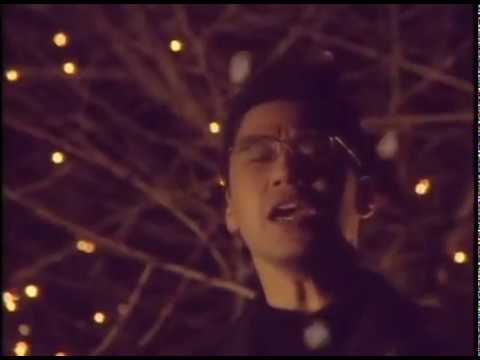
Released in 1992 as Yasushi Nakanishi’s second single.
It was chosen as the theme song for Nippon TV’s “Hitachi Ashita P-KAN Kibun!” and, despite peaking at No.
16 on the Oricon chart, it became a long-running hit.
Today, it is regarded as a classic that has been covered by many artists.
It remains Nakanishi’s biggest hit and enjoys enduring popularity in karaoke.
Another OrionFujii Fumiya

It was released in 1996 as Fumiya Fujii’s 10th single.
The song was used as the theme for the TBS Friday drama “Garasu no Kakeratachi,” in which Fumiya Fujii himself starred, and it reached No.
1 on the Oricon Weekly Singles Chart.
Though parting is painful, the song’s uplifting lyrics—believing that hearts remain connected even when apart—are truly comforting.
It’s a song that makes you want to look up at the night sky and heal a broken heart.
See you againSEAMO

Released in 2006 as SEAMO’s fourth single.
It spread through word of mouth and radio airplay, becoming a long-running hit.
The song was chosen as the ending theme for TV Asahi’s “Beat Takeshi’s TV Tackle,” and SEAMO made his first appearance at the 2006 NHK Kouhaku Uta Gassen.
Though it’s a breakup song filled with sadness and loneliness, it’s an uplifting track that suggests both people will walk new paths and hopefully meet again someday.