

Let's take on a four-choice quiz that everyone can enjoy together!


“What’s the official name for a train?” “What language is the word ‘coupon’ from?” and more…
We’ll introduce trivia about culture and everyday life—things you think you know but actually might not—in a four-choice quiz format! You can have fun learning interesting facts about Japan and the world with your family and friends.
With answers that will make you say, “Wow!”, it’s sure to get everyone excited! Let’s uncover the secrets behind the things we use and see every day by solving quizzes.
So, how many questions can you answer?
- Become a trivia master with a multiple-choice quiz for elementary schoolers! A fun problem collection that captivates both kids and adults
- [Trick Quiz] Quiz Questions That Excite Everyone from Kids to Adults
- [Interesting] Compilation of Trivia Quiz Questions
- Surprisingly unknown? Trivia Quiz [Multiple Choice: 3 Options]
- Fun quizzes that liven up the party. Quizzes everyone can enjoy.
- [Killing Time] A Collection of Fun Trivia Quizzes You'll Want to Share with Someone
- Fun quizzes for elementary school kids: a collection of questions everyone can enjoy together
- Let's get excited with a two-choice quiz that everyone—from kids to adults—can enjoy!
- [For Seniors] Surprising Facts! Multiple-Choice Trivia Quiz (4 Options)
- [Battle of Wits] Stimulate your intellectual curiosity! Quiz questions that get adults excited
- Fun Quiz Questions That Will Liven Up the Office [2026]
- A fun quiz you can use to kill time by yourself or with everyone
- A quiz of fun trivia: bite-sized knowledge that leads to new insights.
Unexpected Trivia of Culture and Life (11–20)
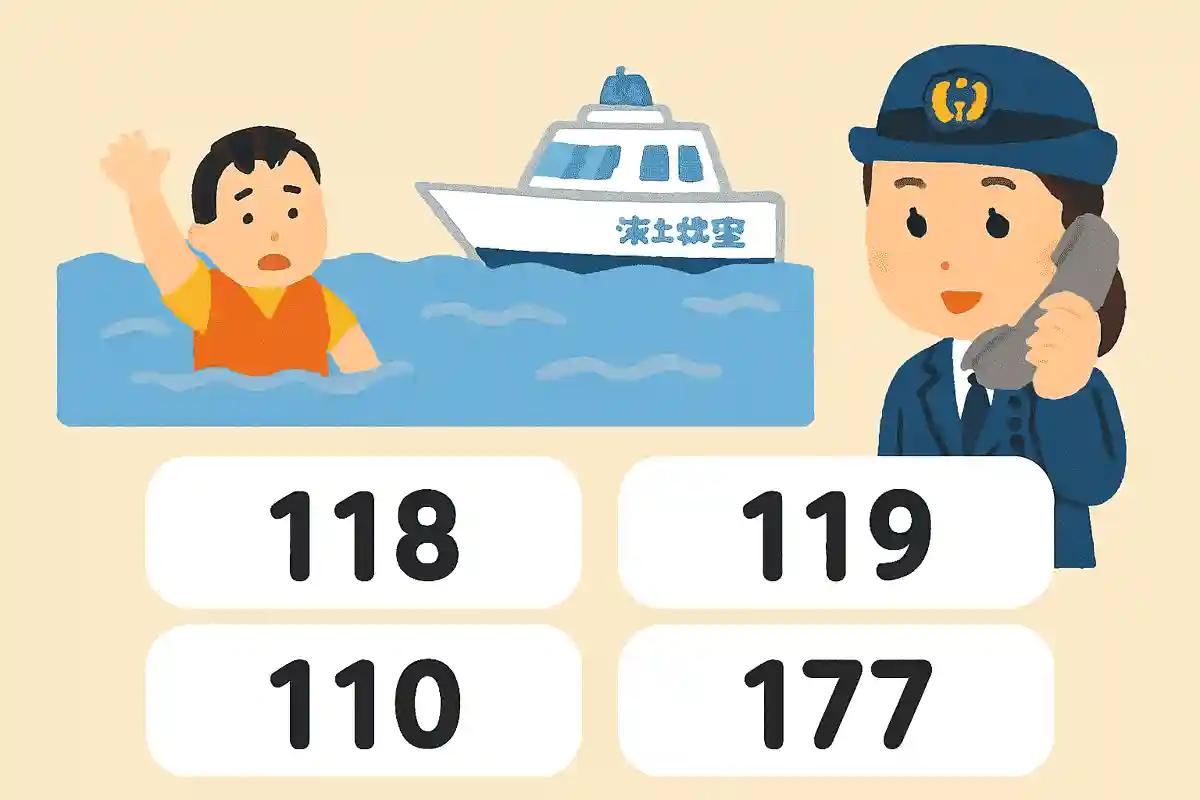
What is the number for the Japan Coast Guard to call in case of an accident or incident at sea?
- 115
- 117
- 118
- 177
See the answer
118
The number to call when an accident or incident occurs at sea is 118. This is the Japan Coast Guard’s emergency number, introduced in 2000. Often called the “110 of the sea,” it is used for situations requiring a swift response, such as sightings of suspicious vessels or when lifesaving assistance is needed. This number was established to protect safety at sea, and remembering it can be helpful in an emergency.

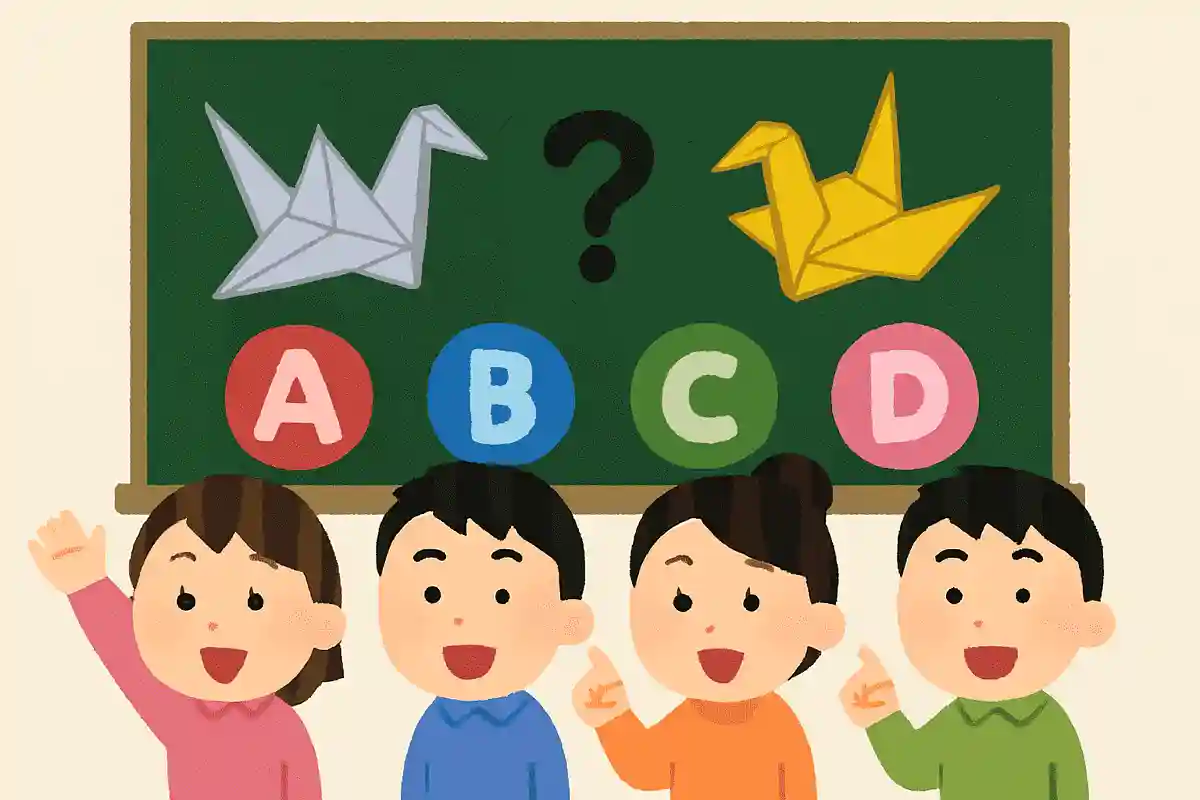
What color is painted onto silver origami paper to make gold origami paper?
- red
- purple
- orange
- blue
See the answer
orange
The glittering, golden origami paper is made by painting silver origami paper with orange paint. You can also make something that looks like golden origami paper just by coloring store-bought silver origami paper with an orange marker, so give it a try!

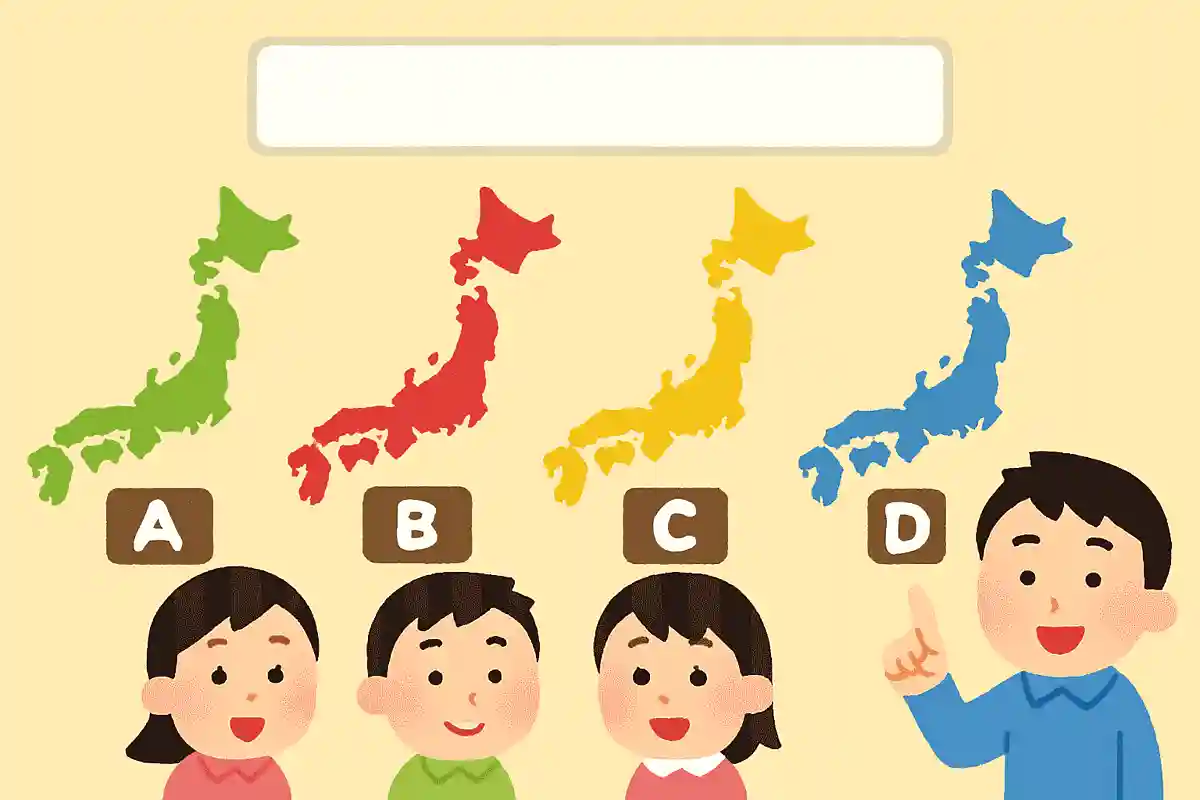
Body weight varies slightly depending on the region where it is measured. Which of the following regions would result in a heavier body weight?
- Okinawa
- Fukuoka
- Tokyo
- Hokkaido
See the answer
Hokkaido
They say that if you weigh yourself in Hokkaido, you’ll be 0.15 percent heavier than in Okinawa. The reason your weight changes by region is due to gravitational acceleration. Gravitational acceleration is the acceleration exerted on an object by gravity. Because the Earth rotates, centrifugal force is at work. Centrifugal force makes things lighter on the inner side of the axis and heavier on the outer side. That’s why it affects your weight.

How much does hair grow in a year?
- 6cm
- 8cm
- 12cm
- 20cm
See the answer
12cm
Hair is said to grow about 0.3–0.4 mm per day, which averages out to roughly 2.5 mm per week, about 1 cm per month, and about 12 cm per year. With around 100,000 hairs on the head and about 90% of them in the growth phase, the total length grown in one year is said to add up to around 100 kilometers. This shows how particularly active hair is in terms of metabolism compared to other parts of the body.

What sound is the school chime modeled after?
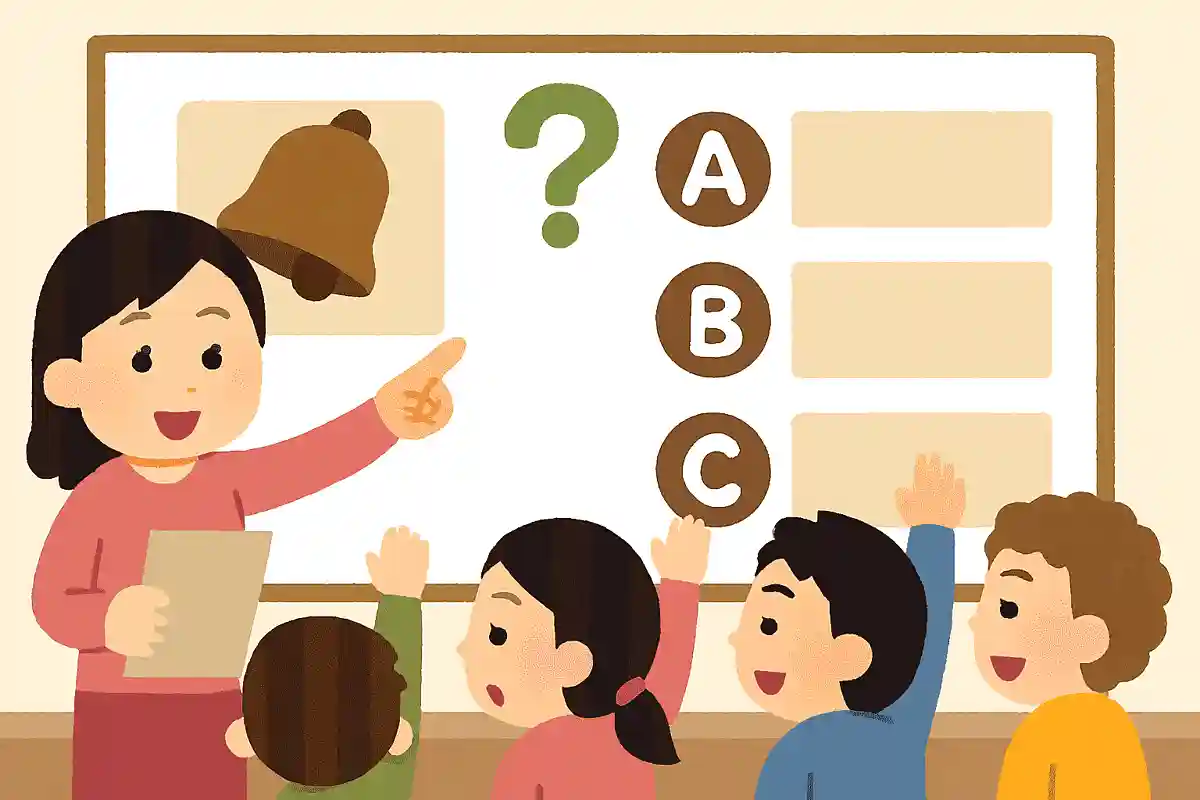
- The Bells of Notre-Dame Cathedral
- New Year's Eve temple bell
- The Bell of Mont-Saint-Michel
- the bell of Big Ben
See the answer
the bell of Big Ben
The school chime is modeled after the sound of the bell of the large clock commonly known as “Big Ben” in London, UK. Big Ben is the clock tower at the Palace of Westminster, and its official name is the Elizabeth Tower.
What disaster prompted the evacuation drill?
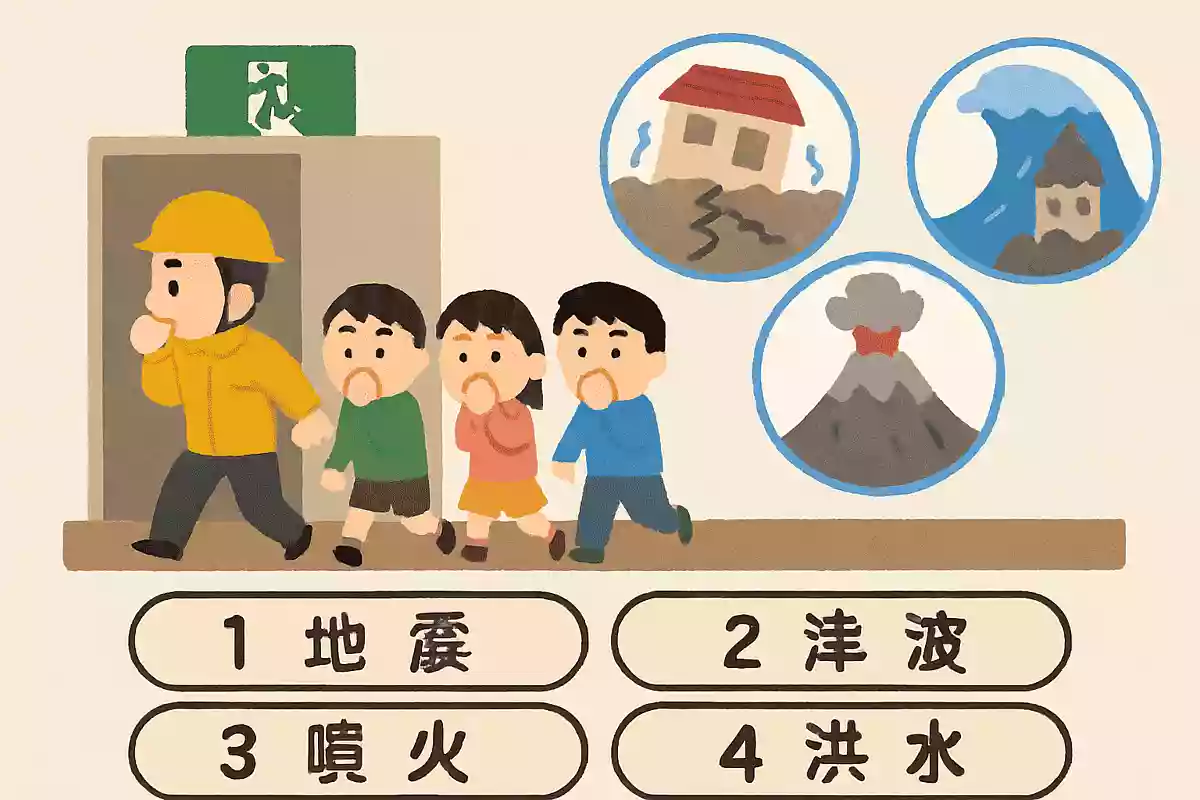
- earthquake
- typhoon
- Volcanic eruption
- tsunami
See the answer
earthquake
The event that led to full-scale evacuation drills being conducted in Japan was the Great Kanto Earthquake of 1923. This massive earthquake caused devastating damage, especially in Tokyo and Yokohama, and many lives were lost. Afterward, the importance of earthquake preparedness became widely recognized, and September 1 was designated as Disaster Prevention Day, on which evacuation drills are held nationwide. Since earthquakes occur throughout Japan, everyday preparedness is considered extremely important.
Animal and Creature Trivia (1–10)
What is something that plants have just like humans?
- blood type
- brain
- heart
- hair
See the answer
blood type
Actually, plants have blood types too. They don’t have blood flowing, but it can be measured by glycoproteins.