

Let's take on a four-choice quiz that everyone can enjoy together!


“What’s the official name for a train?” “What language is the word ‘coupon’ from?” and more…
We’ll introduce trivia about culture and everyday life—things you think you know but actually might not—in a four-choice quiz format! You can have fun learning interesting facts about Japan and the world with your family and friends.
With answers that will make you say, “Wow!”, it’s sure to get everyone excited! Let’s uncover the secrets behind the things we use and see every day by solving quizzes.
So, how many questions can you answer?
- Become a trivia master with a multiple-choice quiz for elementary schoolers! A fun problem collection that captivates both kids and adults
- [Trick Quiz] Quiz Questions That Excite Everyone from Kids to Adults
- [Interesting] Compilation of Trivia Quiz Questions
- Surprisingly unknown? Trivia Quiz [Multiple Choice: 3 Options]
- Fun quizzes that liven up the party. Quizzes everyone can enjoy.
- [Killing Time] A Collection of Fun Trivia Quizzes You'll Want to Share with Someone
- Fun quizzes for elementary school kids: a collection of questions everyone can enjoy together
- Let's get excited with a two-choice quiz that everyone—from kids to adults—can enjoy!
- [For Seniors] Surprising Facts! Multiple-Choice Trivia Quiz (4 Options)
- [Battle of Wits] Stimulate your intellectual curiosity! Quiz questions that get adults excited
- Fun Quiz Questions That Will Liven Up the Office [2026]
- A fun quiz you can use to kill time by yourself or with everyone
- A quiz of fun trivia: bite-sized knowledge that leads to new insights.
Food and Cooking Trivia (1–10)
What does “arare” in ochazuke seasoning mean?

- It has a good texture.
- It smells good.
- Moisture prevention
- The colors of a meal
See the answer
Moisture prevention
When instant ochazuke mix first went on sale, the technology for sealing packets wasn’t yet advanced. To prevent moisture in the food, arare (rice crackers) were included as a desiccant—that’s how it started.
Originally, taiyaki wasn’t shaped like a sea bream; what shape was it?
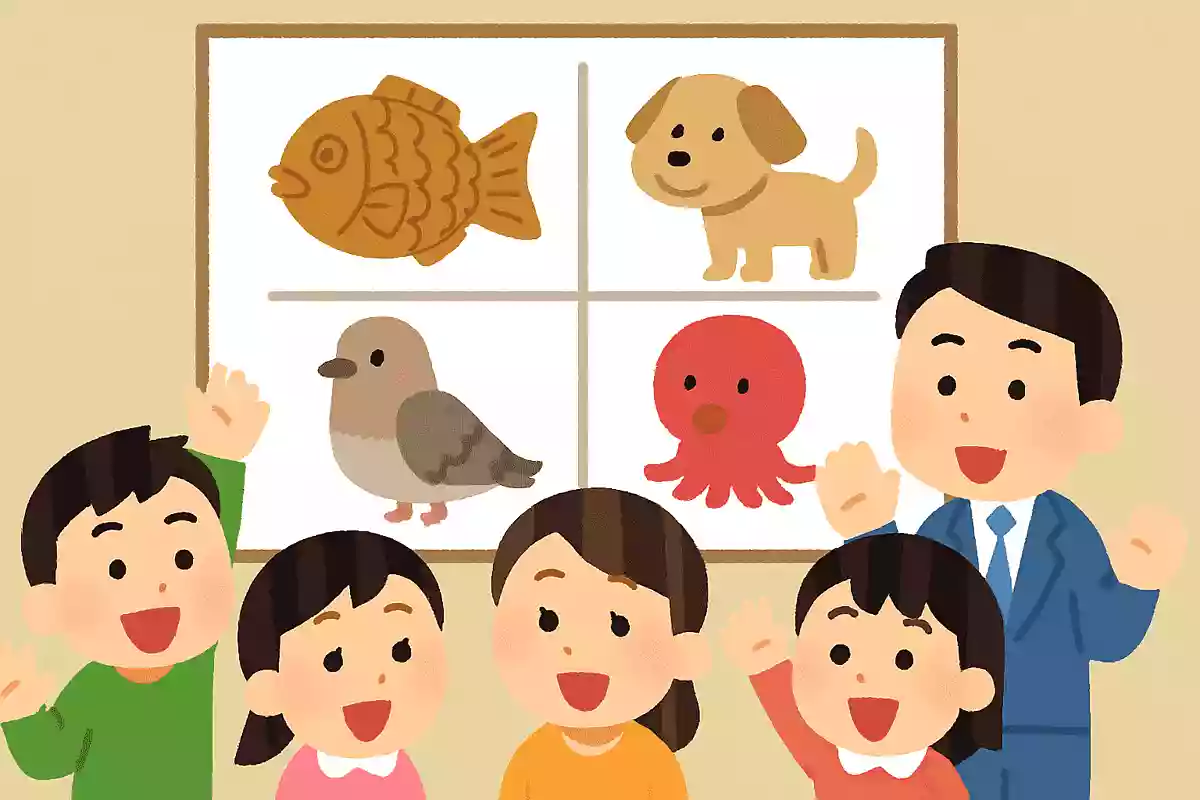
- bear
- turtle
- chick
- cat
See the answer
turtle
Originally, it was sold as a ceramic piece in the shape of a turtle. It also became the motif for taiyaki, which carries the meaning of good fortune.
At sushi restaurants, soy sauce is called by the name of a certain color. What color is it?

- Midori
- red
- Kuro
- Murasaki
See the answer
Murasaki
There are various theories as to why soy sauce is called “murasaki.” One says it’s because the term “purple” used to refer to a reddish-brown color. Another claims that in the Edo period soy sauce was very expensive and thus was named after the color purple, which symbolized nobility. There are other theories as well, so if you’re curious, try looking them up.
What does the “la” in la-yu (chili oil) mean?

- spicy
- red
- fragrant and toasty
- hot
See the answer
spicy
“Ra” carries the meaning of being so spicy that it comes with heat.
Which of the following is not a Japanese vegetable name?

- lotus root
- Okra
- daikon
- green onion
See the answer
Okra
Okra is not a Japanese word; it is an English word. In Japan, it also has an alternative name written as 陸蓮根 and read as 'okarenkon.'
What is the etymology of chocolate?
- Melting Stone
- hard mud
- sweet soil
- bitter water
See the answer
bitter water
When you think of chocolate, you picture a sweet treat, right? So why does its etymology mean “bitter water”? The reason is that in the past, chocolate wasn’t solid like it is today but liquid, and it was consumed not as a confection but as a medicine.

Which of these vegetables will float in water?
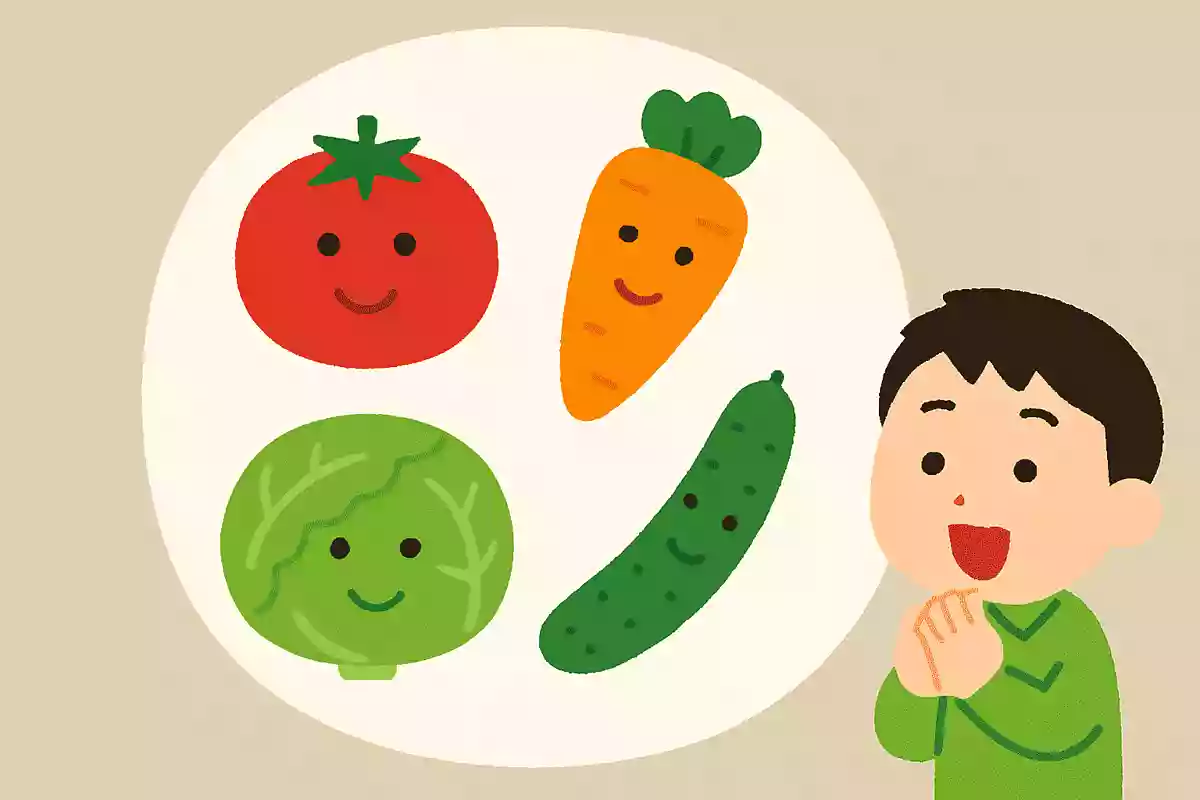
- pumpkin
- potato
- carrot
- lotus root
See the answer
pumpkin
Observing whether vegetables float or sink in water is a common experiment for children’s independent research. If you’ve done it before, you might have answered right away. Pumpkins may look heavy, but compared to an equal volume of water, a pumpkin is actually lighter.