

Highlighting the masterpieces and popular works of Mikhail Glinka, the pioneering composer of Russian music

Mikhail Glinka, a Russian composer.
He was the first to create truly Russian music for the nation and the first Russian composer to gain wide renown abroad, earning him the title “the father of modern Russian music.”
He actively formed friendships with contemporary poets and painters; in particular, under the influence of the poet Pushkin, he began writing distinctly Russian works.
In this article, we have picked out some of Glinka’s masterpieces and popular pieces.
While his works are naturally Russian in character, they also possess a romantic and unique atmosphere—some pieces convey a Chopin-like sweetness, and others are sets of variations based on melodies from operas that were fashionable at the time.
Many of his compositions express a love for Russia, so please enjoy his music!
- A masterpiece by Alexander Borodin. Popular classical music.
- Rimsky-Korsakov’s Masterpieces | The Vividly Colorful World of Russian Music
- Gabriel Fauré | Introduction to His Famous and Representative Works
- [Masterpiece Classics] A special showcase of gem-like masterpieces so beautiful they’ll move you to tears
- Rachmaninoff’s masterpieces. Recommended pieces by Rachmaninoff.
- Mussorgsky’s masterpiece. Popular classical music.
- [Tchaikovsky] Pick up famous and representative pieces!
- Mily Balakirev Popular Songs Ranking [2026]
- Grieg’s Masterpieces and Popular Works: Pieces That Evoke the Nature of Norway
- Stravinsky’s masterpiece. Popular classical music.
- Masterpieces of Ballet Music: Introducing Classic Favorites
- Chopin’s masterpieces. Popular classical music.
- Dmitri Kabalevsky Popular Song Rankings [2026]
[Mikhail Glinka] Introducing Masterpieces and Popular Works by the Pioneer of Russian Music (31–40)
Memories of summer nights in MadridMikhail Glinka

Mikhail Glinka, who left behind numerous masterpieces and is even hailed as the “father of modern Russian music.” The work he composed while envisioning the refreshing summer scenes of Madrid is A Night in Madrid in the Summer.
This piece corresponds to the Second Spanish Overture and is notable for its powerful sound.
Its structure is also a major attraction: the first half features deep, resonant tones centered on the strings, while the second half brings in percussion and accelerates the tempo.

Overture from the opera ‘Ruslan and Lyudmila’Mikhail Glinka

The Overture to Ruslan and Lyudmila, which evokes the opening of a grand tale, is the perfect piece for waking up in the morning or when you want to dash off with energy.
Its composer, Mikhail Glinka, was from Russia and excelled at orchestral works, known for his charmingly light and lively style.
Ruslan and Lyudmila is an opera in five acts, and its story—depicting how Princess Lyudmila and the knight Ruslan are united—is compelling in its own right.
It’s a piece I’d especially recommend to fans of modern video game music or to anyone who wants to exercise in a bright, upbeat mood!

Overture to the opera “Ruslan and Lyudmila”Mikhail Glinka
Born in 1804, the Russian composer Mikhail Glinka wrote the opera Ruslan and Lyudmila, from which this piece, the Overture, is taken.
Mikhail Glinka gained widespread acclaim abroad and is known as the “father of modern Russian music.” This overture is performed at a consistently presto (fast tempo), resulting in a brilliantly vibrant and dynamic work.
It is very popular among Japanese orchestral ensembles and is performed frequently.
Nocturne in E-flat majorMikhail Ivanovich Glinka
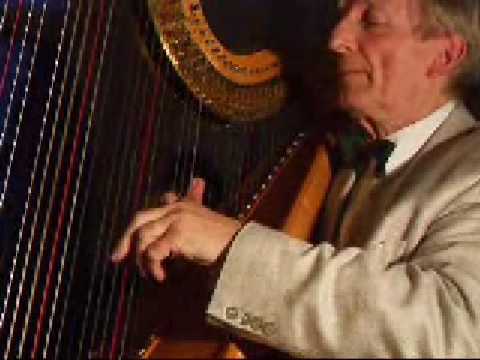
Nocturne in E-flat major.
With a gentle flow and brilliance, it’s a very beautiful piece.
The harp solo is by David Watkins.
From a concert at Hammerwood Park in East Grinstead, in the northeastern part of West Sussex, England.
Chernomor March from the opera Ruslan and LyudmilaMikhail Ivanovich Glinka

Characterized by brilliant and powerful orchestral sonorities, this work superbly conveys the wizard’s imposing presence.
The effective use of brass and percussion emphasizes magical power and dominion, overwhelming the listener.
Its distinctive rhythms and melodies, which skillfully incorporate elements of Russian folk music, also evoke an Oriental atmosphere.
Although it was composed as part of an opera premiered in Saint Petersburg in December 1842, it is now also enjoyed as a standalone orchestral piece.
Highly recommended for those who relish grand, dramatic music or who are interested in Russian music.
In conclusion
We’ve introduced some of Mikhail Glinka’s masterpieces and popular pieces.
Tchaikovsky and Rachmaninoff—who are also famous Russian composers—were likely influenced by Glinka, the pioneer of Russian music, which makes it fascinating to see how all classical music is interconnected.
There are many more works as well, so please give them a listen!