

Handmade Instruments for Preschoolers | Instruments You Can Make Together with Your Child

When children make their own instruments to play rhythm games or perform to music, it fosters their sense of rhythm and pitch, as well as their imagination and expressive abilities, bringing very positive effects to their development.
So this time, we’re introducing handmade instrument ideas you can use in daycare, kindergarten, or at home.
From simple projects you can make with recycled materials or items from the dollar store to more advanced creations based on the principles of real instruments, we’ve gathered a wide range of DIY instrument ideas!
Find projects that match your child’s age and developmental stage, and try making them together.
We hope you’ll enjoy a fun time exploring the unique sounds that these handmade instruments can produce!
Handmade Musical Instruments for Preschoolers | Instruments to Make Together as Parent and Child (1–10)
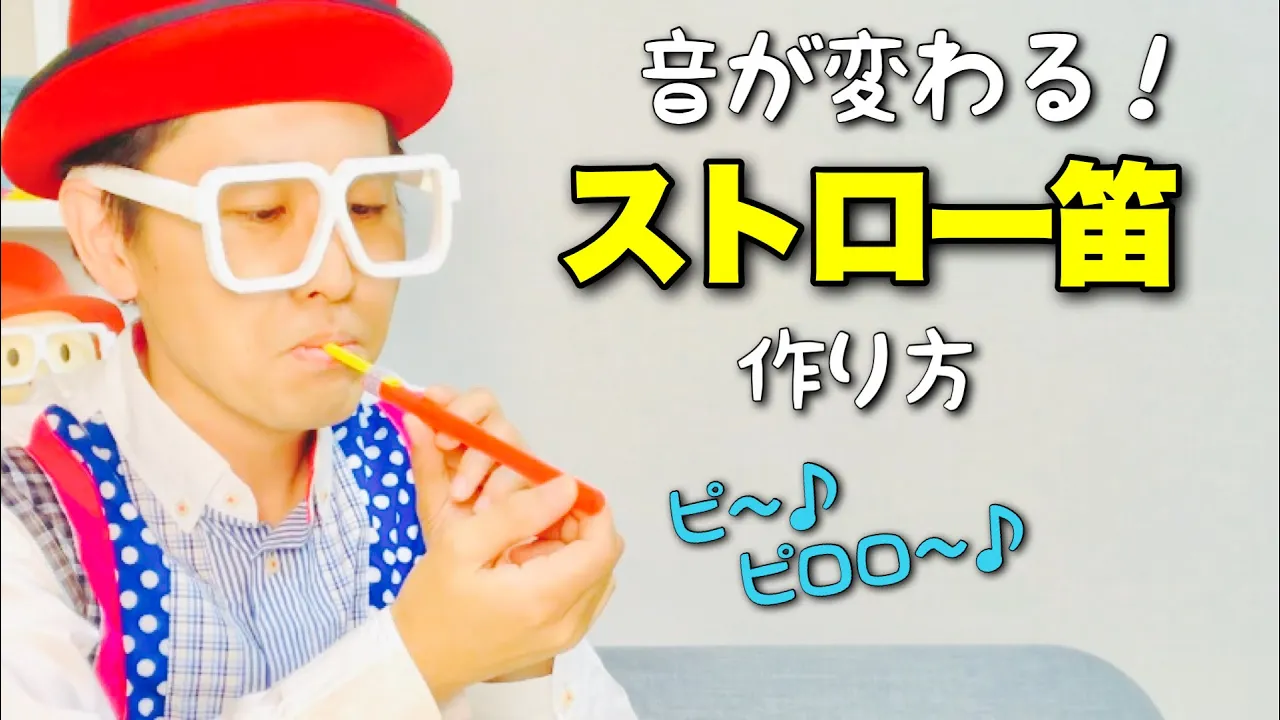
Straw flute

A handmade instrument you can easily make with just a straw: the straw flute.
Although this instrument can be made simply with a large straw and cellophane tape, the work involves many small, detailed steps, making it more challenging than it looks.
Because you repeat fine motor tasks, it’s an ideal instrument for developing a child’s dexterity.
The materials are minimal and it’s easy to assemble, but since scissors are used extensively, be sure to teach children about scissor safety before letting them make it.

Plastic bottle drum

If you want to develop your child’s sense of rhythm, I recommend this PET-bottle drum.
It’s a handmade instrument made with a plastic bottle and a balloon, and the way it’s put together actually makes a lot of sense.
Real percussion instruments like drums and congas also stretch skin over a resonating body.
That’s why the sound quality is far better than just hitting an object.
The tone changes depending on the size of the bottle and the thickness of the balloon’s rubber, so try making a variety of types.
Tambourine made from bottle caps

A bottle-cap tambourine is an easy DIY instrument you can make with paper plates and plastic bottle caps.
The bottle cap portions work on the same principle as maracas, so the sound changes depending on what you put inside.
They’re also easy to make in quantity, so it’s a good idea to create tambourines with a variety of tones.
Also, choose paper plates that are as sturdy as possible.
Because the bottle cap sections are filled, they get heavier, and plates that are too flimsy will bend out of shape quickly.
straw wrapper

The straw rattle is a homemade instrument you can make with construction paper, a straw, and a bubble wand straw.
You can’t change its tone, so I think it’s suitable for children around 3 years old.
Since scissors and a compass are used, an adult should supervise the making process, but the overall difficulty is relatively low, so it should be fun.
If the thickness of the straw and the bubble wand straw differ too much, it won’t work, so try to prepare straws that are reasonably similar in size.
Empty box drum
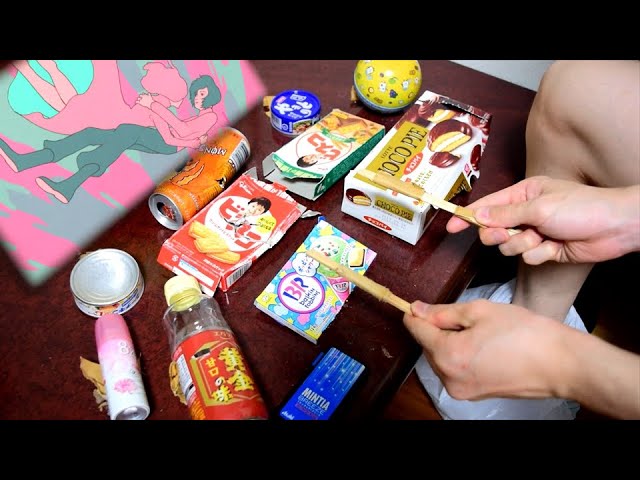
Among the handmade instruments we’re introducing this time, the simplest one is the Empty-Box Drum.
Basically, you’re just hitting scrap materials (lol).
But even with “scrap,” once you strike them, you’ll hear all kinds of tones.
Cans and bottles around the house, empty boxes, paper cups, plastic waste—pretty much anything can be turned into an instrument, and that’s the biggest appeal of this DIY approach.
It’s as simple as just hitting things, but as you can see in the video, when someone skilled plays it, it actually sounds like a decent instrument.
Rubber band guitar

If you want to focus on the fun of playing, this rubber band guitar is recommended.
It’s easy to make with just three items— a container, rubber bands, and tape—so even children around three years old can try it with ease.
It’s not just about stretching rubber bands; you also need to adjust the pitch, making it a great handmade instrument for developing musical sensitivity.
However, since it’s made with rubber bands, its durability is on the lower side.
The material of the container also affects the tone, so it might be fun to try making various versions.
cuckoo whistle

If you want to make a genuine handmade instrument using items you have at home, this cuckoo whistle is recommended.
Despite requiring only very simple materials—just a plastic bottle and two bottle caps—the cuckoo whistle can produce an authentic sound, which is its appeal.
You’ll need an adult’s help for one step: using a hole punch and a hammer to make holes in the bottle caps.
Aside from that, children can make it themselves.
However, because it’s a delicate instrument, it may not produce a proper sound if it’s assembled roughly.
It’s best to adjust it repeatedly as you make it.