

A beautiful melody soothes the heart… Heisei-era ballad hit songs

The Heisei era, which includes the 1990s—often called the period when CDs sold more than at any other time in human history—gave birth to many hit songs.
In particular, many ballads continue to resonate with listeners’ hearts even as the times change.
With today’s revival boom, more young listeners are becoming interested in hearing the hit songs of that era.
So this time, we’re introducing ballad songs that were hits during the Heisei period!
If you grew up with them, they’ll feel nostalgic; if not, they’ll feel fresh.
Be sure to check them out!
- Ballad songs that were hits in the 2000s
- Iconic ballads of 90s J-pop: nostalgic mega-hits and fan favorites
- Tears won’t stop with these sentimental lyrics! Heisei-era tearjerker songs
- Heisei Song Collection: Iconic Hits That Colored the ’90s and 2000s
- Emotional songs from the Heisei era. Nostalgic tracks that really hit you.
- Just listening will surely move your heart! A moving song that represents the Heisei era.
- Just listening makes you feel happy! Heisei-era mutual love songs
- Cool songs of the Heisei era. Hit tracks that energized the times.
- A lineup of timeless masterpieces to pass down to future generations! Ballad songs born in the Reiwa era
- Songs from the Heisei retro era that will get any generation excited! Timeless tracks you’ll want to listen to now.
- Today's recommended ballads: A carefully curated selection of heartwarming, gem-like masterpieces!
- Old songs from the Showa to Heisei eras: a collection of timeless classics loved across generations
- From bittersweet tracks to heart-wrenching tunes! Heisei-era unrequited love songs
A beautiful melody soothes the heart... Heisei-era Ballad Hit Songs (41–50)
Life is BeautifulHirai Dai

A heartwarming song that’s perfect for peaceful moments by the sea.
Dai Hirai’s gentle voice, paired with soothing sounds of ukulele and acoustic guitar, quietly reminds us just how precious the small joys of everyday life are.
The message embedded in this piece—“Life is beautiful”—guides the heart toward those sparkling moments we tend to overlook in our busy days.
Released in June 2016 as the title track of the acclaimed album “Life is Beautiful,” it also became well-loved as the theme for House Foods’ “Java Curry” commercial.
Whether you’re lost in thought on a beach at sunset or standing at a turning point in life, this song is sure to resonate deeply with the listener.
Earthikimonogakari

This is a gem-like ballad themed around parting and reunion, imbued with a deep affection for our living planet.
It’s a cherished song that has been carefully passed down since their indie days, and a memorable piece written and composed by Hotaka Yamashita when he was 16.
Included on the album “NEWTRAL,” it features an arrangement notable for the distinctive timbre of the jaw harp.
It’s a heartwarming track you’ll want to listen to when thinking of someone dear who’s far away, or when standing at a crossroads in life.
Summer Days of 1993class

This is a gem of a ballad, colored by a refreshing acoustic sound and a melody that lingers in the heart.
It delicately portrays the subtle emotional shifts from friendship to romance, resulting in a song that gently embraces a love that suddenly blossoms.
class released this as their debut single in April 1993, and it was used as the opening theme for “Kimi to Itsumademo” and as a commercial song for Saison Card.
It was also included on the albums “Mellow Prism” and “CLASSIX,” and became a massive hit, selling over 1.7 million copies.
Fifteen years later, in 2008, an answer song—effectively a continuation of the story—was released.
It’s a recommended track for those who want to look back on memories with someone dear, or who resonate with the secret feelings of love held for a long-time friend.
Like tonight’s moonElefanto Kashimashi
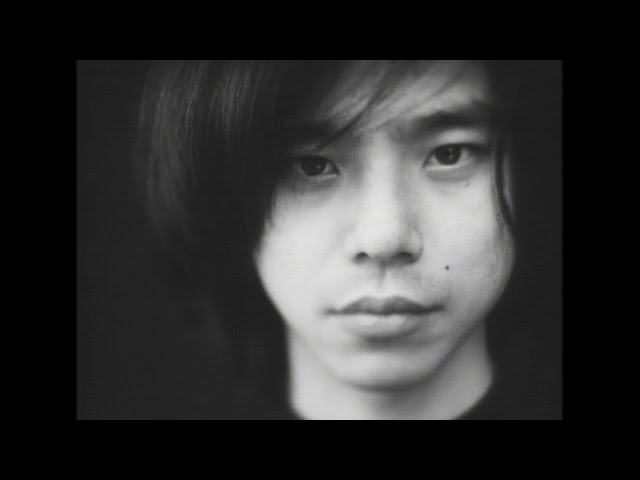
A signature song by Elephant Kashimashi, it sublimates the feeling of a heart wavering between everyday nihilism and hope into something beautiful.
The dramatic melody and Hiroji Miyamoto’s impassioned vocals resonate deeply with listeners.
Released by Pony Canyon in July 1997, it was used as the theme song for the drama “Because the Moon Shines at Night.” It became the band’s first entry into the Oricon Weekly Top 10 and a major hit with total sales of about 800,000 copies.
When you’re worn out by relationships or work and listen to this song, you can sense someone who struggles just like you yet still tries to face forward and live.
Like gentle moonlight softly illuminating the night, this is a song that stays close to your heart.
Far, far awayMakihara Noriyuki

This piece is distinguished by a warm melody that gently embraces the feelings of those who have left their hometowns.
In this song, Noriyuki Makihara weaves his thoughts for friends far away, portraying the universal desire to stay connected despite the distance, and it tenderly resonates with listeners.
It was included on the June 1992 album “Kimi wa Boku no Takaramono” and later drew renewed attention when it was used in a 2006 NTT East Japan commercial.
The song expresses the wish to have people back home see how one is striving in a new place, while celebrating the importance of unchanging bonds amid personal change.
It is sure to strike a deep chord with those starting a new chapter in life or those who have experienced being separated from dear friends.