

A Must-See for the Heisei Generation: Nostalgic Songs That Were Popular in the Heisei Era

It’s only been a few years since the Reiwa era began, but trends like “Heisei-era clichés” are already popular.
Among them, music is especially loved as nostalgic oldies.
So this time, we’re introducing “classic Heisei-era songs we recommend to people born in the Heisei era”!
The Heisei period was a time when many new music genres were born, with club music—especially UK garage and dubstep—undergoing major changes.
In addition to dance music and mainstream J-pop, we’ve also picked standout tracks from lesser-known genres like R&B and jazz rock.
If you were born in the Heisei era, be sure to check them out!
- Emotional songs from the Heisei era. Nostalgic tracks that really hit you.
- Heisei-era masterpieces. Hit songs that represent the Heisei period.
- All big hits! A roundup of classic J‑Pop songs that were popular in 2000
- A collection of nostalgic hits from the Heisei era: Let’s look back at iconic songs from the 1990s and 2000s.
- Songs from the Heisei retro era that will get any generation excited! Timeless tracks you’ll want to listen to now.
- Cool songs of the Heisei era. Hit tracks that energized the times.
- Heisei Song Collection: Iconic Hits That Colored the ’90s and 2000s
- [Heisei Love Songs] A carefully selected collection of gem-like love songs that continue to be cherished even in the Reiwa era!
- Love songs that were hits in the 2000s. Classic and popular Japanese songs.
- Nothing but iconic hits that defined an era! 2000s classics popular on TikTok
- From emotional tracks to exhilarating tunes! Heisei-era youth songs
- A revival hit driven by social media! Heisei-era masterpieces that are resonating with Gen Z today
- Heisei-era masterpieces: Easy to sing! Carefully selected songs recommended for karaoke choices!
[For those born in the Heisei era] Nostalgic songs that were popular in the Heisei era (1–10)
Swallowtail Butterfly ~Love Song~YEN TOWN BAND

A track marked by a poignant melody and CHARA’s distinctive vocals.
Released in July 1996 as the theme song for the film Swallowtail, it reached No.
1 on the Oricon chart.
Included on the album MONTAGE, the song’s lyrics about people chasing their dreams leave a deep impression.
As they continue to pursue dreams that remain out of reach like a mirage, “the song of love” becomes a beacon of hope.
The lyrics, which convey the strength to keep facing forward amid harsh realities, have resonated with many.
It’s a recommended song for quiet nights when you want to listen to a ballad that sinks into the heart.
come againm-flo

A dance classic depicting young people passionately enjoying their weekend nights.
This m-flo track incorporates 2-step, a club music style that was popular in the UK at the time, and brought a fresh breeze to the Japanese music scene.
LISA’s gentle vocals and VERBAL’s stylish rap are a perfect match, making it impossible for listeners not to dance.
Released in March 2001, it peaked at No.
4 on the Oricon singles chart.
It’s an energetic tune that vividly conjures up images of DJs and crowds becoming one on the dancefloor.
Highly recommended for anyone who wants to go all out on the weekend.
WhateverOasis
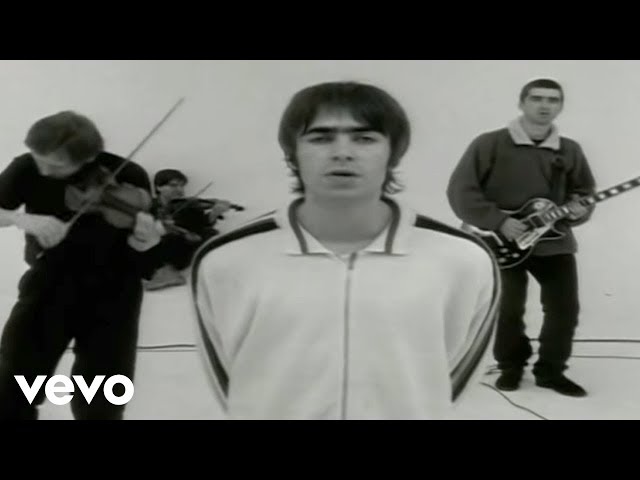
Released in 1994, this Britpop milestone by Oasis is known as one of the defining songs of Japan’s Heisei-era music scene.
Celebrating individuality and self-expression, the track is notable for its orchestration, including a string section arranged by Nick Ingman.
It reached No.
3 on the UK Singles Chart and earned a Gold certification, marking major success.
Singing about freedom and the power of choice, it’s recommended for anyone who wants to live authentically without being bound by societal constraints.
If you were born in the Heisei era, be sure to give it a listen.
[A Must-See for the Heisei Generation] Nostalgic Songs That Were Popular in the Heisei Era (11–20)
Tree of WadatsumiHajime Chitose

One of the iconic songs that colored the Heisei music scene is Chitose Hajime’s debut single.
With a uniquely distinctive voice influenced by island songs (shima-uta), she captured the hearts of many listeners.
Released in February 2002, it reached No.
1 on the Oricon Weekly Singles Chart and became a massive hit, selling over 800,000 copies.
In July of the same year, her first album “Hainumikaze” also topped the charts for two consecutive weeks.
This work is a poignant love song about parting with a loved one and unwavering feelings.
Chitose’s gentle, resonant vocals and the deeply moving lyrics are especially compelling.
It’s a perfect track for anyone who has experienced heartbreak or a long-distance relationship.
ShakeDOUBLE

When it comes to iconic Heisei-era R&B classics, this song by DOUBLE stands out.
Released in June 1999, it became a major hit, selling over 100,000 copies.
With its groovy sound and smooth vocal ad-libs, the track instantly draws listeners onto the dance floor.
The lyrics celebrate the joy of dancing all night long, expressing the bonds and freedom that music brings.
Known as the last song from their sister-duo era, it had a significant impact on DOUBLE’s musical career.
It’s a must-listen not only for R&B fans but also for anyone interested in exploring the music of the Heisei period.
Black CherryAcid Black Cherry

This is a standout track with sensual lyrics and a distinctive melody.
Showcasing Acid Black Cherry’s overwhelming vocal prowess, it was released in February 2008 and reached No.
2 on the Oricon charts.
It’s a popular song that also earned Platinum certification and is included on the album BLACK LIST.
yasu’s high range, with its solid core, further highlights the passionate lyrics.
The sound, which incorporates jazz and ska elements, is also captivating—perfect for getting hyped during a drive or at karaoke.
With many sexual expressions, it’s also recommended for those who want to enjoy a more adult atmosphere.
First LoveUtada Hikaru

A work by Hikaru Utada beloved as a defining ballad of the Heisei era.
Released in March 1999, the song reached No.
2 on the Oricon Singles Chart and sparked major buzz, including a 15-week streak at No.
1 on the karaoke charts.
The lyrics penned by a 16-year-old and her delicate vocals vividly portray the pain of heartbreak and the unforgettable memories of first love, resonating deeply with many listeners.
Included on the album “First Love,” this track holds a special place in Utada’s musical career.
It’s a highly recommended song for those who have experienced heartbreak or wish to reminisce about their first love.