

A Must-See for the Heisei Generation: Nostalgic Songs That Were Popular in the Heisei Era

It’s only been a few years since the Reiwa era began, but trends like “Heisei-era clichés” are already popular.
Among them, music is especially loved as nostalgic oldies.
So this time, we’re introducing “classic Heisei-era songs we recommend to people born in the Heisei era”!
The Heisei period was a time when many new music genres were born, with club music—especially UK garage and dubstep—undergoing major changes.
In addition to dance music and mainstream J-pop, we’ve also picked standout tracks from lesser-known genres like R&B and jazz rock.
If you were born in the Heisei era, be sure to check them out!
- Emotional songs from the Heisei era. Nostalgic tracks that really hit you.
- Heisei-era masterpieces. Hit songs that represent the Heisei period.
- All big hits! A roundup of classic J‑Pop songs that were popular in 2000
- A collection of nostalgic hits from the Heisei era: Let’s look back at iconic songs from the 1990s and 2000s.
- Songs from the Heisei retro era that will get any generation excited! Timeless tracks you’ll want to listen to now.
- Cool songs of the Heisei era. Hit tracks that energized the times.
- Heisei Song Collection: Iconic Hits That Colored the ’90s and 2000s
- [Heisei Love Songs] A carefully selected collection of gem-like love songs that continue to be cherished even in the Reiwa era!
- Love songs that were hits in the 2000s. Classic and popular Japanese songs.
- Nothing but iconic hits that defined an era! 2000s classics popular on TikTok
- From emotional tracks to exhilarating tunes! Heisei-era youth songs
- A revival hit driven by social media! Heisei-era masterpieces that are resonating with Gen Z today
- Heisei-era masterpieces: Easy to sing! Carefully selected songs recommended for karaoke choices!
A Must-See for the Heisei Generation: Nostalgic Hits from the Heisei Era (41–50)
budKobukuro
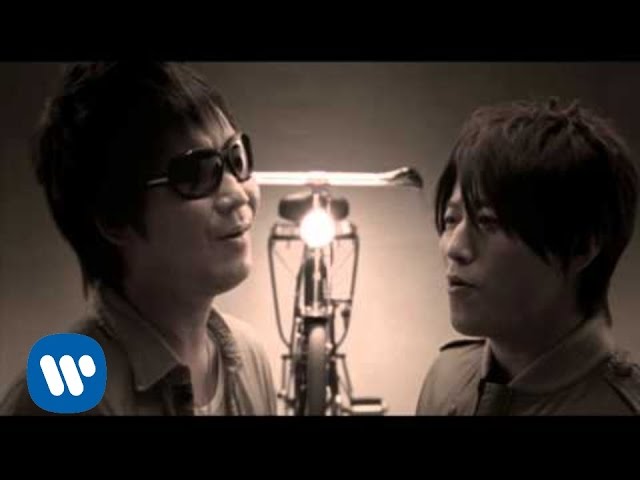
Kobukuro is a musical duo formed after a chance meeting during a street performance.
Their 14th single, released in March 2007, was written as the theme song for the drama “Tokyo Tower: Mom and Me, and Sometimes Dad,” and went on to win the 49th Japan Record Award that same year.
The song is also known for expressing member Kentaro Kobuchi’s feelings for his late mother, conveying profound love and the aching sorrow of parting.
Beginning with the gentle tones of an acoustic guitar, the intro and the duo’s interwoven vocals spin out emotions like a story.
It’s a gem of a ballad to listen to quietly when you want to reaffirm the bond with someone dear.
Close your eyesHirai Ken

Singer-songwriter Ken Hirai captivates listeners with his deep, resonant voice.
This work poignantly yet purely sings of love—bearing the sense of loss after losing a loved one, yet being able to meet them in your heart whenever you close your eyes.
The lingering traces of absence in everyday life intersect with warm memories of the past, evoking a tightness in the chest.
Released in April 2004 as his 20th single, the song was written as the theme for the film “Crying Out Love, in the Center of the World” and became a million-selling smash hit.
It is a gem of a ballad that stirs the heart—perfect for nights when you want to immerse yourself in memories of someone precious or quietly let the tears fall.
Lovin’ LifeFUNKY MONKEY BABYS

The fourth single by FUNKY MONKEY BABYS, a music unit that fuses hip-hop and pop.
Released in January 2007, the song became a long-running hit, breaking into the Top 10 in its sixth week and solidifying the group’s popularity.
The lyrics, which portray the small joys hidden in everyday life and the preciousness of time spent with loved ones, warmly fill listeners’ hearts.
Its catchy melody and smooth rap weave a positive atmosphere that feels like a true anthem for life.
The track is also included on the album “Funky Monkey Babys 2” and was used as Ryota Wakiya’s theme song for the Yomiuri Giants in 2007.
It’s a number that makes you cherish the simplicity of everyday life.
The One and Only Flower in the WorldSMAP

Even after their breakup, calls for a reunion remain strong, and the five-member idol group SMAP is becoming legendary thanks to their immense popularity.
One of their songs was used as the theme for the TV drama “Boku no Ikiru Michi,” starring group member Tsuyoshi Kusanagi, and it became a massive hit, selling over 3 million copies in total.
It’s also well known for being written by singer-songwriter Noriyuki Makihara.
In a world that tends to rank and compare everything, the lyrics—encouraging the uniqueness only you possess—lightened the hearts of many listeners and resonated widely.
With gentle words and a warm melody that quietly soothe wounded, troubled feelings, it is a masterpiece that has etched its name in J-POP history.
cherry blossomKetsumeishi

Throughout the history of J-POP, many artists have released songs themed around “sakura,” and this work, released by Ketsumeishi in February 2005, is one of the most iconic.
Although they are a hip-hop group, their style—blending catchy, singable melodies with emotionally resonant rap—won support from a wide audience.
The lyrics depict memories of a lover who is no longer here, evoked by the sight of cherry blossoms fluttering in the wind.
Even though the scenery remains unchanged, the absence of a loved one creates a sense of loss that tightens the listener’s chest.
Despite having no tie-in, this massive hit sold about 210,000 copies in its first week, and its drama-style music video starring Masato Hagiwara and Emi Suzuki further deepens the song’s world.
It’s also perfect as a BGM for a spring drive when you’re feeling a bit nostalgic about the past.
Becoming a Thousand WindsAkiyama Masashi

Masafumi Akikawa is a tenor who, while grounded in the classics, performs across genre boundaries.
This work is a number released as a single in May 2006.
Its universal message—that a loved one has not died, but has become part of the great natural world and is always nearby watching over us—resonates deeply through Akikawa’s majestic voice.
Originally included on the September 2005 album “Pomp and Circumstance,” the song gained widespread attention after his performance at the 2006 NHK Kōhaku Uta Gassen, leading him to become the first classical singer in history to top the Oricon annual chart the following year.
The profound love carried by this piece gently envelops the sorrow of parting.
A one-of-a-kind, timeless masterpiece that defined the 2000s.
Youthful AmigoShūji to Akira

A signature 2000s youth anthem by the duo Shuuji to Akira.
The golden pairing of Kazuya Kamenashi and Tomohisa Yamashita, who co-starred in the drama “Nobuta wo Produce,” generated huge buzz.
The melancholic ensemble—created in collaboration with a Swedish songwriting team—leaves a strong impression.
The lyrics depict a passionate friendship and vows for the future between two guys undefeated in their hometown, sparked by a call from a best friend in a tight spot.
The track topped the 2005 annual singles chart, and many people likely fired it up as a karaoke duet.
It’s a song packed with the radiance and bittersweetness of youth—one that still makes your heart swell even as an adult.
In conclusion
This time, we introduced a wide range of Heisei-era tracks, from famous works to masterpieces that had a massive impact on the music scene. Since the hip-hop scene is becoming mainstream these days, I strongly recommend that heads dig into the early Heisei underground scene! At Rug Music, we also have other features related to the Heisei era. Be sure to check those out too!