

A Must-See for the Heisei Generation: Nostalgic Songs That Were Popular in the Heisei Era

It’s only been a few years since the Reiwa era began, but trends like “Heisei-era clichés” are already popular.
Among them, music is especially loved as nostalgic oldies.
So this time, we’re introducing “classic Heisei-era songs we recommend to people born in the Heisei era”!
The Heisei period was a time when many new music genres were born, with club music—especially UK garage and dubstep—undergoing major changes.
In addition to dance music and mainstream J-pop, we’ve also picked standout tracks from lesser-known genres like R&B and jazz rock.
If you were born in the Heisei era, be sure to check them out!
- Emotional songs from the Heisei era. Nostalgic tracks that really hit you.
- Heisei-era masterpieces. Hit songs that represent the Heisei period.
- All big hits! A roundup of classic J‑Pop songs that were popular in 2000
- A collection of nostalgic hits from the Heisei era: Let’s look back at iconic songs from the 1990s and 2000s.
- Songs from the Heisei retro era that will get any generation excited! Timeless tracks you’ll want to listen to now.
- Cool songs of the Heisei era. Hit tracks that energized the times.
- Heisei Song Collection: Iconic Hits That Colored the ’90s and 2000s
- [Heisei Love Songs] A carefully selected collection of gem-like love songs that continue to be cherished even in the Reiwa era!
- Love songs that were hits in the 2000s. Classic and popular Japanese songs.
- Nothing but iconic hits that defined an era! 2000s classics popular on TikTok
- From emotional tracks to exhilarating tunes! Heisei-era youth songs
- A revival hit driven by social media! Heisei-era masterpieces that are resonating with Gen Z today
- Heisei-era masterpieces: Easy to sing! Carefully selected songs recommended for karaoke choices!
[A Must-See for the Heisei Generation] Nostalgic Songs That Were Popular in the Heisei Era (11–20)
flower burialL’Arc〜en〜Ciel

This work captivates with its profound poetic world and delicate melodic lines.
Hyde’s transparent vocals evoke both fragility and depth, crafting a moving ballad.
Its beautiful depiction of the changing seasons has ensured it never loses its luster as a Japanese rock ballad, continuing to be loved across generations.
Released in July 1998, this song became a significant milestone in L’Arc~en~Ciel’s musical career.
During the release week, a distinctive TV commercial drew attention, featuring a wanted fugitive barricaded in a building demanding, “Three at once! Bring me three at once!” Centered on themes of love and death, this piece offers solace to anyone who has experienced heartbreak or parting.
Like tonight’s moonElefanto Kashimashi
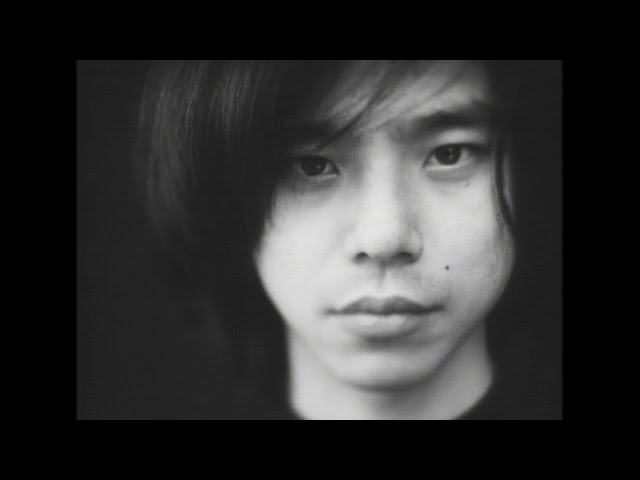
This song portrays a poignant longing for lost days and love.
Showcasing Hiroji Miyamoto’s distinctive voice and passionate performance, it was released in July 1997.
Created as the theme song for the Fuji TV drama “Because the Moon Shines at Night,” it marked Elephant Kashimashi’s first drama tie-in.
It reached the top 10 on the Oricon charts and is cherished by many as one of the band’s signature works.
It’s perfect for those who want to look up at the summer night sky and reflect on days gone by.
to youMONGOL800

Despite never being released as a single, this signature song by MONGOL800 has been featured in a variety of places, including insert tracks that color a film’s final scene, drama opening themes, and commercials.
In 2001, the album MESSAGE—featuring this track and the well-known classic Chiisana Koi no Uta—was released and became a huge hit, cementing Monpachi’s popularity.
Its straightforward lyrics about love and its fresh, powerful sound give courage and energy to both singers and listeners.
Why not sing it while reminiscing about a page from your youth?
moonlightOnitsuka Chihiro
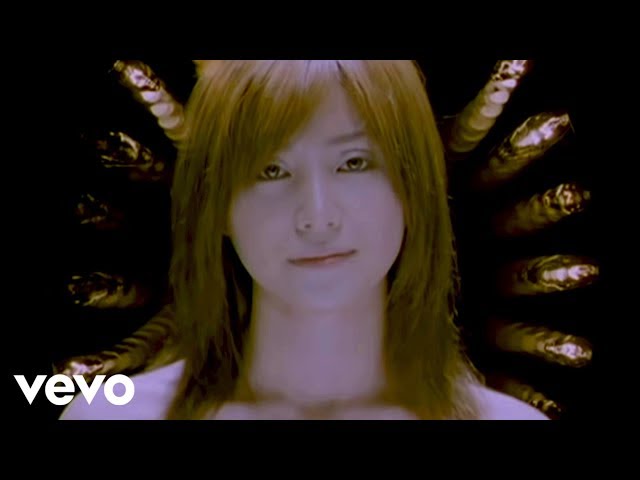
When it comes to songs that made a profound impact on the music scene of the Heisei era, you can’t leave out that song by Chihiro Onitsuka.
Released in March 2001, it was also used as the theme song for the TV drama TRICK, and its captivating worldview together with Onitsuka’s overwhelming vocal prowess captured the hearts of many.
The lyrics, woven from deep despair and loneliness and the complex emotions of searching for one’s identity, leave a powerful impression on listeners while evoking deep empathy.
It’s perfect for listening alone on a quiet night, or for spending a relaxed time together with someone special.
Timeless and indelibly etched into the heart no matter when you hear it, this is a track I can confidently recommend—even to those born in the Heisei era.
LovelyOzawa Kenji

This is one of Kenji Ozawa’s signature songs from the album “LIFE,” released in August 1994, depicting the joy of love and the pleasures of everyday life.
Carried by a light, sprightly rhythm and a vibrant melody, it conveys the exhilaration of a protagonist falling in love.
Members of Tokyo Ska Paradise Orchestra also took part in the recording, with the brass adding a lively sense of motion.
After appearing on the album, it was released as a single in November of the same year and has been cherished by many listeners.
It’s a recommended track for anyone who wants to feel the spark of new love and the brilliance of life.
Time goes byEvery Little Thing
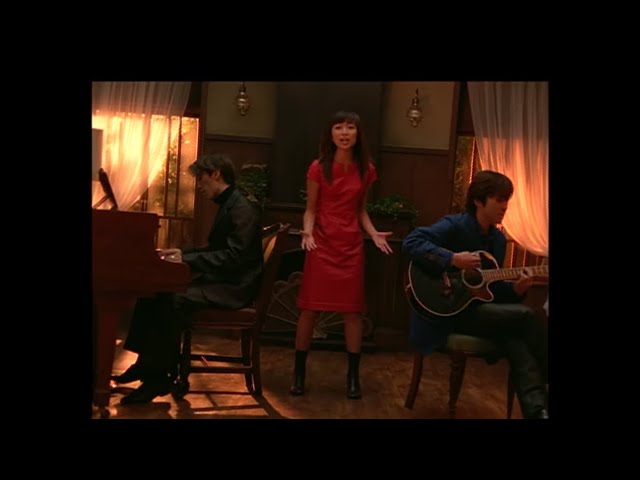
This work, which set the group’s all-time sales record, is a masterpiece ballad of the Heisei era, with Kaori Mochida’s gentle yet powerful vocals striking straight to the heart.
The lyrics portray two people whose desire for each other causes them to drift apart, conveying a sense of hope for the future even amid the sadness.
Released in February 1998 as their eighth single, it became widely known as the theme song for the drama “Amai Kekkon” and as the CM song for Toyota’s HILUX SURF SSR-V.
It’s also included on the classic album “Time to Destination,” and is a must-listen—especially on nights of romantic turmoil or when you want a quiet moment of self-reflection.
[A Must-See for the Heisei Generation] Nostalgic Songs That Were Popular in the Heisei Era (21–30)
SOUL SCREAMhachi to chou

A landmark of Japanese hip-hop, “Hachi to Chou” (The Bee and the Butterfly).
This track by the hip-hop unit SOUL SCREAM is included on their album The positive gravity – An to Hint.
Its source material is The Painter (Who Lives in the Cellar), crafted by American singer-songwriter Paul Parrish.
While retaining the gentle atmosphere of the sampled original, the song showcases powerful rap.
